

The Role of Mindfulness in Emotional Regulation
Mind AliveIn a world that often feels overwhelmingly chaotic, finding peace and emotional balance is crucial for our well-being. Mindfulness, the practice of being present and fully engaged with the current moment without judgment, has gained significant attention for its role in enhancing emotional regulation. This blog post explores how mindfulness can serve as a powerful tool for managing emotions, improving mental health, and fostering overall well-being.
Understanding Emotional Regulation
Emotional regulation refers to our ability to manage and respond to emotional experiences in healthy ways. It involves modifying emotional responses, either consciously or unconsciously, to achieve desired outcomes. Effective emotional regulation can lead to better mental health, improved relationships, and increased productivity. By contrast, poor emotional regulation can contribute to emotional distress, relationship problems, and mental health disorders like anxiety and depression.
The Science Behind Mindfulness and Emotional Regulation
Scientific research has consistently shown that mindfulness practices can have a profound impact on emotional regulation. By focusing on the present moment, individuals practicing mindfulness are less likely to be caught up in negative thought patterns or emotional reactivity. This shift in focus allows for greater control over emotional responses.
Mindfulness works by activating the prefrontal cortex, which is responsible for higher-order brain functions like decision-making, attention, and self-control. Simultaneously, it reduces activity in the amygdala, the brain's panic button, diminishing impulsive reactions to emotional stimuli.
The Neuroscience Perspective
To delve deeper, let's consider the neurological changes mindfulness brings about:
- Activation of the Prefrontal Cortex: Mindfulness strengthens the prefrontal cortex, enhancing our ability to make reasoned decisions rather than acting impulsively.
- Deactivation of the Amygdala: Regular mindfulness practice can decrease activity in the amygdala, reducing emotional reactivity and stress.
- Improved Connectivity: Mindfulness enhances the connection between the prefrontal cortex and other brain regions, enabling better emotional control and resilience.
Practical Mindfulness Techniques for Emotional Regulation
Implementing mindfulness into daily life doesn't require monumental changes. Here are some approachable methods:
Mindful Breathing
One of the simplest yet most powerful mindfulness practices is mindful breathing. Focusing on each breath helps anchor you in the present moment, moving attention away from negative thought patterns. Try a brief exercise: inhale deeply for four counts, hold for four, and exhale for four. Repeat a few times and notice how this simple act brings about a sense of calm.
Body Scan Meditation
A body scan meditation involves becoming acutely aware of the physical sensations in your body. Starting at the toes, gradually move your attention upwards, noting any tension or discomfort. This practice can help you reconnect with your body, releasing stress and promoting relaxation.
Mindful Observation
Select an object—a plant, a picture, or even an item of clothing—and spend a few minutes observing it closely. Note its texture, color, and shape. Engage with the object as if seeing it for the first time. This exercise enhances your ability to focus, fostering emotional regulation.
Enhancing Mindfulness with Technology
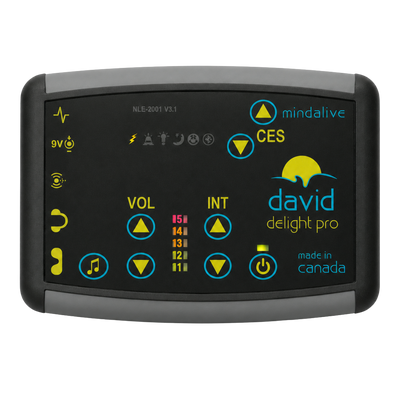
While traditional mindfulness techniques are invaluable, technology offers additional tools to deepen your practice. Mind Alive provides innovative products that can complement your mindfulness journey:
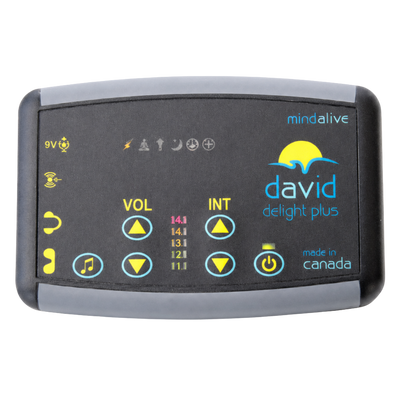
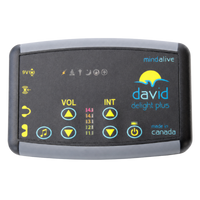
DAVID Delight Plus

The DAVID Delight Plus is a device designed to promote relaxation and improve mental well-being. By using light and sound pulses at specified frequencies, it helps reduce stress and support emotional health. Incorporating this device into your routine can enhance your ability to regulate emotions as it aligns with your natural brainwave patterns promoting calmness and focus.
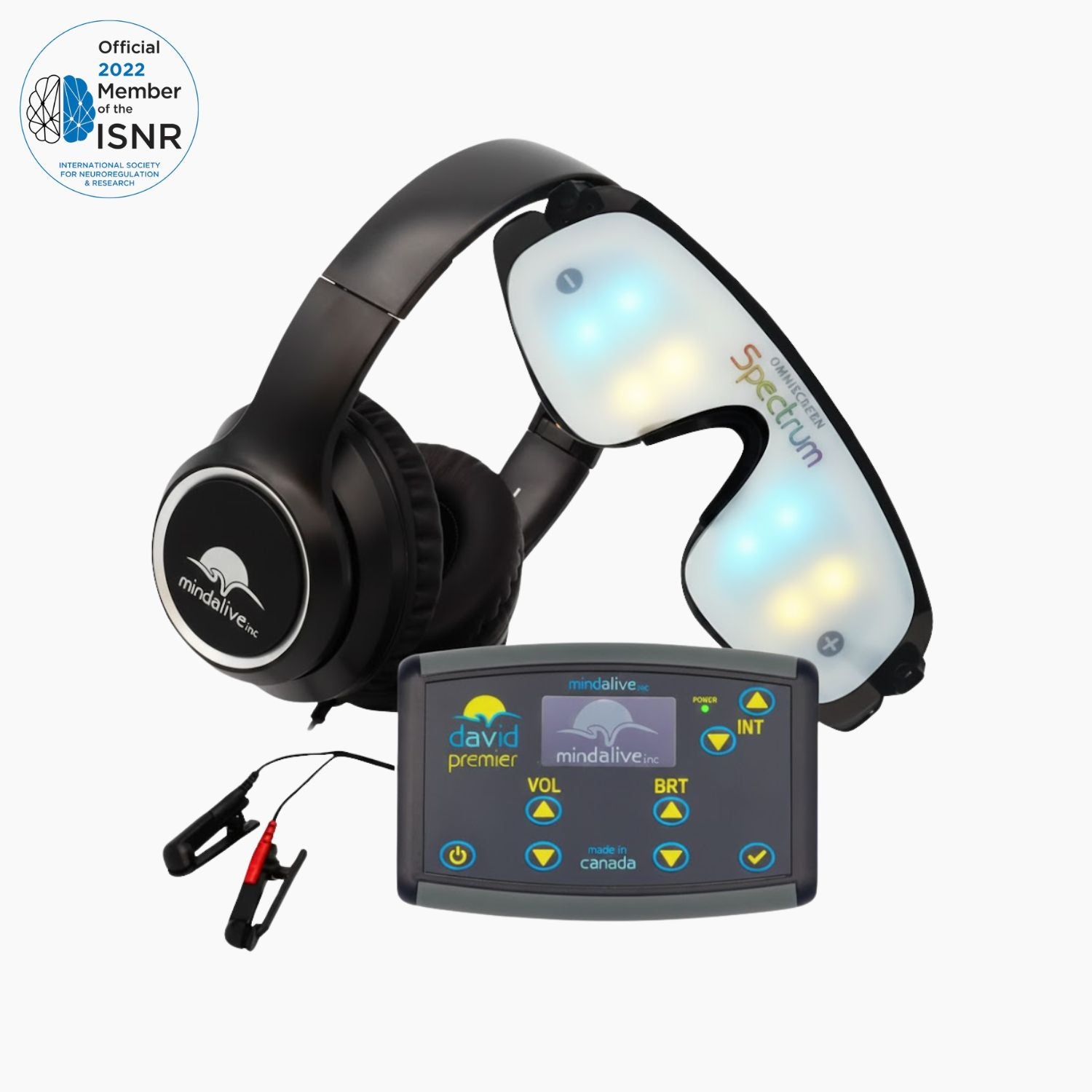
DAVID Premier

For those seeking a customizable experience, the DAVID Premier offers an opportunity to tailor your mindfulness sessions. With various pre-set programs and customizable features, this device is versatile, aiding in stress reduction and fostering a balanced emotional state.
Challenges and Misconceptions About Mindfulness
While mindfulness is widely praised, it is not without its challenges and misconceptions. Common misconceptions include the idea that mindfulness requires one to empty the mind completely or that it is solely a relaxation technique. In reality, mindfulness is about acknowledging thoughts without being driven by them, thus affording better emotional control.
Moreover, some individuals might find initial attempts at mindfulness difficult or even uncomfortable. It's essential to approach mindfulness with patience and understanding, recognizing that discomfort is part of the journey and an opportunity for growth.
Mindfulness and Everyday Life
Mindfulness should not be restricted to meditation sessions alone. It’s a skill that, when integrated into daily activities, can significantly enhance emotional regulation. Consider these approaches:
- Mindful Eating: Pay attention to every bite, appreciating flavors, textures, and aromas. This practice reduces stress and helps cultivate gratitude.
- Mindful Walking: When walking, focus on each step, the feeling of your feet on the ground, and the sensations in your body. This exercise can clear your mind, reduce stress, and improve mood.
Conclusion
Mindfulness is a powerful tool for enhancing emotional regulation, providing individuals with the means to navigate life's challenges with greater ease. Through regular practice, mindfulness improves emotional well-being, reduces stress, and fosters resilience. By integrating mindfulness techniques into daily life, complemented by innovative tools such as the DAVID Delight Plus and DAVID Premier, we can cultivate a greater sense of balance and emotional health.
For more resources on achieving mental wellness through mindfulness and to explore a range of supportive products, visit Mind Alive.