

AVE & CES: A deep dive into the effects
Yrian Brugman
Neurotechnology · Brainwave entrainment
Recommended by experts all over the world
Audio-Visual Entrainment (AVE) and Cranial Electrotherapy Stimulation (CES) are two modern, non-invasive technologies used worldwide to support relaxation, sleep, focus and emotional balance. In this deep dive, we will explore how they work, what people use them for, and how they can safely complement practices like therapy, mindfulness and coaching.
Why people turn to AVE and CES today
Modern life pushes the nervous system hard. Constant notifications, long workdays, screens late at night and ongoing stress all make it harder for the brain to naturally shift between relaxed, focused and deeply restful states. Many people describe feeling “tired but wired” — exhausted in the body but unable to switch off mentally.
At the same time, there is growing interest in gentle, drug-free ways to support mental wellbeing. This is where AVE and CES come in. Instead of working chemically, they use carefully controlled light, sound and microcurrent to encourage the brain and nervous system to move back toward more balanced patterns.
1. A quick refresher on brainwaves and states
The brain is an electrical organ. Billions of neurons fire tiny impulses that, when synchronized, create rhythmic patterns called brainwaves. These waves are measured in hertz (Hz) and grouped into frequency bands. Each band is associated with typical mental states.
The main brainwave bands
- Delta (0.5–4 Hz) – deep, restorative sleep and physical recovery
- Theta (4–7 Hz) – meditation, emotional processing, creativity, dream-like imagery
- Alpha (8–12 Hz) – relaxed wakefulness, daydreaming, light focus
- Beta (13–30 Hz) – thinking, problem-solving, active concentration
- High Beta (20–30+ Hz) – stress, rumination, fight-or-flight
- Gamma (30–80 Hz+) – high-level integration, complex processing, insight
Healthy brains are flexible. They shift smoothly across these bands depending on what is needed. Problems arise when someone gets “stuck” — for example, in high Beta (constant tension and worry) or in shallow Alpha with not enough deep Delta sleep.
2. What is Audio-Visual Entrainment (AVE)?
Audio-Visual Entrainment uses gently flickering lights (seen through closed eyes) and pulsed sound to guide the brain toward specific brainwave frequencies. The key idea is the frequency following response: when the brain is repeatedly presented with rhythmic input, its own electrical activity tends to synchronize with that rhythm.
How an AVE session works in practice
- You sit or lie down comfortably with your eyes closed.
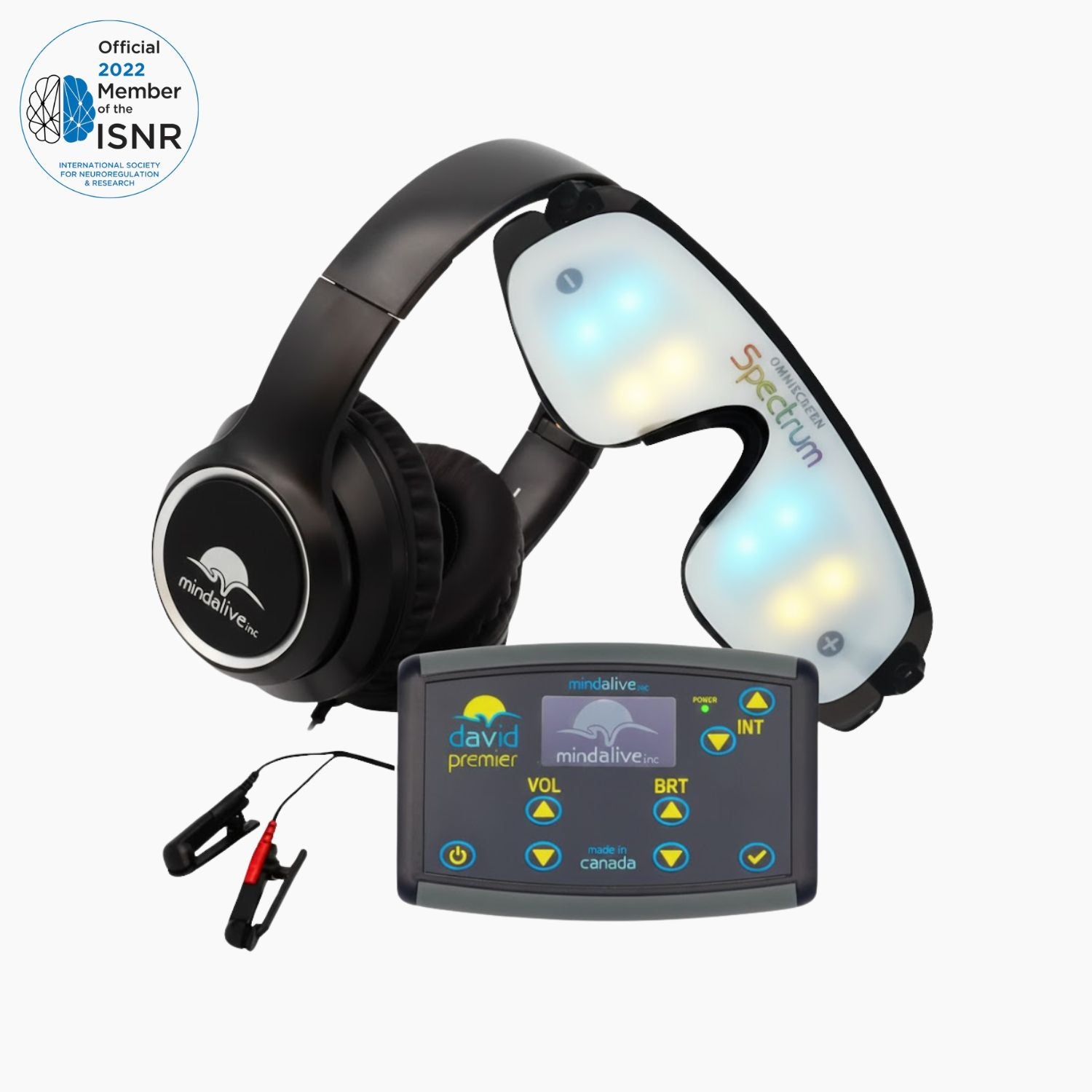
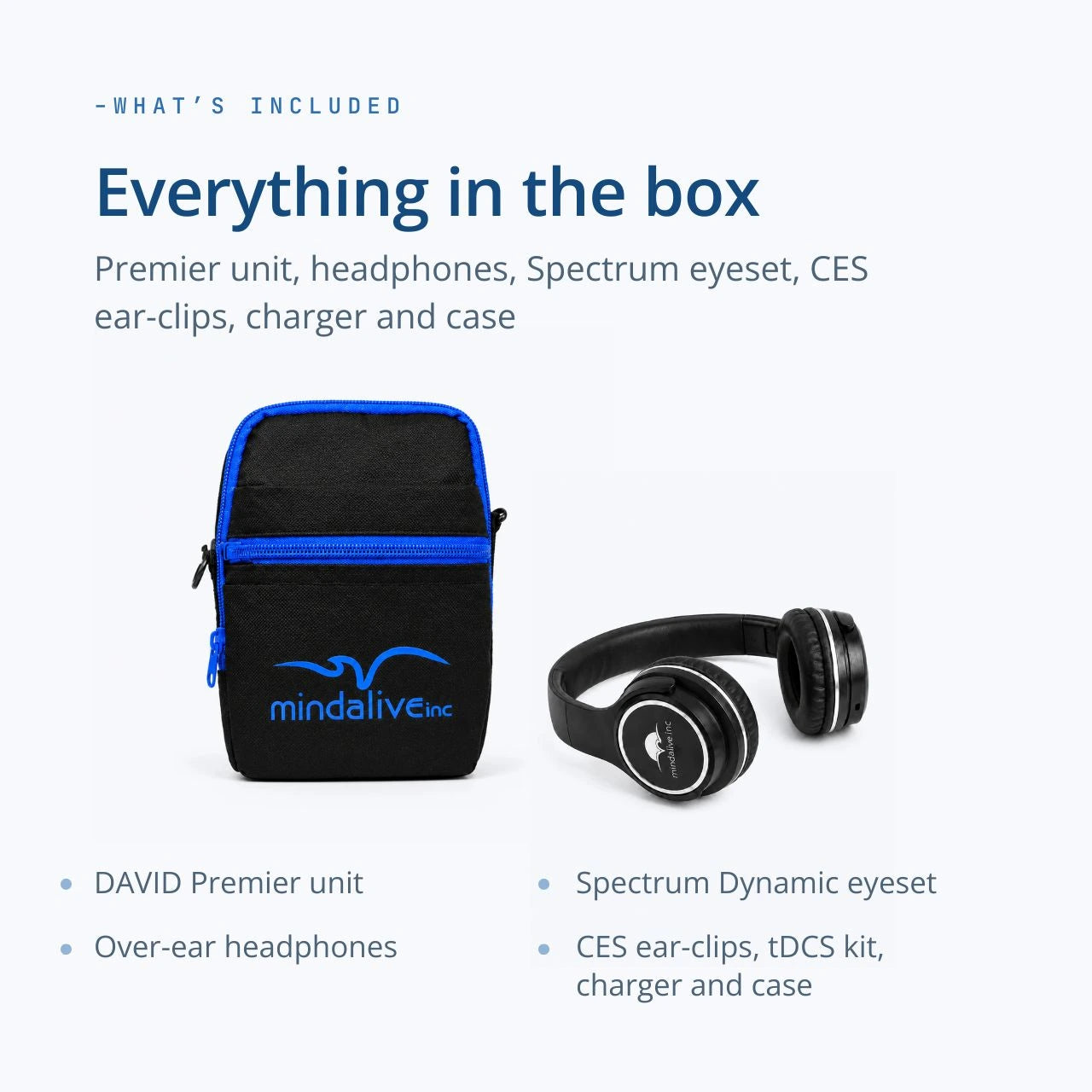
- You wear special light glasses and headphones connected to an AVE device.
- The device plays light pulses and sounds at specific frequencies (for example, in the Alpha or Theta range).
- Your visual and auditory systems carry these rhythms deep into the brain.
- Over several minutes, your brain activity begins to mirror the target pattern more strongly.
Because AVE stimulates both vision and hearing, the entrainment signal is often stronger and more immersive than audio-only tools like binaural beats. Many people describe a clear shift from “busy mind” into a calmer, more internal state within the first 10–15 minutes.
Common goals people use AVE for
- unwinding after work and reducing stress
- preparing for sleep or supporting a more restful night
- deepening meditation and mindfulness practice
- enhancing focus before studying or creative work
- supporting emotional processing between therapy sessions
Want structured AVE programs instead of guessing frequencies?
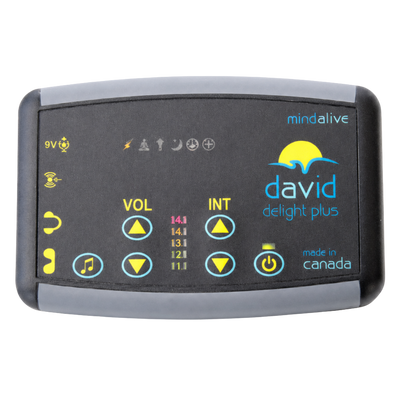
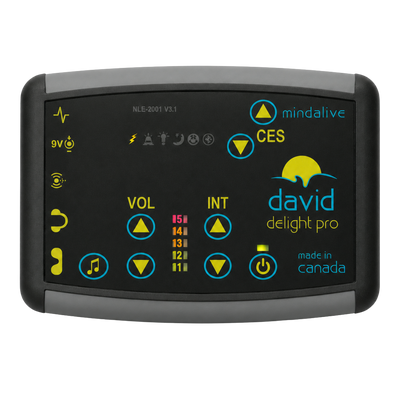
MindAlive’s DAVID devices include pre-designed sessions for relaxation, sleep, focus, meditation and more. You simply choose your goal and follow the guided program.
Explore DAVID Devices3. What is Cranial Electrotherapy Stimulation (CES)?
Cranial Electrotherapy Stimulation is a technique that uses very small, pulsed electrical currents applied via ear clips or electrodes placed on the head. The currents are in the microampere range — far below what is used for other forms of stimulation — and are typically experienced as a mild tingling or not felt at all.
CES is thought to influence brain function by gently modulating the activity of brain networks and by affecting the balance of neurotransmitters involved in mood and stress, such as serotonin, dopamine and GABA. Rather than “shocking” the brain, it nudges it toward a calmer, more regulated baseline.
Typical reasons people use CES
- to feel less tense, “on edge” or overwhelmed
- to support falling asleep and staying asleep more easily
- to soften mental and physical symptoms of stress
- to complement psychotherapy, coaching or other wellbeing practices
4. AVE vs CES: what each one does best
Although AVE and CES are often talked about together, they act on different parts of the system.
AVE focuses on rhythms
- directly influences brainwave patterns using light and sound
- helps the brain shift into relaxed Alpha, meditative Theta or sleep-supportive Delta ranges
- excellent for guided sessions with a clear intention (relax, focus, unwind)
CES focuses on chemistry and tone
- supports the balance of neurotransmitters related to calm and mood
- may reduce baseline tension and hyperarousal
- often used as a background support while reading, resting or doing light activities
In simple terms: AVE helps the brain remember how to change state, while CES helps the brain live in a calmer default state. Used together, they can be especially helpful for people who spend much of their time in high Beta — wired, restless and unable to relax.
5. What the research and clinical experience suggest
Over the last decades, AVE and CES have been used in clinics, research settings and home environments for a wide variety of goals. While results differ between people and conditions, several themes show up repeatedly:
Reported effects of AVE
- improved ability to relax on demand
- greater sense of mental clarity after sessions
- deeper, more refreshing sleep when used regularly in the evening
- easier access to meditative or “in-the-zone” states
Reported effects of CES
- reduction in perceived stress and nervous tension
- smoother mood and fewer “spikes” during the day
- better sleep onset and fewer night-time awakenings for some users
It is important to note that individual responses vary. Some people notice clear changes within a few sessions. Others experience more gradual shifts over weeks of consistent use. As with any training-like approach, regular practice matters more than expecting one dramatic breakthrough session.
6. Combining AVE and CES in a single session
Some MindAlive devices allow you to use AVE and CES at the same time. This combined approach can be especially supportive when the nervous system is highly activated and the mind has trouble “letting go.”
A typical combined session might look like this
- Set your intention – for example “unwind after work,” “prepare for sleep,” or “support emotional processing.”
- Select a session – for instance, a relaxation, Alpha-Theta or sleep-oriented program on a DAVID device.
- Put on the glasses and headphones – start the AVE program.
- Attach the CES ear clips – use the recommended current setting, often starting low and increasing slowly if comfortable.
- Let the session unfold – you may notice a shift from racing thoughts to internal imagery, a feeling of heaviness in the body, or a sense of distance from daily worries.
By the end, many people feel both mentally and physically softer. Over time, the nervous system “learns” these patterns and becomes more willing to enter them, even outside of sessions.
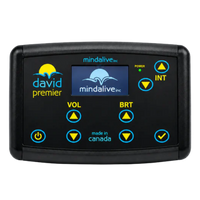
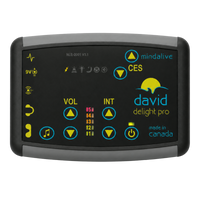
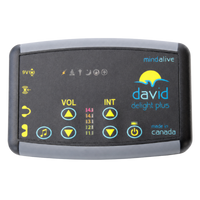
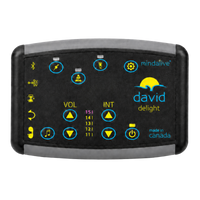
Curious which DAVID model offers both AVE and CES?
Some MindAlive devices offer AVE only, while others add integrated CES for a more complete toolkit. Our guide helps you choose the device that fits your goals and lifestyle.
Find your DAVID device7. Example use cases: how different people apply AVE and CES
1. The overworked professional
Main challenge: long workdays, difficulty switching off at night, light but not deep sleep.
Approach:
- evening AVE relaxation or Alpha-Theta sessions 4–5 times per week
- CES during or after the AVE session to support calm and sleep onset
- short, energizing AVE sessions in the morning on selected days to start more clearly
2. The sensitive nervous system
Main challenge: high sensitivity to stress, easily overwhelmed, difficulty relaxing in busy environments.
Approach:
- start with gentler AVE programs at slightly higher frequencies (Alpha range)
- use low-intensity CES while reading, journaling or resting
- gradually introduce deeper Theta-biased AVE sessions once the nervous system feels safer
3. The focused learner or creative
Main challenge: distractions, procrastination, difficulty getting into “flow.”
Approach:
- short AVE sessions aimed at calm focus (upper Alpha / low Beta) before work blocks
- optional CES for people who feel anxious before performance, exams or presentations
- deeper Theta-oriented sessions on off-days for creativity and reflection
8. Safety, sensitivity and good practice
AVE and CES are generally well-tolerated. Still, there are some basic guidelines that help you use them wisely.
Start gently and listen to your body
- begin with shorter sessions (for example 10–20 minutes) and moderate intensity
- pay attention to how you feel afterwards: calmer, foggy, energized, emotional, or neutral
- adjust frequency, duration and timing based on your own responses
When to talk to a professional first
- history of seizures or epilepsy
- serious psychiatric conditions
- presence of implanted medical devices (for CES)
In these situations, AVE and CES should only be used in consultation with a healthcare provider. They may still be an option, but it is important to respect individual medical needs.
9. How AVE and CES fit into a broader wellbeing plan
AVE and CES work best as part of a holistic approach to brain health and emotional resilience. They are powerful tools, but they cannot do all the work alone.
They combine especially well with
- good sleep hygiene – regular bedtimes, light management, reduced screen use late at night
- movement – walking, stretching, strength training or yoga to support circulation and mood
- therapy or coaching – using calmer states to process experiences and implement change
- journaling or reflective practice – capturing insights that arise during deep relaxation
- mindfulness and breathwork – reinforcing the nervous system’s ability to self-regulate
10. Bringing it all together
AVE and CES are not about controlling the brain. They are about inviting the brain and nervous system back into patterns that support rest, clarity and emotional balance. For some people, this looks like finally unwinding after years of chronic tension. For others, it means having a more stable baseline so they can make better use of therapy, coaching or personal growth work.
If you are curious about what these technologies might feel like in your own life, the next step is simple: learn about the different device options, pick a starting protocol that matches your goals, and give your brain time to respond over several weeks.
Ready to explore AVE and CES for yourself?
MindAlive’s DAVID devices combine decades of clinical experience with user-friendly programs you can run at home. Choose your goal — relaxation, sleep, focus, mood support — and let the device guide you.
Discover which DAVID fits you