

The Benefits Of Theta Waves Explained
Mind AliveBenefits of Theta Waves
The Ultimate Guide to the Power of 4–8 Hz
Theta waves are a special brainwave frequency between 4–8 hertz (Hz). They are closely associated with deep relaxation, meditation, creativity, intuition, and memory processing. That makes theta an important target for anyone interested in stress relief, cognitive performance, and inner growth. In this guide, we’ll explore what theta waves are, how they differ from other brainwaves, and the practical ways you can harness their benefits—naturally and with brainwave entrainment technology.
Key Takeaways
Key Takeaways
- Theta waves operate within the 4–8 Hz frequency range and are linked to deep relaxation, meditation, creativity, and intuition.
- Regular access to theta states can support stress reduction, improved sleep quality, emotional balance, and cognitive flexibility.
- Theta activity plays a key role in memory consolidation, information processing, and long-term learning.
- Techniques like meditation, AVE (audio-visual entrainment), binaural beats, and mindfulness can help you access theta more reliably.
- Used wisely, theta-focused practices can contribute to mental, emotional, and spiritual well-being as part of a broader lifestyle approach.
Understanding Theta Brain Waves and Their Frequency Range
Theta brain waves are one of the five main categories of brainwave activity typically seen in EEG recordings: delta, theta, alpha, beta, and gamma. Theta waves oscillate between 4–8 Hz and are often most prominent in structures like the hippocampus—a region critical for memory, spatial navigation, and learning.
What Makes Theta Waves Unique?
Unlike faster beta waves (linked to focused thinking and problem-solving) or deep-sleep delta waves, theta waves sit in an in-between zone. They are strongly associated with:
- Deep relaxation and meditative absorption
- Creative insight and intuitive “knowing”
- Emotional processing and inner reflection
- Light sleep and hypnagogic (falling asleep) states
In theta, many people report feeling more imaginative, emotionally open, and connected to their inner world. It’s a state where external noise fades and the brain processes information at a deeper, more associative level.
The Science Behind the 4–8 Hz Range
The 4–8 Hz frequency band is strongly linked to the limbic system, which handles emotion, memory, and motivation. Theta rhythms help coordinate communication between cortical (thinking) areas and deeper subcortical structures. This makes theta an important bridge between conscious and subconscious processes—supporting memory encoding, emotional integration, and pattern recognition.
How Theta Waves Differ from Other Brain Waves
| Brain Wave | Frequency Range | Associated States |
|---|---|---|
| Delta | 0.5 – 4 Hz | Deep, dreamless sleep, physical regeneration |
| Theta | 4 – 8 Hz | Deep relaxation, creativity, emotional processing |
| Alpha | 8 – 12 Hz | Relaxed wakefulness, closed eyes, light meditation |
| Beta | 13 – 30 Hz | Focused thinking, problem-solving, active cognition |
| Gamma | 30+ Hz | High-level information processing, binding of sensory input |
Understanding where theta fits in the broader brainwave spectrum helps explain why it is so strongly linked to both calm and cognitive transformation.
The Connection Between Theta Waves and Deep Relaxation
As theta activity increases, many people report a profound sense of calm and “letting go.” Muscle tension drops, breathing slows, and the nervous system shifts toward a parasympathetic (rest-and-digest) state.
This is similar to what occurs in deep meditation: the mind becomes quieter, inner awareness expands, and stress responses dial down. Over time, learning to access theta states can become a powerful tool for stress resilience and burnout prevention.
Benefits of Theta Waves for Mental Health
Theta waves are not just about feeling relaxed; they play a broader role in mental health. Regular access to theta states can support:
Stress and Anxiety Reduction
Deep-theta states help turn down excessive beta (busy, worried) activity. This can translate into less rumination, fewer anxious thought loops, and a stronger sense of internal stability. Practices that increase theta—like AVE sessions, meditation, or theta-targeted audio—are often described as grounding and “resetting.”
Emotional Balance and Well-Being
Because theta is tied to limbic circuitry, it is deeply involved in emotional processing. In theta, people often find it easier to process difficult experiences, release stored tension, and reconnect with a baseline of calm. This contributes to better mood stability and emotional resilience over time.
Enhanced Mental Clarity
Paradoxically, slowing the brain into theta can ultimately improve clarity. By clearing mental “noise,” theta states can support more efficient thinking after the session—similar to the way sleep restores cognitive function. Many people report feeling clearer, more focused, and more centered after a good theta session.
Theta Waves and Meditation Practice
Meditation and theta waves are tightly linked. Many forms of meditation (especially breath-focused, body scan, and certain mantra practices) naturally increase theta power, particularly with regular practice.
Theta as a Meditation Signature
In EEG studies, experienced meditators often show elevated theta (and alpha) activity during practice. This correlates with subjective reports of:
- Inner quiet and reduced mind-wandering
- Heightened present-moment awareness
- Increased compassion, patience, and emotional regulation
Binaural Beats and AVE for Theta Meditation
Not everyone finds it easy to meditate on command. Binaural beats and AVE are two technologies that can help:
- Binaural beats: Use slightly different tones in each ear to create a perceived beat frequency (e.g., 6 Hz) that encourages the brain to follow.
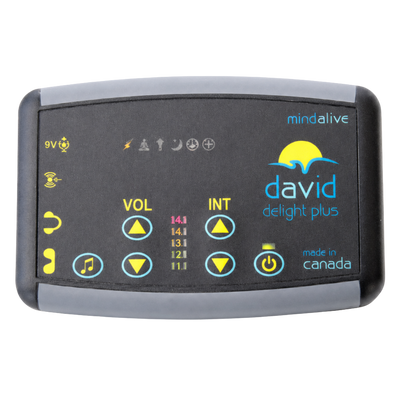
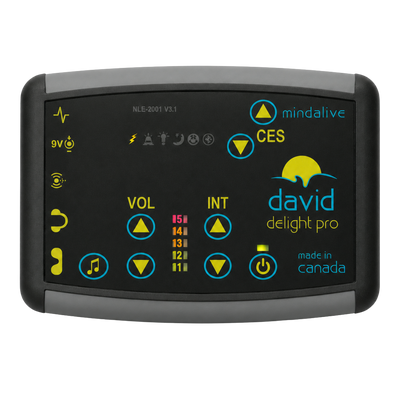
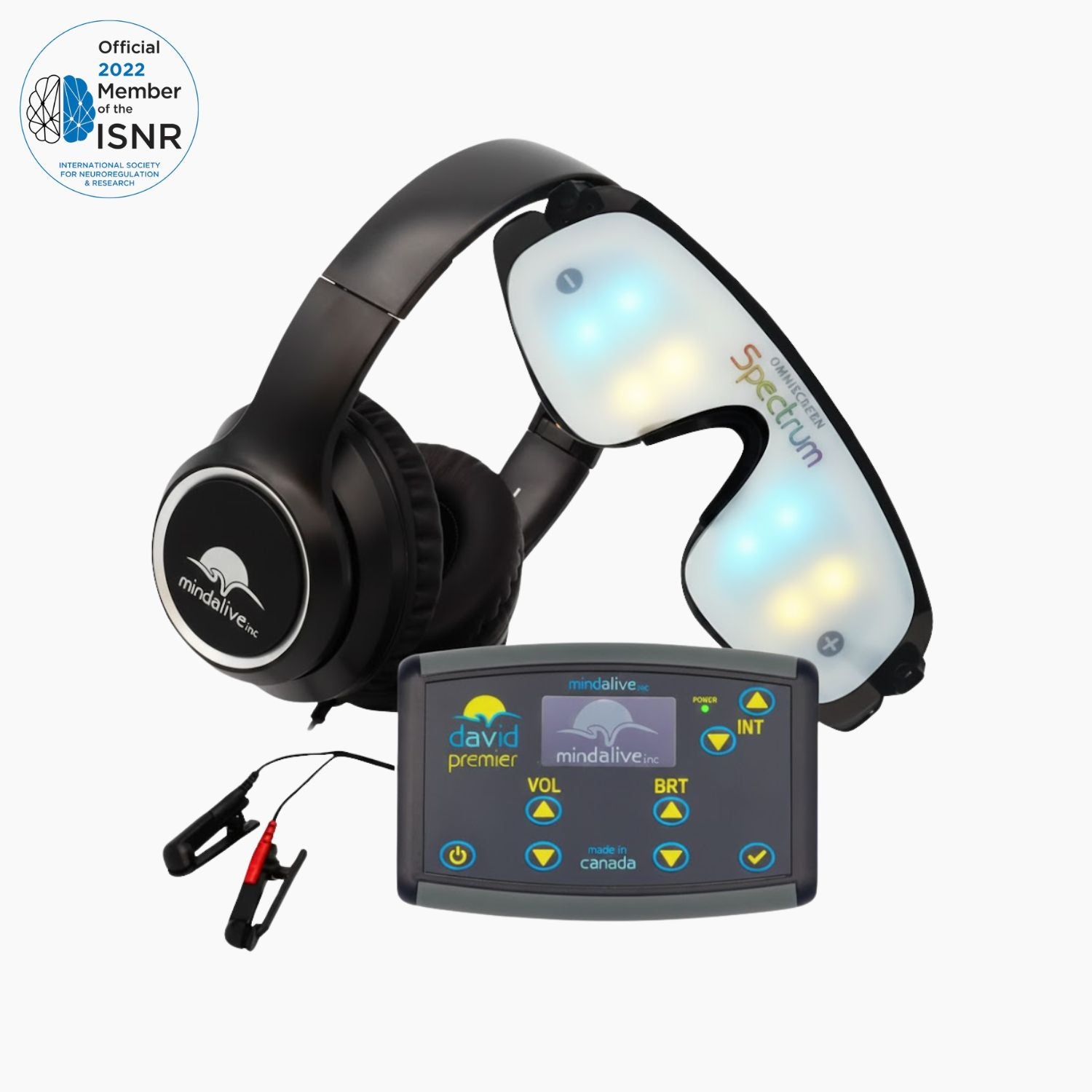
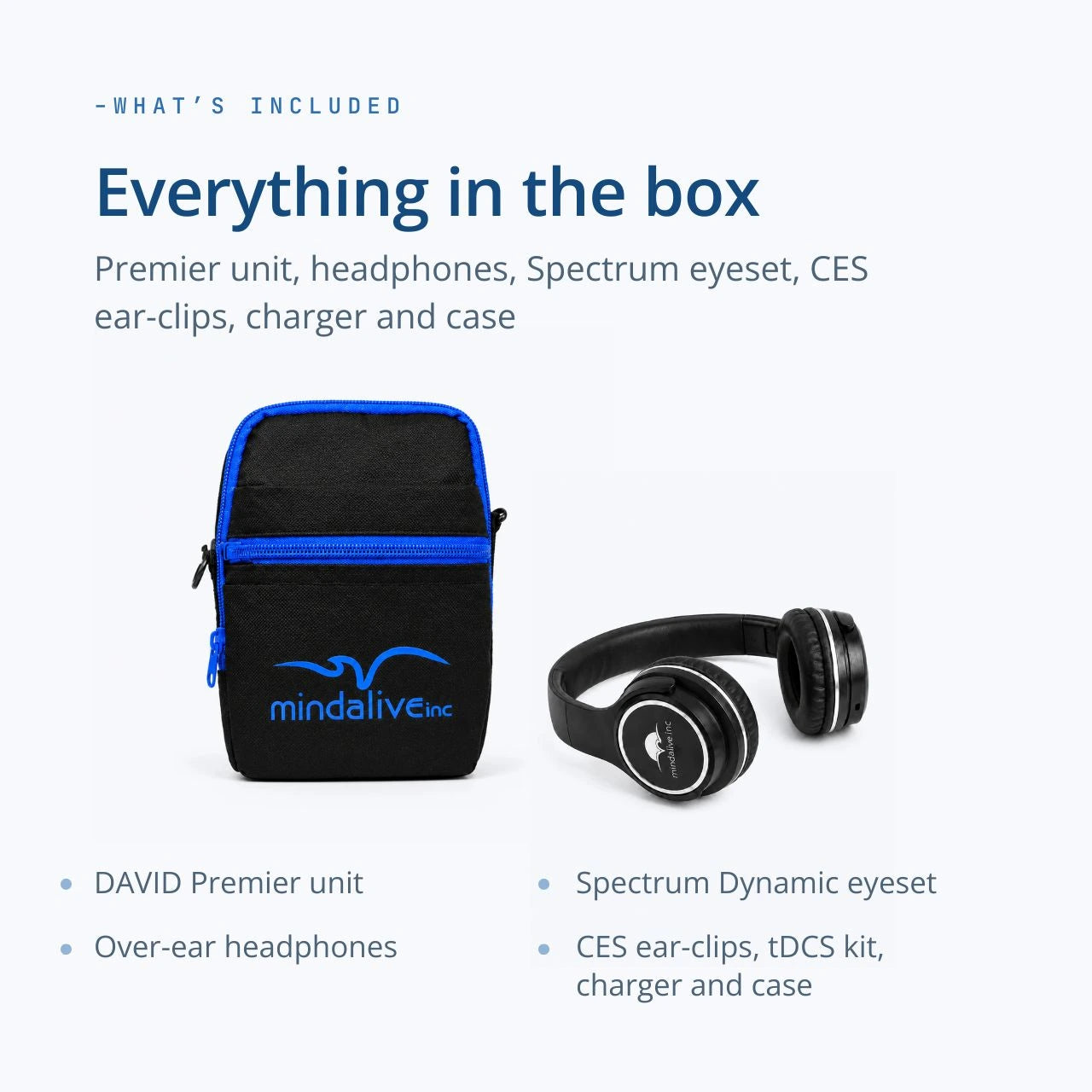
- Audio-visual entrainment (AVE): Uses pulsing light and sound to gently guide the brain toward a theta target frequency.
For many users, these approaches make it easier and faster to reach a recognizable meditative state, even if they struggle with traditional “eyes closed, sit still and breathe” instructions.
How Theta Waves Influence Sleep Patterns
Theta waves play a key role in transitions between wakefulness and sleep. They are especially prominent:
- During drowsiness and the onset of sleep
- In lighter non-REM stages
- Throughout REM sleep, where vivid dreaming occurs
REM Sleep and Emotional Processing
REM sleep, rich in theta activity, supports emotional processing and memory consolidation. This is one reason why a single bad night of sleep can affect mood, stress tolerance, and cognitive performance the next day.
Sleep Quality Enhancement
Theta-focused entrainment in the evening can help the brain let go of high beta activity (work, screens, stimulation) and slide more naturally into the sleep cycle. Many users report falling asleep faster and experiencing a smoother night when they combine:
- Theta or delta AVE sessions
- Reduced blue light exposure
- Consistent bedtime routines
Unlocking Creativity Through Theta States
Theta waves are strongly associated with creative thinking, “aha” insights, and non-linear problem-solving. In theta, the brain relaxes some of the filters that normally constrain thought, allowing novel combinations and associations to surface.
Theta and the Creative Flow
Artists, writers, and innovators have long described entering a “flow” state where time disappears and ideas seem to arrive on their own. EEG research suggests that such states often involve changes in theta and alpha patterns, reflecting deep absorption and reduced self-criticism.
Memory Enhancement and Learning Capabilities
Theta rhythms are heavily involved in learning and memory—especially in the hippocampus. During both waking and sleep, theta helps:
- Encode new information into memory
- Link experiences together in meaningful ways
- Replay and consolidate learning during rest
Information Processing and Long-Term Memory
| Memory Type | Typical Duration | Role of Theta |
|---|---|---|
| Working / Short-Term Memory | Seconds to minutes | Supports focusing, encoding, and initial organization of information. |
| Long-Term Memory | Days to lifetime | Helps consolidate and stabilize memories, especially during sleep and rest. |
By improving sleep, reducing stress, and directly supporting hippocampal activity, theta-focused practices can indirectly support better learning outcomes and recall.
The Role of Theta Waves in Spiritual Practices
Many spiritual and contemplative traditions implicitly target theta states, even when they never mention neuroscience. In theta-rich practices, people often report:
- A sense of inner guidance or intuition
- Loss of rigid boundaries between “self” and “world”
- Access to deeper emotional or symbolic material (images, memories, insights)
Whether approached in secular or spiritual terms, the theta state can be a powerful context for self-reflection, personal growth, and value clarification.
Using Technology to Harness Theta Waves
Modern neurotechnology offers several ways to gently encourage theta activity:
- Binaural beats: Theta-range beats can make it easier to slip into a drowsy, creative, or meditative state.
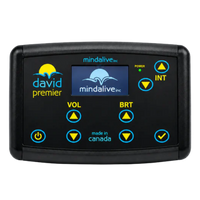
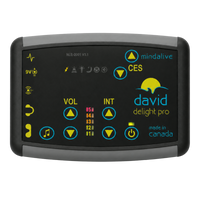
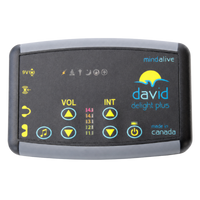
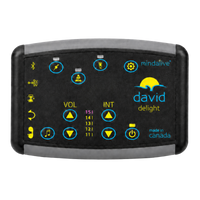
- Audio-visual entrainment (AVE): Light-and-sound devices use flicker and pulse patterns to guide brain activity toward a target frequency, including theta.
- CES (cranial electrotherapy stimulation): Low-level currents applied across the head can support relaxation and mood, pairing well with theta AVE sessions.
- Neurofeedback: Systems that train users to increase theta under specific conditions for learning, creativity, or relaxed focus.
Natural Methods to Increase Theta Wave Activity
Technology is helpful, but you can also cultivate theta states naturally:
Meditation and Mindfulness
Regular meditation is one of the most reliable ways to increase theta. Even 10–20 minutes per day of breath-focused practice or body scan can gradually train the brain to access theta more easily.
Yoga, Tai Chi, and Gentle Movement
Slow, mindful movement practices combine physical relaxation with focused attention—an ideal recipe for theta. Many people notice a meditative, “floaty” state after longer sessions.
Creative Pursuits
Immersing yourself in music, writing, painting, or design can naturally shift your brain into a theta-heavy flow. The key is deep engagement with minimal distraction.
The Relationship Between Theta Waves and Intuition
Theta states are often described as intuitive. In theta, cognitive filters loosen just enough for subtle signals—gut feelings, pattern recognition, emotional cues—to become more noticeable. Over time, learning to listen to these signals can enhance decision-making and self-trust.
Common Misconceptions About Theta Waves
Scientific Evidence vs. Popular Beliefs
There is solid research linking theta to memory, sleep, and relaxation, but some popular claims go beyond the evidence. Theta waves are not a magic “manifest anything instantly” frequency. They are a natural and important part of healthy brain function, best viewed as one tool in a broader toolkit.
Understanding Limitations and Expectations
Even powerful tools have limits. Theta entrainment won’t replace medical care, therapy, or lifestyle fundamentals like nutrition, movement, and social support. It works best as a supportive layer that enhances what you’re already doing for your health and growth.
Conclusion
Theta brain waves offer a unique blend of deep calm, emotional processing, creativity, and cognitive support. By understanding what theta is—and how to access it through meditation, lifestyle habits, and entrainment technologies—you can integrate theta-based practices into your daily life in a grounded, realistic way.
Used consistently and wisely, theta states can support better sleep, more resilient mental health, richer creativity, and a deeper connection with your own inner world.
FAQ
What are theta brain waves and what is their frequency range?
Theta waves are brain oscillations in the 4–8 Hz range. They are linked to deep relaxation, meditation, creativity, intuition, and memory processing.
How are theta waves unique compared to other brain waves?
Theta waves sit between slow delta and faster alpha/beta states. They support drowsiness, meditation, emotional integration, and creative insight—functions not as strongly associated with other bands.
What are the benefits of theta waves for deep relaxation and mental health?
Accessing theta states can reduce stress and anxiety, improve emotional regulation, and leave you feeling calmer and more centered. Over time, this can support overall mental well-being.
How do theta waves influence meditation and spiritual practices?
Theta activity is common in deeper meditation and many contemplative practices. People often report increased inner peace, intuitive guidance, and a stronger sense of meaning when in theta-rich states.
What is the role of theta waves in sleep patterns and memory formation?
Theta waves help bridge wakefulness and sleep, support REM dreaming, and play a key role in consolidating memories—especially when paired with healthy sleep habits.
How can theta waves enhance creativity and intuition?
Because theta loosens rigid thinking patterns, it can help you see new connections, generate fresh ideas, and tune into intuitive insights that are easy to miss in fast beta states.
What are the different ways to harness the benefits of theta waves?
You can explore theta through meditation, mindfulness, yoga, creative work, binaural beats, AVE devices, and CES (under appropriate guidance). Combining methods often works best.
Are there any common misconceptions about theta waves?
Yes. Theta waves are powerful but not magical. They are not a substitute for medical or psychological care and should be viewed as a complementary support, not a cure-all.