

How to Activate Theta Brain Waves (2026 Guide)
Yrian Brugman
Brainwaves · Theta State
A practical, research-informed 2026 guide on how to activate theta brain waves safely and naturally.
For meditators, wellness practitioners, clinicians, and individuals seeking deeper relaxation, creativity, emotional balance, and smoother sleep transitions.
How to Activate Theta Brain Waves
Theta brain waves (4–7 Hz) are associated with deep relaxation, creativity, meditation, emotional integration, and the early stages of sleep. Many people search for how to “activate theta” because they want to quiet their mind, improve meditation quality, support sleep, or tap into deeper states of insight and creativity.
This guide explains — clearly and scientifically — how to activate theta brain waves naturally, what the theta state feels like, and which non-invasive tools may support this process.
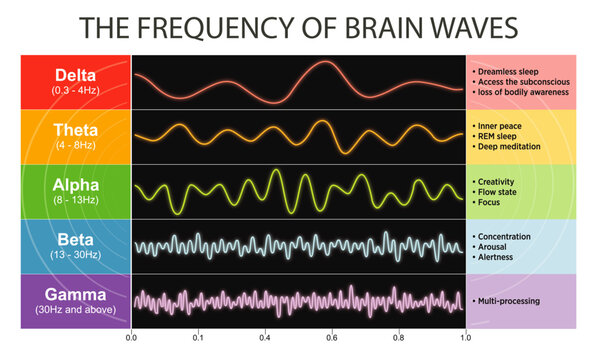
1. What Does It Mean to “Activate” Theta Brain Waves?
Activating theta waves means encouraging the brain to shift into the 4–7 Hz frequency range. This is a natural state — one that the brain already enters multiple times per day during:
- early sleep stages (N1/N2)
- deep meditation
- daydreaming and visualization
- creative “flow” states
- emotional processing and memory integration
When people ask how to activate theta, they usually want to:
- reduce mental chatter
- relax deeply
- enhance creativity or intuition
- prepare for sleep
- deepen meditation or breathwork
- find calm after stress
The good news: theta activation does *not* require complex techniques. It is accessible with simple, repeatable practices.
2. What Theta Waves Do to the Brain
Theta waves shift the brain into a more internally focused, emotionally open state. This supports:
- creativity — new ideas and intuitive connections
- calmness — reduced emotional reactivity
- memory formation — encoding long-term memories
- stress reduction — lowered high-beta activity
- sleep transitions — helping you fall asleep more easily
This is why practices like meditation, visualization, and rhythmic sensory stimulation often feel grounding and restorative — they encourage theta.
For a deeper explanation of all five brainwave bands, see the Brainwave Assessment.
3. How to Activate Theta Brain Waves Naturally
Below are the most effective evidence-informed ways to activate theta rhythm without devices or complex training. Combining several of these methods can strengthen the effect.
1. Slow Breathing (4–6 Breaths per Minute)
Slow, controlled breathing reduces high-beta (stress) activity and creates the neurological conditions for theta. Useful techniques include:
- box breathing (4–4–4–4)
- 4-7-8 breathing
- extended exhale breathing
Breathing is the fastest natural way to influence brainwave balance.
2. Eyes-Closed Meditation
Mindfulness, body scans, and passive awareness meditations naturally boost alpha and theta activity. Theta tends to emerge after 10–20 minutes of consistent practice.
3. Visualization & Guided Imagery
Imagining scenes, colors, or narratives can activate theta-dominant networks involved in creativity and memory.
4. Sitting or Lying in Dim Light
Bright light increases alertness. Dim light helps the brain shift toward internal awareness, which supports theta activation.
5. Gentle Music or Ambient Sound
Low-tempo music (60–80 BPM), drones, or nature sounds can stabilize attention and reduce stress-based brain activity.
6. Journaling or Stream-of-Consciousness Writing
Free writing reduces cognitive load and allows deeper states of reflection — almost always associated with theta activity.
7. Early Sleep Preparation
Reducing sensory stimulation 60 minutes before sleep helps the brain naturally lower its frequency into theta, then delta.

4. Advanced Approaches: How to Induce Theta More Consistently
For people who want reliable, structured theta activation for meditation, sleep, or emotional regulation, several non-invasive technologies may help.
1. Audio-Visual Entrainment (AVE)
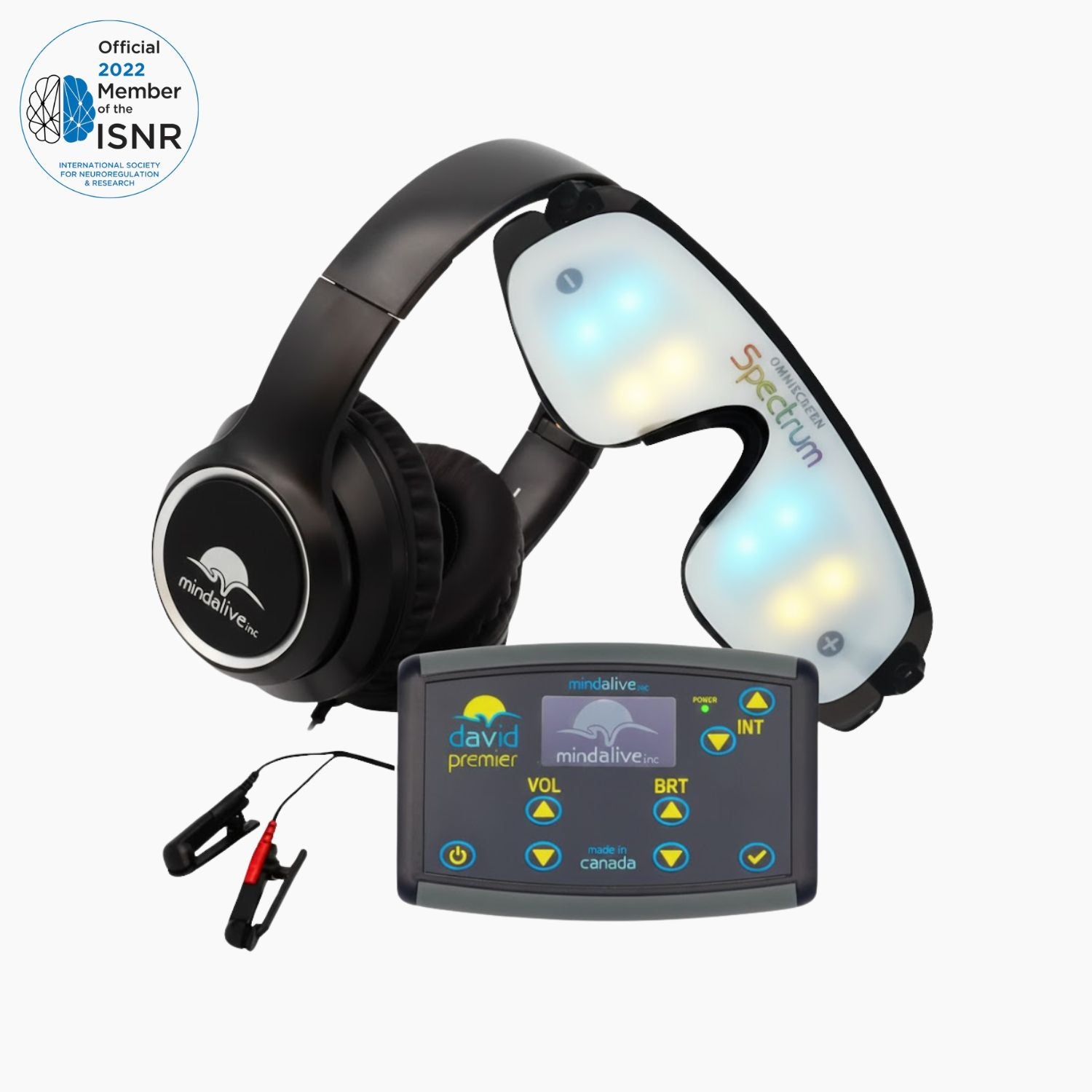
AVE uses rhythmic pulses of light and sound to guide the brain into specific frequency ranges. Programs designed for deep relaxation often include 6–8 Hz patterns (upper theta/lower alpha).
For a scientific explanation: Scientific Studies on AVE & CES
2. Cranial Electrotherapy Stimulation (CES)
CES uses gentle microcurrent to reduce stress baseline and support emotional regulation — making theta more accessible.
3. Neurofeedback
Neurofeedback teaches the brain to increase or regulate theta using real-time EEG feedback.
Learn more: Neurofeedback at Home: Complete Guide
4. Structured Entrainment Devices
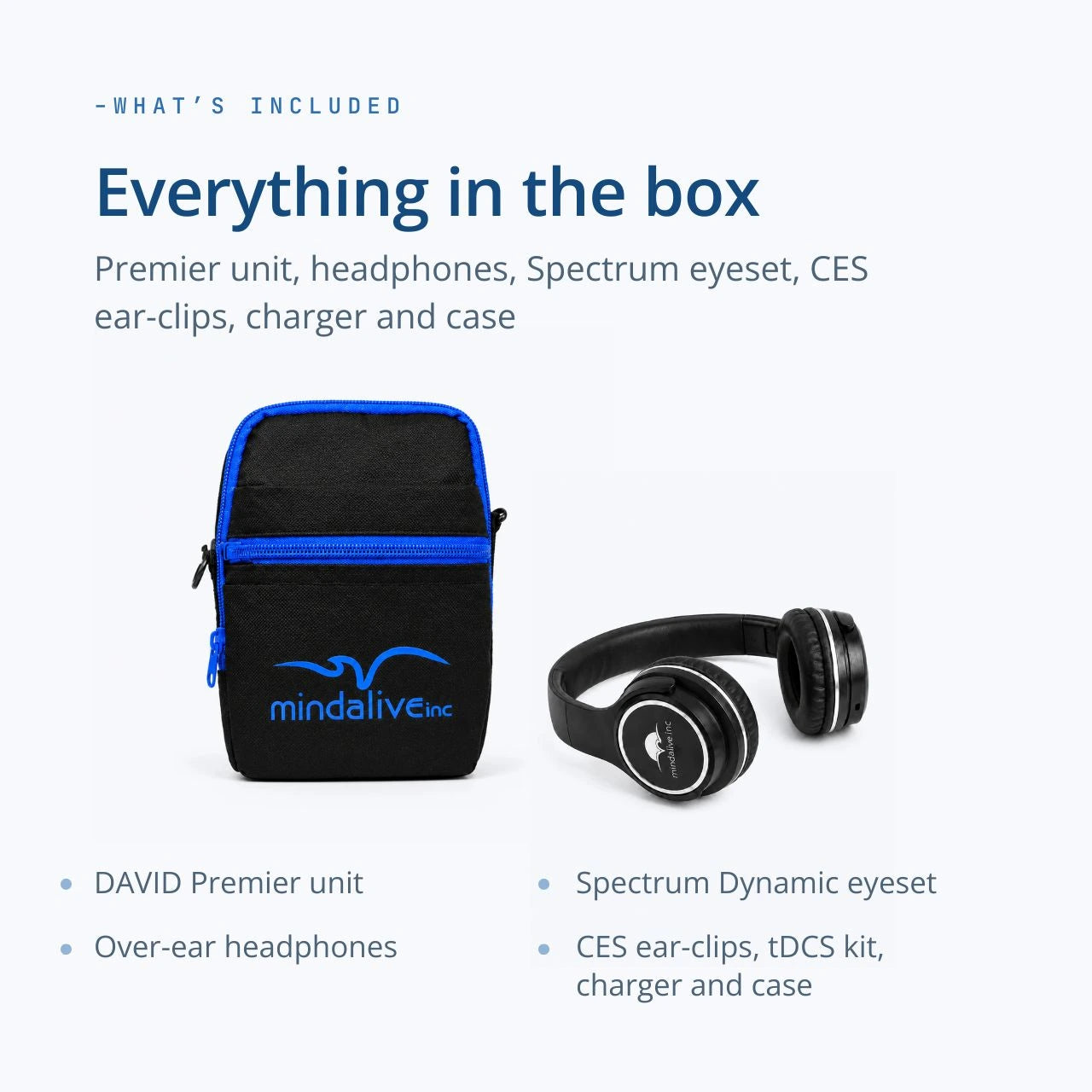
Systems that combine AVE and CES offer guided sessions specifically designed to support alpha/theta relaxation and pre-sleep calm.
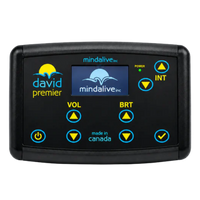
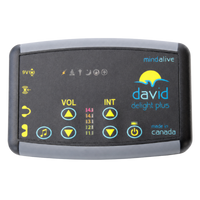
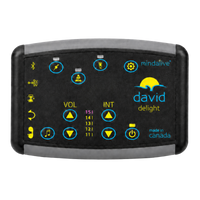
Compare models: Find Your DAVID
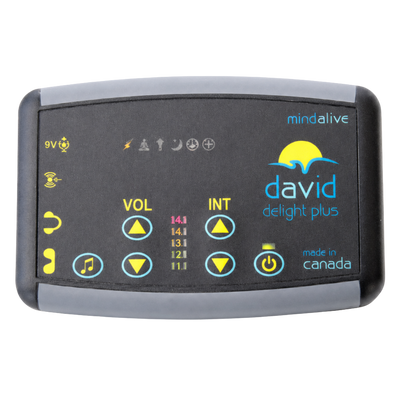
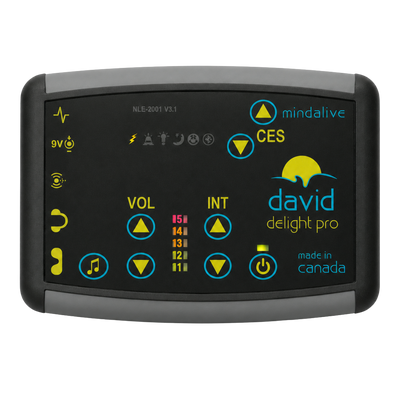
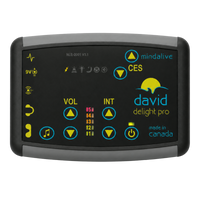
Explore the main device: DAVID Delight Pro
5. What the Theta State Feels Like
People often describe the theta state with words such as:
- “drifting but aware”
- “calm and spacious”
- “dreamlike clarity”
- “quiet mind without effort”
- “insightful and intuitive”
Theta is not sleep — it is a deep inward-facing form of wakefulness.
6. Is It Safe to Activate Theta Waves?
Yes — theta is a normal, healthy, everyday state. You naturally enter theta during meditation, early sleep, and creative thinking. For most people, activating theta is safe.
Caution is advised for individuals with:
- photosensitive epilepsy
- neurological conditions
- complex psychiatric disorders
These individuals should speak with a clinician before using stimulation-based technologies.
7. How Long Does It Take to Enter Theta?
It depends on stress load and experience:
- Deep meditators: often 2–10 minutes
- Moderate meditators: 10–20 minutes
- Beginners: 20–30+ minutes
- People with high stress: sometimes longer without support
Non-invasive entrainment tools can shorten this transition by providing rhythmic guidance.
8. A Sample Theta Activation Routine (10–20 Minutes)
Try this simple routine:
- Dim the lights and sit comfortably.
- Take 10 slow breaths (4 seconds in, 6–8 seconds out).
- Close your eyes and scan the body from head to toe.
- Imagine a soft, warm color gently expanding in your mind.
- Allow thoughts to drift without analyzing them.
- Optional: Play soft ambient sound or use an AVE session.
The goal is not to “force” theta — but to create conditions where the brain can naturally shift downward.
Explore Structured Theta Support
If you want to deepen your meditation, improve your sleep transitions, or explore natural entrainment, learn about the DAVID systems below.
Discover AVE Systems