

Binaural Beats: Are they safe?
Mind AliveBrain Health · Sound Therapy
Binaural beats are everywhere — on YouTube, Spotify playlists, and wellness apps. They’re promoted as a way to improve sleep, focus, relaxation, and anxiety. But along with the popularity, questions come up: are binaural beats safe? Can they damage your brain? And are they truly effective for sleep and anxiety?
What Are Binaural Beats?
Binaural beats occur when each ear receives a slightly different tone. The brain detects the difference and creates a perceived beat. This effect is called binaural audio. For example, one ear hears 200 Hz and the other 210 Hz — the brain synchronizes to a perceived beat of 10 Hz.
These frequencies are thought to align with brainwave states:
- Delta (0.5–4 Hz): deep, restorative sleep.
- Theta (4–8 Hz): relaxation, meditation, dreamlike states.
- Alpha (8–12 Hz): calm but alert focus.
- Beta (12–30 Hz): active concentration and problem solving.
Are Binaural Beats Safe?
In general, binaural beats are safe for most people. They do not involve electrical stimulation — just sound delivered through headphones. Reported benefits include stress reduction, improved sleep, and enhanced focus. But safety depends on mindful use:
- Keep volume comfortable to avoid ear strain.
- Limit sessions to 15–30 minutes, especially for beginners.
- Do not use while driving or operating machinery.
- People with epilepsy or seizure disorders should avoid binaural beats combined with flashing lights.
Can Binaural Beats Damage Your Brain?
There is no evidence that binaural beats cause brain damage. Studies suggest they gently nudge brain rhythms rather than forcing them. Users sometimes report mild headaches or dizziness, but this usually comes from volume or session length, not from the beats themselves.
Unlike invasive treatments, binaural audio doesn’t alter brain tissue or cause dependency. In fact, research indicates possible positive changes, including reduced cortisol (stress hormone) and improved emotional regulation.
Explore Safe Brain Training
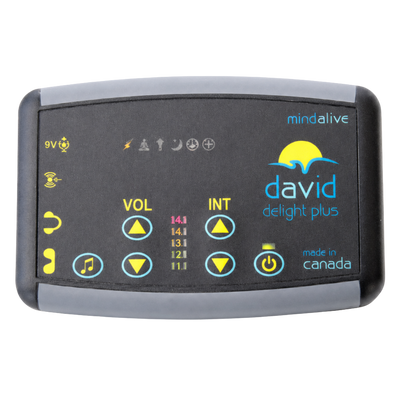
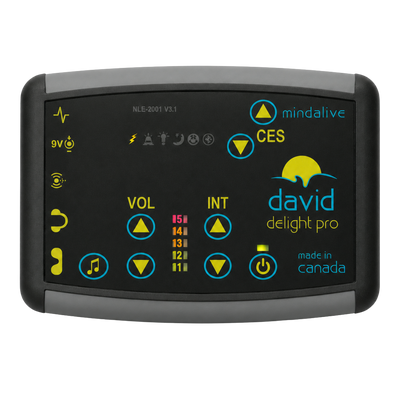
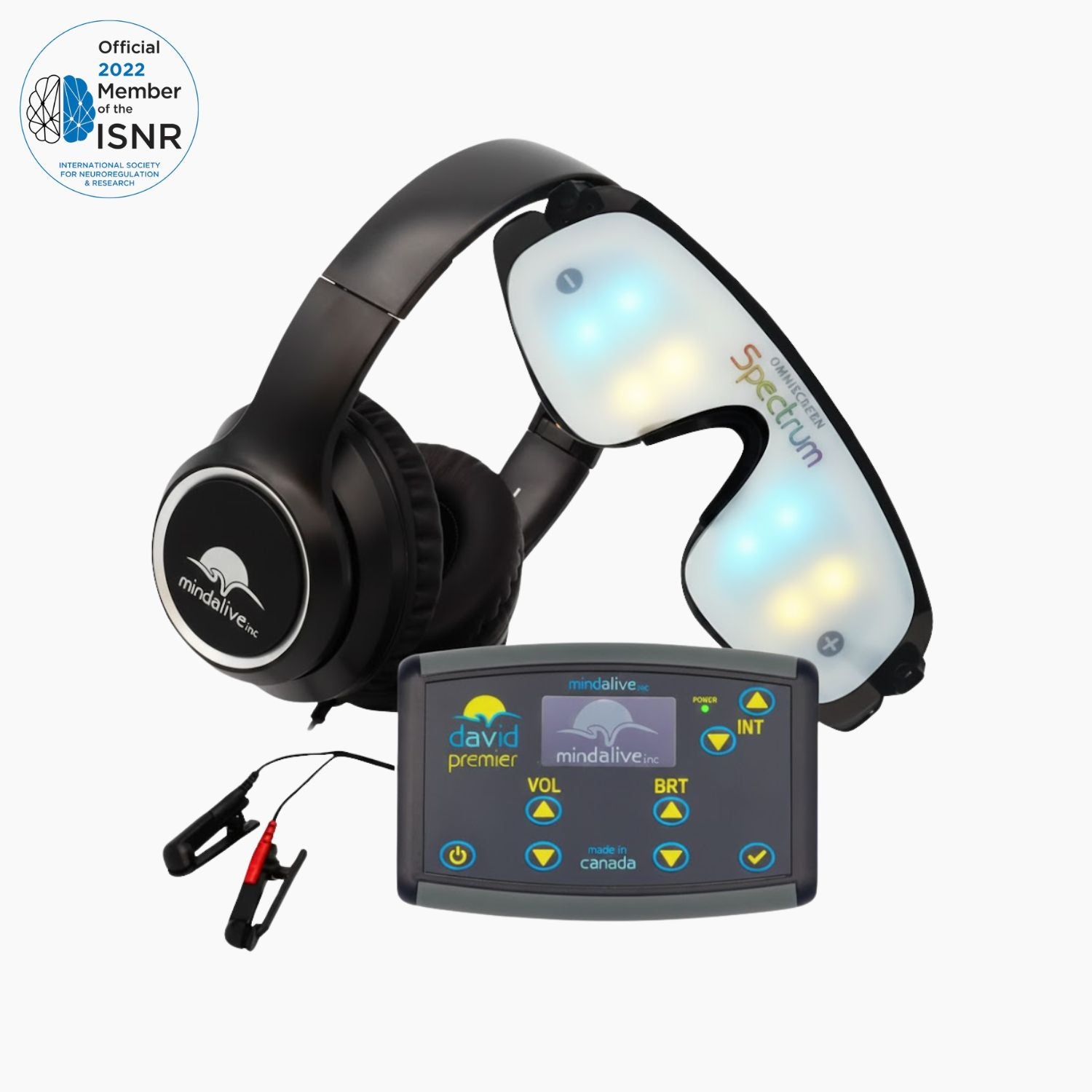
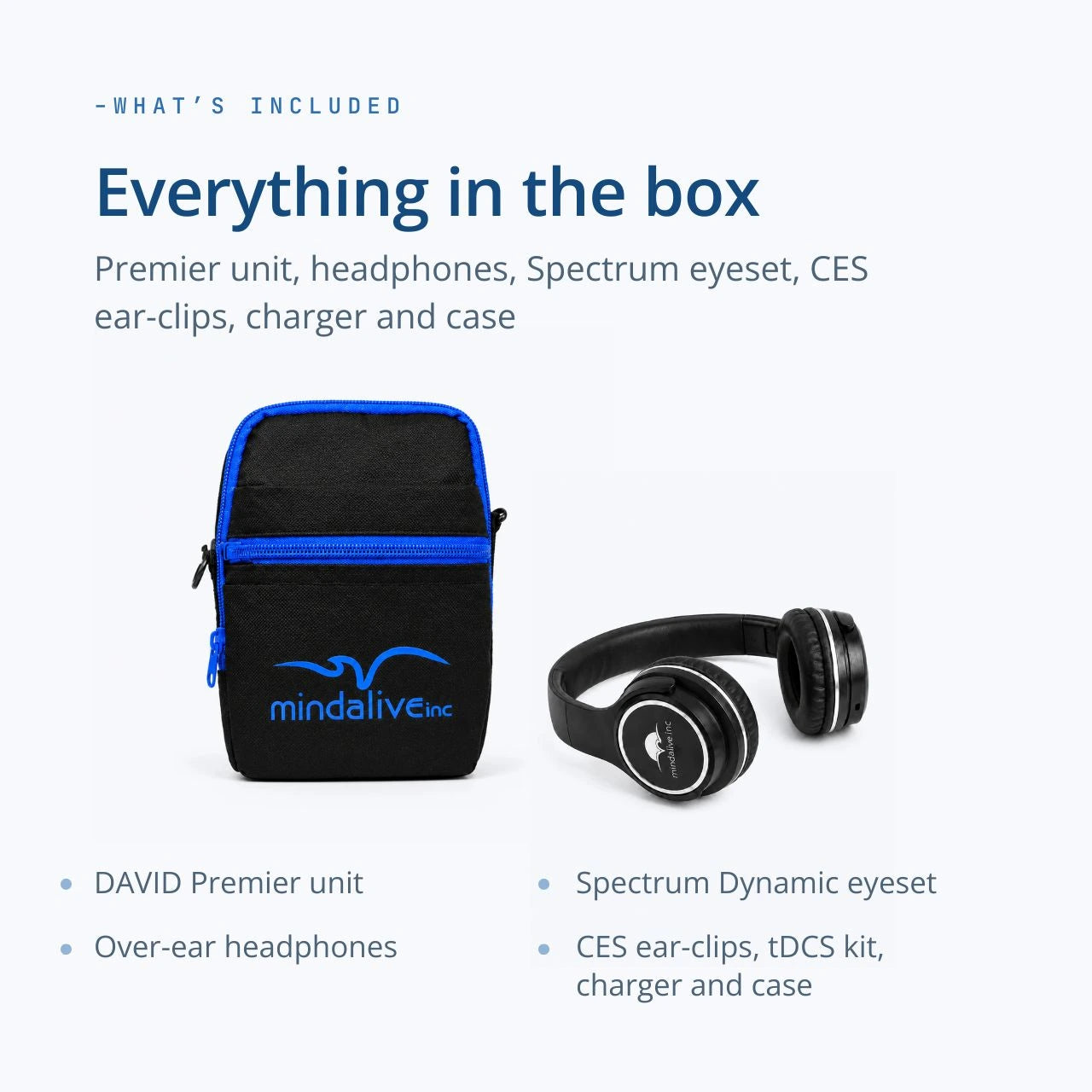
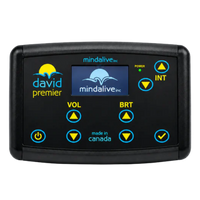
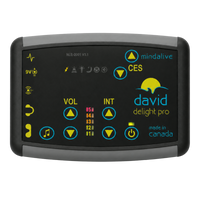
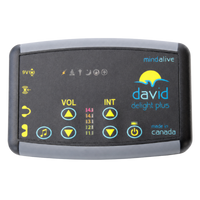
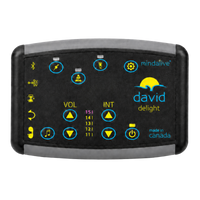
Curious about using sound and light safely for sleep, anxiety, and focus? MindAlive’s DAVID devices combine binaural audio with light to guide your brain into healthier states.
Find Your DeviceBinaural Beats and Sleep
One of the most popular uses is binaural beats for sleep. Studies suggest listening to delta or theta frequencies before bed can help:
- Reduce the time it takes to fall asleep.
- Enhance deep sleep cycles important for recovery and memory.
- Calm the nervous system and reduce bedtime anxiety.
Unlike sleeping pills, binaural audio carries no risk of dependency. Many people describe it as “a natural lullaby for the brain.”
Binaural Beats for Anxiety
Anxiety often involves overactive beta waves. Binaural beats in alpha or theta ranges may promote balance. Early research shows promising effects, such as:
- Reduced pre-surgery anxiety in hospital patients.
- Lower stress levels in students before exams.
- General relaxation for people with mild to moderate anxiety.
Though not a cure, they can be a supportive tool alongside therapy, mindfulness, or exercise.
How to Use Binaural Beats Safely
If you’re starting out, here are some practical guidelines:
- Use headphones: they are essential for the effect.
- Start small: 10–15 minutes per session is enough to notice an effect.
- Choose your frequency: delta/theta for sleep, alpha for relaxation, beta/gamma for focus.
- Combine with routine: many people use binaural audio during meditation, bedtime, or study sessions.
Try MindAlive’s Pre-Set Programs
Not sure which frequency to choose? MindAlive’s DAVID systems include safe, pre-programmed sessions for sleep, relaxation, and anxiety support.
Find Your DeviceFrequently Asked Questions
Are binaural beats safe to listen to every night?
Yes, they are generally safe for daily or nightly use. Just keep volume moderate and sessions comfortable.
Can binaural beats replace therapy or medication?
No. They can support mental health but should not replace professional treatment.
Do binaural beats really rewire the brain?
They don’t “rewire” in a permanent sense, but they can encourage the brain to adopt healthier rhythms over time, similar to meditation practice.
Final Thoughts
Binaural beats are more than a trend — they’re a low-risk way to explore brain health. While not a miracle cure, they offer safe support for sleep, anxiety, and relaxation. The science is still growing, but early evidence is promising, and thousands of people use them daily with positive results.
Ready to Experience Binaural Audio?
MindAlive has been developing safe, science-based devices for over 35 years. Explore how our DAVID systems can support your sleep, focus, and mental well-being.
Find Your Device