

The Brainwave Patterns Behind Chronic Pain
Mind Alive
 Why Your Body Keeps Hurting
Chronic pain is rarely just about the body. Many people spend years treating muscles, nerves, joints, or inflammation — but still live with burning, aching, throbbing, or diffuse pain that seems to move, linger, or worsen without a clear physical cause.
What’s rarely explained is that pain is both a physical and neurological experience. When brainwave patterns get stuck in certain rhythms associated with threat and hypervigilance, the nervous system can amplify or maintain pain signals even after the original injury or trigger has resolved.
Why Pain Becomes Chronic
Acute pain is a warning system — it protects you. But chronic pain is different. Over time, repeated stress, trauma, inflammation, or injury can condition the brain to stay in a heightened protective mode. The body may start generating pain even when there’s no ongoing tissue damage.
This is not imaginary. It’s not psychological. It’s a real physiological loop driven by a nervous system stuck in high-alert rhythms.
Chronic pain often continues not because the body is damaged, but because the nervous system remains alarmed.
When the Nervous System Won’t Downshift
Pain intensifies when the brain is in a “threat-ready” state. These states are supported by fast, high-frequency brainwaves associated with vigilance and sensory amplification. This makes the system more sensitive to signals that wouldn’t normally register as pain.
Over time, this can lead to:
- pain that spreads or migrates
- pain that appears without a clear physical trigger
- muscle guarding and stiffness
- oversensitivity to touch or temperature
- exhaustion or sleep problems due to pain
- heightened emotional response to discomfort
The nervous system essentially becomes “overtrained” to detect and amplify pain — a process called central sensitization.
Why Traditional Treatments Often Don’t Fully Resolve the Pain
Physical therapy, medication, stretching, heat, ice, and rest all help — but many people still report:
“The pain returns the moment I stop treatment.”
“Everything looks normal on scans, but I still hurt.”
“The pain moves, shifts, or lingers for no reason.”
These experiences are often signs of a nervous system stuck in protective mode. The body has healed — but the brainwave patterns associated with pain haven’t.
The Brainwave Patterns Common in Chronic Pain
Research shows that chronic pain is associated with disruptions in the balance between fast and slow brainwave activity. In simple terms:
| Brainwave Pattern | Normal Role | When Dysregulated | How It Feels |
|---|---|---|---|
| High Beta | Alertness, sensory monitoring | Becomes excessive and persistent | Amplified pain, scanning for threat, tension |
| Alpha | Relaxation, inhibition of pain signals | Too low or inconsistent | Hard to relax, pain feels more “sharp” |
| Theta | Emotional processing, recovery | Disrupted by stress and hyperarousal | Poor sleep, pain that worsens at night |
| Delta | Deep restorative sleep, tissue repair | Reduced deep sleep | Morning stiffness, slow healing, fatigue |
When these rhythms fall out of balance, the nervous system becomes oversensitive and overprotective.
Why Pain Persists Even When Life Calms Down
Many people with chronic pain say:
- “I’m not stressed, but my body acts like I am.”
- “The pain doesn’t match what’s happening in my life.”
- “Even on calm days, everything feels tight or sore.”
This happens because chronic pain can become a conditioned brain-state. The nervous system’s baseline has shifted. Without retraining the underlying rhythms, the system often cannot reset on its own.
Why Binaural Beats Rarely Create Enough Change
Audio-only signals can provide mild relief but are typically too weak to shift deeply ingrained protective patterns. Chronic pain often requires a stronger, clearer cue that the brain can follow into calmer, restorative states.
The nervous system needs structured guidance — not subtle hints.
A More Effective Approach: Structured Brainwave Entrainment
The brain has a natural synchronizing mechanism called the frequency-following response. When presented with rhythmic light and sound stimulation, it can gradually shift out of defensive patterns and into calmer, safer states.
When done consistently, this can support:
- reduced pain sensitivity
- better sleep (crucial for pain recovery)
- lower muscle tension
- more emotional resilience
- a calmer baseline in the nervous system
The DAVID Premier: Helping the Nervous System Break the Pain Loop
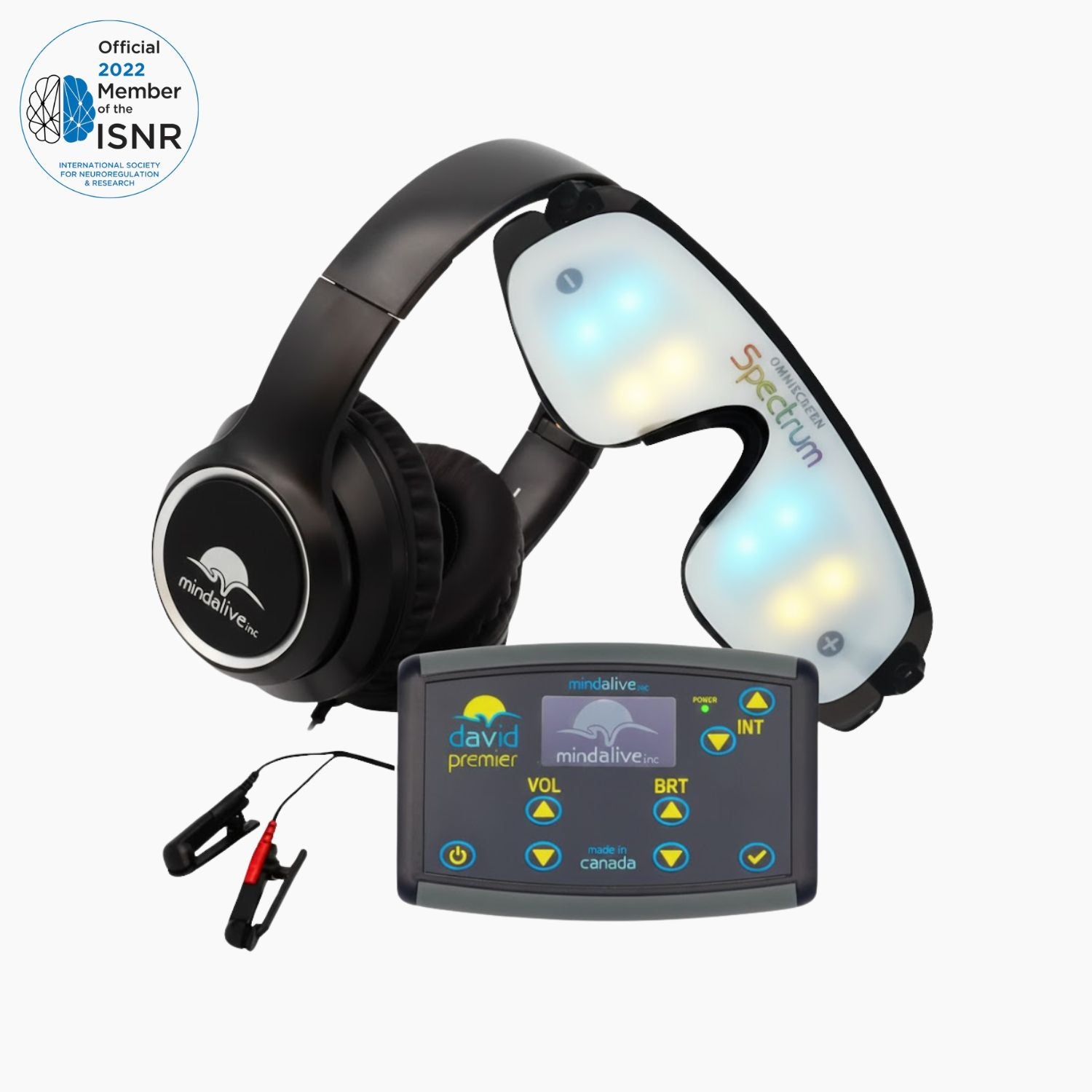
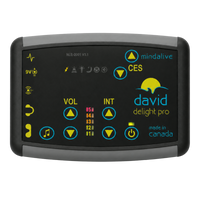
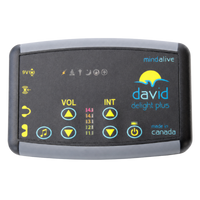
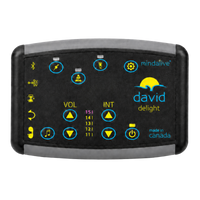
The DAVID Premier uses synchronized light and sound frequencies in goal-based protocols designed to guide the brain into restorative rhythms. By supporting alpha, theta, and delta activity, it helps the nervous system reduce hypervigilance and pain amplification.
It does not replace medical care or physical therapy — it enhances recovery by addressing the neurological patterns that keep pain alive.
Many users report:
- less tension and muscle guarding
- improved sleep and morning comfort
- lower baseline pain levels
- deeper relaxation during the day
- a system that finally feels like it can “let go”
Chronic pain is not “all in your head.” But the brain is involved — and supporting its rhythms can change everything.
Explore DAVID Premier