




The Brainwave Patterns Behind Neurodegenerative Disorders
Mind AliveWhy the Nervous System Slowly Loses Stability
Neurodegenerative disorders — including Alzheimer’s, Parkinson’s, Lewy Body dementia, frontotemporal degeneration and related conditions — are typically described as issues of cell death, plaque buildup, or dopamine loss. But behind the biological mechanisms is a deeper layer: these disorders fundamentally disrupt brainwave rhythms.
As neural networks deteriorate, the timing mechanisms that coordinate thinking, memory, movement, mood, and sleep begin to fail. This rhythm breakdown is one of the clearest indicators of functional decline — and one of the earliest.
Why Neurodegenerative Symptoms Progress the Way They Do
People often notice a gradual collection of symptoms over the years:
- difficulty recalling recent events
- slower thinking and decision-making
- changes in personality or emotional tone
- fragmented sleep
- movement stiffness or tremors
- reduced stress tolerance
- increasing fatigue
While each disorder has unique biological roots, they share one core feature: they destabilize the electrical rhythm system of the brain.
The brain doesn’t decline all at once.
It declines in rhythms — losing stability, speed, clarity, and coordination over time.
The Brainwave Patterns Most Affected by Neurodegeneration
Cognitive and neurological decline show predictable brainwave shifts long before severe symptoms appear.
| Brainwave Pattern | Healthy Role | Disruption in Neurodegeneration | How It Feels |
|---|---|---|---|
| Alpha | Calm clarity, working memory, sensory integration | Significantly reduced or unstable | Mental fog, confusion, difficulty processing information |
| Beta | Problem-solving, focused thinking, movement planning | Slowed or fragmented | Difficulty focusing, slower response times, movement issues |
| Theta | Memory formation, emotional integration | Disorganized or excessively dominant | Emotional instability, memory lapses, dreamlike confusion |
| Delta | Deep sleep, healing, immune support | Severely disrupted sleep cycles | Nighttime agitation, exhaustion, poor healing |
These disruptions help explain why cognitive, emotional, and physical symptoms often appear together.
Why Sleep Plays a Critical Role in Progression
Deep sleep is where the brain clears metabolic waste, consolidates memory, and repairs neural pathways. But neurodegenerative disorders severely reduce slow-wave (delta) activity. Without deep sleep, degeneration accelerates — and symptoms worsen:
- faster cognitive decline
- greater inflammation
- poor emotional regulation
- slower recovery from illness
Improving sleep rhythms can dramatically improve quality of life, even if the disorder itself cannot be reversed.
Why Stress Makes Symptoms Worse
Stress increases high-beta activity and cortisol levels. In neurodegenerative disorders, the nervous system struggles to regulate this properly, leading to:
- agitation or irritability
- worsening tremors or stiffness
- disorientation
- memory impairment
Calming the high-beta “threat mode” is essential for stabilizing daily function.
Why Binaural Beats Are Usually Ineffective
Binaural beats rely on precise auditory integration — a process that weakens as neurodegenerative conditions progress. The brain simply can’t follow subtle auditory cues reliably enough.
People with neurodegenerative disorders need a stronger, clearer, multimodal signal to support rhythm stabilization.
A More Effective Path: Structured Brainwave Entrainment
Multimodal entrainment — using synchronized light and sound — helps guide the brain toward more stable and healthy rhythms. Even when cognitive decline is present, the brain’s capacity for rhythm-following remains surprisingly strong.
Benefits can include:
- improved calmness and emotional stability
- better sleep quality and nighttime orientation
- slower mental fatigue
- more consistent daytime clarity
- reduced agitation and restlessness
It does not cure neurodegenerative disorders — but it can support the parts of the nervous system still capable of stabilizing themselves.
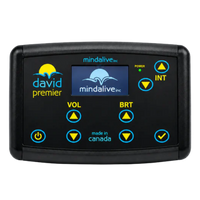
The DAVID Premier: Supporting Rhythm Stability in Neurodegenerative Disorders
The DAVID Premier uses structured light and sound protocols designed to help restore healthier timing to the brain. Relaxation sessions calm high-beta overactivation, alpha sessions support clarity, and sleep programs help rebuild deeper restorative rhythms.
Families and caregivers often describe:
- calmer evenings and reduced agitation
- better sleep and fewer nighttime disturbances
- more stable daily functioning
- improved ability to engage in conversation
- a sense of returning presence or clarity
Neurodegenerative disorders affect biology — but rhythm determines quality of life. Supporting the brain’s rhythms can make everyday life smoother, calmer, and more connected.
Explore DAVID Premier