

The Brainwave Patterns Behind Academic Performance
Yrian BrugmanWhy Focus, Memory, and Motivation Struggle
Many students assume academic difficulties come from poor discipline, laziness, or lack of talent. But neuroscience tells a different story: the biggest challenges in studying, recalling information, staying engaged, and performing under pressure are largely driven by brainwave rhythms.
When these rhythms are unstable — too fast, too slow, or poorly regulated — even highly intelligent students struggle to perform consistently. Academic performance becomes less about ability and more about neurological state management.
Why Students Feel “Capable but Inconsistent”
Students commonly describe:
- good days and bad days with no clear reason
- trouble focusing even when motivated
- mental fatigue after short study sessions
- difficulty remembering what they studied
- feeling overwhelmed during exams
- procrastination despite wanting to succeed
These challenges rarely reflect intelligence. They reflect brainwave patterns that aren’t aligned with the demands of academic work.
Academic success isn’t just about how hard you try.
It’s about whether your brain is in the frequency state that supports learning.
The Brainwave States That Drive Academic Performance
Each phase of studying — from absorbing information to recalling it — relies on specific brainwave frequencies. When these frequencies don’t activate properly, learning becomes harder than it needs to be.
| Brainwave | Role in Learning | Dysregulation Impact | How It Feels |
|---|---|---|---|
| Beta | Active focus, problem-solving, task engagement | Too low or unstable | Inconsistent focus, mental fog, easily distracted |
| Alpha | Absorption of information, calm concentration | Too weak or disrupted | Anxiety while studying, difficulty staying calm |
| Theta | Memory encoding & integration | Underactive or blocked by stress | Information “not sticking,” poor recall |
| Delta | Restorative sleep for memory consolidation | Shallow sleep or frequent waking | Morning fog, poor retention, emotional instability |
When these rhythms fall out of sync, studying becomes inefficient and exhausting — even for students who work hard.
Why Stress and Academic Pressure Make Everything Worse
Under pressure, the brain often shifts into high-beta “survival mode.” This blocks alpha and theta — the frequencies needed for calm focus and memory encoding.
That’s why students experience:
- blanking out on exams
- hyperfocus on irrelevant details
- trouble understanding material under time pressure
- increased mental fatigue
The harder the student tries to force focus, the more the nervous system pushes into stress patterns — the exact opposite of what the brain needs for learning.
The Role of Sleep in Academic Performance
Deep sleep (delta) and dream sleep (REM) are essential for:
- memory consolidation
- problem solving
- creativity
- emotional regulation
- motivation
But students often have irregular sleep schedules, screen exposure late at night, and elevated stress — all of which suppress the very brainwaves needed for restorative sleep.
Poor sleep doesn’t just cause tiredness — it breaks the entire learning cycle.
Why “Study Harder” Doesn’t Work for Many Students
Students often try to fix poor performance with:
- more hours of studying
- stronger coffee
- new planners and schedules
- motivation videos
- rewriting notes or rereading chapters
But if the brain isn’t in the right frequency state, none of these strategies work well. The problem is neurological, not behavioral.
Academic performance improves when the brain is guided into the rhythms that support learning.
Why Binaural Beats Aren’t Enough for Students
Binaural beats can help a little with mild focus or relaxation, but they tend to be too subtle and inconsistent for serious academic performance. They rely only on auditory input — which often isn’t strong enough to shift stressed or dysregulated brain patterns.
A More Effective Path: Structured Brainwave Entrainment
The brain naturally synchronizes with rhythmic stimulation — especially when light and sound are combined. This creates a clear frequency-following response that can support:
- sustained focus and task engagement
- faster mental processing
- better memory encoding
- emotional calm while studying
- restorative sleep for next-day performance
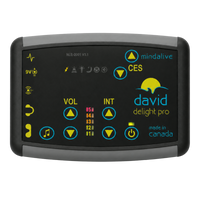
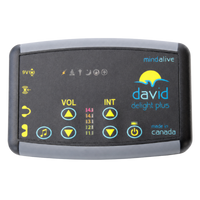
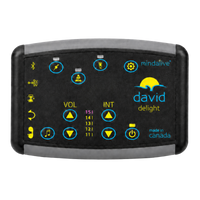
The DAVID Premier: A Tool for Better Focus, Memory, and Academic Outcomes
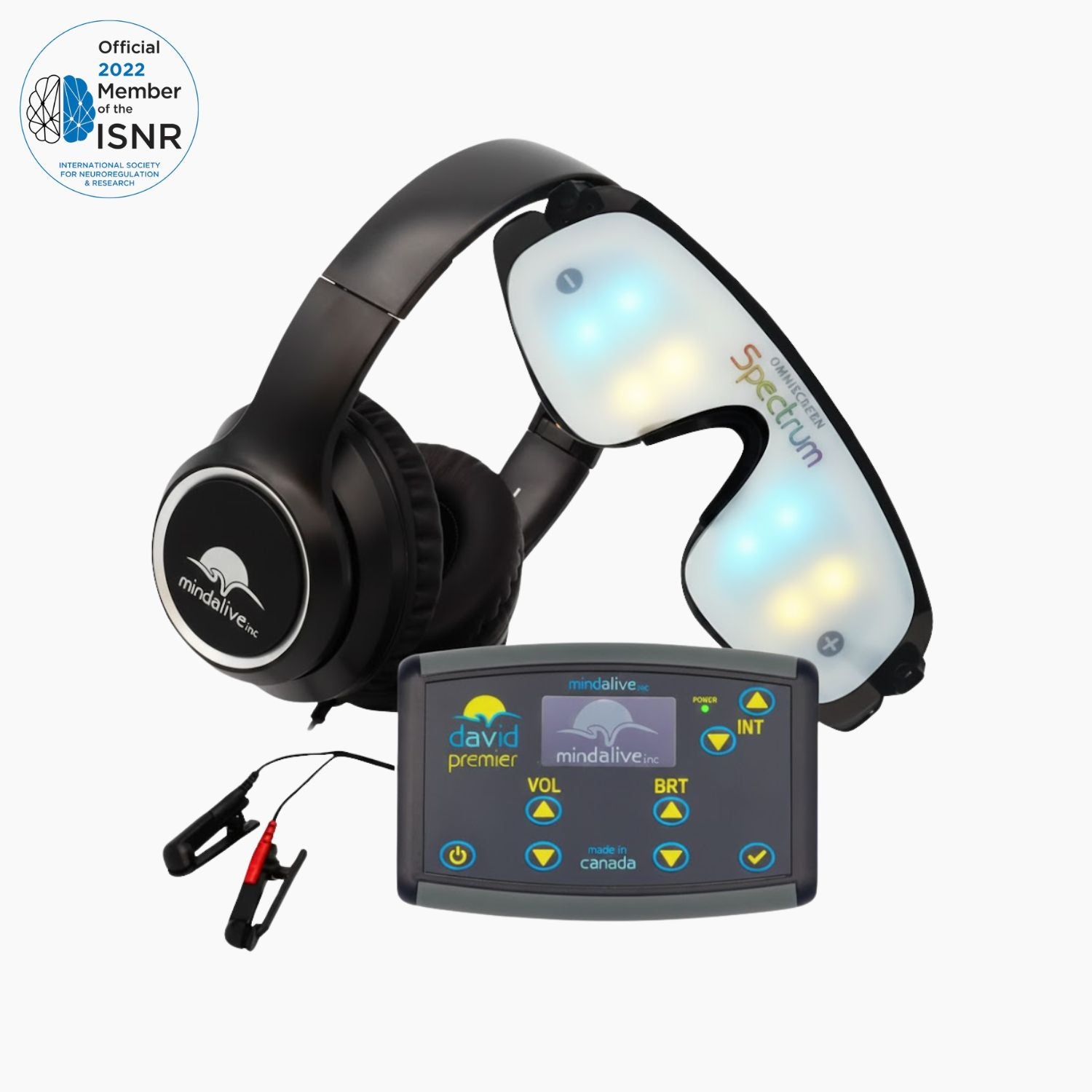
The DAVID Premier uses synchronized light and sound frequencies in structured protocols designed to support the brain states essential for academic success. Sessions help promote relaxed focus, deep absorption, better memory integration, and stronger sleep-related recovery.
It doesn’t replace studying — it makes studying work.
Students using structured entrainment often report:
- longer and more stable focus sessions
- improved recall during tests
- less overwhelm under pressure
- better sleep before exams
- higher motivation and consistency
Academic potential depends on the state of the brain. Supporting the right brainwave rhythms gives students an advantage effort alone cannot provide.
Explore DAVID Premier