

The Brainwave Patterns Behind ADHD
Yrian BrugmanWhy Focus, Motivation, and Calm Feel Harder
ADHD is commonly described as trouble focusing, impulsivity, distractibility, emotional swings, restlessness, or difficulty starting and finishing tasks. But beneath the behaviors is something far more fundamental: ADHD is deeply connected to differences in brainwave rhythm regulation.
People with ADHD aren’t lazy, unmotivated, or undisciplined — their brain operates on a rhythm that makes certain types of focus and regulation significantly harder. Understanding these rhythms can explain why traditional strategies sometimes fall short and why targeted brainwave support can make such a significant difference.
ADHD Is a Disorder of Regulation, Not Ability
People with ADHD often describe:
- high intelligence but inconsistent output
- bursts of hyperfocus followed by crashes
- emotional reactivity or overwhelm
- mental fatigue alongside restlessness
- trouble starting tasks despite wanting to
- sleep problems and inconsistent recovery
This unpredictable pattern isn’t due to lack of effort — it’s due to difficulty regulating transitions between brain states. The ADHD brain often struggles to shift into the frequencies needed for sustained attention, emotional balance, and calm engagement.
ADHD doesn’t mean you can’t focus.
It means you can’t control when focus turns on, how long it stays, or what it locks onto.
The Brainwave Patterns Underlying ADHD
ADHD is associated with characteristic patterns of underactivation and overactivation in different frequency bands. These patterns explain why focus, emotional regulation, and motivation can feel inconsistent or fragile.
| Brainwave Pattern | Normal Role | ADHD-Related Shift | How It Feels |
|---|---|---|---|
| Excess Theta | Creativity, imagination, daydreaming | Too dominant during the day | Mental drifting, distractibility, difficulty sustaining focus |
| Low Beta | Task focus, engagement, cognitive effort | Too low or hard to access | Trouble starting tasks, low motivation, inconsistent performance |
| High Beta Spikes | Alertness, stress response | Sudden bursts due to overwhelm | Anxiety, irritability, emotional impulsivity |
| Alpha Disruption | Calm regulation, switching states | Unstable or poorly regulated | Difficulty relaxing, trouble transitioning tasks |
This combination creates what feels like mental chaos: too much slow-wave drifting when focus is needed, too many fast spikes when calm is needed, and too little stability overall.
Why ADHD Feels Like a “Start–Stop” Brain
Many people with ADHD describe their mind as:
- racing when they want calm
- foggy when they need clarity
- hyperfocused on the wrong thing
- unable to get started even when motivated
These contradictions happen because the brain struggles to shift into the correct rhythm at the correct time. ADHD isn’t a deficit of attention — it’s a deficit of regulation.
Medication Helps — But Doesn’t Always Solve the Whole Picture
Stimulants and non-stimulants can dramatically improve symptoms for many people. They increase neurotransmitter availability and support activation. But many still report:
“It helps me focus, but I still feel scattered.”
“I crash when it wears off.”
“I can concentrate but not relax.”
This happens because medication improves chemistry — but doesn’t always normalize the underlying brainwave rhythms. Some people need a complementary approach that supports the nervous system’s ability to self-regulate.
Why Sleep and ADHD Are Strongly Connected
ADHD is often accompanied by disrupted sleep architecture:
- difficulty falling asleep
- racing thoughts at night
- poor transitions into deep sleep
- daytime fatigue and emotional volatility
Without proper delta and theta cycling at night, daytime ADHD symptoms intensify — because the brain never fully resets or restores neurotransmitter balance.
Why Binaural Beats Rarely Work for ADHD
ADHD brains typically need a stronger and more structured signal to shift rhythms. Audio-only stimuli are often too subtle to break through distractibility or hyperactivation.
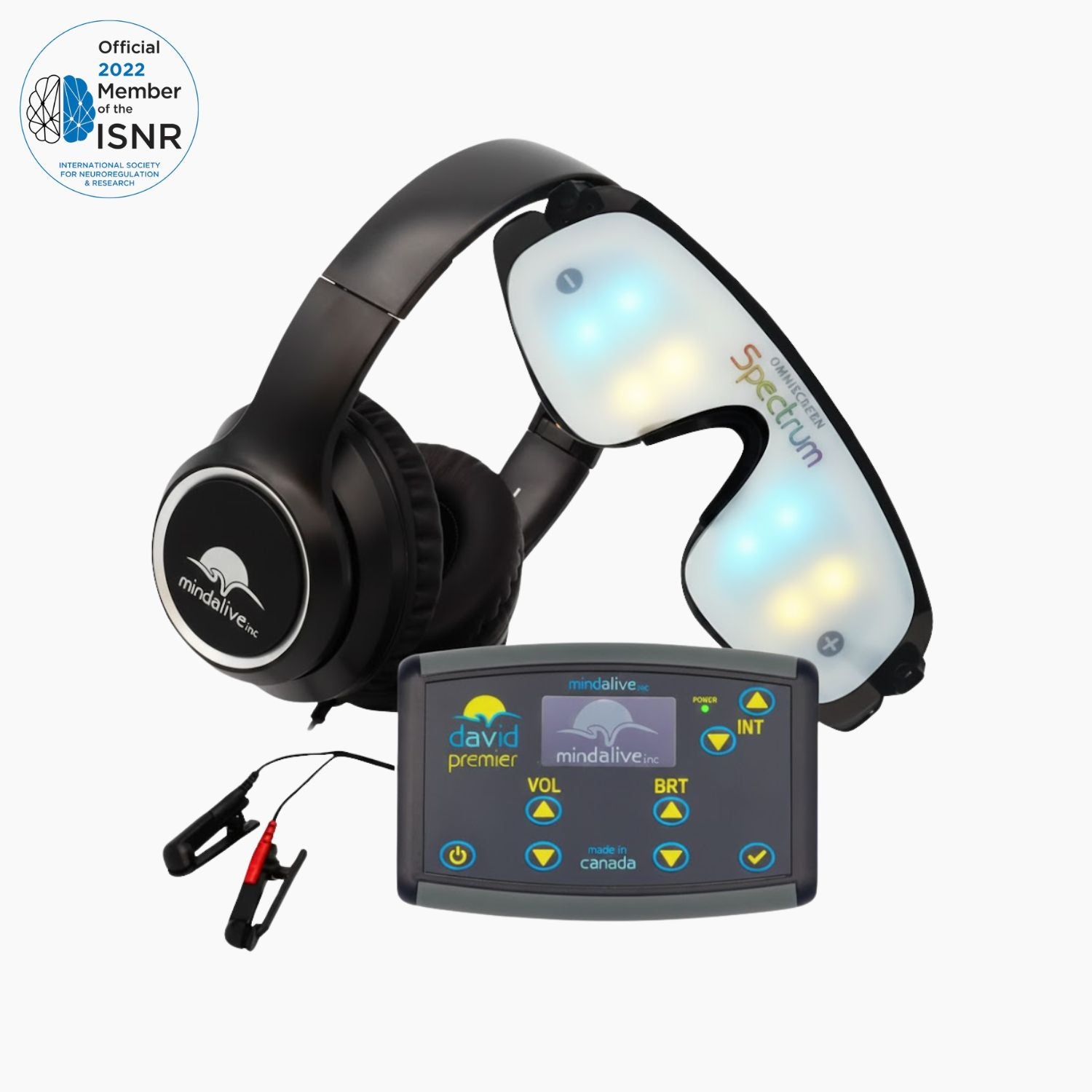
Multimodal entrainment — combining light and sound — provides a clearer, more compelling signal the ADHD brain can follow more reliably.
A More Effective Approach: Structured Brainwave Entrainment
When the brain receives synchronized light and sound stimulation, it activates the frequency-following response — a natural mechanism where neural activity begins to match rhythmic input. For ADHD, this can support:
- easier state transitions
- improved focus stability
- reduced overwhelm and reactivity
- better sleep and next-day clarity
- more consistent motivation
The DAVID Premier: Helping ADHD Brains Regulate More Easily
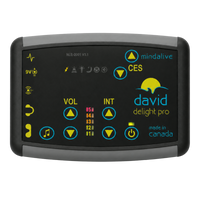
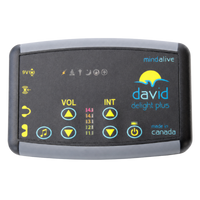
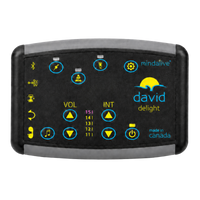
The DAVID Premier uses structured entrainment sessions — including alpha support, focus protocols, stress-calming routines, and sleep programs — to guide the brain toward healthier, more stable rhythms.
It doesn’t replace medication or therapy. It strengthens the physiological foundation beneath them, helping the nervous system regulate itself more effectively.
Many users with ADHD describe:
- better task initiation
- improved emotional balance
- more predictable focus
- less mental fatigue
- calmer evenings and deeper sleep
ADHD isn’t a lack of discipline — it’s a difference in rhythm. Supporting those rhythms changes everything.
Explore DAVID Premier