




The Brainwave Patterns Behind Dyslexia
Yrian BrugmanWhy Reading, Processing, and Focus Become Harder
Dyslexia is often misunderstood as a reading or intelligence problem. But dyslexia has nothing to do with intelligence — many individuals with dyslexia are exceptionally bright, creative, and capable thinkers.
The challenge lies not in understanding, but in how the brain processes written language and rhythmically coordinates visual, auditory, and cognitive systems. At its core, dyslexia is strongly connected to differences in brainwave regulation and timing.
Why Reading Feels “Harder Than It Should Be”
Reading requires multiple brain systems to fire in sync:
- visual processing
- phonological decoding
- working memory
- attention and focus
- eye-movement coordination
If these systems don’t operate at the same rhythm, reading becomes slow, effortful, and frustrating — even when the student fully understands the material.
Dyslexia is not a reading deficit.
It is a timing and regulation difference in the brain.
The Brainwave Patterns Common in Dyslexia
Research consistently shows that dyslexia is associated with specific rhythm differences in the brain. These patterns affect how quickly and smoothly the brain can synchronize during reading tasks.
| Brainwave Pattern | Healthy Role | Dyslexia-Related Shift | How It Feels |
|---|---|---|---|
| Low Beta | Focused attention, reading fluency | Often underactive | Trouble sustaining focus, slow reading speed |
| Alpha | Calm processing, integration of visual input | Unstable or reduced | Difficulty tracking lines, eye movement challenges |
| Theta | Memory, audio-visual coordination | Often excessive during reading | Drifting, difficulty decoding sounds, slow recall |
| Gamma | Rapid integration of visual + phonological information | Reduced connectivity | Slow word recognition, inconsistent fluency |
These differences are why dyslexia affects reading speed, accuracy, and focus — even when comprehension is strong.
Why Dyslexia Causes Mental Fatigue
People with dyslexia often say they can read for a short time, but then:
- their focus collapses
- letters feel like they “move” or blur
- words stop registering
- they need breaks far more often
This happens because the brain must work significantly harder to coordinate systems that neurotypical brains synchronize automatically.
Why Stress Makes Reading Much Worse
Under stress, high-beta activity increases — which interferes with the alpha and low-beta rhythms essential for fluency. This leads to:
- tension and overwhelm
- reduced reading accuracy
- more skipping lines
- slower decoding
The more pressure a student feels, the harder reading becomes.
Why Traditional Interventions Only Partially Help
Tutoring, phonics training, and literacy programs are incredibly valuable — but many students still experience:
“I know the rules. My brain just won’t do it consistently.”
That’s because interventions support skill-building — but they don’t always address the brainwave timing issues underlying dyslexia.
Why Binaural Beats Are Usually Ineffective
Binaural beats provide a very subtle auditory signal. If the brain already struggles with timing and sensory integration, audio-only stimulation is rarely strong enough to help regulate.
A multimodal, structured signal is far more effective.
A More Effective Path: Structured Brainwave Entrainment
Brainwave entrainment uses rhythmic light and sound to guide the brain into more stable and efficient patterns. This engages the frequency-following response, which can support:
- better visual tracking
- improved focus during reading tasks
- stronger audio-visual timing
- better working memory and recall
- reduced overwhelm during homework
It does not replace tutoring — it enhances the brain’s ability to benefit from it.
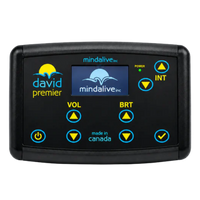
The DAVID Premier: Supporting Reading, Focus, and Processing
The DAVID Premier uses synchronized light and sound protocols to support the calm-focus rhythms needed for efficient reading and learning. Sessions help stabilize alpha, support low beta activation, and reduce excess theta during reading tasks.
Students and adults often describe:
- improved reading fluency
- longer periods of sustained focus
- less mental fatigue
- better homework consistency
- more confidence in reading
Dyslexia is not a lack of ability. It’s a difference in rhythm — and supporting those rhythms can transform the learning experience.
Explore DAVID Premier