

What Are Cranial Electrotherapy Stimulation Devices?
Mind AliveWritten by MindAlive – 35 years of brainwave entrainment, 5× awarded for innovation in neurotechnology.
Cranial Electrotherapy Stimulation Devices: Gentle Electrical Neuromodulation
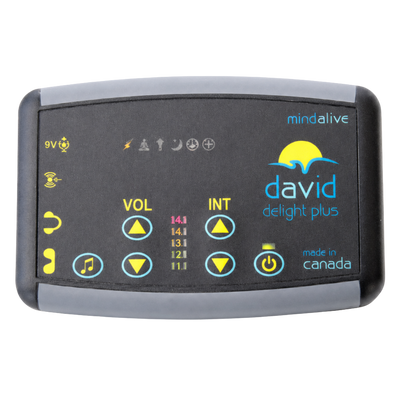
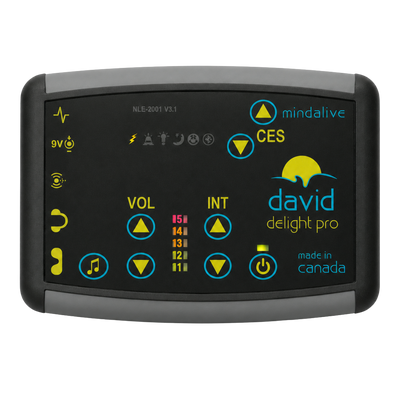
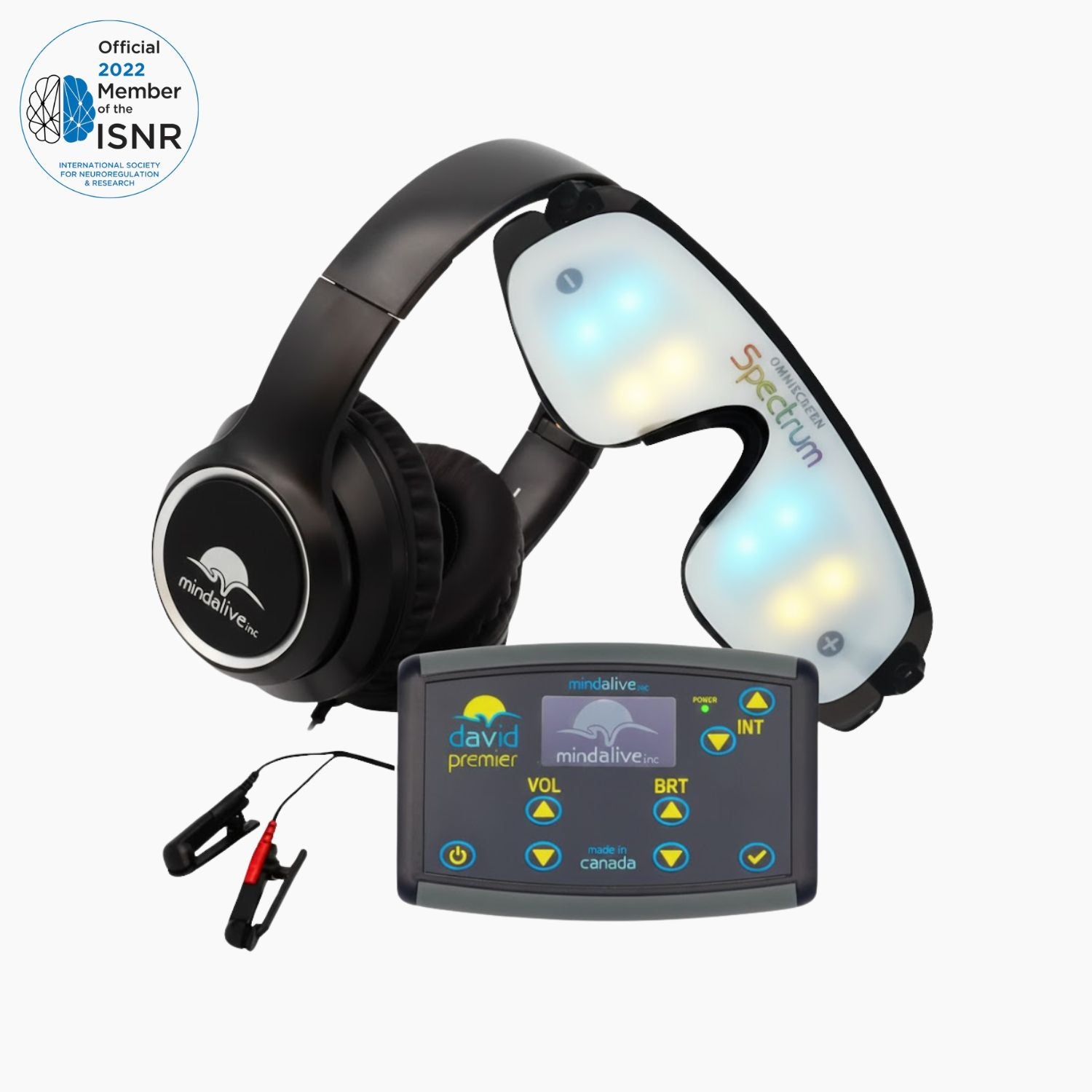
Cranial electrotherapy stimulation (CES) devices deliver very low-level electrical currents across the head with the aim of influencing brain activity linked to mood regulation, sleep, and stress. This technology has roots in medical neuromodulation and is now increasingly accessible through consumer-oriented wearables.
By applying microcurrent through electrodes—often at the earlobes—CES aims to support relaxation, stress reduction, and improved sleep quality without the invasiveness of stronger methods like TMS or clinical neurostimulation.
Key Takeaways
- CES devices use microcurrent neuromodulation to influence neural activity tied to stress, mood, and sleep states.
- They are non-invasive and generally well-tolerated.
- Scientific evidence shows promise in anxiety and sleep support, but outcomes vary.
- Device parameters and proper use matter for consistent effects.
- CES is often paired with other practices like mindfulness or entrainment for enhanced results.
What Is Cranial Electrotherapy Stimulation?
CES is a form of neuromodulation that uses subsensory or mild microcurrent applied via electrodes on the head. Unlike stronger electrical stimulation technologies like TMS or tDCS, CES uses much lower current and is generally painless when used within recommended settings.
To understand how CES compares with other stimulation techniques like tDCS and AVE, see AVE, CES & tDCS explained.
The Science of Microcurrent Neuromodulation
The tiny electrical currents in CES may affect neuronal firing and networks connected to stress response and mood regulation. Neurophysiological research suggests measurable EEG shifts during CES, though results vary by protocol and individual.
How CES Currents Influence the Brain
Currents pass between two electrodes, typically attached to the earlobes or temples, creating a path that may modulate brain circuits related to the autonomic nervous system and emotional regulation.
Physiological Targets of CES
- Stress & autonomic balance: May favor parasympathetic activation.
- Mood regulation networks: Potential influence on neurotransmitters such as serotonin and GABA.
- Sleep preparation circuits: May encourage relaxation before bedtime.
History and Evolution of CES Technology
CES was first explored clinically in the mid-20th century for anxiety and insomnia. Over time, the technology became safer and more refined, culminating in modern portable devices with adjustable parameters and digital controls.
Device Parameters and Typical Settings
| Parameter | Typical Range | Description |
|---|---|---|
| Current | 20–600 μA | Ultra-low microcurrent for neuromodulation. |
| Waveform | Sine & pulsed | Modulates stimulation feel and network engagement. |
| Duration | 20–60 min | Session length for relaxation & sleep support. |
| Electrode placement | Earlobes or temples | Affects the current pathway. |
Potential Benefits of CES Devices
CES devices are commonly explored for outcomes like anxiety reduction, improved sleep, and stress management. Many users report subjective improvements when CES is integrated into a consistent routine.
Mood & Anxiety Support
Certain users find that regular CES use supports emotional regulation and lowers perceived stress levels over time.
Sleep Enhancement
By encouraging relaxation before sleep, CES may help with sleep onset and continuity, especially when paired with good sleep hygiene.
Stress Reduction
Low microcurrent stimulation may encourage a shift toward parasympathetic dominance, contributing to a calmer physiological state.
How to Use CES Devices Effectively
Equipment and Setup
- Clean electrodes and preparation solution for consistent contact.
- Placement on earlobes or temples per manufacturer instructions.
- Start at lower intensity and increase gradually with comfort.
Optimal Conditions for Session Success
- Quiet environment with minimal interruption.
- Comfortable seating or lying posture.
- Evening sessions may pair well with sleep preparation routines.
Session Frequency & Timing
- Typical sessions span 20–60 minutes.
- 3–7 sessions per week are common for evaluation.
- Avoid use during tasks requiring high alertness (e.g., driving).
Safety and Contraindications
- Do not use with implanted electrical devices without professional clearance.
- Avoid electrodes on broken or irritated skin.
- If dizziness or discomfort occurs, decrease intensity or stop.
- Consult a clinician if pregnant or managing clinical conditions.
Research: What the Evidence Says
CES has a long research history with mixed but promising findings. Some studies show benefits in anxiety and sleep support, while others show modest or variable effects. For a deeper dive into published research on efficacy and safety, see Scientific studies on DAVID devices.
Comparing CES with Other Neuromodulation Methods
Compared to stronger modalities like TMS or tDCS, CES uses ultra-low current and is generally gentle and well tolerated. CES can work well alongside practices like mindfulness and AVE. See Audio-visual entrainment for ADHD and brain state modulation for context on how neuromodulation can support cognitive wellness.
Integration with Other Techniques for Enhanced Outcomes
| Technique | Why Combine It | Examples |
|---|---|---|
| Mindfulness | Supports autonomic regulation | Meditation, guided breathing |
| Sleep hygiene | Improves baseline sleep | Dark room, consistent schedule |
| Biofeedback | Reinforces autonomic stability | HRV training |
| AVE Entrainment | May enhance state shift | DAVID AVE protocols |
Common Misconceptions About CES
Debunking Myths
- CES is not electroshock therapy. The current is extremely low and controlled.
- Immediate transformation isn’t guaranteed—consistent use matters.
- CES devices are not replacements for clinical medical care when indicated.
Understanding Limitations
CES should be integrated into a broader wellness plan. For clinical conditions, always consult a qualified healthcare professional.
FAQ
What are CES devices?
Wearable neuromodulation systems that deliver low microcurrent aimed at supporting mood, relaxation, and sleep.
Does CES hurt?
Generally no. Users usually feel mild tingling or nothing, depending on intensity.
How often should I use CES?
Common protocols range from 20–60 minutes, 3–7 times weekly.
Is CES safe?
Yes for most people when used correctly, though consult a clinician if you have implants or medical conditions.
Does research support CES?
Evidence is mixed but promising in areas like anxiety and sleep; more rigorous studies continue to emerge.