

What Is Brain Mapping Therapy?
Yrian BrugmanBrain mapping therapy combines quantitative EEG (qEEG) brain mapping with targeted neurostimulation or neurofeedback to address imbalances in brainwave activity. Instead of guessing which frequencies your brain needs, brain mapping therapy starts with a detailed picture of how your brain actually functions — and then uses that data to guide personalized treatment.
In this guide we explain what brain mapping therapy involves, what it can help with, how practitioners use brain maps to design treatment protocols, and how devices like the DAVID Premier fit into a brain mapping therapy plan.
▶ See How DAVID Premier Supports Brain Mapping TherapyKey Takeaways
- Brain mapping therapy uses qEEG data to identify specific brainwave imbalances, then applies targeted interventions like neurofeedback, AVE, or CES to address them.
- A brain map (qEEG) measures electrical activity across the scalp and compares your patterns to normative databases — revealing areas of over- or under-activity.
- Common applications include ADHD, anxiety, depression, insomnia, traumatic brain injury, and peak performance training.
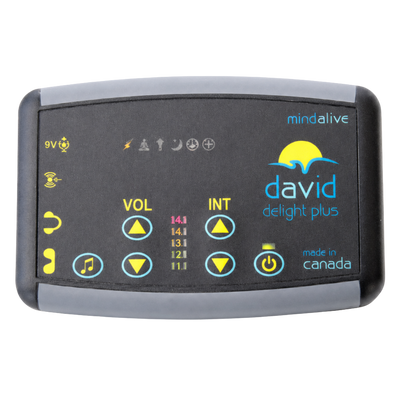
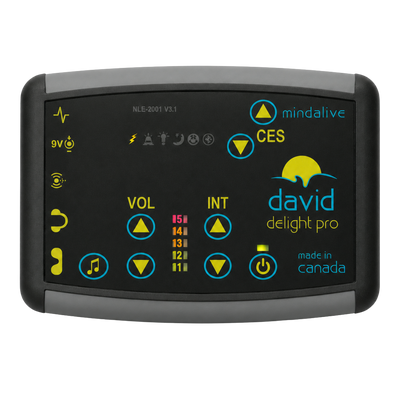
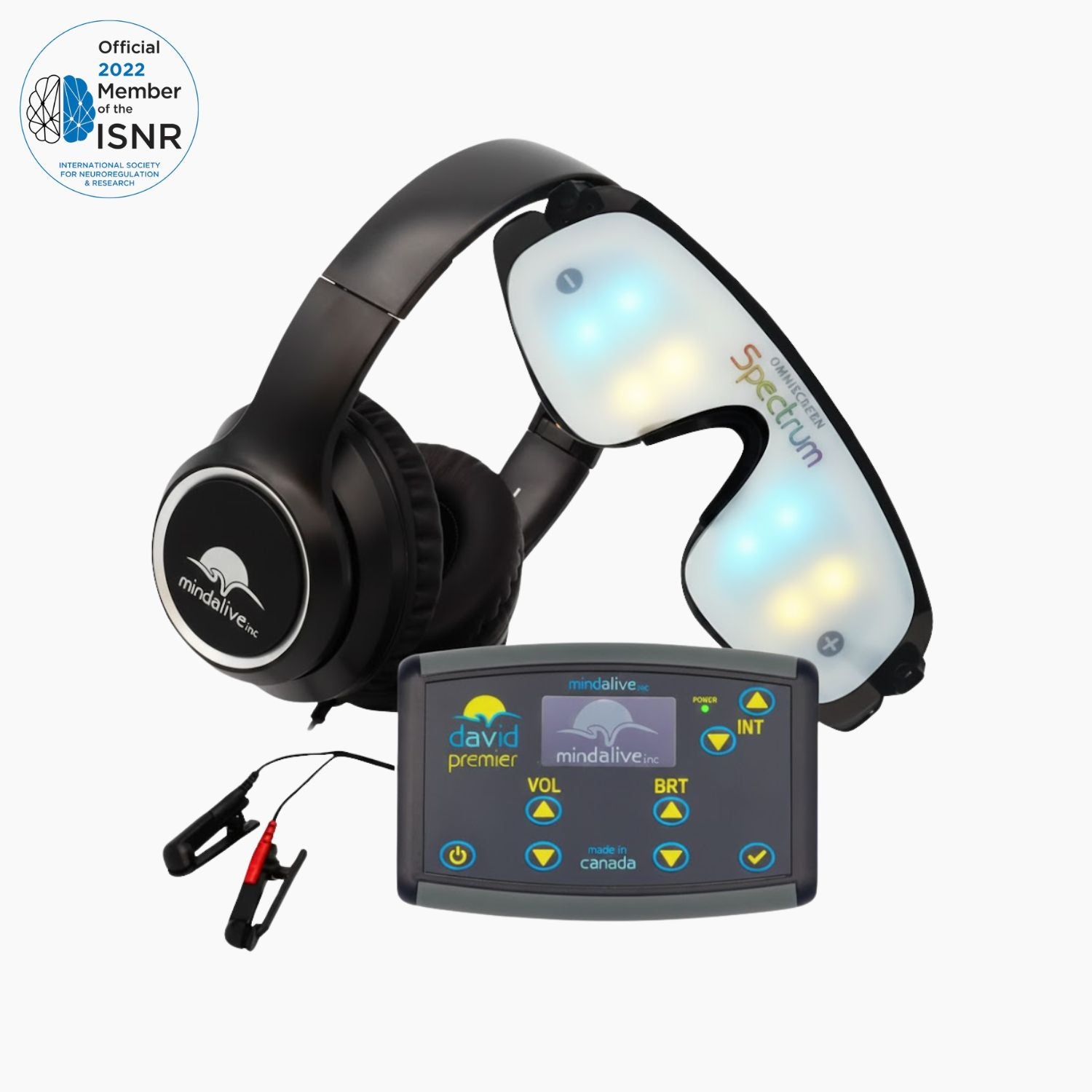
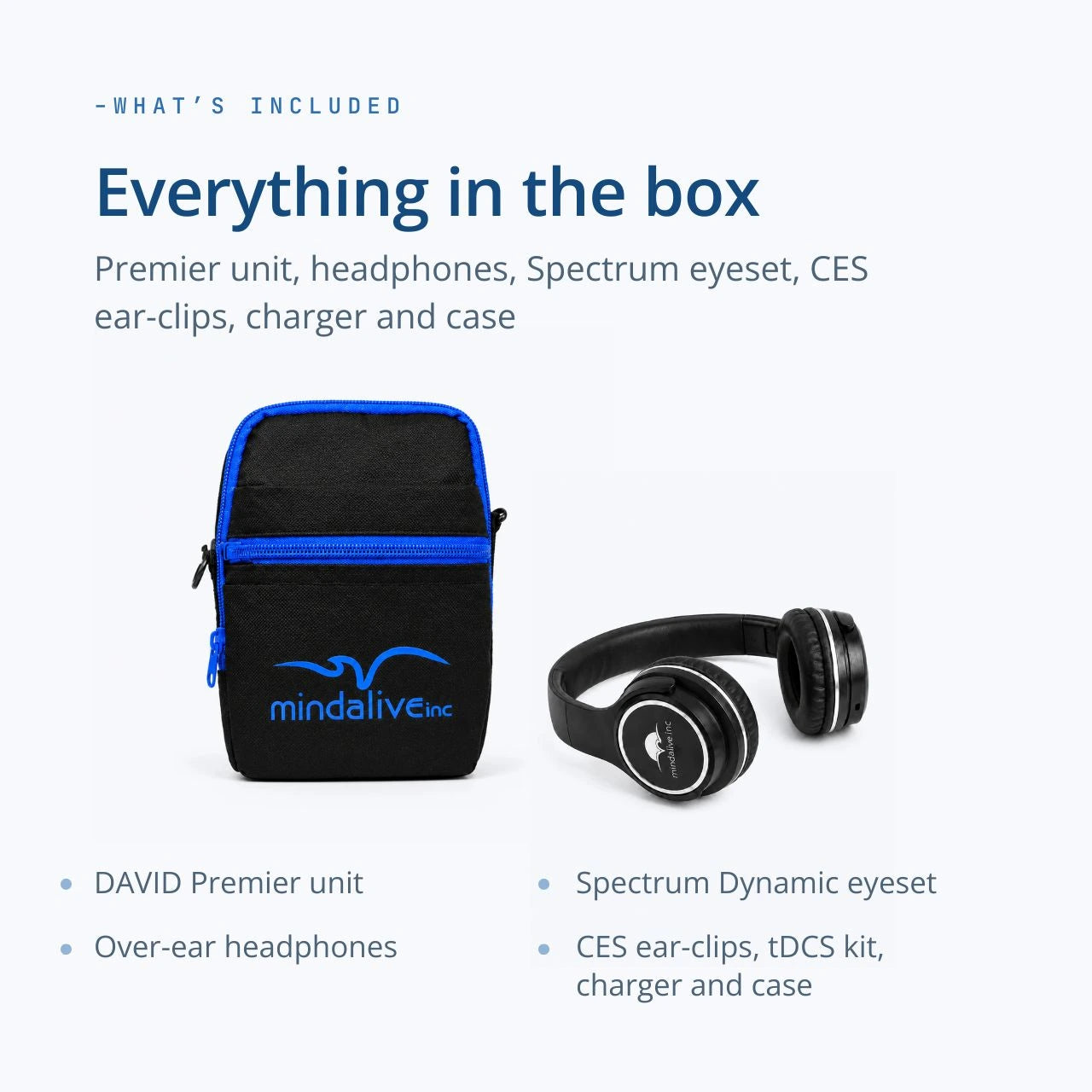
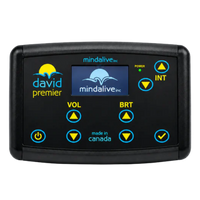
- DAVID Premier is frequently used by practitioners alongside brain mapping to deliver AVE + CES protocols matched to a patient's qEEG profile.
- The DAVID Premier guide explains how to select sessions based on brainwave goals identified through brain mapping.
What Is Brain Mapping?
Brain mapping — formally known as quantitative electroencephalography (qEEG) — is a non-invasive assessment that records electrical activity from multiple locations across your scalp. Sensors in a cap pick up the tiny voltage changes produced by neurons firing, and specialized software converts that raw data into a color-coded map of your brain's activity.
A qEEG brain map typically reveals:
- Dominant frequencies: Which brainwave bands (delta, theta, alpha, beta, gamma) are most active in each brain region.
- Amplitude: How strong or weak each frequency band is compared to healthy norms.
- Coherence: How well different brain regions communicate with each other.
- Asymmetry: Whether the left and right hemispheres are balanced in their activity patterns.
- Dysregulation patterns: Specific signatures associated with conditions like ADHD, anxiety, depression, or sleep disorders.
Think of it this way: A brain map is like a blood test for your brainwaves. It does not diagnose a disease by itself, but it gives your practitioner objective data to understand what is happening electrically — and what needs to change.
What Is Brain Mapping Therapy?
Brain mapping therapy is the clinical process of using qEEG results to design and deliver a personalized brain training or neurostimulation protocol. The brain map serves as both a starting point and a progress tracker — practitioners take an initial map, create a treatment plan, and then re-map periodically to measure improvement.
The therapy component typically involves one or more of the following:
- Neurofeedback: Real-time EEG training where the brain learns to self-regulate toward healthier patterns through audio/visual feedback.
- Audio-Visual Entrainment (AVE): Synchronized light and sound pulses that guide brainwaves toward target frequencies identified in the brain map.
- Cranio-Electro Stimulation (CES): Gentle microcurrent stimulation for mood, anxiety, and sleep support.
- Lifestyle recommendations: Sleep hygiene, exercise, nutrition, and stress management informed by brain map findings.
How Brain Mapping Therapy Works: Step by Step
A typical brain mapping therapy journey follows this process:
| Step | What Happens | Duration |
|---|---|---|
| 1. Initial consultation | Practitioner reviews symptoms, history, and goals | 30–60 minutes |
| 2. qEEG recording | 19-channel EEG cap records brain activity (eyes open + eyes closed) | 30–45 minutes |
| 3. Data analysis | Software compares your brain map to normative databases and flags dysregulation patterns | 1–2 days processing |
| 4. Brain map review | Practitioner explains findings — which areas are over/under-active and what that means for symptoms | 30–60 minutes |
| 5. Protocol design | Treatment plan is created: neurofeedback, AVE/CES sessions, lifestyle changes | Included in review |
| 6. Treatment sessions | In-office neurofeedback and/or at-home AVE + CES with DAVID Premier | 20–40 sessions typical |
| 7. Progress re-mapping | Follow-up qEEG to measure brainwave changes and adjust protocols | Every 10–20 sessions |
What Brain Mapping Therapy Can Help With
Brain mapping therapy is used across a wide range of cognitive, emotional, and neurological concerns. Because treatment is guided by objective brainwave data rather than symptoms alone, it can be highly targeted and effective.
| Condition / Goal | Common qEEG Finding | Typical Treatment Approach |
|---|---|---|
| ADHD / attention issues | Excess theta, low beta in frontal regions | Neurofeedback to reduce theta/beta ratio + AVE beta/gamma sessions |
| Anxiety | Excess high beta, poor alpha regulation | Alpha training, CES for calming, AVE relaxation protocols |
| Depression | Left frontal alpha asymmetry, low beta | Asymmetry training, CES mood support, AVE activation protocols |
| Insomnia / sleep disorders | Excess beta at night, poor delta production | SMR/delta training, CES for sleep onset, AVE sleep protocols |
| Traumatic brain injury (TBI) | Focal slowing, coherence abnormalities | Targeted neurofeedback at affected sites + AVE to restore normal patterns |
| Peak performance | Suboptimal alpha/gamma ratios | Alpha/gamma enhancement, AVE focus sessions, 40 Hz entrainment |
| Age-related cognitive decline | Generalized slowing, reduced gamma | Gamma entrainment (40 Hz), AVE + CES with DAVID Premier |
| PTSD | Hyperarousal patterns, coherence disruptions | Alpha/theta training, CES calming protocols, gradual AVE integration |
Brain Mapping Therapy and Brainwave Frequencies
Understanding the five major brainwave bands is essential to making sense of brain mapping therapy results. Each frequency range corresponds to different mental states:
| Brainwave Band | Frequency Range | Associated With | When Too High | When Too Low |
|---|---|---|---|---|
| Delta | 0.5–4 Hz | Deep sleep, physical restoration | Brain fog, fatigue, learning difficulties | Poor sleep, restlessness |
| Theta | 4–8 Hz | Drowsiness, daydreaming, creativity | Inattention, ADHD patterns, spaciness | Anxiety, difficulty relaxing |
| Alpha | 8–12 Hz | Calm alertness, relaxed focus, meditation | Excessive daydreaming, lack of motivation | Anxiety, overthinking, insomnia |
| Beta | 12–30 Hz | Active thinking, concentration, problem solving | Anxiety, rumination, racing thoughts | Poor focus, fatigue, depression |
| Gamma | 30–80 Hz | Higher cognition, memory binding, awareness | Rarely problematic; sometimes overstimulation | Cognitive decline, poor memory integration |
A brain map shows exactly where each of these frequencies is too high, too low, or out of balance — giving practitioners a precise target for therapy. The DAVID Premier includes sessions spanning every brainwave band from delta through gamma, making it the ideal companion device for brain mapping therapy protocols.
How DAVID Premier Fits Into Brain Mapping Therapy
While in-office neurofeedback is a core component of many brain mapping therapy programs, practitioners need a reliable way to extend treatment into the patient's daily life. This is where the DAVID Premier becomes essential.
Practitioner-Guided Home Sessions
After a brain map identifies specific brainwave targets, the practitioner selects DAVID Premier sessions that match. A patient with excess frontal theta and low beta might be prescribed daily beta/gamma AVE sessions to promote alertness and focus. Someone with insomnia and excess nighttime beta might use delta/theta relaxation protocols before bed.
AVE: Driving Brainwaves Where the Map Says They Need to Go
Audio-visual entrainment physically guides brainwave patterns through synchronized light and sound pulses. Unlike neurofeedback (which trains self-regulation over many sessions), AVE produces immediate frequency shifts that accumulate over time. This makes DAVID Premier an effective accelerator alongside neurofeedback training.
CES: Addressing Mood and Sleep Identified in the Map
Brain maps frequently reveal patterns associated with anxiety, depression, or sleep disruption. The CES function in DAVID Premier delivers gentle microcurrent stimulation that supports mood regulation and sleep onset — directly addressing common qEEG findings without medication.
Progress Tracking
When patients use DAVID Premier consistently between neurofeedback appointments, practitioners often see faster improvement on follow-up brain maps. The combination of in-office neurofeedback and at-home AVE + CES creates a comprehensive brain mapping therapy program.
Why practitioners choose DAVID Premier: It is the only consumer device that combines AVE and CES with full brainwave spectrum coverage — matching the range of frequencies typically addressed in brain mapping therapy protocols.
Brain Mapping Therapy vs. Other Approaches
How does brain mapping therapy compare to other common methods for addressing cognitive and emotional concerns?
| Approach | Guided by Brain Data? | Personalized? | Non-Invasive? | Addresses Root Patterns? |
|---|---|---|---|---|
| Brain mapping therapy | Yes — qEEG-guided | Highly — based on individual brain map | Yes | Yes — targets brainwave dysregulation directly |
| Medication | No — symptom-based | Trial and error | Yes (oral) | No — manages symptoms, not patterns |
| Talk therapy / CBT | No — behavioral | Moderate | Yes | Partially — changes thought patterns over time |
| Generic brain training apps | No | No — same games for everyone | Yes | No — exercises cognition, does not retrain brainwaves |
| AVE + CES without brain map | No — protocol-guided | Moderate — based on symptoms and goals | Yes | Partially — correct frequency selection still helps |
Brain mapping therapy offers the most data-driven, personalized approach. However, even without a formal brain map, tools like the DAVID Premier can still deliver meaningful results when protocols are selected based on symptoms and goals — as outlined in the DAVID Premier guide.
What to Expect During a Brain Mapping Session
If you are considering brain mapping therapy, here is what the assessment process typically looks like:
- Preparation: Arrive with clean, dry hair (no products). The session is painless and non-invasive.
- Cap placement: A fitted cap with 19 electrodes is placed on your head. Conductive gel is applied to each sensor site.
- Recording: You sit quietly for 5–10 minutes with eyes closed, then 5–10 minutes with eyes open. Some practitioners add task-based recording.
- Artifact removal: The clinician cleans the data — removing eye blinks, muscle tension, and other noise.
- Analysis: Software compares your brainwave data to age-matched normative databases and generates color-coded maps.
- Report: Your practitioner explains the findings in plain language — what is normal, what is out of range, and what it means for your symptoms.
- Treatment plan: Based on the map, a personalized protocol is designed using neurofeedback, AVE, CES, or a combination.
How Much Does Brain Mapping Therapy Cost?
Brain mapping therapy costs vary depending on location, practitioner, and the scope of treatment. Here is a general overview:
| Component | Typical Cost Range | Notes |
|---|---|---|
| Initial qEEG brain map | $250–$800 | Includes recording, analysis, and report review |
| Neurofeedback session (in-office) | $75–$200 per session | Typically 20–40 sessions recommended |
| Full neurofeedback program | $1,500–$8,000 | Depends on number of sessions and complexity |
| Follow-up brain map | $200–$500 | Recommended every 10–20 sessions to track progress |
| DAVID Premier (home device) | One-time purchase | No subscription — used between office visits to accelerate results |
Many practitioners recommend the DAVID Premier as a cost-effective way to supplement in-office neurofeedback. Daily home sessions with AVE + CES can reduce the total number of expensive in-office visits needed to reach treatment goals.
Finding a Brain Mapping Therapy Practitioner
Brain mapping therapy is offered by a range of qualified professionals. When looking for a practitioner, consider:
- Credentials: Look for board-certified neurofeedback practitioners (BCN), licensed psychologists, or neurologists with qEEG training.
- Professional organizations: The International Society for Neuroregulation & Research (ISNR) and the Biofeedback Certification International Alliance (BCIA) maintain practitioner directories.
- Equipment and databases: Ask which qEEG system and normative database they use. Established systems include NeuroGuide, BrainDx, and LORETA.
- Treatment integration: The best practitioners combine neurofeedback with complementary tools like AVE and CES for home use, rather than relying solely on in-office sessions.
- Experience: Ask how many brain maps they have interpreted and what populations they work with.
Brain Mapping Therapy at Home: Is It Possible?
Full qEEG brain mapping requires professional equipment and clinical expertise — it is not a DIY process. However, the therapy part of brain mapping therapy can absolutely extend into your home:
- DAVID Premier allows you to run the AVE + CES sessions your practitioner prescribes, every day, from home.
- Consistency is key: Brain mapping therapy works best when stimulation is regular. Home devices make daily sessions practical.
- Re-mapping tracks progress: Periodic in-office brain maps confirm that home sessions are producing the intended brainwave changes.
- Complementary tools: Add the 40 Hz light therapy tool or 40 Hz binaural beats MP3 to gamma-focused protocols for additional entrainment support.
The ideal model: Professional brain mapping and in-office neurofeedback for assessment and precision training — combined with daily DAVID Premier sessions at home for consistency and faster progress.
FAQ: Brain Mapping Therapy
What is brain mapping therapy used for?
Brain mapping therapy is used to identify and address brainwave imbalances associated with ADHD, anxiety, depression, insomnia, traumatic brain injury, PTSD, cognitive decline, and peak performance optimization. It uses objective qEEG data to guide personalized neurofeedback, AVE, or CES treatment.
Is brain mapping therapy scientifically supported?
Yes. Quantitative EEG (qEEG) is a well-established neuroimaging method used in clinical neuroscience for decades. Neurofeedback based on qEEG findings has a substantial evidence base, particularly for ADHD, anxiety, and insomnia. AVE and CES technologies used alongside brain mapping are backed by 35+ years of research.
How long does brain mapping therapy take to work?
Most people begin noticing changes within 5–10 sessions, with more significant improvements after 20–40 sessions. Adding daily home sessions with a device like DAVID Premier can accelerate results by providing consistent brainwave training between office visits.
Does insurance cover brain mapping therapy?
Coverage varies widely. Some insurance plans cover qEEG assessment when ordered by a physician, and some cover neurofeedback under mental health benefits. Many practitioners offer payment plans. Check with your provider and ask your practitioner about insurance coding.
Is brain mapping therapy safe?
Brain mapping (qEEG) is completely non-invasive — it only records brain activity, it does not stimulate. The treatment modalities used in brain mapping therapy (neurofeedback, AVE, CES) are also non-invasive with established safety profiles. As with any neurostimulation, individuals with seizure disorders or implanted electronic devices should consult their doctor before starting treatment.
Can I do brain mapping therapy without neurofeedback?
Yes. Some practitioners use brain mapping results to guide AVE + CES protocols exclusively, without neurofeedback. The DAVID Premier provides a full range of frequency-specific sessions that can be matched to brain map findings. The DAVID Premier guide helps practitioners and patients select the right protocols.
What is the difference between brain mapping and brain imaging (MRI/CT)?
Brain mapping (qEEG) measures the brain's electrical activity — how neurons are firing in real time. MRI and CT scans show the brain's physical structure. Brain mapping therapy focuses on functional patterns (brainwave behavior), while imaging focuses on anatomy. They provide different but complementary information.
How often should I get a brain map?
An initial brain map starts the process. Most practitioners recommend a follow-up map after every 10–20 treatment sessions to track progress and adjust protocols. Once treatment goals are met, annual check-ups are optional but useful for long-term monitoring.