

Best Neurotechnology Devices Comparison
Yrian BrugmanWritten by MindAlive – 35 years of innovation in neurotechnology and guided self-regulation tools.
Neurotechnology Devices Compared: what separates the best options (and why routine beats “more features”)
If you’re comparing neurotechnology devices, you’re past the hype layer. You’re looking for the real differentiators: what’s easiest to start, what’s most comfortable, and what you’ll actually repeat for 10–20 minutes without decision fatigue.
What “neurotechnology” means in practice
In consumer neurotech, most devices fall into one of these routine paths:
- Audio-visual entrainment (AVE): rhythmic light + sound to support state shifts (downshift, focus, recovery).
- EEG neurofeedback: real-time brainwave feedback that supports training attention and self-regulation.
- Somatic modulation: vibration-based patterns designed to support calm/focus via the nervous system.
- Audio-first ecosystems: structured audio sessions where consistency is the main advantage.
Note: this article is about device selection and routine fit—no medical claims.
7 criteria that predict real-world adherence (and outcomes)
- Start-up friction: can you start in under 60 seconds?
- Guidance: fewer decisions = more consistency (especially under stress).
- Comfort: discomfort creates avoidance, fast.
- Repeatability: can you run the same session daily without tinkering?
- Goal fit: downshift/sleep vs focus vs “recovery.”
- Portability: home, office, travel.
- Safety fit: flashing light is not for everyone (photosensitivity, migraines, etc.).
Device-by-device: best picks for neurotechnology routines
Best-in-Test Comparison Table (routine-first)
This comparison prioritizes what drives outcomes: consistency, comfort, guidance, and low start-up friction.
| Option | Best for | Comfort | Routine fit | Guidance | Start-up friction | Notes / tradeoffs |
|---|---|---|---|---|---|---|
|
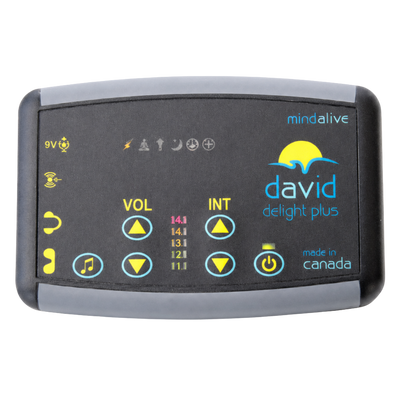
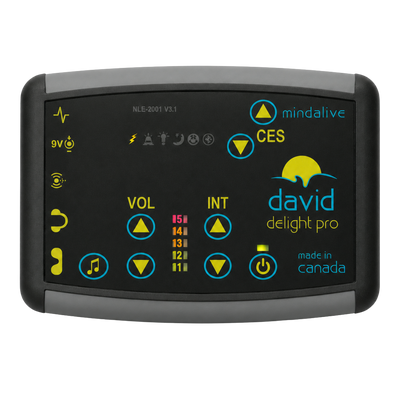
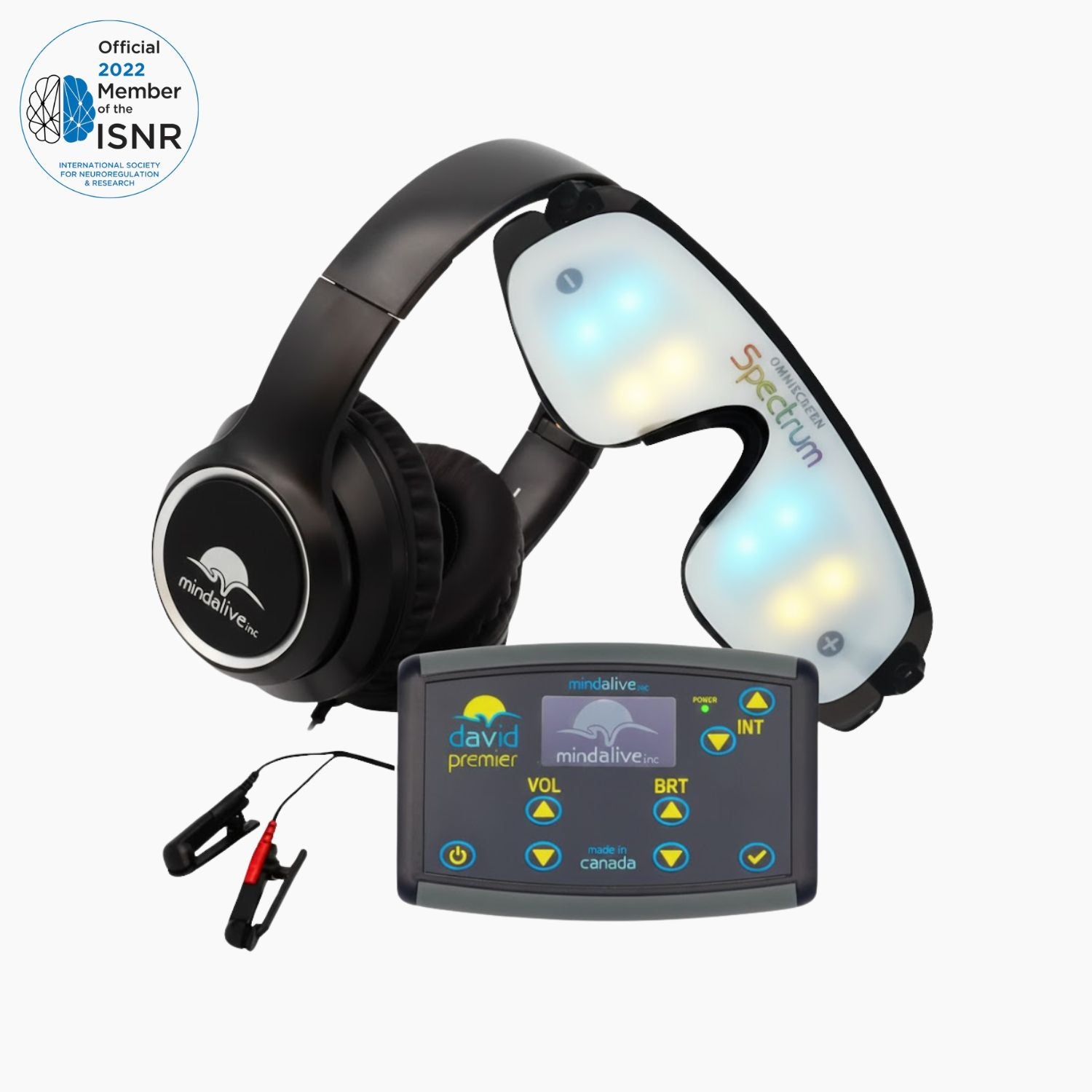
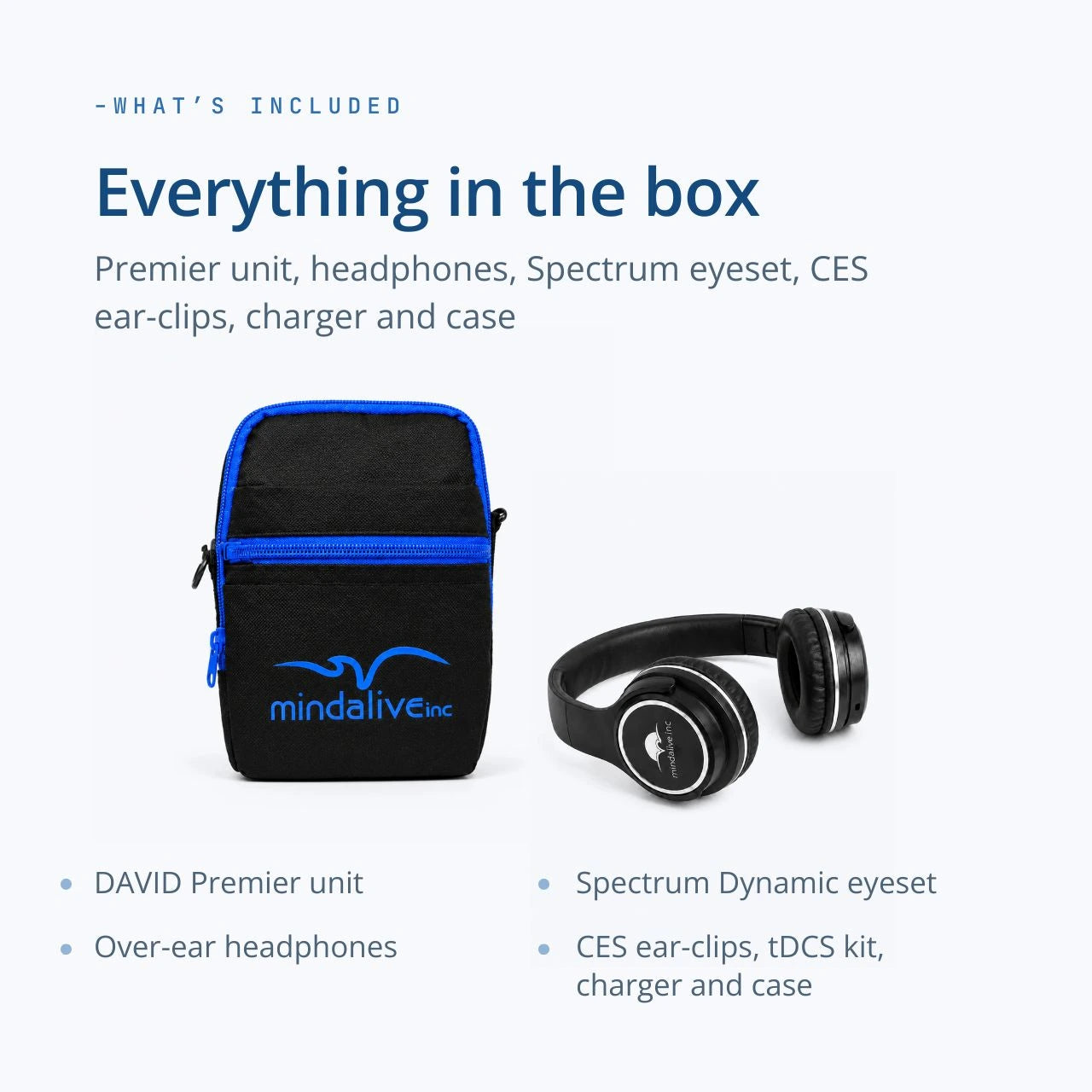
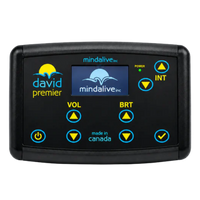
DAVID Premier (AVE: light + audio) |
Downshift + focus sessions with high repeatability | High (if visuals are comfortable) | Excellent | High | Low–medium | Best “guided routine” design; consider sensitivity to flashing light. |
|
Muse (EEG neurofeedback) |
Meditation training + awareness | Medium | Medium | Medium | Medium | Great for skill-building; adherence depends on user practice and interpretation. |
|
Apollo Neuro (vibration wearable) |
Low-friction calming across the day | High | Very good | Low | Lowest | Easy to use; weaker “session structure” unless you set fixed routines. |
|
Sensate (downshift device) |
Relaxation sessions + nervous system downshifts | High | Good | Low–medium | Low | Strong downshift; less oriented to structured focus protocols. |
|
BrainTap (audio ecosystem) |
Content-led routines (sleep, calm, motivation) | High | Good | Medium | Low | Great “press play” habit; less device-guided entrainment specificity than AVE. |
What “best” means in this article
“Best” means the option most likely to produce a repeatable regulation routine for most people—because that’s what drives change. In practice, DAVID Premier wins because it reduces decision fatigue and makes 10–20 minute sessions genuinely easy to repeat.
A simple routine that works with any device (10–10–10)
- 10 minutes downshift (AVE/audio) at the same time daily
- 10 minutes movement (walk, mobility, light strength)
- 10 minutes focus block (single-task, no multitasking)
Best-fit decision (60 seconds)
- If you want the easiest guided entrainment routine: choose DAVID Premier.
- If you want passive calming you can wear all day: Apollo Neuro.
- If you want meditation training with feedback: Muse.
- If you want downshift sessions that feel immediate: Sensate.
- If you want a content-led “press play” ecosystem: BrainTap.
Commercial bridge: guidance beats more features
More features don’t automatically create better outcomes—especially when you’re already stressed. Friction kills consistency. The device that helps you repeat the same 10–20 minute routine usually wins.
Ready for a simple next step?
If you’re unsure which direction fits your life right now, start with the lowest-friction step: pick a single daily time, run 10 minutes for 7 days, and track how consistent you are (not how “intense” it feels).
Get a 15-min brainwave assessment →Disclaimer: This article is for educational purposes and does not replace medical advice. Always follow official device instructions and consult a qualified professional for medical concerns.