

Best Audio-visual Therapy Methods
Mind AliveWritten by MindAlive – 35 years of innovation in neurotechnology and guided self-regulation tools.
Best Audio-Visual Therapy Methods: what actually works in real life (and why “low-friction” wins)
“Audio-visual therapy” can mean a lot of things—from guided light-and-sound entrainment, to VR relaxation, to biofeedback that uses visuals and tones to train regulation. The practical question isn’t what has the most features. It’s: what can you repeat consistently without discomfort or decision fatigue?
What to compare across audio-visual therapy methods (7 criteria)
- Goal fit: downshift (calm/sleep), focus, mood support, exposure work, or skill training?
- Guidance level: fewer choices usually means higher adherence.
- Comfort: headset/goggles/brightness/audio sensitivity matters.
- Session repeatability: can you run the same routine daily without tinkering?
- Start-up friction: can you start in under a minute?
- Portability: home, clinic, travel.
- Risk profile: flashing light, cybersickness (VR), overstimulation.
Method-by-method: the best audio-visual therapy options (not just one device category)
Best-in-Test Comparison Table (method vs method, routine-first)
This table prioritizes adherence drivers: comfort, start-up friction, guidance, and repeatability.
| Method | Best for | Guidance | Start-up friction | Repeatability | Key tradeoffs |
|---|---|---|---|---|---|
| AVE (light + sound) | Time-boxed downshift, structured focus sessions | Medium–high | Low–medium | High | Comfort and light sensitivity are the “make or break.” |
| VR relaxation | Immersive calm, environment control | Medium | Medium | Medium | Headset comfort + cybersickness risk; keep sessions short. |
| Breathing pacer (visual + audio) | Daily stress downshifts, sleep wind-down | Medium | Lowest | High | Less “tech excitement,” but strongest for habit formation. |
| Biofeedback (HRV/EDA) | Training regulation skills with feedback | Medium–high | Low | High | More training than passive state-change; requires practice mindset. |
| Therapist-guided AV methods | Targeted clinical outcomes, calibrated progression | High | Medium–high | Medium | Scheduling/cost can reduce consistency; structure is the upside. |
A simple routine that works across most methods
Here’s the easiest “plug-and-play” routine that prevents the #1 failure mode: inconsistent use.
- Pick one goal (downshift OR focus). Don’t mix goals in week 1.
- 10–20 minutes per session, same time daily for 7 days.
- Lower intensity than you think: comfort beats “more stimulation.”
- One variable at a time: change frequency/intensity only after 3–5 consistent sessions.
Best-fit decision (60 seconds)
- If you want structured entrainment: start with AVE sessions that are comfortable and repeatable.
- If you want immersion and environment control: VR relaxation can be a strong fit (if you tolerate headsets well).
- If you want the lowest-friction daily habit: guided breathing with a visual pacer is hard to beat.
- If you want measurable training: biofeedback is the best “skill-building” method.
- If you need targeted clinical progression: therapist-guided approaches win on calibration and structure.
Where MindAlive fits (without making this article “about us”)
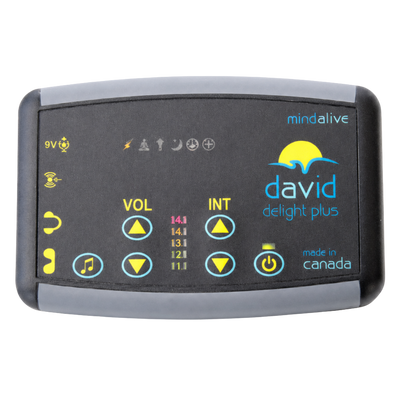
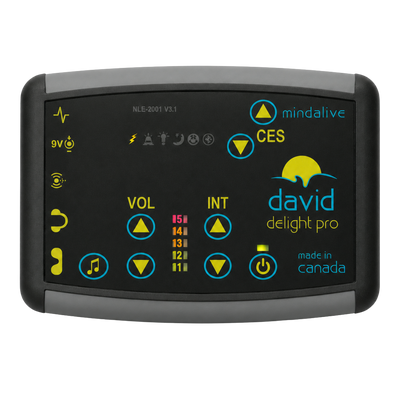
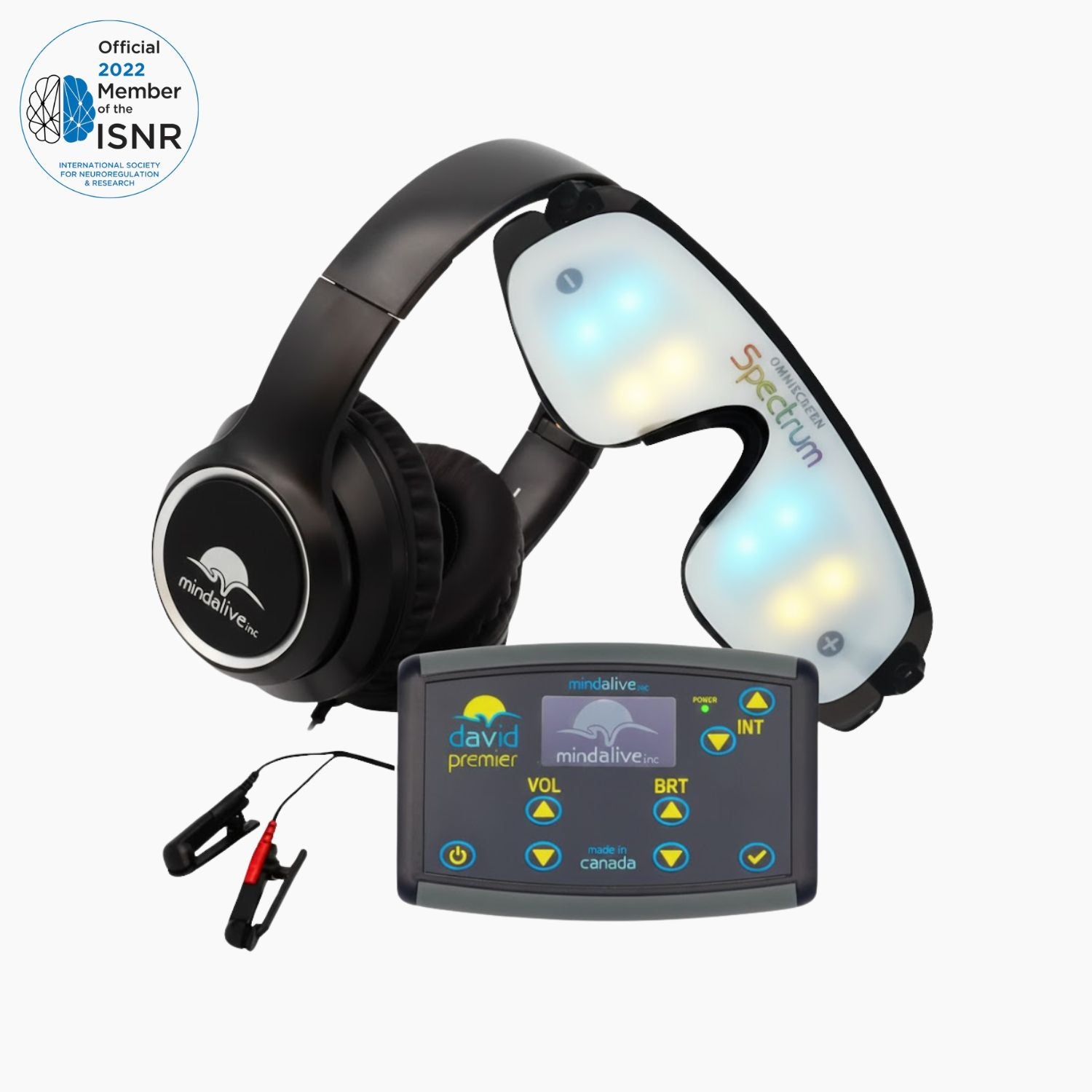
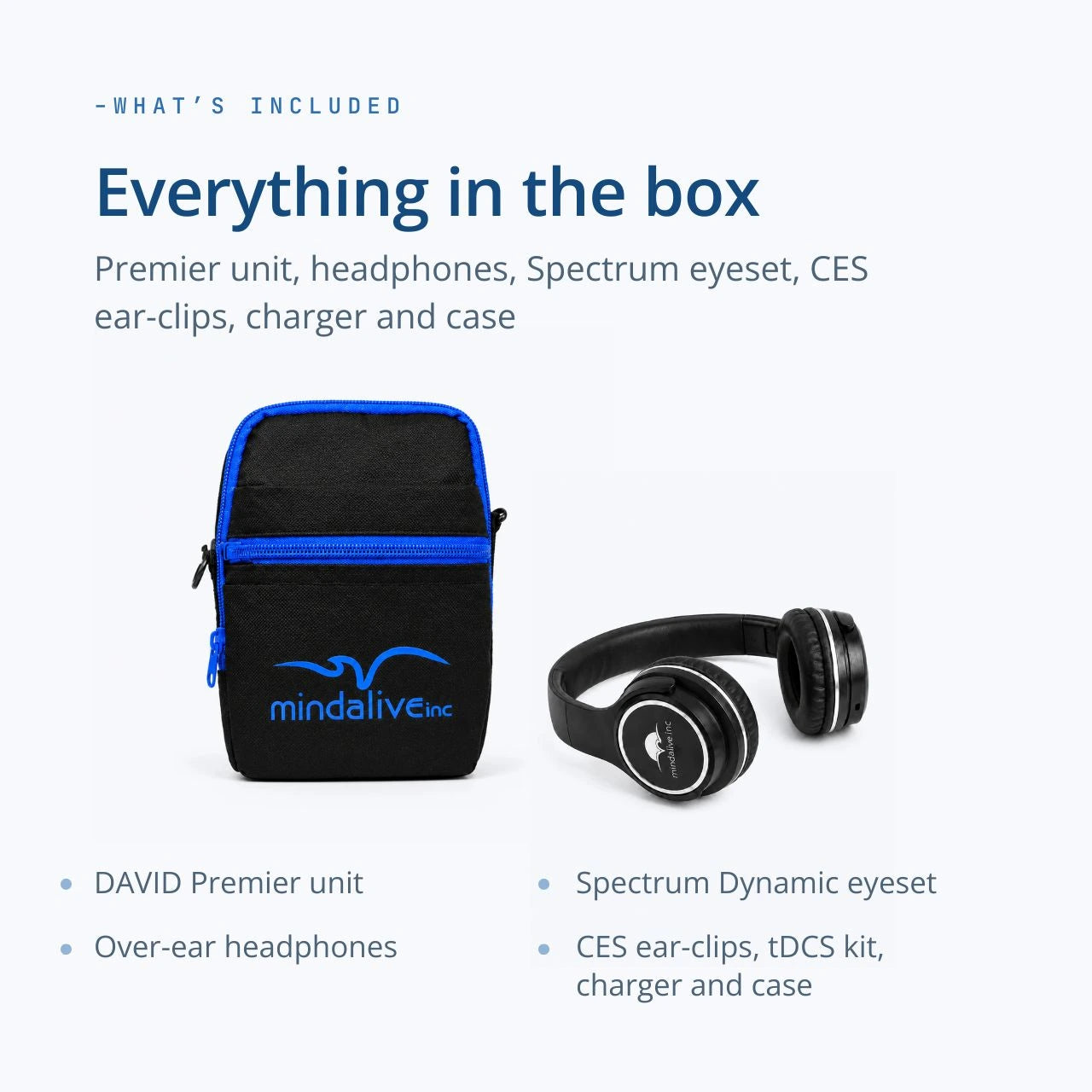
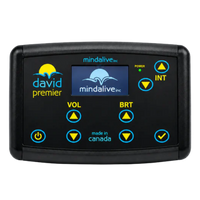
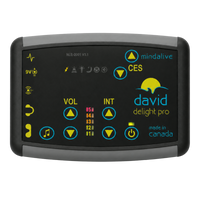
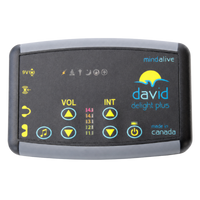
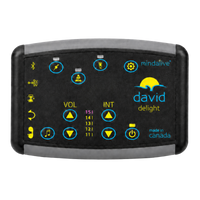
MindAlive devices fall into the AVE (light + sound) category—designed for guided, repeatable sessions. If AVE is the best-fit method for your goal, choose the option that minimizes friction and maximizes comfort. That’s the decision that determines whether you’ll actually use it.
Explore a guided AVE option →Disclaimer: This article is for educational purposes and does not replace medical advice. Always follow official device instructions and consult a qualified professional for medical concerns.