

How Therapists Add AVE to a Session Plan
Yrian BrugmanHow therapists add AVE to a session plan is less a question of replacing a method you already trust and more a question of sequencing. A 20 to 30 minute audio-visual entrainment (AVE) session can sit before talk therapy to settle a client's nervous system, after neurofeedback to consolidate a state, or as homework between visits. The part that trips practices up is not the technology, it is deciding where it fits, who it suits, and how to document it like any other tool in the room.
This guide walks through a practical way to build that plan, from intake to home practice, and where CES ear-clips change the picture. For device specs, protocol handouts and clinic pricing, the practitioners page is the starting point Mind Alive built for exactly this.
See the DAVID PremierKey Takeaways
- AVE sessions typically run 20 to 30 minutes and slot in before or after talk therapy, neurofeedback, chiropractic work or bodywork.
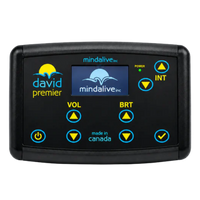
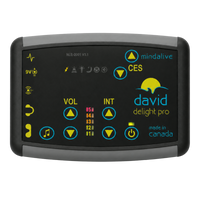
- Light and sound alone suits a simple relaxation add-on, while CES ear-clips (built into DAVID Delight Pro and DAVID Premier) suit practices already working with stress, sleep or focus complaints.
- A qEEG or a structured intake helps you choose a starting frequency range instead of guessing on session one.
- Informed consent should name photosensitive epilepsy, seizure history and implanted electronic devices as exclusions before any session starts.
- Home practice between visits, tracked through the DAVID companion app, keeps a plan moving without using clinic time.
Where AVE fits around existing work
Most practices that add AVE are not starting from zero. They already run talk therapy, neurofeedback, biofeedback, chiropractic adjustments or craniosacral work, and the question is where a light and sound session adds value rather than competes for time.
- Before a session: a short alpha or SMR protocol can settle a client who arrives activated, so the clinical conversation starts from a calmer baseline.
- After a session: theta or low-alpha ranges are sometimes used to help consolidate what came up in neurofeedback or somatic work, without extending the appointment much.
- As a standalone block: some practices book AVE on its own, 20 to 30 minutes, for clients whose main goal is relaxation, sleep or daytime focus rather than ongoing talk therapy.
None of this requires a separate room. A reclining chair, a quiet corner and the device is usually enough, which is part of why AVE has become a common add-on rather than a specialty in itself.
Building the session plan in four steps
A workable plan does not need to be elaborate. Most practitioners settle into a version of the following.
- Intake and screening. Confirm there is no history of photosensitive epilepsy or seizures, and no implanted electronic device such as a pacemaker or cochlear implant. Note current sleep, stress, focus or mood concerns in the client's own words.
- Protocol selection. Choose a starting frequency range based on the intake, or on a qEEG if one is available, rather than a single default session for every client.
- In-session or take-home. Decide whether the first few sessions happen in the clinic under supervision, with home use introduced once the client is comfortable with the eyeset and settings.
- Review and adjust. Check in after two to three weeks. Adjust session length, frequency range or frequency of use based on what the client reports, the same way you would adjust any other part of a care plan.
Choosing a device for the practice
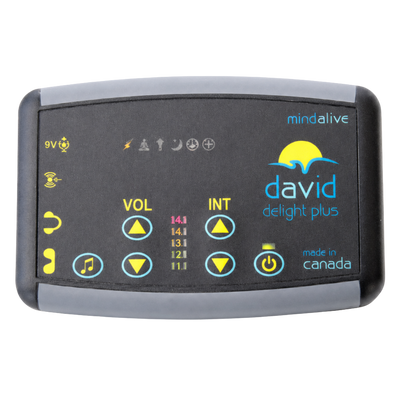
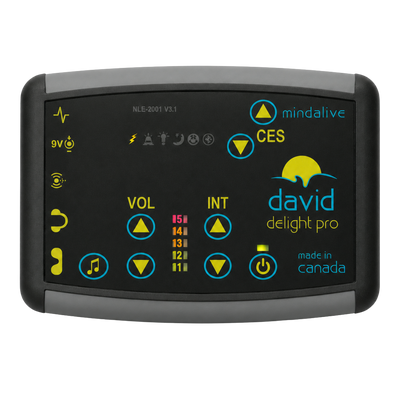
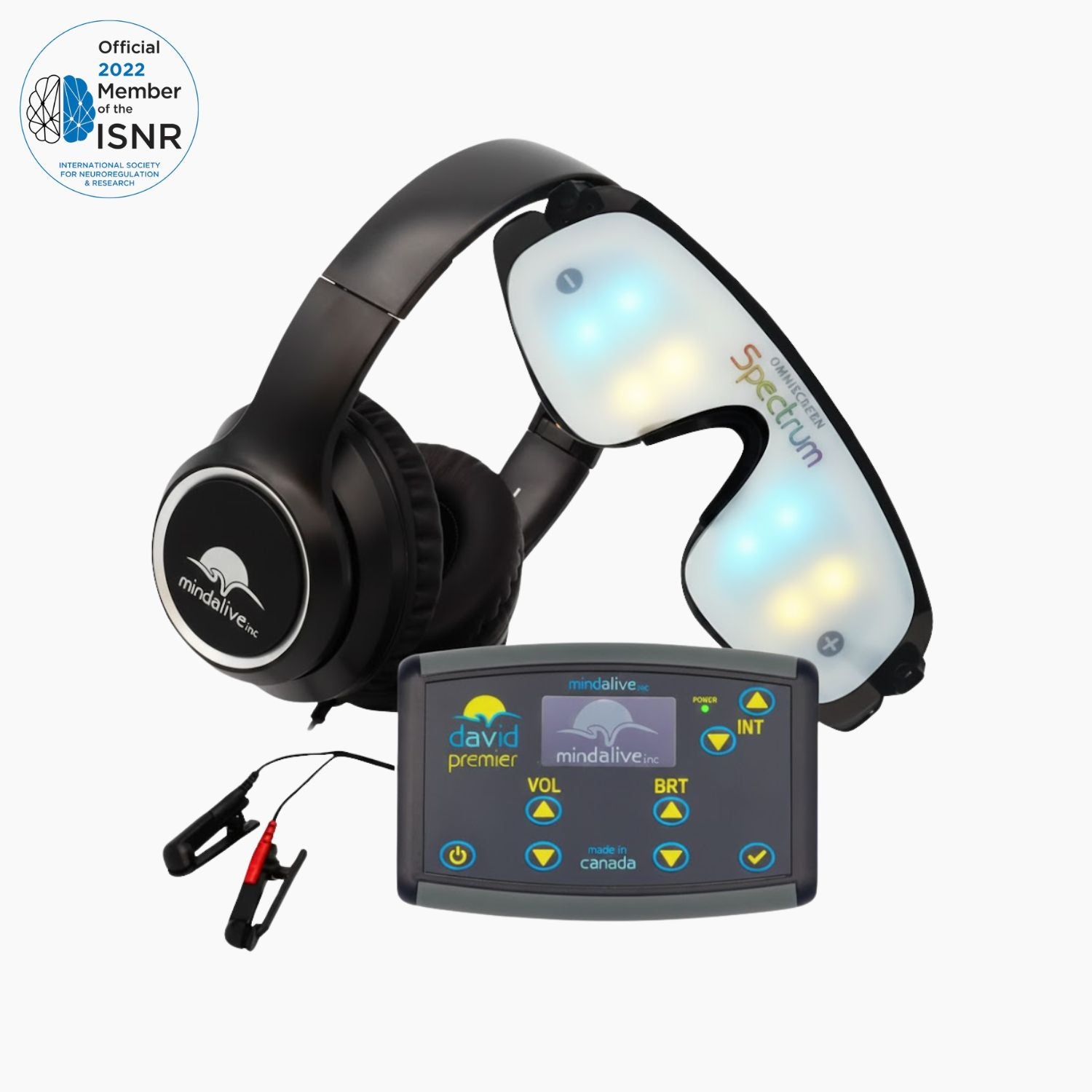
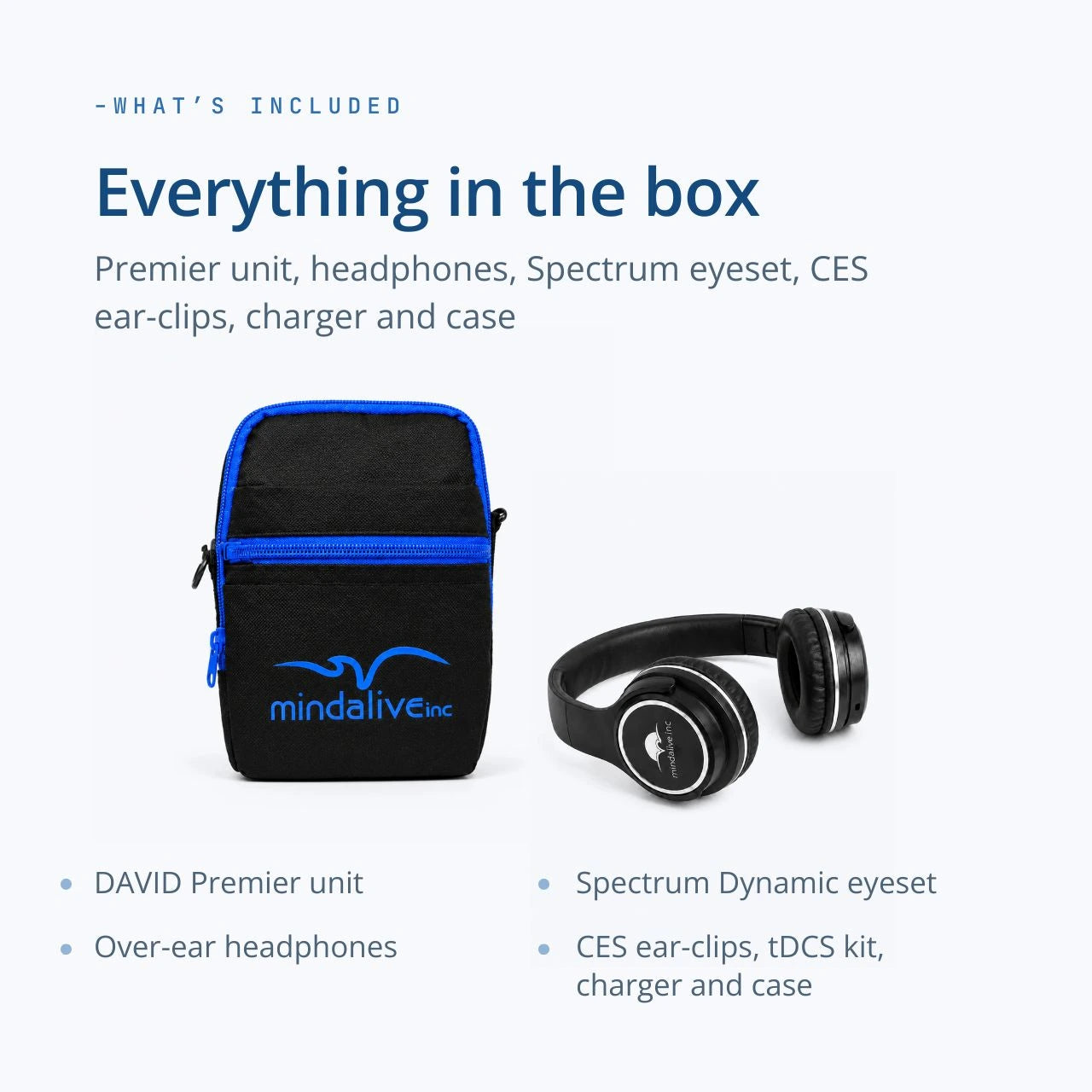
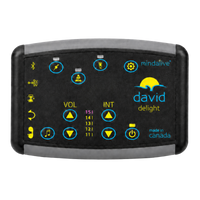
Which DAVID unit a practice buys usually comes down to whether CES and programmable protocol depth matter, or whether light and sound on its own covers the caseload.
| Feature | DAVID Delight Plus | DAVID Delight Pro | DAVID Premier |
|---|---|---|---|
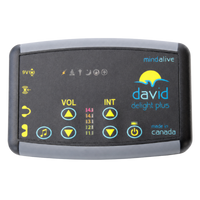
| Modality | Light and sound | Light, sound and CES ear-clips | Light, sound, CES, optional tDCS |
| Sessions | 25 plus 3 gamma | 25 plus 3 gamma | 50+ programmable |
| Typical buyer | Clients wanting light and sound only | Most clinics and home users | Practices building custom protocols |
| Price | $394.99 | $559.99 | $994.99 |
For a full side-by-side, the devices comparison page breaks down every model, and this guide covers the same ground in more depth.
Working from a qEEG or a structured intake
A qEEG report is not required to use AVE responsibly, but when a practice already has one on file, it gives a useful starting point rather than a blind guess. Elevated slow-wave activity in frontal regions, for example, has been studied in connection with attention difficulties, which is part of why Joyce and Siever (2000) looked at AVE in children with ADHD and found it worth further study as a non-drug option within a broader treatment plan. Without a qEEG, a structured intake covering sleep, stress and focus complaints does the same job less precisely but still well enough to pick a sensible starting range.
Clinical note: DAVID devices are not a medical device for treating disease. Sessions are studied for their effects on relaxation, sleep patterns and attention, and are used within broader protocols, not as a stand-alone diagnosis or cure.
CES ear-clips in a therapy practice
CES is the part of the protocol most new practitioners ask the most questions about. A few basics keep it simple.
- Ear-clips are used for a defined session length, not left running in the background of a longer appointment.
- Berg and Siever (2009) reviewed CES research in the context of anxiety and related complaints, which is the population most practices start with.
- Clients should be seated and relaxed during the session, the same posture used for AVE, so the two can often be combined in the DAVID Delight Pro or Premier rather than run as separate appointments.
- As with AVE, CES is not positioned as a cure. Document it as one input into a care plan, alongside whatever else the client is doing.
Home practice between appointments
Clinic time is expensive and limited, so most practices lean on home use to keep momentum between visits. This works best when the client has their own device, a short written protocol, and a way for the practitioner to see whether sessions are actually happening. The DAVID companion app covers session history, which turns "did you use it this week" into something you can check rather than ask.
Tang, Riegel, McCurry and Vitiello (2015) studied light and sound approaches to insomnia in older adults, a population where home consistency matters more than any single in-clinic session, which is a useful frame for how to talk to clients about why the home sessions count as much as the ones in your office.
Informed consent, contraindications and scope of practice
Treat AVE and CES consent the way you would any adjunctive tool: in writing, before the first session, and revisited if anything in the client's health history changes.
- Exclude clients with a history of photosensitive epilepsy or seizures.
- Exclude clients with an implanted electronic device such as a pacemaker or neurostimulator.
- Note that DAVID devices are not marketed to treat, cure or heal any condition. Sessions are described as studied for relaxation, sleep and attention support, used within a broader protocol you design.
- Keep the consent language consistent with your own licensing body's scope of practice for adjunctive technology.
- When in doubt, have the client check with their physician before starting, particularly if they are on medication that affects seizure threshold.
This is also the point to be plain with clients about logistics. Devices ship from Mind Alive in Canada by FedEx Express, with delivery in 2 business days to the United States and 3 to 5 business days elsewhere. Every order carries a 30-day money-back guarantee and a 1-year warranty, and clients outside Canada and the US are responsible for their own import duties and VAT, collected by FedEx at delivery.
FAQ: How Therapists Add AVE to a Session Plan
Do I need a qEEG before offering AVE to clients?
No. A qEEG is useful when you already have one, since it gives a more precise starting frequency range, but a structured intake covering sleep, stress and focus is enough to begin responsibly.
Can AVE and CES be used in the same session?
Yes. DAVID Delight Pro and DAVID Premier both combine light and sound with CES ear-clips in one unit, so many practices run both together rather than scheduling separate appointments.
How long before a client notices a difference?
This varies by person and by what they are using it for. Some clients report a shift in relaxation within the first few sessions, while sleep or focus changes studied in the research, such as Tang, Riegel, McCurry and Vitiello (2015) on insomnia, tend to show up over several weeks of consistent use rather than after one session.
Is the DAVID Premier only useful for large practices?
It is built for practices that want programmable protocols and optional tDCS, which suits clinics building custom sessions from detailed intake data. Smaller practices often do just as well starting with DAVID Delight Pro and adding Premier later if the caseload calls for it.
What if a client has a pacemaker or other implant?
Exclude them from both AVE and CES. An implanted electronic device is a standard contraindication, and it should be asked about directly during intake rather than assumed absent.
How do I track whether home sessions are actually happening?
The DAVID companion app logs session history on the client's device, which gives you a factual check-in point at the next appointment instead of relying on memory.
Can chiropractors or other non-talk-therapy practices use this too?
Yes. Many chiropractic and bodywork practices use a short AVE session as a relaxation add-on before or after a treatment, following the same intake and consent steps as any other adjunctive tool.