

The Brainwave Patterns Behind Low Mood
Yrian BrugmanWhy Motivation and Joy Don’t Return (Full Guide)
Low mood is more than feeling “a bit down.” For many people it feels like heaviness, mental fog, emotional flatness, loss of drive, slower thinking, irritability, or a sense of disconnection from things they used to enjoy. They try lifestyle changes, supplements, therapy, routines, even medication — yet the spark doesn’t come back.
What’s rarely explained is that low mood is not only psychological. It’s deeply tied to the brainwave rhythms that regulate energy, emotional processing, and motivation.
Why Low Mood Feels Like the System Is “Running Slow”
The brain uses different frequencies to manage everything from alertness to emotional balance. When those rhythms slow too much, or become unbalanced, people often describe:
- a feeling of being mentally heavy or sluggish
- difficulty starting tasks
- reduced passion and interest
- fatigue despite enough sleep
- lower emotional “color” or flatness
- overthinking but reduced drive
This happens because mood is heavily influenced by the timing and rhythm of the nervous system — not just chemistry.
Low mood often isn’t a lack of willpower.
It’s the brain running a slowed, low-energy rhythm it can’t break out of.
The Brainwaves Most Commonly Linked to Low Mood
People with persistent low mood often show a pattern of being “stuck” in slower brainwave states, paired with difficulty accessing the frequencies that support drive, engagement, and emotional clarity.
| Brainwave Pattern | What It Normally Supports | When It Becomes Dysregulated | How It Feels |
|---|---|---|---|
| Low Alpha | Relaxed focus, smooth thinking, emotional openness | Too much or too dominant | Fog, low motivation, difficulty starting tasks |
| Theta | Creativity, emotional processing, reflection | Excessive during the day | Driftiness, sadness, low energy, emotional heaviness |
| High Beta | Engagement and activation | Too low, not enough activation | Lack of drive, slowed mental speed, apathy |
| Delta | Deep sleep and restoration | Poor deep sleep → low daytime regulation | Fatigue, emotional dullness, poor recovery |
The result is a nervous system running patterns that are too slow to support motivation — and too unstable to support emotional resilience.
Why Standard Approaches Help — but Often Don’t Fully Lift Low Mood
Therapy, movement, sunlight, supplements, and medication all matter. They improve resilience and biochemical balance. But many people still say:
“I’m functioning… but I’m not myself.”
“I don’t feel sad, just flat.”
“There’s no spark. Everything feels muted.”
A key reason is that mood doesn’t lift fully when the underlying brainwave patterns remain stuck in low-energy states.
Why People Say They Feel “Numb” or “Disconnected”
Emotional richness requires a flexible nervous system — one that can shift between slower and faster frequencies as needed. When the brain struggles to reach the frequencies that support engagement, joy, or forward momentum, life begins to feel blurry, muted, or colorless.
This is not a character flaw. It’s a rhythm imbalance.
Why Binaural Beats Usually Aren’t Enough
Binaural beats can offer mild soothing or focus, but the signal is often too subtle to meaningfully shift the deeper rhythms involved in low mood. People dealing with mood stagnation often need a stronger, more structured cue to guide the brain into healthier states.
A More Effective Route: Structured Brainwave Entrainment
The brain naturally synchronizes with rhythmic stimulation — a mechanism known as the frequency-following response. When sound and light frequencies are combined, the brain receives a clearer, stronger signal for shifting out of low-energy patterns and into states that support:
- increased emotional clarity
- higher mental energy
- better engagement and motivation
- improved mood stability
- stronger stress resilience
The DAVID Premier: Helping the Brain Regain Its Upward Momentum
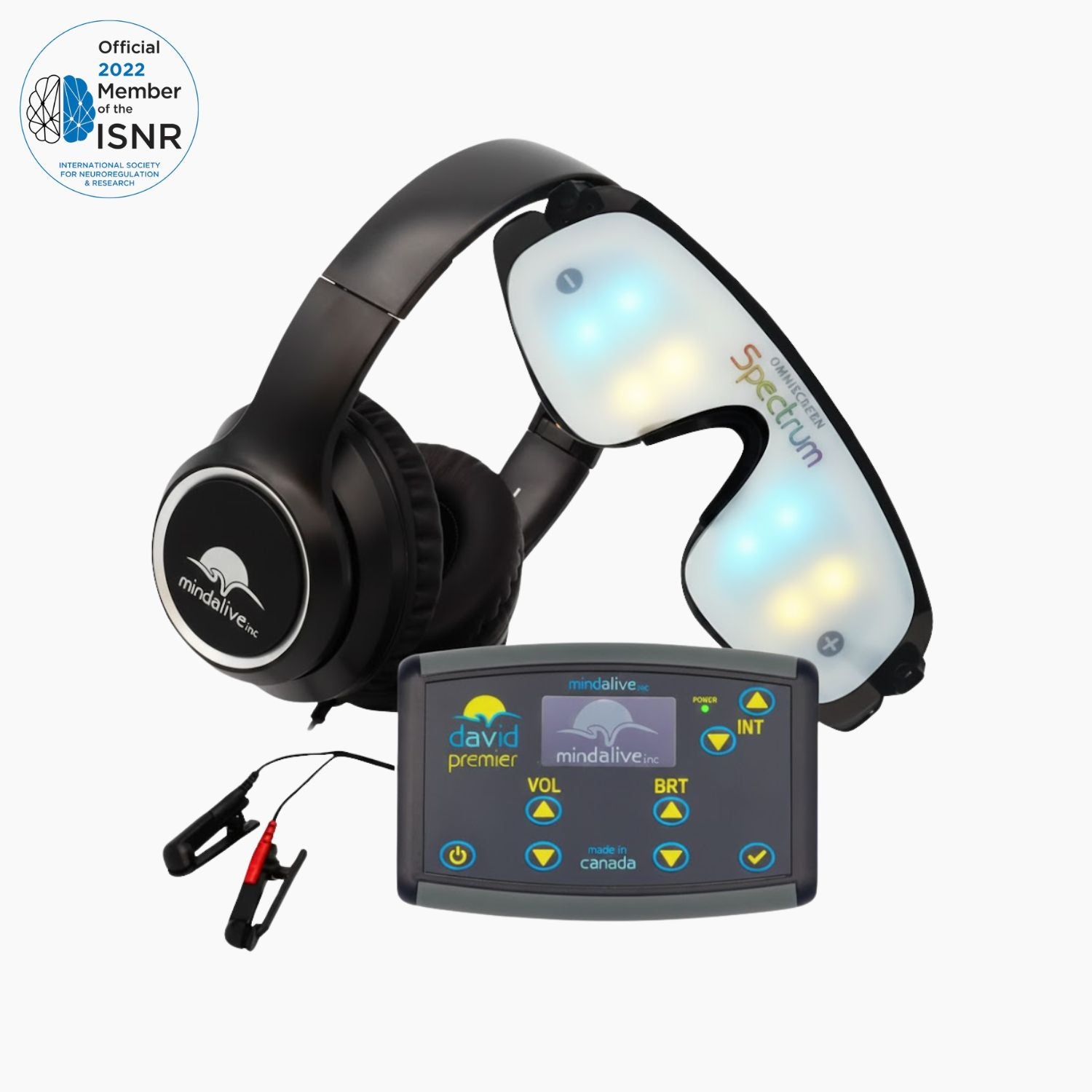
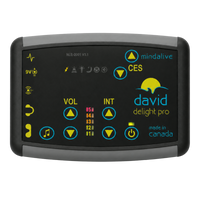
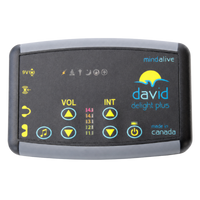
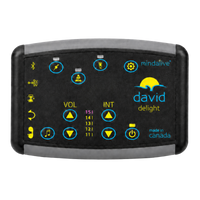
The DAVID Premier uses synchronized light and sound stimulation in carefully designed protocols that support the brain’s return to balanced, healthy rhythms. Sessions for mood elevate alpha and balanced beta activity, helping the nervous system shift out of sluggish, low-energy states.
It doesn’t replace therapy or medication — it supports the physiological foundation where they work best: emotional flexibility, mental clarity, and the ability to feel engaged with life again.
Many users describe:
- more emotional range instead of numbness
- feeling “more awake” mentally
- improved daily motivation
- fewer dips in mood throughout the day
- a sense of coming back to themselves
Low mood isn’t just about what you think — it’s about how your brain *functions*. Supporting its rhythms can unlock the upward momentum you’ve been missing.
Explore DAVID Premier