

The Brainwave Patterns Behind Sports Performance
Yrian BrugmanWhy Focus, Recovery, and Consistency Matter
Athletes spend countless hours training the body — building strength, endurance, power, and technique. But at higher levels of performance, physical ability is no longer the main differentiator. What separates good athletes from elite performers is something deeper: the ability to shift brainwave states at the right moment.
Focus. Reaction speed. Calm under pressure. Recovery between sessions. All of these depend on the nervous system — not just the muscles.
Why Physical Training Alone Isn’t Enough
Many athletes describe the same pattern:
- excellent training sessions but inconsistent competition results
- difficulty staying calm during high-pressure moments
- mental fatigue during long matches or races
- slow recovery despite optimal nutrition
- burnout from stress or overtraining
These issues aren’t caused by poor training — they’re caused by poor brainwave regulation. The mind isn’t shifting into the state required for the task.
Elite performance is a state of the nervous system.
Not just a product of physical conditioning.
The Brainwave States That Drive Athletic Performance
Every aspect of sports performance relies on specific brainwave frequencies. When these frequencies are out of balance, performance looks inconsistent and recovery becomes inefficient.
| Brainwave | Role in Sports | When Dysregulated | How It Feels |
|---|---|---|---|
| Beta | Focus, precision, decision-making, reaction speed | Too high → anxiety; too low → sluggishness | Overthinking or slow responses |
| Alpha | Relaxed readiness, timing, “flow state” | Too weak or unstable | Inconsistent performance, tension, poor timing |
| Theta | Creativity, adaptability, strategic awareness | Blocked by stress | Rigid thinking, performance choking, hesitation |
| Delta | Sleep, tissue repair, hormonal recovery | Reduced deep sleep | Fatigue, injury risk, poor recovery |
These rhythms form the foundation of the athlete’s mental performance system.
The Real Reason Athletes “Choke” Under Pressure
During high-stress situations — penalty shots, competition day, close matches, final reps — the brain often shifts into high-beta “threat mode.” This causes:
- tension in the body
- stiff movements
- tunnel vision
- slower reaction time
- poor decision-making
This is the opposite of what elite performance requires. Athletes need calm engagement — a dominant alpha state with supportive beta activity.
The Role of Recovery in Performance Longevity
Recovery is not passive. It is an active neurological process that depends on deep-wave activity during sleep. If delta sleep is reduced, athletes experience:
- slower muscle repair
- higher inflammation
- reduced growth hormone release
- poorer emotional control
- higher risk of injury
Many athletes think they have a training problem — when they actually have a recovery problem rooted in disrupted brainwave rhythms.
Why Binaural Beats Don’t Move the Needle for Athletes
Binaural beats provide a weak, audio-only signal. Athletes typically require stronger, clearer cues to influence the nervous system — especially under fatigue, stress, or competition intensity.
Multimodal entrainment (light + sound) gives the brain a more robust and reliable signal.
A More Effective Approach: Structured Brainwave Entrainment
When the brain receives rhythmic stimulation, it begins to synchronize with the frequency — a mechanism known as the frequency-following response. In athletes, this can support:
- entering flow state more easily
- stronger focus during training and competition
- faster adaptation and decision-making
- improved stress tolerance
- deeper and more restorative sleep
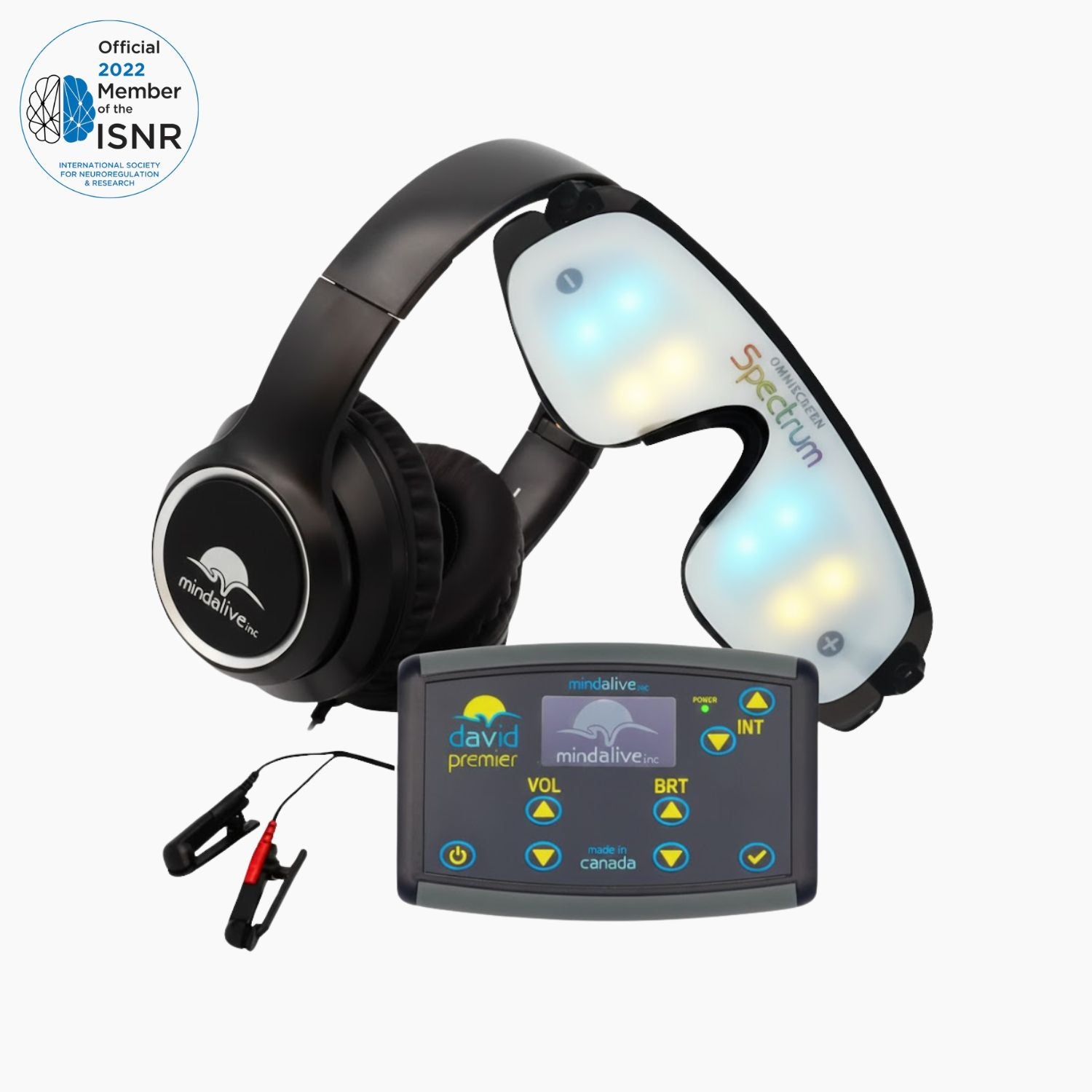
The DAVID Premier: A Performance Tool for Mind–Body Optimization
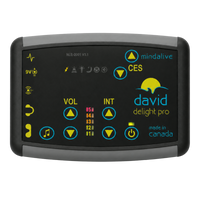
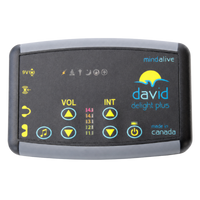
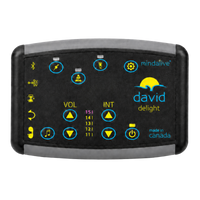
The DAVID Premier uses synchronized light and sound protocols to help athletes regulate brainwave states before, during, and after performance. It supports the shift into calm focus, accelerates recovery, and stabilizes the nervous system for consistent training outcomes.
Athletes using structured entrainment often report:
- clearer mental focus
- reduced performance anxiety
- faster post-training recovery
- better sleep quality
- more consistent, reliable performance
Physical training builds the body. Brainwave regulation builds the athlete.
Explore DAVID Premier