

The Brainwave Patterns Behind Anxiety in Children
Yrian BrugmanWhy Worry, Fear, and Overwhelm Feel So Big
Anxiety in children doesn’t always look like “worry.” Often it shows up as stomach aches, refusal to go to school, crying, anger, perfectionism, sleep problems, clinginess, or sudden meltdowns over small things. Parents can feel confused because the child may seem fine one moment — and overwhelmed the next.
A helpful way to understand childhood anxiety is this: it’s not just a thought problem, it’s a nervous system state problem. The child’s brain and body are shifting into high-alert rhythms too easily, and they have trouble switching back into calm regulation.
Children don’t choose anxiety.
Their nervous system is reacting as if the world is unsafe — even when it isn’t.
Why Anxiety Looks Different in Kids
Children often can’t explain anxiety in words. Instead, you may see:
- avoidance (school, sports, friends)
- physical complaints (headaches, nausea, stomach pain)
- irritability or anger
- difficulty separating from parents
- trouble falling asleep or frequent night waking
- fear of mistakes, reassurance-seeking, perfectionism
These behaviors are protective responses. They are the child’s attempt to reduce nervous system activation.
The Brainwave Patterns Common in Childhood Anxiety
Childhood anxiety often involves a shift toward faster, threat-based rhythms and reduced access to the calming rhythms needed for emotional regulation and sleep.
| Brainwave Pattern | Healthy Role in a Child | Common Anxiety Shift | How It Looks Day-to-Day |
|---|---|---|---|
| High Beta | Alertness when needed | Triggers too easily and stays elevated | Worry, restlessness, panic feelings, irritability |
| Alpha | Calm regulation, emotional settling | Suppressed or unstable | Hard to relax, difficulty “switching off” |
| Theta | Emotional processing, sleep entry | Disrupted by hyperarousal | Overwhelm, trouble sleeping, emotional sensitivity |
| Delta | Deep restorative sleep | Reduced or fragmented | Night waking, fatigue, more reactivity next day |
These rhythm shifts help explain why anxious children can be exhausted and still unable to calm down.
Why School and Social Situations Trigger Anxiety
For many kids, anxiety increases in environments that demand performance, fast adaptation, or social uncertainty. Common triggers include:
- school transitions and new teachers
- tests, presentations, or being called on
- sports performance and competition
- friendship conflict or fear of rejection
- sensory overload (noise, crowded rooms)
These situations push the nervous system into high-beta threat mode. Once there, the child’s body starts producing symptoms — and the child learns to avoid the trigger to feel safe again.
Why Reassurance Often Stops Working
Parents naturally try to calm a child with logic:
- “You’re safe.”
- “Nothing bad is going to happen.”
- “It will be okay.”
But when a child is in high-alert mode, the thinking brain is not in control. The body is already sending danger signals. This is why reassurance helps briefly — then the fear returns.
Why Sleep Problems Are a Core Part of Childhood Anxiety
Anxious children often struggle most at night because the brain finally has silence — and the nervous system starts scanning for threat. You may see:
- bedtime resistance
- nighttime worries
- nightmares
- difficulty staying asleep
- morning meltdowns due to fatigue
Poor sleep reduces emotional regulation the next day, making anxiety stronger. This creates a cycle that can feel impossible to break.
Therapy Helps — and Some Kids Still Feel Physically Stuck
Therapy is powerful for children with anxiety. It builds coping skills, emotional literacy, and confidence. But many families still notice:
“My child understands the tools, but their body still panics.”
This often means the nervous system needs support to downshift out of high-alert rhythms — so the tools can actually work.
Why Binaural Beats Are Often Not Enough for Children
Audio-only cues can be too subtle for anxious nervous systems, and some children find sound-based methods irritating or overstimulating. Many children need a clearer, structured signal that guides the brain into calmer rhythms more reliably.
A More Effective Approach: Structured Brainwave Entrainment
When light and sound stimulation are combined in structured protocols, the brain’s frequency-following response becomes stronger. For children with anxiety, this can support:
- reduced high-beta hyperarousal
- stronger alpha regulation (calm states)
- better sleep onset and deeper sleep
- improved emotional flexibility during the day
- less overwhelm in school and social settings
This does not replace therapy or parenting support — it helps the child’s nervous system become more trainable and stable.
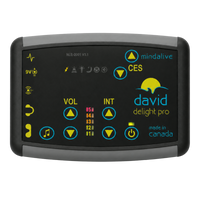
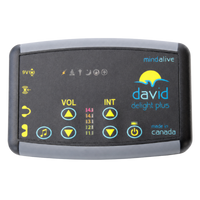
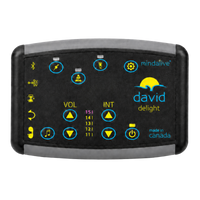
The DAVID Premier: Supporting Calm, Sleep, and Emotional Regulation in Children
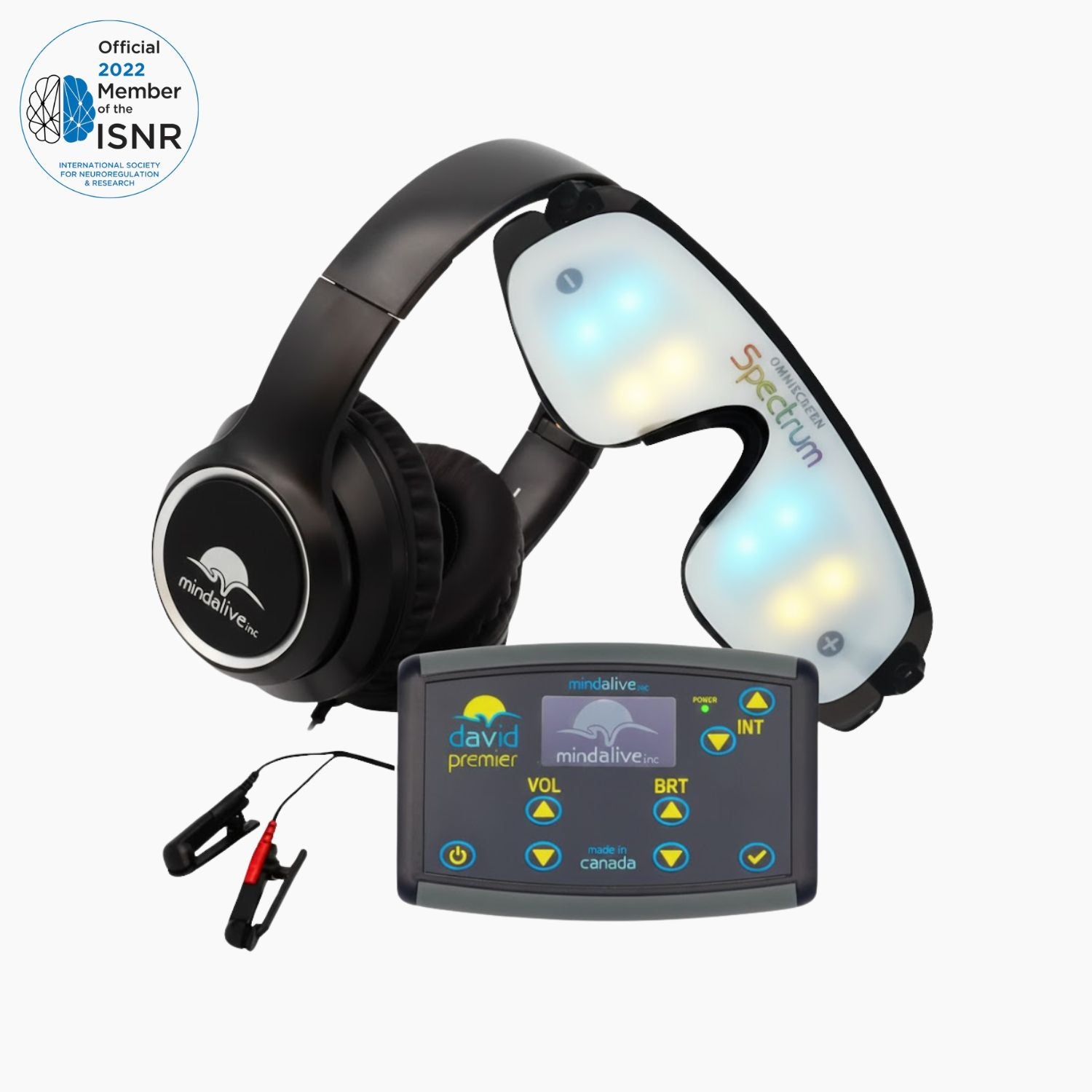
The DAVID Premier uses synchronized light and sound sessions designed to guide the brain toward calmer rhythms. Families often use relaxation and sleep-focused protocols to help children settle at night and build a stronger calm baseline.
Parents commonly report improvements in:
- easier bedtime routines
- fewer nighttime awakenings
- less emotional reactivity
- more resilience in school situations
- a calmer, more regulated child during the day
Childhood anxiety is not a personality flaw. It is a nervous system that needs help finding safety again — and supporting the right rhythms can make that possible.
Explore DAVID Premier