

The Brainwave Patterns Behind PTSD
Yrian BrugmanWhy the Nervous System Can’t Reset
PTSD is not simply “remembering something traumatic.” It is a condition where the nervous system becomes locked into survival mode — a state designed for moments of extreme danger, not daily life. Behind the hyperarousal, nightmares, flashbacks, panic, numbness, and overwhelm, there is a deeper neurological mechanism at work: the brain’s rhythm system has become dysregulated.
Understanding these rhythms explains why PTSD feels unpredictable, why symptoms persist long after the event, and why the body reacts as if the danger is still happening.
When Trauma “Freezes” the Nervous System
Trauma floods the brain with stress hormones and pushes neural activity into high-frequency survival patterns. Afterward, many brains return to baseline — but others get stuck. They stay hypervigilant, reactive, or emotionally shut down because their brainwaves never fully stabilize.
This is why PTSD can include both intense reactivity and deep emotional numbness. The nervous system is switching between extreme states without ever reaching true calm.
PTSD is not a memory problem.
It is a stuck “state” problem — the brain cannot shift out of survival mode.
The Brainwave Patterns Most Common in PTSD
PTSD involves predictable disruptions in key brainwave rhythms. These patterns explain the symptoms better than psychology alone.
| Brainwave Pattern | Normal Role | PTSD Disruption | How It Feels |
|---|---|---|---|
| High Beta | Threat detection, alertness | Persistently elevated | Hypervigilance, anxiety, muscle tension |
| Alpha | Calm processing, emotional regulation | Suppressed or unstable | Inability to relax, intrusive thoughts |
| Theta | Emotional integration, memory processing | Dysregulated or blocked | Nightmares, flashbacks, emotional overwhelm |
| Delta | Deep sleep, healing, restoration | Fragmented or reduced | Insomnia, fatigue, low resilience |
These rhythm disruptions are why PTSD feels physical as well as emotional.
Why PTSD Symptoms Don’t Fade on Their Own
PTSD is often described as the body “keeping the score.” This is because the survival system stays active, sending signals that the world is unsafe even in calm environments.
People with PTSD frequently report:
- being startled by small sounds
- difficulty relaxing in quiet rooms
- intense reactions to reminders
- difficulty concentrating or staying present
- chronic tension in the body
These are not psychological failures — they are neurological consequences of stuck brainwave states.
Why Sleep Problems Are Central to PTSD
Deep sleep is the nervous system’s reset mechanism. But PTSD severely disrupts sleep architecture, especially delta and REM cycles. Trauma survivors often experience:
- difficulty falling asleep
- nightmares or re-experiencing trauma during dreams
- frequent waking
- poor emotional regulation the next day
Without deep restorative sleep, the brain cannot downshift out of survival patterns. The cycle continues.
Why Talk Therapy Alone Sometimes Isn’t Enough
Therapy is essential — it provides understanding, emotional safety, and tools to process trauma. But many people say:
“I understand what happened, but my body still reacts.”
This happens when the cognitive part of healing is progressing, but the brainwaves remain dysregulated. Trauma lives in the nervous system, not just the mind.
Why Binaural Beats Rarely Help People With PTSD
Binaural beats require a stable baseline for the brain to follow their subtle auditory signal. But PTSD disrupts baseline rhythms so deeply that gentle audio-only input is usually not strong enough to shift state.
Trauma-exposed nervous systems need clearer, more structured cues to find safety again.
A More Effective Approach: Structured Brainwave Entrainment
When the brain receives rhythmic light and sound stimulation simultaneously, a strong frequency-following response activates. For people with PTSD, this can support:
- downshifting from hyperarousal
- reducing high-beta activity
- restoring alpha for calm regulation
- supporting theta for emotional processing
- rebuilding delta sleep for restoration
This does not replace trauma therapy — it helps the nervous system become receptive to healing.
The DAVID Premier: A Tool for Nervous System Stabilization
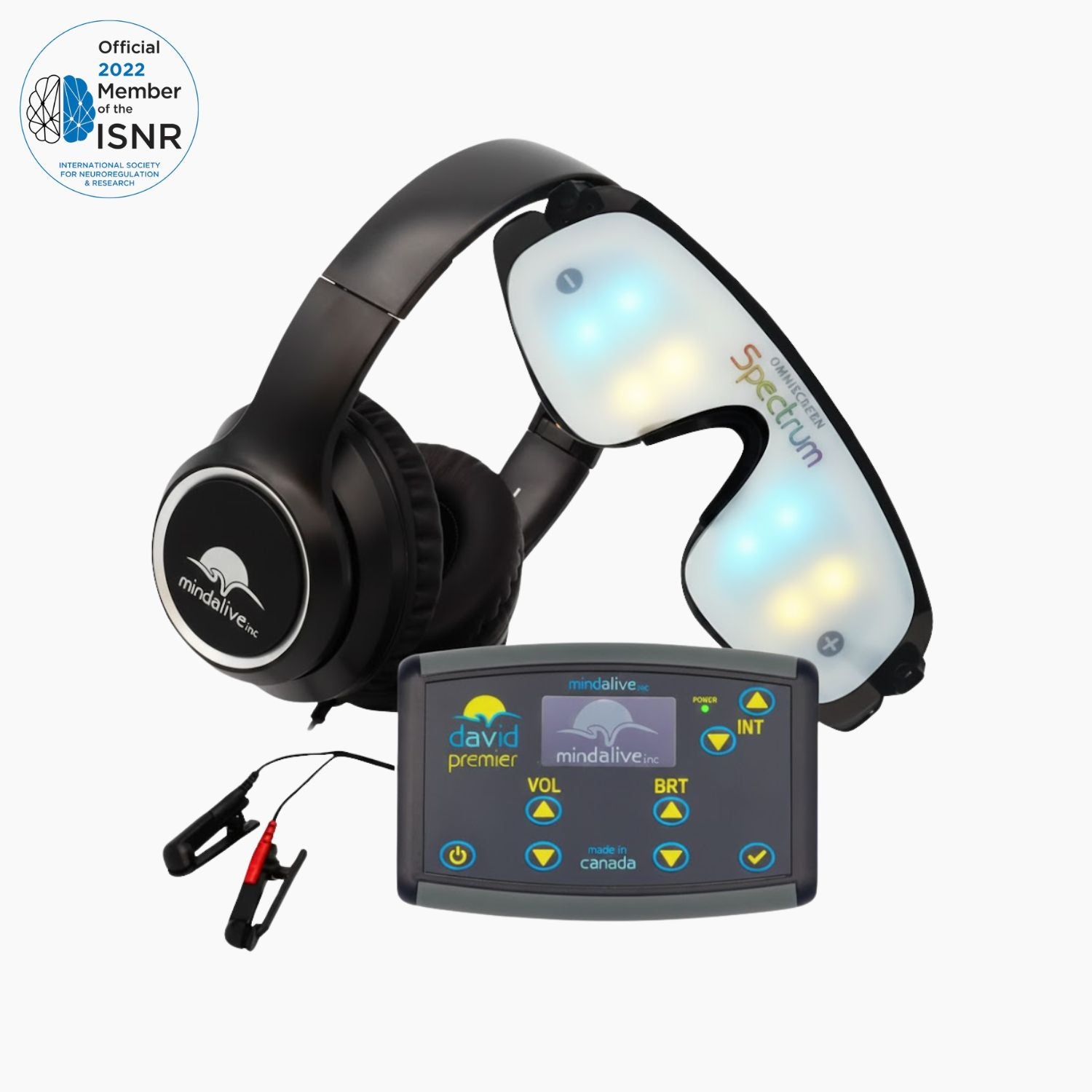
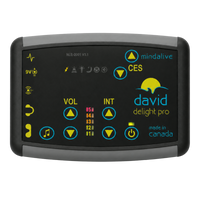
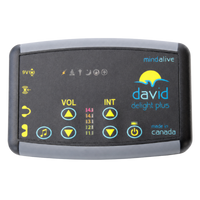
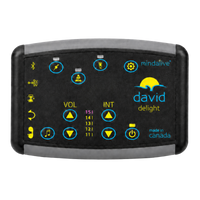
The DAVID Premier uses synchronized light and sound protocols designed to stabilize brainwave patterns disrupted by trauma. Relaxation sessions reduce hyperarousal, sleep sessions restore restorative rhythms, and deep-processing programs support emotional integration.
Many trauma survivors describe:
- feeling safer in their own body
- fewer spikes of panic or startle responses
- deeper, more stable sleep
- greater emotional balance
- more capacity to benefit from therapy
Trauma is not a lifelong sentence. With the right support for the nervous system, the brain can learn to feel safe again.
Explore DAVID Premier