

Master Your Mind: Persuasive Arguments for Mindfulness Meditation
Mind AliveIn the hustle and bustle of modern life, where every tick of the clock seems to push us further into stress, deadlines, and unending to-do lists, the call for mindfulness meditation has never been louder. It is a practical refuge, offering a moment of pause, a chance to collect oneself, and a gateway to a healthier, more balanced life. But why is mindfulness meditation beneficial? What scientific and practical arguments can make us embrace it wholeheartedly?
The Science Behind Mindfulness Meditation

Mindfulness meditation is more than just a trendy wellness buzzword. It is rooted in centuries-old practices that have now been embraced and validated by modern science. Neurological studies have demonstrated that regular meditation practice can lead to significant changes in the brain. Through neuroplasticity — the brain's ability to reorganize itself by forming new neural connections — meditation enhances areas involved in attention, emotional regulation, and self-awareness.
Reducing Stress: One of the primary reasons people turn to mindfulness is its powerful effect on stress reduction. When we meditate, our bodies experience a state of deep rest that is the physiological opposite of stress. Mindfulness specifically has been shown to decrease levels of cortisol, the hormone that contributes to stress-related symptoms. A consistent practice empowers individuals to respond to stress with greater clarity and calmness.
Improving Emotional Health: Through mindful meditation, individuals often report a heightened sense of well-being. Studies have highlighted how this practice reduces symptoms of depression and anxiety. By focusing on the present moment and acknowledging thoughts and feelings without judgment, mindfulness meditation fosters emotional balance.
Enhancing Focus and Concentration: The world today demands multitasking, often at the expense of attention span. Mindfulness meditation disciplines the mind to concentrate on a single focal point — such as the breath or a mantra — which helps increase focus in daily tasks. As a result, practitioners often experience improved concentration and cognitive flexibility.
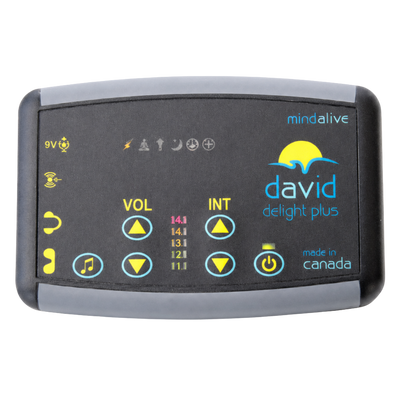
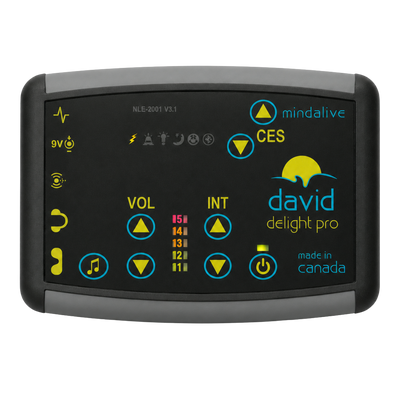
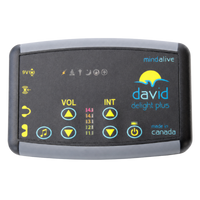
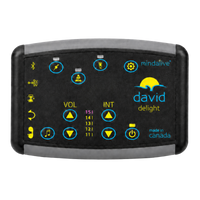
For those looking for tools to assist in achieving deeper states of meditation and relaxation, devices like the DAVID Delight and the DAVID Delight Pro offer brainwave entrainment technology, which uses light and sound to guide users into a meditative state.
Practical Benefits of Mindfulness Meditation

Beyond the scientific, the practical implications of mindfulness meditation are far-reaching and impactful in everyday scenarios.
Better Decision-Making: By fostering a more present and thoughtful mind, meditation helps improve decision-making skills. Practitioners often find themselves more equipped to consider options thoroughly without being clouded by stress or emotional bias.
Enhanced Relationships: Mindfulness promotes empathy and understanding. Learning to listen deeply and respond from a place of present awareness rather than reactive emotion often leads to more fulfilling and connected interactions with loved ones.
Greater Resilience: Life's challenges and adversities become easier to manage with a grounded mindset. Mindfulness provides the tools to cope with difficulties, building resilience and reducing the impact of suffering.
Improved Sleep: For many, sleep can be elusive, disturbed by racing thoughts and anxiety. Mindfulness helps calm an overactive mind, ushering in a more tranquil and restorative rest. For those who need additional support, the OASIS PRO CES can provide Cranio-Electro Stimulation to enhance relaxation and improve sleep quality.
Incorporating Mindfulness Into Your Routine

Starting a meditation practice may feel daunting, but it can be as simple as incorporating short moments of mindfulness throughout your day. Morning quiet time, mindful breathing exercises, or even using apps for guided meditation can all be beneficial steps towards a consistent practice. Devices such as the TDCs Kit can further enhance meditation sessions by utilizing transcranial direct current stimulation to boost brain function and focus.
Getting Started

- Set Your Intention: Define why you want to practice mindfulness meditation. Is it for stress reduction, emotional health, or improved focus? Understanding your personal goals can keep you motivated.
- Create a Dedicated Space: Choose a quiet space free from distractions. Whether it’s a corner in your home or a spot in the garden, having a consistent place helps your mind associate that location with calm.
- Start Small: Engage in short sessions — even five minutes can make a difference. Gradually increase the duration as you become more comfortable with the practice.
- Use Available Tools: For those who prefer structured guidance or added technological support, consider integrating products like the DAVID Delight Pro to aid in achieving deeper mindfulness states.
Conclusion
In embracing mindfulness meditation, one does not simply take on a new habit; one embarks on a transformative journey towards mental clarity, emotional stability, and overall wellness. It equips us to navigate life's challenges with fortitude and grace, allowing us to cultivate inner peace in a chaotic world.
To explore more resources and tools related to mindfulness and brain wellness, visit Mind Alive.
By understanding and experiencing the myriad benefits of mindfulness meditation, we truly begin to master our minds and, in doing so, master our lives.