

The complete 2026 guide to binaural beats
Yrian Brugman
Binaural Beats · 2026 Science
Your complete, practical guide to understanding binaural beats, how they influence brainwaves, and how to use them for focus, relaxation, creativity, sleep, and emotional balance.
Perfect for beginners and experienced users seeking natural or technology-assisted mental wellbeing tools.
What Are Binaural Beats?
Binaural beats occur when you listen to two slightly different tones — one in each ear — through headphones. Your brain integrates these tones and creates a perceived third rhythm: the difference between the two frequencies.
- Left ear: 210 Hz
- Right ear: 218 Hz
- Perceived beat: 8 Hz (alpha state)
This perceived beat gently guides your brainwave activity toward a specific frequency range, such as relaxation, creativity, meditation, or sleep.
Why Use Binaural Beats?
Binaural beats offer a simple, non-invasive way to influence brainwave activity. Research is ongoing, but many studies suggest benefits for cognitive performance, mood, and nervous system regulation.
Key benefits include:
- Reduced stress and mental tension
- Improved focus and concentration
- Better sleep quality (especially with delta/theta frequencies)
- Enhanced creativity and flow
- Emotional balance and reduced overthinking
- Calmer breathing and heart rate
The 5 Main Binaural Beat Frequency Ranges
1. Delta (0.5–4 Hz) — Deep Sleep & Healing
Supports restorative sleep, recovery, and stress reduction.
2. Theta (4–8 Hz) — Meditation & Emotional Release
Great for deep relaxation, visualization, dreaming, and intuition.
3. Alpha (8–12 Hz) — Relaxed Focus
The perfect state for calm thinking, mental clarity, and light creativity.
4. Beta (13–30 Hz) — Active Focus
Useful for study sessions, cognitive performance, and alertness.
5. Gamma (30–80 Hz) — Peak Mental Performance
Linked to insight, high-level problem solving, and strong concentration.
How Binaural Beats Affect the Brain (2026 Understanding)
Researchers believe binaural beats work through brainwave entrainment—the process of synchronizing brain activity to external rhythmic stimulation.
Key measurable effects include:
- reduction in high-beta stress-related activity
- increased alpha/theta activity
- activation of the parasympathetic nervous system
- lower cortisol levels
How to Use Binaural Beats Correctly
1. Use Headphones
Binaural beats only work when each ear receives a distinct tone.
2. Select the Right Frequency
- 8–12 Hz → relaxed focus (alpha)
- 6 Hz → deep relaxation
- 4–6 Hz → meditation (theta)
- 1–4 Hz → deep sleep (delta)
3. Listen for 10–20 Minutes
The brain needs time to synchronize with the rhythm.
4. Keep the Volume Low
Soft, comfortable volume works best.
5. Combine With Breathwork or Meditation
This significantly enhances the alpha/theta response.
Binaural Beats vs. Other Brainwave Tools
1. Binaural Beats (Sound Only)
Simple, accessible, and effective for light relaxation and focus.
2. Isochronic Tones
Stronger rhythmic pulses — work without headphones.
3. Audio-Visual Entrainment (AVE)
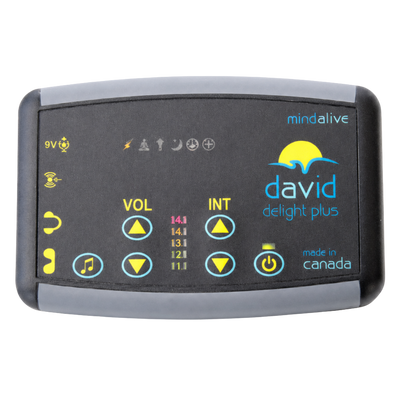
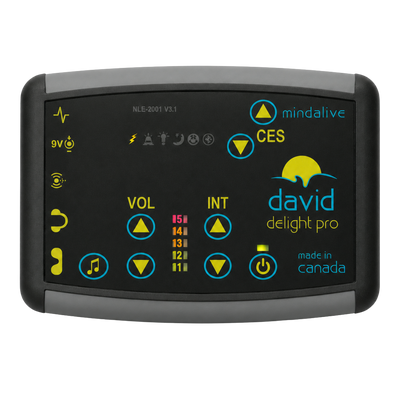
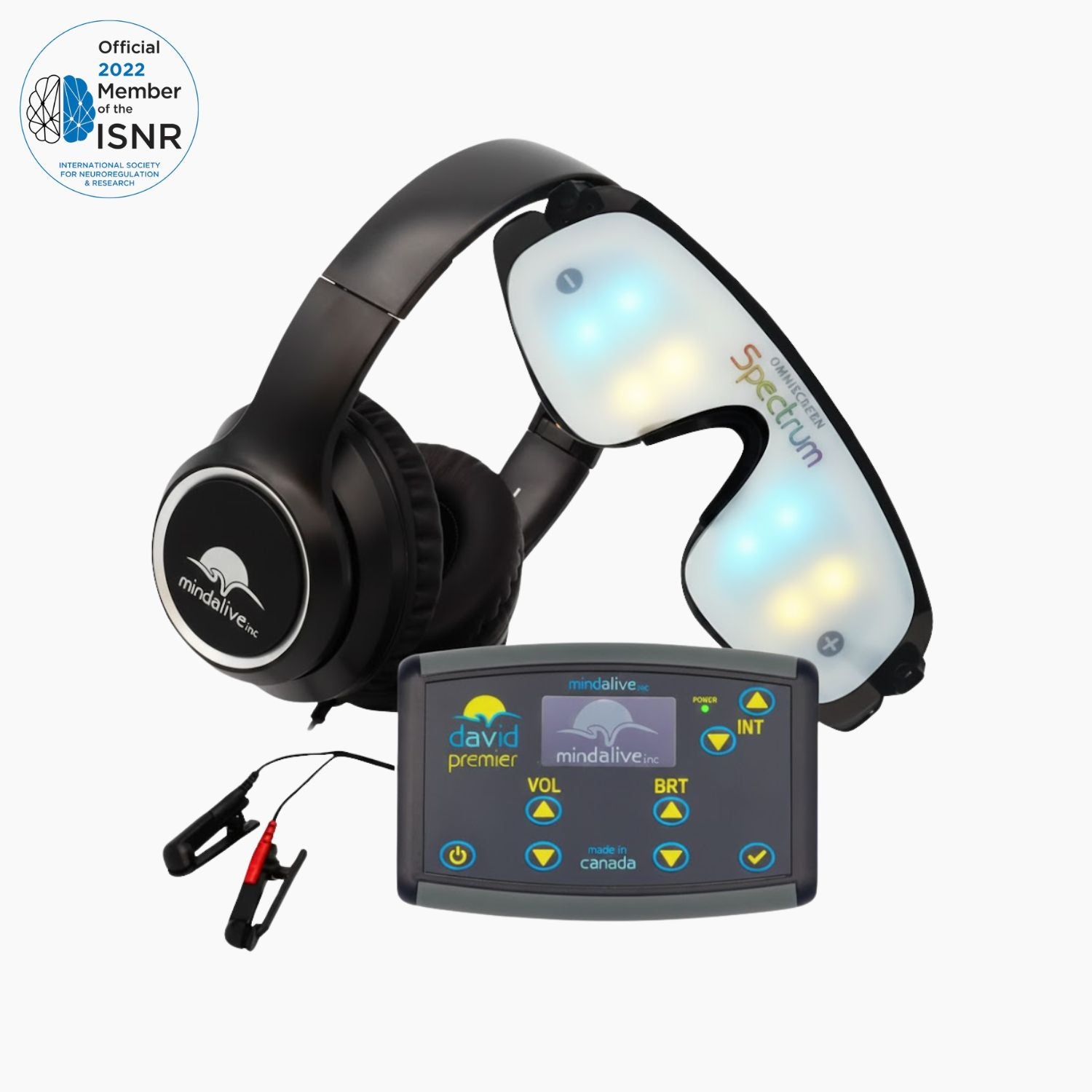
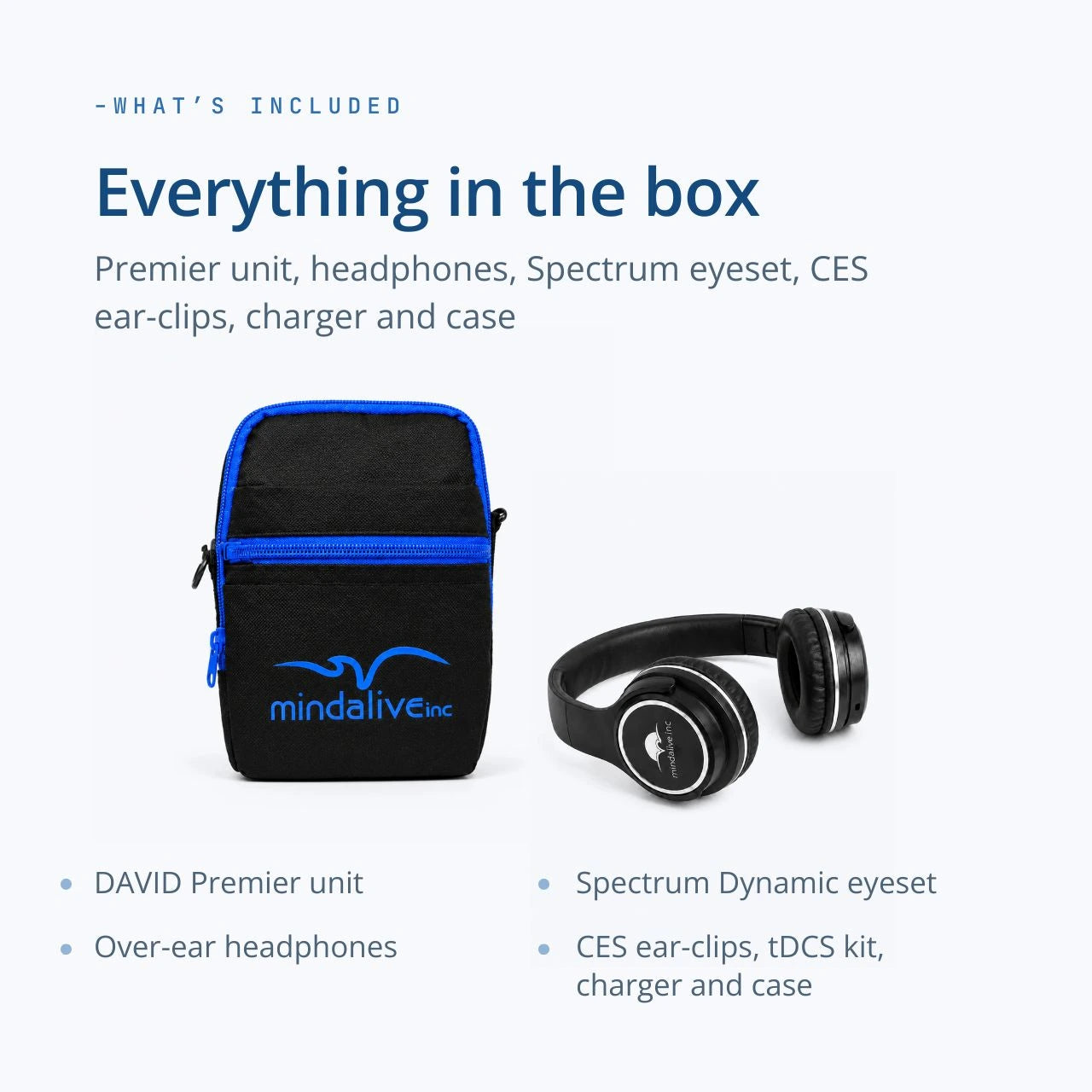
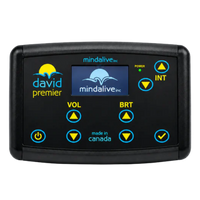
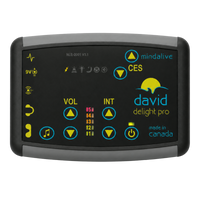
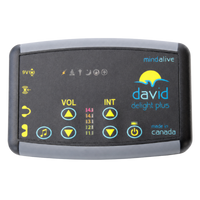
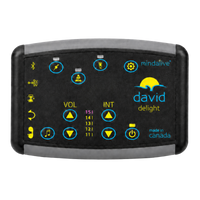
Uses flashing light + rhythmic sound to entrain brainwaves much faster and more powerfully than binaural beats alone.
Full guide: Brainwave Stimulation at Home
4. CES (Cranial Electrotherapy Stimulation)
Calms hyperarousal and improves relaxation, making binaural beats more effective.
5. Neurofeedback
Trains the brain to actively produce desired frequencies on command.
The Best Binaural Beats for Every Goal
For Focus
- 13–18 Hz beta beats
- Gamma boosters
For Relaxation
- 8–10 Hz alpha
- 6 Hz theta
For Sleep
- 1–4 Hz delta
For Creativity
- 8 Hz alpha–theta border
For Emotional Processing
- 4–6 Hz theta
A Simple 10-Minute Binaural Beats Routine
- Find a quiet, low-light environment.
- Put on comfortable headphones.
- Select an alpha or theta track.
- Breathe in for 4 seconds, out for 6.
- Let thoughts drift without engagement.
- Stop after 10 minutes and notice the shift.
Who Will Benefit Most?
Binaural beats are ideal for people who want:
- faster relaxation
- better focus without stimulants
- deeper sleep
- help with meditation
- more creativity and flow
- support with emotional regulation
For even faster and more consistent results, combine binaural beats with AVE technology. Learn more here: The Complete Guide to Brainwaves (2026)
Explore Brainwave Tools for Faster Results
Binaural beats are powerful — but technologies like AVE and CES deepen the effect significantly. Discover the systems recommended for relaxation, focus, and sleep.
Learn About At-Home Brainwave Tools