

Human Brainwaves by Age (2026 Guide): What’s Normal & Why It Matters
Yrian Brugman
Brainwaves · Development
An evidence-informed overview of how human brainwave activity changes across the lifespan.
Written for parents, educators, clinicians, and curious adults.
Human Brainwaves by Age
Human brainwaves are not static. From infancy through older adulthood, the brain’s electrical rhythms change dramatically as the nervous system matures, stabilizes, and gradually adapts to aging.
Understanding human brainwaves by age helps explain why children think, feel, and learn differently than adults—and why focus, emotional regulation, and mental speed evolve over time. This developmental lens is central to understanding human brainwaves by age across the lifespan.
1. What Are Brainwaves?
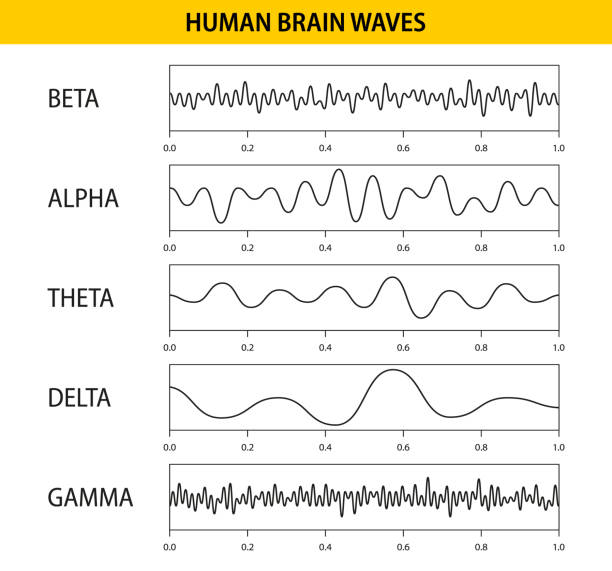
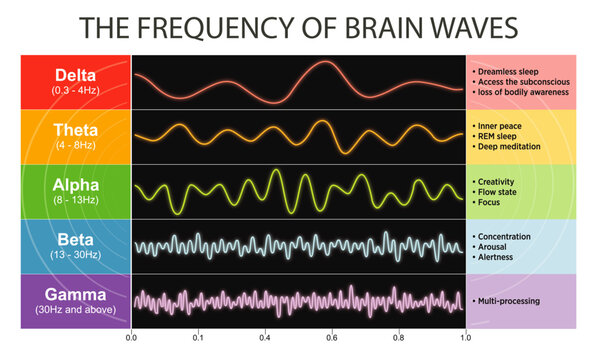
Brainwaves are rhythmic electrical patterns produced by neurons communicating in networks. They are measured in Hertz (Hz) and form the foundation for understanding human brainwaves by age.
- Delta (0.5–4 Hz) – deep sleep and early brain development
- Theta (4–7 Hz) – imagination, learning, emotional processing
- Alpha (8–12 Hz) – calm focus and sensory regulation
- Beta (13–30 Hz) – thinking, planning, problem-solving
- Gamma (30+ Hz) – integration and peak cognition
Rather than focusing on one “ideal” frequency, human brainwaves by age emphasize balance and flexibility between these states.
2. Brainwaves in Infancy (0–2 years)
In infancy, human brainwaves by age are dominated by delta and theta activity. This supports rapid neural growth and learning through sensation rather than cognition.
- High delta and theta rhythms
- Minimal alpha and beta
- Learning through movement and emotional bonding
These slow brainwaves are not underdevelopment—they are essential for early neurological wiring.
3. Early Childhood (3–6 years)
During early childhood, human brainwaves by age shift as alpha activity emerges. Children become more aware of their environment but still rely heavily on imagination and emotion.
- Shorter attention spans
- Strong emotional responses
- Learning through play and storytelling
4. Middle Childhood (7–12 years)
Between ages 7 and 12, human brainwaves by age show increased alpha and beta stability. This supports structured learning and impulse control.
- Improved sustained attention
- Greater emotional regulation
- More consistent beta activation
5. Adolescence (13–18 years)
Adolescence represents one of the most dynamic shifts in human brainwaves by age. Emotional and reward systems mature faster than executive control.
- Fluctuating alpha stability
- Heightened emotional reactivity
- Inconsistent beta regulation under stress
6. Adulthood (19–60 years)
In adulthood, human brainwaves by age typically stabilize. Healthy brains flexibly move between alpha, beta, and theta depending on context.
- Beta during focus and decision-making
- Alpha during calm alertness
- Theta during creativity and reflection
Disruptions from stress, sleep deprivation, or burnout can shift these patterns. See also our guides on brainwaves and sleep and brainwave frequencies for ADHD.
7. Older Adulthood (60+ years)
With aging, human brainwaves by age gradually slow. Alpha amplitude may decrease while emotional regulation often improves.
- Slightly increased resting theta
- Reduced beta speed
- Preserved integrative processing
These changes are part of normal aging rather than automatic cognitive decline.
8. Supporting Healthy Brainwaves Across the Lifespan
Regardless of age, human brainwaves by age can be supported through nervous system regulation.
- Consistent sleep routines
- Physical activity
- Stress management
- Mindfulness practices
You may also explore non-invasive methods discussed in brainwave stimulation at home or our overview of binaural beats.

9. A Lifespan Perspective on the Brain
Viewing cognition through human brainwaves by age reframes differences as developmental adaptations. Each life stage has unique neurological strengths.
The goal is not one perfect brainwave state, but flexible regulation across contexts and years.
Explore More Brainwave Education
Learn how brainwaves relate to sleep, focus, stress, and cognitive health.
Browse All Brainwave Articles