

The Complete Guide to Brainwaves (2026)
Yrian Brugman
Neuroscience · Brainwaves
A comprehensive, research-informed overview of delta, theta, alpha, beta, and gamma brainwaves — how they work, why they matter, and how modern entrainment tools may support healthier neurological states.
This guide is written for students, clinicians, wellness practitioners, meditators, and anyone interested in understanding their own brain function.
The Complete Guide
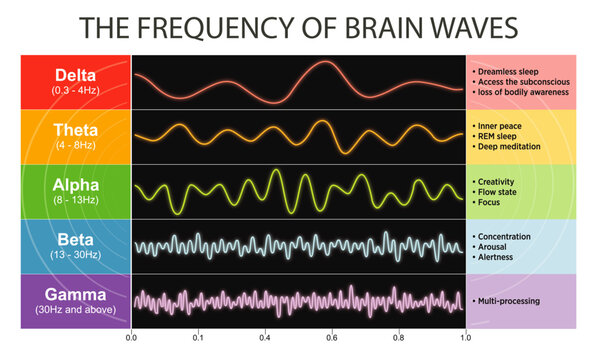
Brainwaves are rhythmic electrical patterns produced by networks of neurons firing together. They reflect — but do not entirely determine — how alert, relaxed, creative, or focused we feel. Understanding brainwaves is foundational for modern approaches to mental well-being, meditation, cognitive enhancement, and technologies such as Audio-Visual Entrainment (AVE).
In 2025, interest in brainwaves has surged again due to advances in neurotechnology and a growing understanding of how states like theta and alpha influence emotional regulation, learning, and stress resilience.
1. What Brainwaves Are: A Scientific Overview
The brain generates electrical activity through millions of neurons communicating via electrochemical signals. When groups of neurons synchronize, they produce rhythmic patterns measurable by EEG. These rhythms fall into frequency bands measured in Hertz (cycles per second).
The five primary bands are:
- Delta (0.5–4 Hz) – deepest sleep, unconscious repair
- Theta (4–7 Hz) – deep relaxation, creativity, memory encoding
- Alpha (8–12 Hz) – calm, wakeful relaxation, integration
- Beta (13–30 Hz) – focused attention, problem-solving
- Gamma (30–80 Hz) – high-level integration, insight, binding of sensory information
These bands constantly shift depending on what we are thinking, feeling, or doing. No single brainwave is “good” or “bad” — healthy cognition depends on flexibility and balance.
2. Delta Waves (0.5–4 Hz): Deep Sleep, Physical Repair
Delta dominates during deep, dreamless sleep (slow-wave sleep). During this state, the body focuses on:
- tissue repair and cellular regeneration
- immune system strengthening
- glymphatic “clean-up” of metabolic waste in the brain
- restoration of neurotransmitter balance
Insufficient delta sleep is associated with fatigue, emotional dysregulation, difficulty concentrating, and reduced resilience.

For people with irregular sleep patterns, technologies that support relaxation before bedtime — including certain AVE programs — may help the brain settle into deeper rhythms more easily.
3. Theta Waves (4–7 Hz): Creativity, Memory, and Deep Calm
Theta is one of the most fascinating bands. It appears:
- during early sleep stages
- in deep meditation
- during flow states and creative problem-solving
- in moments of intuitive insight
- during memory consolidation and emotional processing

Many people have difficulty accessing theta naturally because their nervous system remains in a high-alert state (beta) for too long. Slow, rhythmic stimulation — including AVE — has been researched for its ability to gently encourage theta in a controlled, safe way. See the scientific studies overview for more detail.
4. Alpha Waves (8–12 Hz): Calm, Relaxed Wakefulness
Alpha reflects a balanced state: not too sleepy, not too activated. It typically appears:
- with closed eyes
- during meditation or mindfulness
- in relaxed but alert states
- after physical exercise
High alpha coherence is associated with improved mood, emotional regulation, and creativity.

For people who feel constantly “on edge,” alpha-supporting routines (breathwork, meditation, AVE, light exercise) can help reintroduce calm baseline rhythms.
5. Beta Waves (13–30 Hz): Focus, Analysis, and Problem-Solving
Beta is essential for:
- goal-oriented thinking
- decision-making
- task management
- working memory
However, prolonged high-beta activity (especially above ~20–23 Hz) is associated with:
- anxiety
- overthinking
- muscle tension
- rumination
- sleep difficulties
Healthy beta is about balance: enough activation to stay focused without tipping into chronic hyperarousal.
6. Gamma Waves (30–80 Hz): Integration, Learning, and Insight
Gamma is the highest-frequency band and plays a role in:
- binding sensory inputs into coherent experiences
- high-level learning
- peak cognition
- moments of insight or “aha” realizations
Though often misunderstood in popular wellness circles, gamma is an advanced frequency that appears in highly trained meditators and certain cognitive tasks.
7. How Brainwaves Shift Throughout the Day
A healthy brain cycles naturally:
- Morning: beta and low-alpha for alertness
- Midday: balanced beta for work and focus
- Evening: alpha and theta for unwinding
- Night: theta → delta for deep sleep
Stress, technology, poor sleep habits, and chronic overthinking can disrupt these natural transitions. Many people remain stuck in beta, unable to access alpha, theta, or restorative delta.
8. Measuring Your Brainwaves
EEG devices can provide insights into which frequencies dominate at a given moment. For beginners, a simple starting point is the Brainwave Assessment, which explains patterns in plain language.
9. Can You Influence Your Brainwaves?
Yes — through both natural practices and structured neurotechnologies.
Natural methods:
- breathwork
- mindfulness meditation
- aerobic exercise
- yoga
- sleep hygiene
- relaxation techniques
Technological methods:
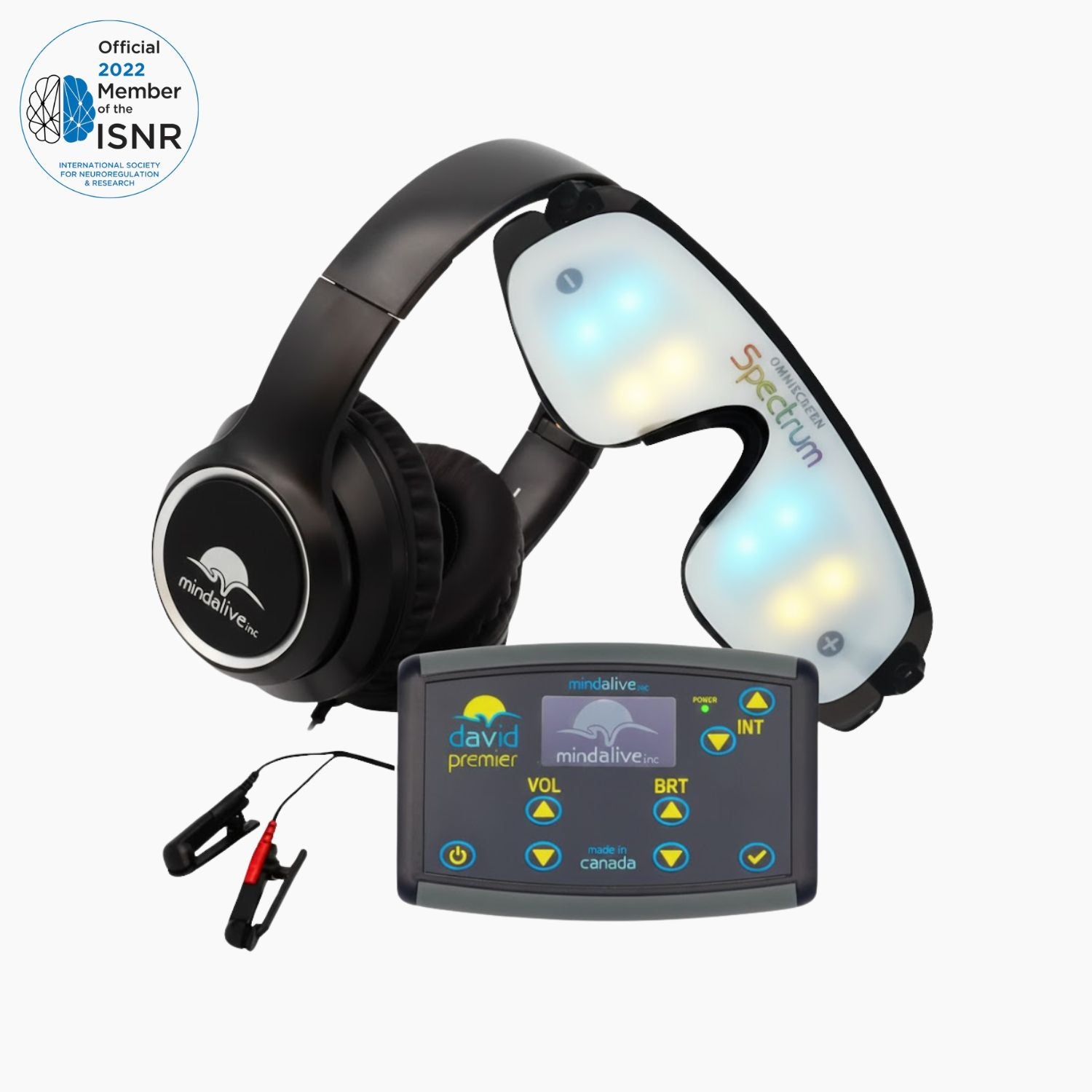
Non-invasive tools like Audio-Visual Entrainment (AVE) gently guide the brain toward specific rhythms using paced light and sound. Research shows AVE can support relaxation (alpha/theta), focus (beta), and sleep transitions (theta/delta). For more details, see: Scientific Studies on the DAVID devices.
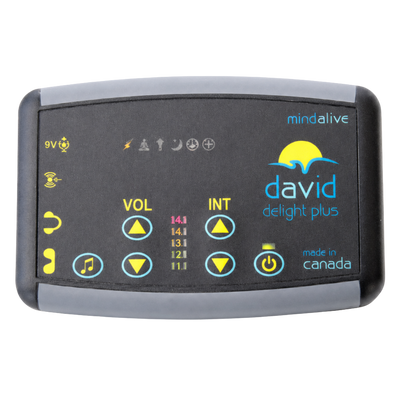
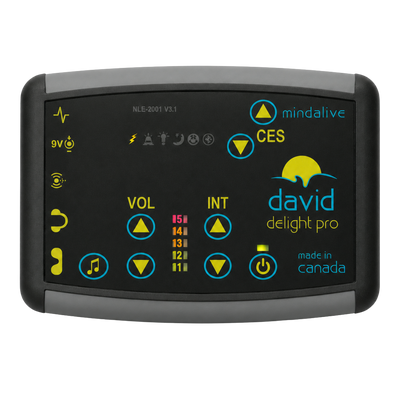
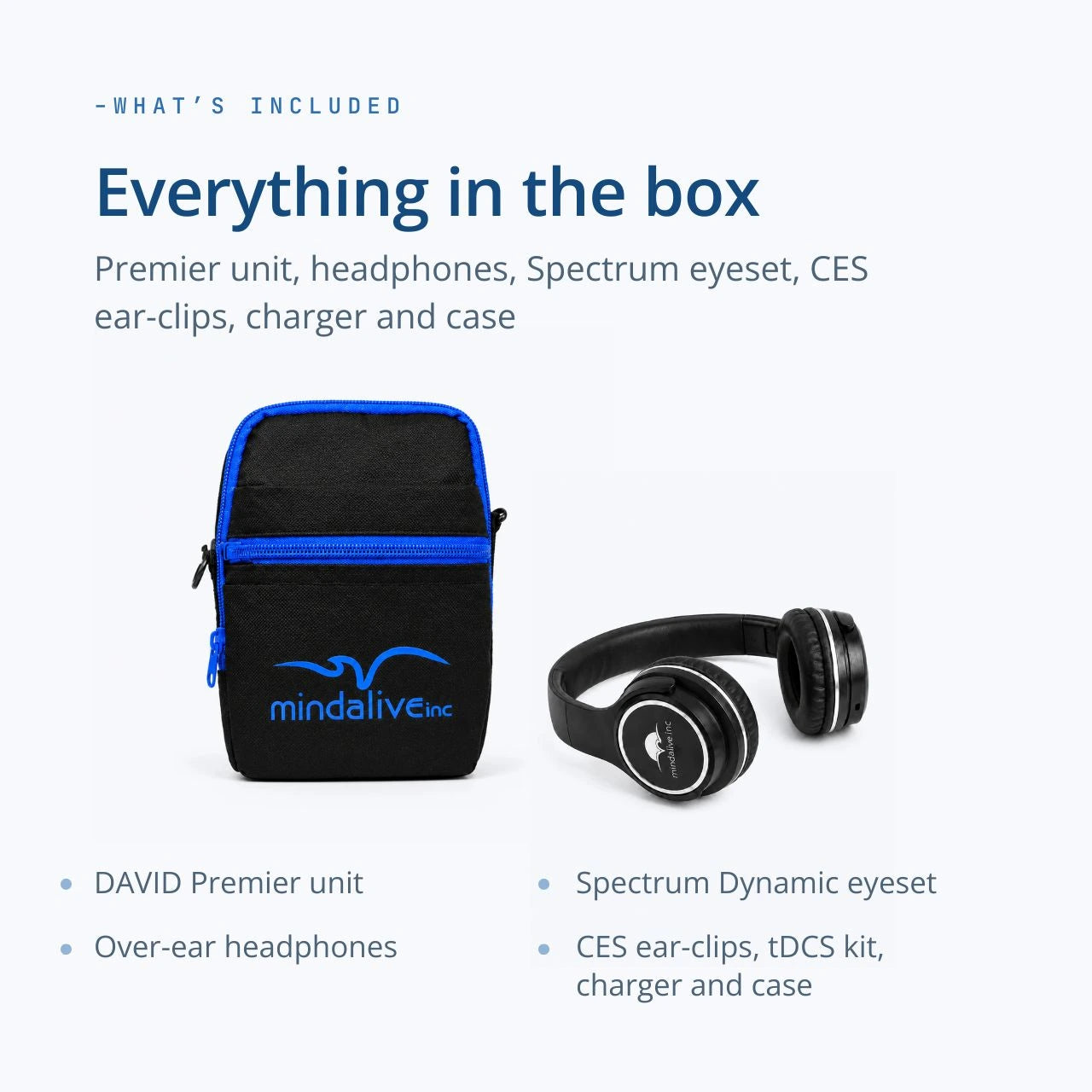
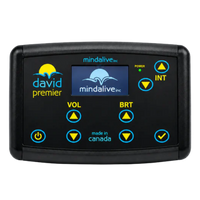
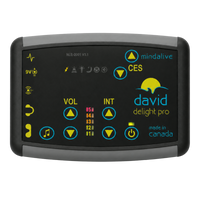
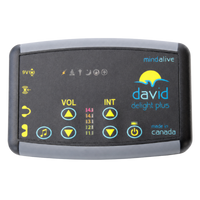
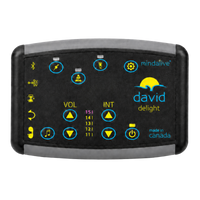
Those interested in exploring AVE can compare different models here: Find Your DAVID.
10. Building a Healthy “Brainwave Lifestyle”
Supporting balanced brainwave activity is less about forcing a single state and more about creating the conditions for natural transitions. This includes:
- consistent sleep routines
- reducing chronic stress load
- regular physical activity
- screen-free wind-down periods
- adequate light exposure during the day
- structured relaxation practices
For those who struggle to shift out of chronic beta (stress mode), AVE can serve as a supplementary tool — a way to “teach” the nervous system what calm, alpha/theta states feel like again.
Explore Brainwave-Supporting Tools
If you’re curious about structured, gentle brainwave entrainment, explore the DAVID systems and compare models.
Learn About AVE Devices