

The Brainwave Patterns Behind Low Mood in Seniors
Yrian BrugmanWhy Energy, Motivation, and Joy Decline With Age
Low mood in older adults is far more common than most people realize. Many seniors describe days that feel heavy, slow, or emotionally flat — even when nothing “bad” is happening. They may withdraw from activities they once enjoyed, lose motivation, sleep more yet feel less rested, or struggle with memory and clarity.
While these changes are often blamed on aging itself, a deeper mechanism is usually at play: age-related changes in brainwave regulation and neural rhythm stability.
Why Mood Becomes More Fragile With Age
Healthy mood relies on the brain’s ability to shift smoothly between different states — activating when needed, calming down when safe, and integrating emotional experiences. As the brain ages, this flexibility often decreases.
Seniors frequently experience:
- lower motivation and decreased interest
- emotional flatness
- social withdrawal
- increased fatigue
- slower thinking and slower recovery from stress
- poor sleep or nighttime anxiety
These are not signs of weakness — but signs of rhythm imbalance in the aging nervous system.
Low mood in seniors is often a rhythm problem — not a personality change.
The Brainwave Patterns Most Affected in Older Adults
Age-related mood decline is linked to specific changes in alpha, theta, beta, and delta rhythms. These changes affect memory, emotional resilience, energy, and the ability to feel joy or enthusiasm.
| Brainwave | Role in Healthy Aging | Age-Related Shift | How It Feels |
|---|---|---|---|
| Alpha | Calm clarity, emotional balance | Reduced or unstable | Emotional flatness, slowed joy response |
| Beta | Energy, daily motivation | Underactive | Slowed thinking, low drive, apathy |
| Theta | Emotional integration and memory | Dysregulated | Rumination, low resilience, emotional sensitivity |
| Delta | Deep sleep restoration | Fragmented | Morning fog, low energy, mood instability |
These changes often appear long before medical conditions — making brainwave health an important part of emotional well-being in aging.
Why Low Mood Feels Different for Seniors
For older adults, low mood rarely looks like “sadness.” More often it shows up as:
- reduced energy for socializing
- apathy or emotional numbness
- slow mornings and inconsistent motivation
- difficulty enjoying hobbies
- feeling mentally “slowed down”
This is because aging affects activation rhythms (beta) and reward-processing rhythms (alpha). When these weaken, even small tasks feel difficult.
Why Sleep Problems Make Mood Much Worse
Deep, restorative sleep becomes harder with age due to delta fragmentation. Seniors often experience:
- light sleep
- frequent waking
- early-morning awakenings
- trouble falling asleep
Poor sleep disrupts mood regulation the next day — increasing irritability, sadness, or fatigue.
Why Stress Hits Harder With Age
The older nervous system is less flexible and has a harder time recovering from stress. What would have been a small frustration years earlier can now lead to:
- overwhelm
- withdrawal
- persistent low mood
- excessive worry
This is due to reduced alpha stability and a weaker ability to re-calibrate after activation.
Medication Helps — But Doesn’t Always Address Rhythms
Many seniors take antidepressants or sleep medications, and while they can be helpful, families often report:
“The sadness is less, but the spark isn’t back.”
“They sleep better but still feel tired.”
This is because neurochemistry is only one part of the equation — rhythm regulation is another.
Why Binaural Beats Rarely Help Seniors
Seniors often struggle with auditory-only entrainment because hearing sensitivity and sensory integration change with age. A subtle binaural cue is rarely strong enough to influence the nervous system meaningfully.
A multimodal approach is usually far more effective.
A More Effective Approach: Structured Brainwave Entrainment
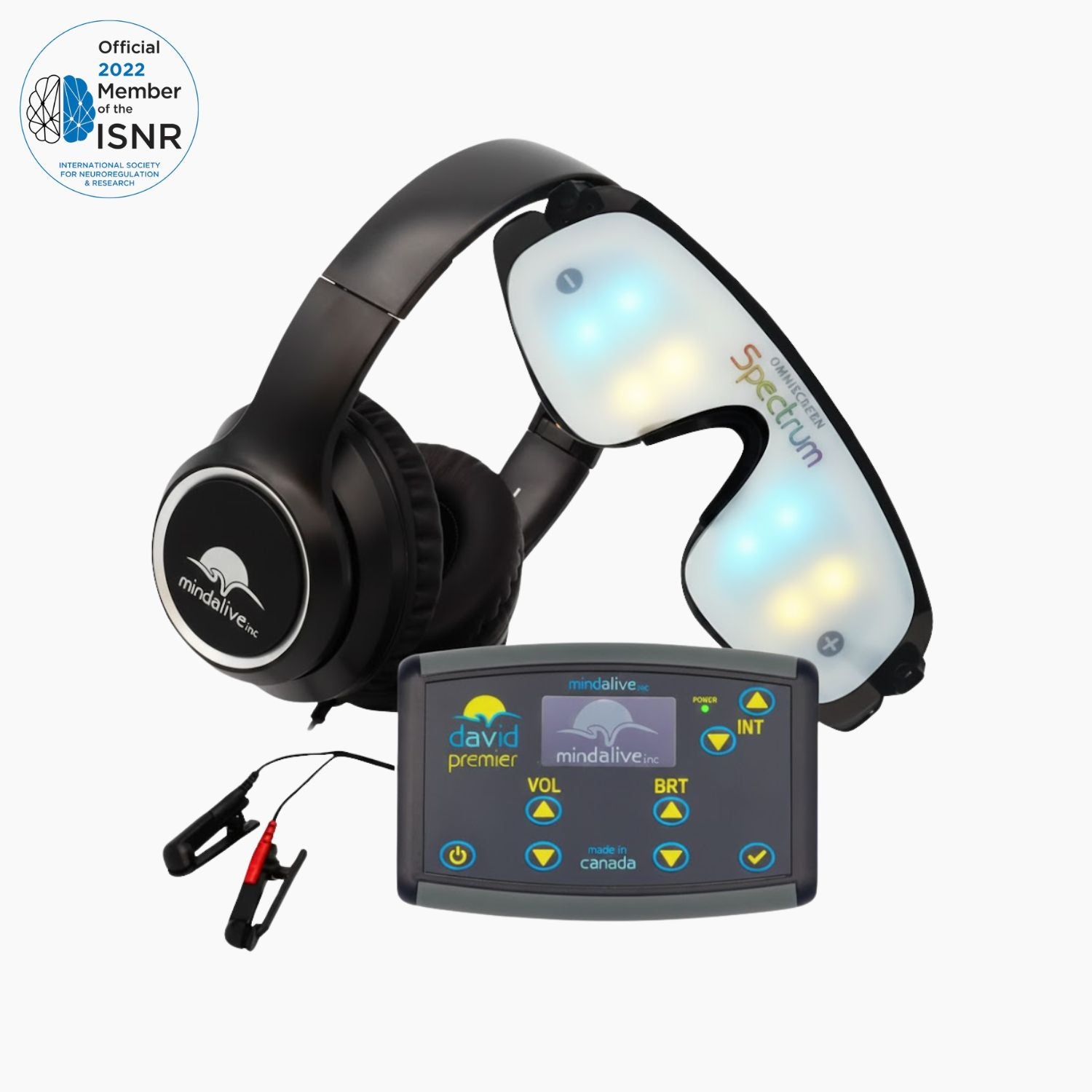
When light and sound are paired together, the aging brain engages more easily with the frequency-following response. This can support:
- improved mood stability
- better daily motivation
- greater emotional resilience
- clearer thinking and faster processing
- deeper, more restorative sleep
Many seniors benefit from gentle, structured entrainment that supports calm activation and healthy sleep cycles.
The DAVID Premier: Supporting Mood and Emotional Stability in Seniors
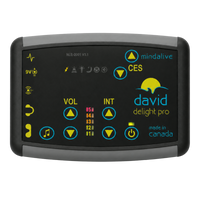
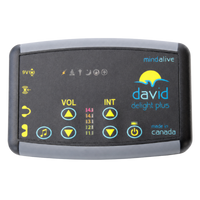
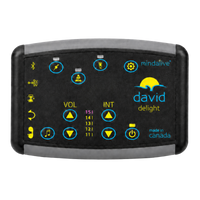
The DAVID Premier provides age-friendly protocols designed to support alpha regulation, gentle activation, and sleep-related rhythms. Families often use mood, relaxation, and sleep sessions to help seniors regain energy and emotional brightness.
Common improvements include:
- more motivation to engage socially
- greater interest in hobbies and daily activities
- better morning energy
- improved sleep depth and nighttime calm
- less emotional flatness
Low mood in seniors is often not “aging.” It is a rhythm imbalance — and supporting those rhythms can restore clarity, energy, and emotional connection.
Explore DAVID Premier