

What Are Theta Waves? (2026 Guide)
Yrian Brugman
Brainwaves · Neuroscience
A clear, research-informed explanation of theta waves: what they are, what they do, and why they matter for creativity, memory, meditation, and early sleep.
Based on scientific insights and practical applications for wellness, meditation, and non-invasive neurotechnology.
What Are Theta Waves?
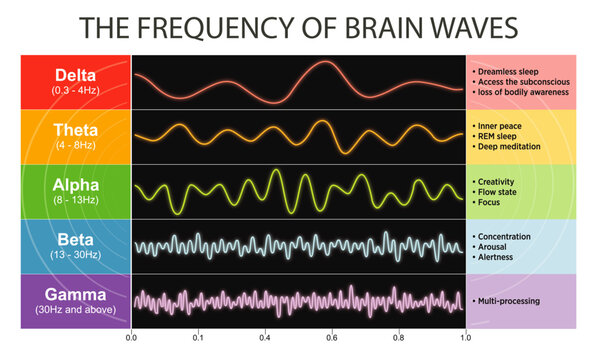
Theta waves are one of the most studied and most misunderstood brainwave patterns. Sitting between 4 and 7 Hz, theta waves represent a unique state between wakefulness and sleep — a mental “liminal zone” where creativity increases, thoughts slow, intuition rises, and emotional processing becomes easier.
In EEG research, a theta wave is a type of slow, rhythmic brainwave associated with deep relaxation, meditation, early sleep, and internally directed attention. For many people, theta states feel like peaceful drifting, vivid imagination, or a state where insights arise naturally.
1. What Exactly Are Theta Waves?
Theta waves are rhythmic electrical oscillations in the brain measured at 4–7 cycles per second. They are slower than alpha waves (8–12 Hz) and faster than delta waves (0.5–4 Hz). Theta is considered a “deep relaxation” band — a state where the mind turns inward and external awareness softens.
The presence of theta waves is normal and healthy. They appear naturally at various moments throughout the day, especially during:
- early-stage sleep (N1 and N2)
- deep meditation
- flow states and intuitive thinking
- creative problem-solving
- moments of emotional integration
When people search “what are theta waves,” they are usually trying to understand why meditation feels different, why they get flashes of insight, or why certain relaxation practices produce surreal, dreamlike sensations. Theta is often the underlying rhythm behind these experiences.
2. What Do Theta Waves Do to the Brain?
Theta waves play a major role in several neurological processes. They help transition the brain from an alert, analytical mode (beta) to a calmer, more introspective state. Research suggests theta waves contribute to:
- Creativity — accessing divergent, imaginative thinking
- Emotional processing — integrating complex feelings
- Memory formation — particularly long-term encoding
- Stress reduction — lowering physiological arousal
- Internal focus — turning attention inward
- Sleep onset — the natural pathway into deeper rest
Theta is sometimes referred to as the “bridge state” — quieter than alpha, yet more awake than delta. In brain imaging studies, theta often appears when people experience “aha moments,” emotional clarity, or creative associations.
3. Theta Brain Waves and Sleep
“Theta waves sleep” is one of the most common searches in this category. Theta plays a crucial role in falling asleep. When your brain transitions from wakefulness to sleep, the first major shift is a drop into theta. This is why people often feel:
- images drifting behind closed eyes
- sense of floating or sinking
- loosening of logical thought
- the beginning of dreamlike experiences
If theta does not activate correctly — often due to stress or excessive high-beta activity — falling asleep becomes far more difficult. This is one reason relaxation techniques, meditation, and entrainment tools can be helpful before bed.
4. The Benefits of Theta Waves
Many people search for “theta waves benefits” to understand why they feel calmer or more open during certain practices. The most reported benefits of theta include:
- Reduced stress and tension
- Enhanced creativity and insight
- Better emotional clarity
- Improved meditation quality
- Support in processing memories and experiences
- Easier sleep onset
Theta should not be viewed as a magic state — but consistent access to theta is associated with calmer baseline functioning and better emotional balance.
5. Are Theta Waves Dangerous?
One of the more surprising search trends is: “Is theta brain waves dangerous?”
The short answer: No — theta is a normal, essential brain state.
Every person enters theta waves multiple times per day. They are a natural part of relaxation, meditation, learning, and sleep onset. The only time theta may feel uncomfortable is for individuals who are chronically stuck in high-beta stress mode; in these cases, shifting downward can feel unfamiliar but is not unsafe.
As with all wellness technologies, people with epilepsy or neurological conditions should seek guidance before using stimulation-based tools.
6. How Theta Waves Compare to Other Brainwaves
Understanding theta often requires seeing how it differs from other bands:
- Theta vs Alpha Alpha = calm alertness (daytime meditation). Theta = deep internal relaxation (early sleep, deeper meditation).
- Theta vs Beta Beta = focus, analysis, task management. High beta = stress and overthinking. Theta = the opposite — mental quiet and emotional integration.
- Theta vs Delta Delta = unconscious, deep sleep, physical repair. Theta = transition between wake and sleep.
- Theta vs Gamma Gamma = high-level cognition and sensory integration. Theta = foundation for emotional and creative processes.
For a full overview of all five bands, see the Brainwave Assessment.
7. How to Activate Theta Brain Waves
People often want to know how to intentionally enter theta, especially for creativity, meditation, or stress relief. Several methods can help:
1. Slow, Rhythmic Breathing
Breathwork reduces high-beta activity and lowers arousal, making theta more accessible.
2. Meditation (Especially Eyes-Closed)
Mindfulness, body scans, and visualization practices naturally increase theta activity.
3. Audio-Visual Entrainment (AVE)
AVE uses rhythmic pulses of light and sound to guide the brain toward specific frequencies. For research, see scientific studies on DAVID devices.
4. Neurofeedback
Neurofeedback trains people to increase specific rhythms, including theta. Learn more: Neurofeedback at Home Guide.
5. Pre-Sleep Relaxation Routines
Reducing sensory load helps the nervous system naturally shift into theta before transitioning to sleep.
8. What Theta Waves Feel Like
Theta states feel slightly different for everyone, but many people describe them as:
- a gentle drifting sensation
- quiet internal focus
- soft imagery or subtle dreams
- reduced mental chatter
- a feeling of emotional openness
- warmth or lightness in the body
Meditators often say theta feels like “being awake inside a dream,” or “peaceful spaciousness.”
9. Can Technology Support Theta Waves?
Yes — non-invasive entrainment tools are designed to gently encourage alpha and theta rhythms using sensory pacing. These include:
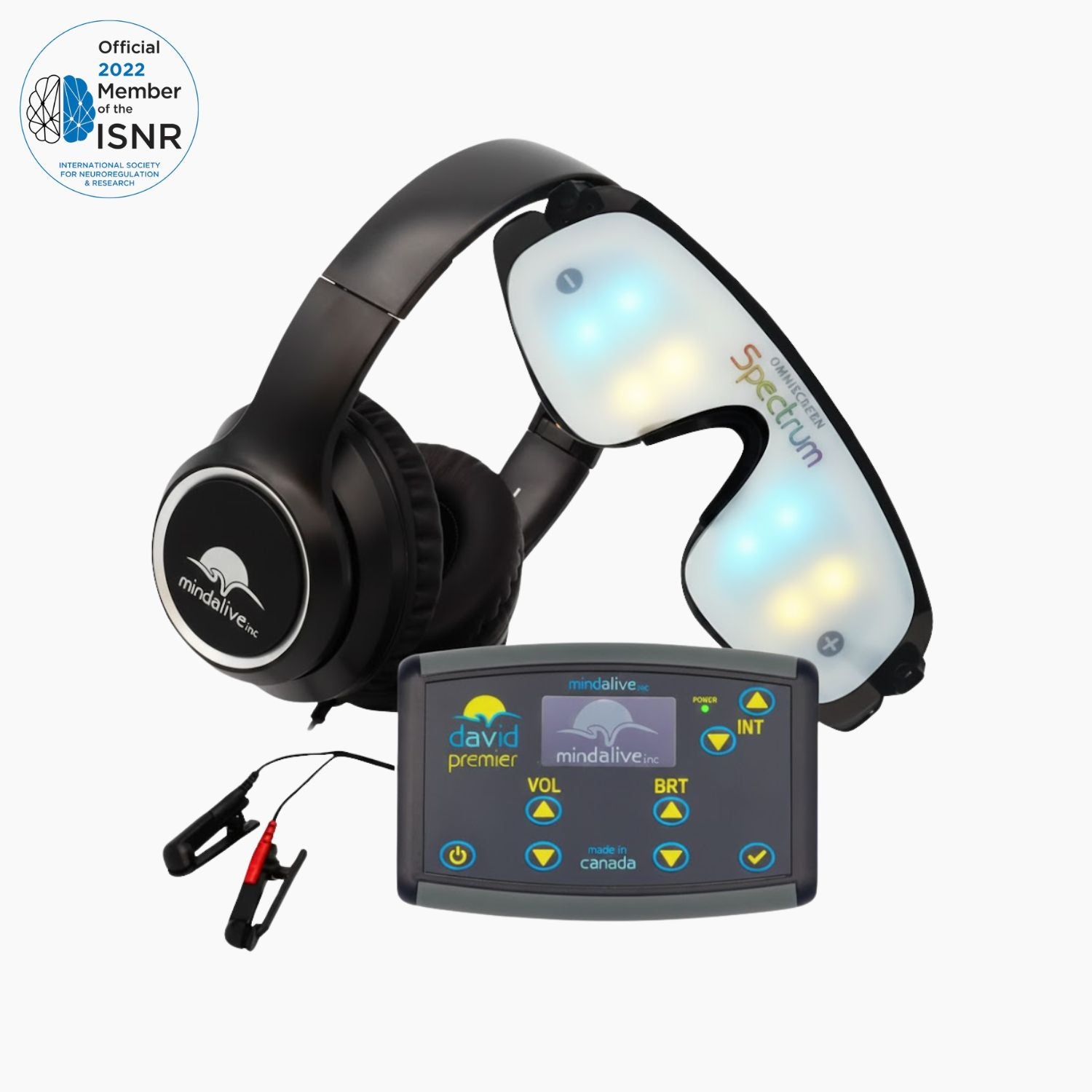
- light-based stimulation (AVE glasses)
- pulsed audio tones (binaural/isochronic-style entrainment)
- microcurrent stimulation (CES) to reduce stress baseline
For a complete technical overview see: AVE + CES: A Deep Dive
To compare systems: Find Your DAVID
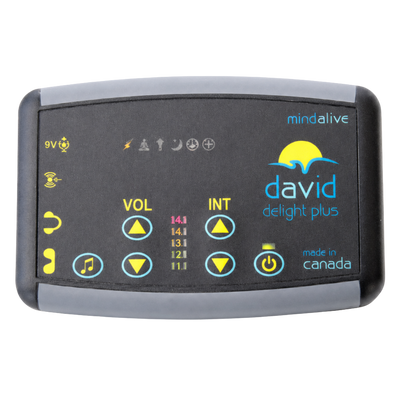
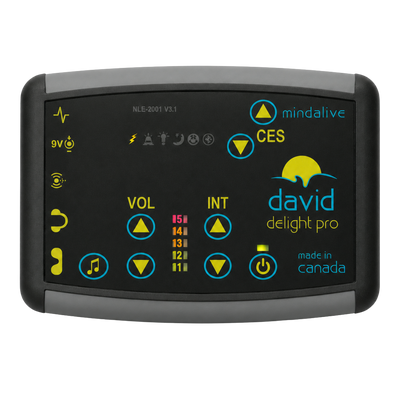
To explore structured theta/alpha programs: DAVID Delight Pro
Explore Natural Theta Support
If you want to understand your own brainwave tendencies, or explore natural entrainment tools, learn more below.
Start Brainwave Assessment