

When Brainwaves Stay Stuck in Stress Mode
Yrian BrugmanWhy Stress Doesn’t Reset: How Brainwaves Keep You Stuck
Many people live with persistent tension — racing thoughts, shallow breathing, poor sleep, irritability, and a body that feels constantly “on.” They try medication, therapy, supplements, and mindfulness, yet still feel stuck inside the same stress cycle.
What rarely gets explained is that long-term stress isn’t only emotional. It’s neurological. Specifically, it’s tied to the rhythm of your brainwaves.
When Brainwaves Stay in High Alert, the Body Cannot Recover
The brain shifts between different states all day: alertness, calm focus, relaxation, and deep recovery. Under chronic stress, these rhythms can become locked in fast, high-frequency patterns. The nervous system stays braced, even when nothing stressful is happening.
Over weeks, months, and years, this leads to stacking symptoms: shallow sleep, morning fatigue, irritability, cognitive fog, emotional reactivity, and physical tension. The body begins treating stress as a baseline, not a temporary state.
It’s not a lack of effort.
The nervous system simply never receives a strong enough signal to downshift.
Why Medication Helps — but Often Leaves People “Not Fully Calm”
For many, medication reduces symptom intensity and stabilizes mood. But a common experience sounds like this:
“I feel more stable, but I don’t feel calm.”
“My thoughts slowed, but my body is still tense.”
“I sleep, but never deeply.”
Medication can shift chemistry — but it doesn’t always retrain brainwave rhythm. The underlying stress pattern often remains stuck in high alert.
Why People Feel Like They’ve Tried Everything
Most people dealing with chronic stress have already done the work. They’ve tried:
- therapy and coaching
- sleep routines and supplements
- meditation and breathwork
- lifestyle changes and exercise
- binaural beats and relaxation audio
These tools absolutely help — but many don’t directly influence the physiological mechanism that determines whether the nervous system can leave stress mode at all.
The Missing Piece: Rhythm, Not Willpower
Stress recovery depends on the nervous system learning to shift from high-frequency alertness into calmer states associated with alpha, theta, and deeper slow-wave activity.
Meditation asks for attention. Therapy asks for reflection. Supplements ask for consistency. Medication improves chemistry.
But none of these directly guide the rhythmic patterns themselves.
This is why researchers have increasingly focused on rhythmic entrainment — the brain’s natural ability to synchronize with structured light and sound frequencies. When delivered correctly, these signals can help the nervous system break out of its locked stress cycles.
Comparison: What Each Method Does Well
| Method | Strengths | Limitations |
|---|---|---|
| Medication | Reduces symptom intensity, stabilizes mood | Does not reliably retrain brainwave rhythm |
| Therapy / Coaching | Emotional processing, long-term insight and skill building | Progress slows when the nervous system remains hyper-activated |
| Binaural Beats | Light relaxation, easy to use | Audio-only signal often too weak for chronic stress patterns |
| Multimodal Entrainment | Clearer, stronger, more repeatable downshift signal | Requires consistent use |
The Solution: A Clear Signal That Helps the Nervous System Downshift
People who feel stuck despite trying everything else often find the breakthrough when their nervous system receives something it can follow automatically — a steady, structured rhythm guiding brainwaves out of stress mode and into recovery.
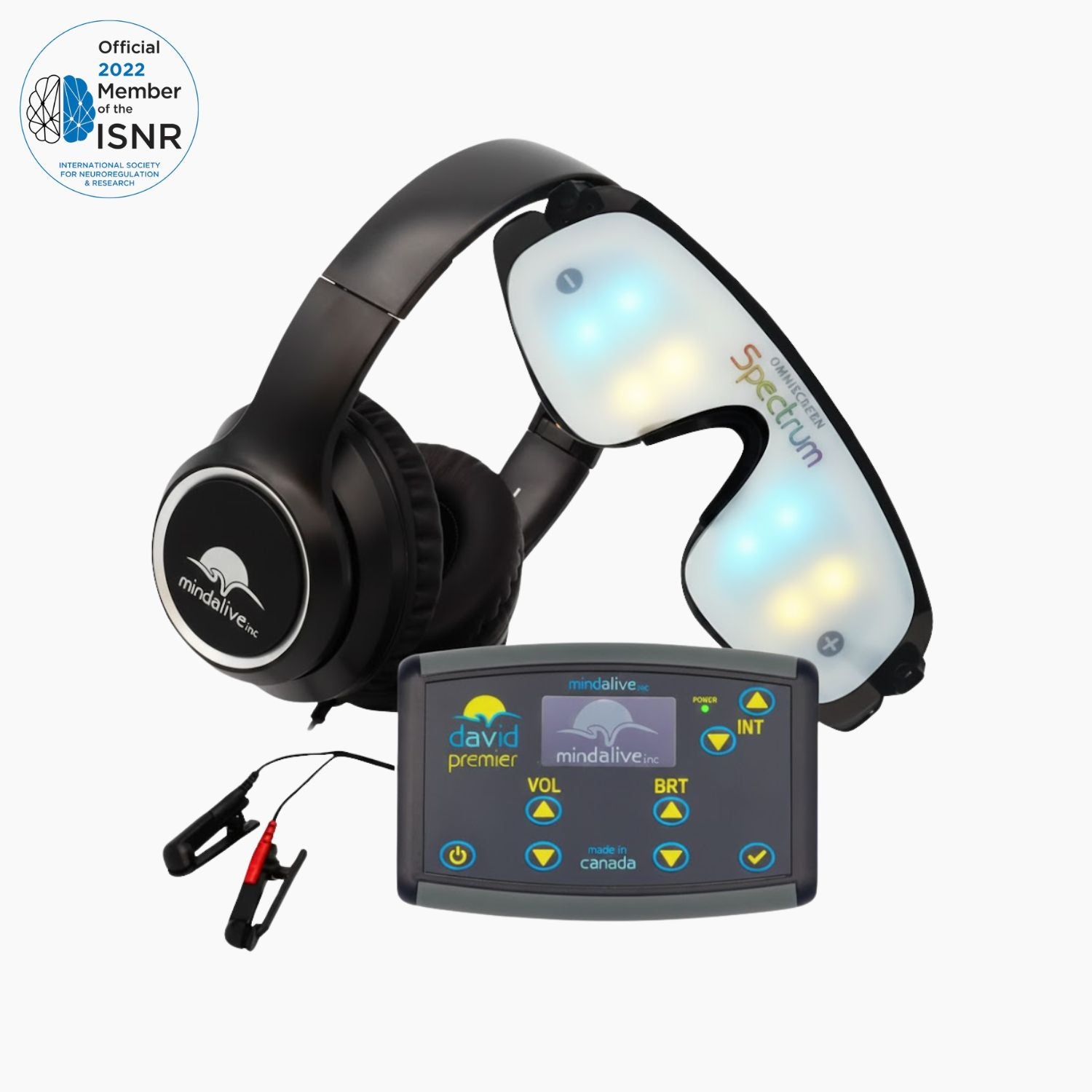
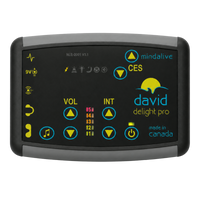
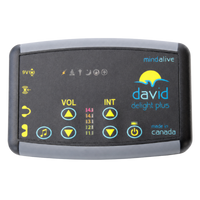
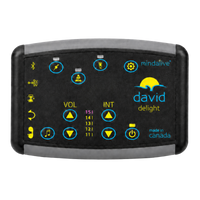
The DAVID Premier is built for exactly this purpose. It uses synchronized light and sound frequencies (and optional CES support) in evidence-informed protocols designed to support stress relief, sleep depth, mood regulation, and cognitive recovery.
It doesn’t replace therapy or medication — it supports the physiological state where those tools become more effective.
Explore DAVID Premier