

A More Effective Way of Using Binaural Beats
Yrian Brugman
A More Powerful Alternative to Binaural Beats (Full Guide)
Binaural beats became popular because they promised a simple idea: listen to sound and “tune” your brain into a calmer, sharper, or sleepier state. In practice, many people do feel something — but the effects can be subtle, inconsistent, and highly dependent on context. In 2026, we have a clearer picture of why that happens, and what tends to work better.
This guide explains the science behind binaural beats, why results vary, and why multimodal brainwave entrainment (sound + light, and optionally microcurrent stimulation) is increasingly considered a more robust, repeatable approach. If you like the concept of binaural beats but want stronger, more reliable outcomes, you’ll likely benefit from the “next step” method described below.
What Binaural Beats Actually Do (and What They Don’t)
Binaural beats are an auditory illusion: two slightly different tones are presented to each ear, and your brain perceives a third “beat” frequency equal to the difference between them. This can support mental states like calm focus, meditation, or pre-sleep relaxation — but only to a certain extent.
The impact is often blunted by:
- weak signal strength (audio-only rhythm)
- individual variability (stress, fatigue, attention)
- environmental distraction
Why Multimodal Entrainment Works Better
The nervous system is multisensory. It processes rhythm not only through sound but also through visual and somatosensory channels. When these channels synchronize, the effect is stronger. This is why multimodal entrainment often produces a more noticeable shift into relaxation, focus, or pre-sleep calm.
Studies show that synchronized audio + light stimulation increases the frequency-following response, engaging thalamo-cortical circuits more effectively than sound alone.
The Neurological Mechanism
Stronger input → stronger synchronization. When rhythmic light and sound are combined, the brain receives a clearer signal to organize its activity around the target frequency, especially in alpha, theta, and low-beta bands.

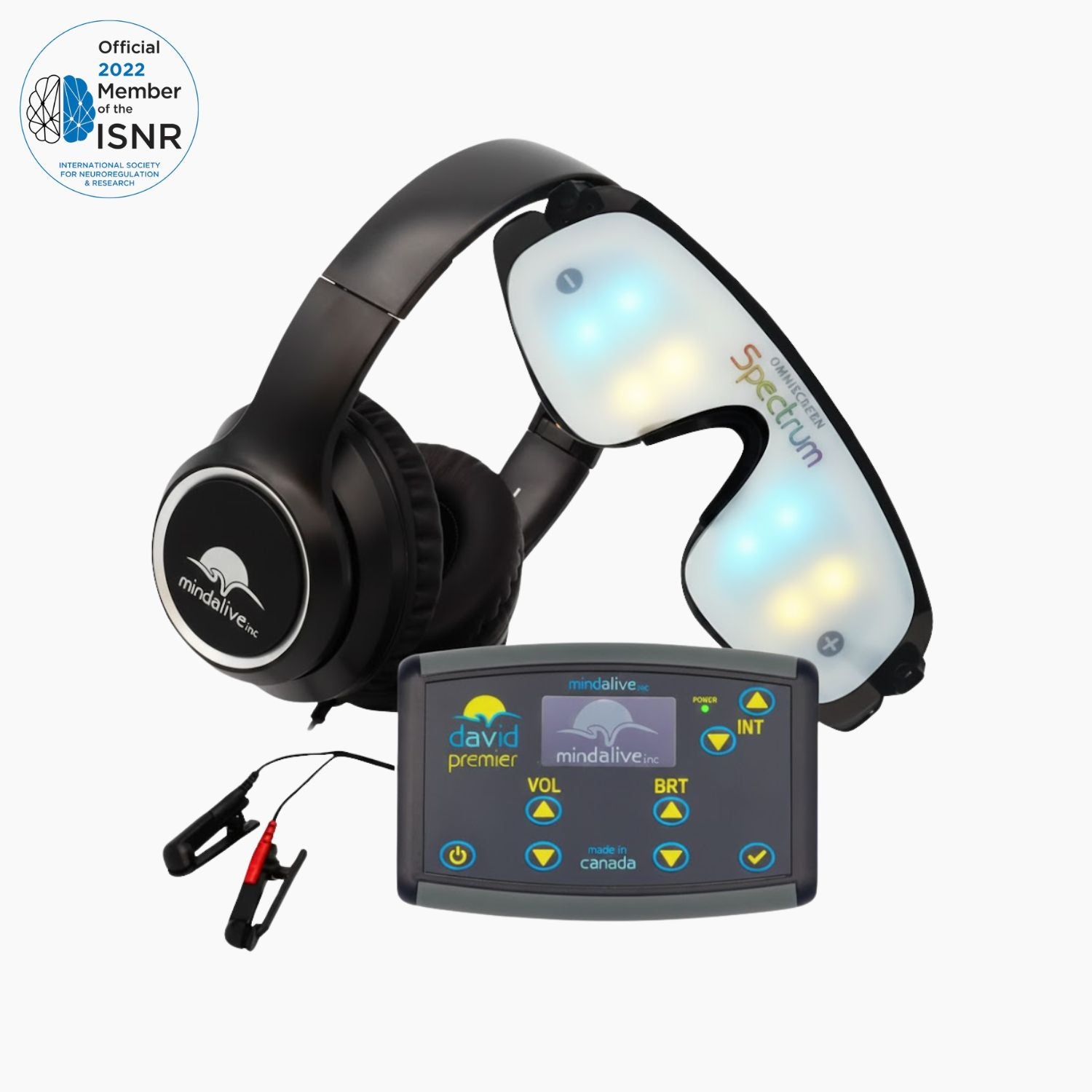
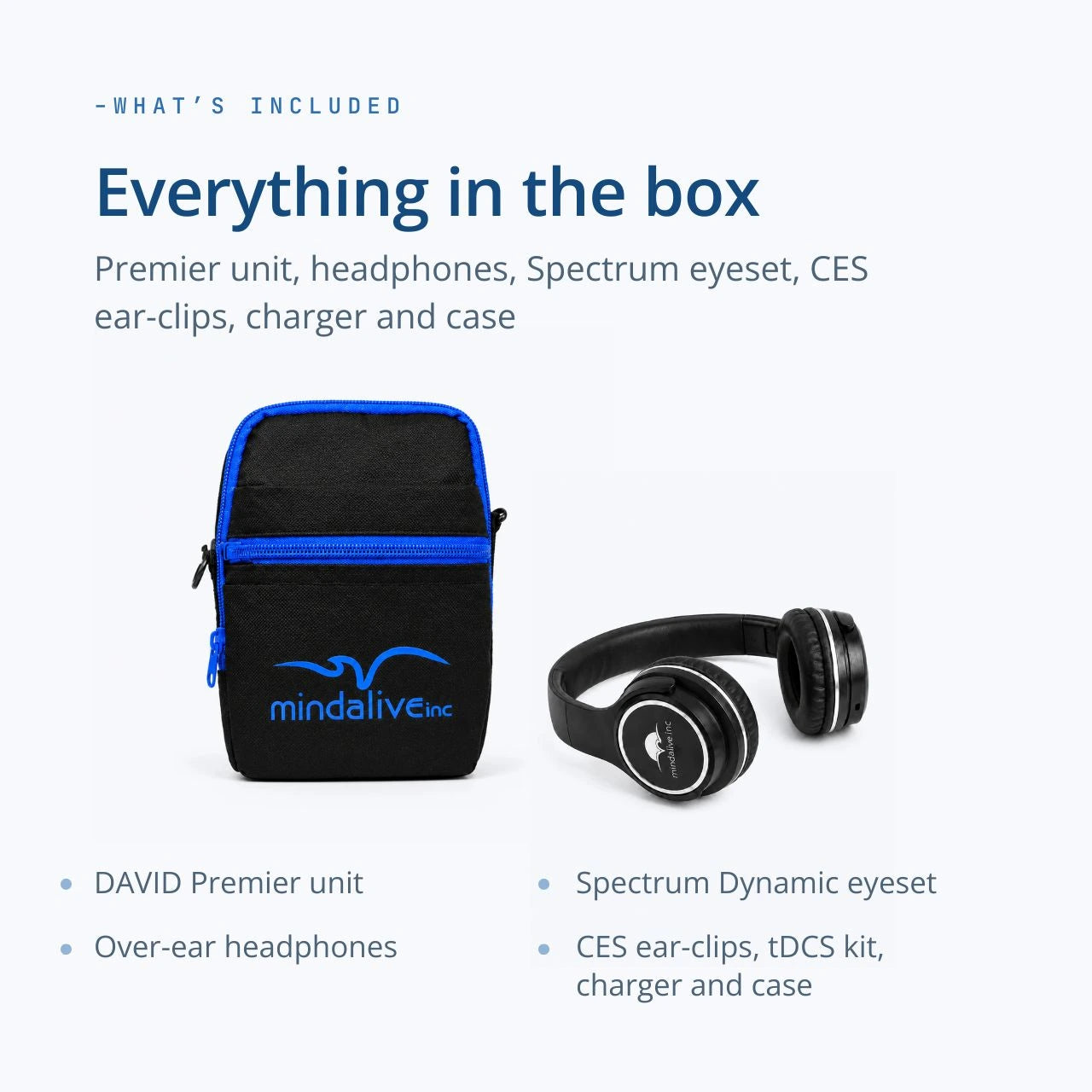
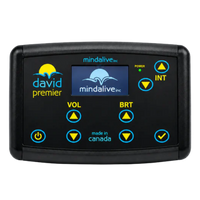
The 2026 Upgrade: DAVID Premier + Spectrum Glasses
Compared to “DIY binaural beats playlists,” the DAVID Premier offers structured sessions designed by experts in neuro-entrainment. Sound is paired with carefully calibrated light pulses via the Spectrum Glasses, increasing signal strength and consistency.
Users report more defined “state transitions” — for example, moving from tension into deep relaxation within minutes.
Binaural Beats vs. Multimodal Entrainment
| Dimension | Binaural Beats | Multimodal Entrainment |
|---|---|---|
| Signal Strength | Low–moderate | High (light + sound) |
| Consistency | Variable | Predictable routines |
| Ease of Use | Requires trial/error | Pre-designed sessions |
| Best Use | Basic relaxation | Stress, sleep, focus, meditation |
How to Improve Your Results (Regardless of Method)
Whether using binaural beats or advanced entrainment systems:
- use sessions at the same time each day
- reduce bright lighting and distractions
- match the frequency to your goal
- track progress by behavior, not just in-session feeling
Bottom Line
Binaural beats opened the door — but modern neuroscience shows that audio alone is rarely enough for consistent brainwave entrainment. Multimodal stimulation, like the DAVID Premier with Spectrum Glasses, delivers a stronger signal that the nervous system can follow more reliably.