

Brainwave Frequencies for ADHD: A Clear, Science-Based Explanation
Yrian Brugman
ADHD · Neuroscience
An evidence-informed explanation of how brainwave activity relates to attention, impulsivity, and emotional regulation.
Written for adults, parents, and clinicians seeking clarity beyond labels.
Brainwave Frequencies for ADHD
Understanding brainwave frequencies for ADHD offers a powerful lens through which attention, distractibility, and emotional intensity can be understood. ADHD is not simply a behavioral issue; it reflects measurable differences in how the brain regulates electrical activity across different frequency bands.
Rather than viewing ADHD as a deficit, neuroscience increasingly frames it as a difference in brainwave balance. In this article, we explore how brainwave frequencies for ADHD influence focus, motivation, and self-regulation, and how these patterns can be supported naturally and technologically.
1. What Are Brainwaves?
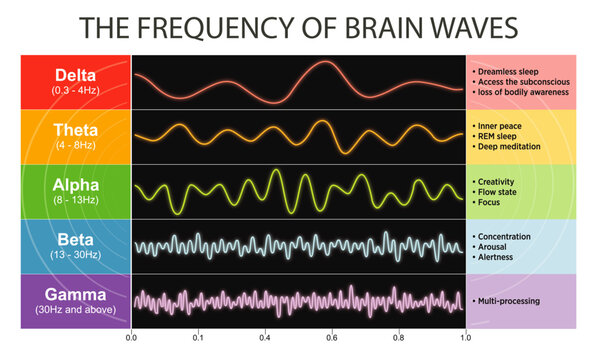
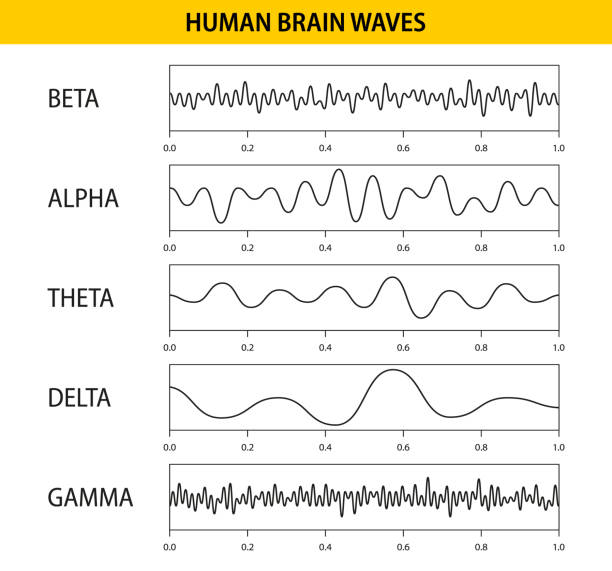
Brainwaves are rhythmic electrical patterns produced by groups of neurons communicating with each other. These rhythms are measured in Hertz (Hz) and are commonly grouped into delta, theta, alpha, beta, and gamma bands.
When discussing brainwave frequencies for ADHD, researchers focus less on single waves and more on balance. ADHD brains often show too much of certain frequencies and too little of others, especially during tasks requiring sustained attention.
2. The Most Common ADHD Brainwave Pattern
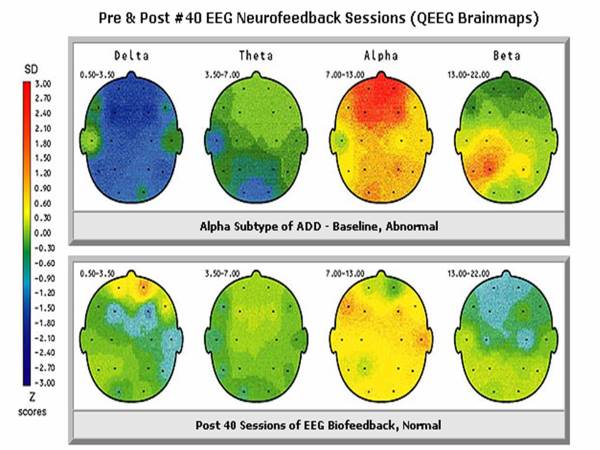
One of the most replicated findings in ADHD research is an elevated theta-to-beta ratio. This means:
- Higher levels of slow theta waves (4–7 Hz)
- Lower levels of faster beta waves (13–20 Hz)
This pattern helps explain why individuals with ADHD may feel mentally foggy, under-stimulated, or prone to drifting attention. From a brainwave perspective, ADHD is often less about hyperactivity and more about under-arousal.
This imbalance is a cornerstone concept in understanding brainwave frequencies for ADHD.
3. Theta Waves and ADHD
Theta waves are associated with daydreaming, internal focus, and reduced external awareness. While theta is essential for creativity and emotional processing, excess theta during tasks can impair concentration.
In the context of brainwave frequencies for ADHD, excessive theta activity may contribute to:
- Difficulty sustaining attention
- Mental drifting during conversations
- Slow task initiation
- Feeling mentally “elsewhere”
This does not mean theta is “bad.” The challenge lies in producing the right amount at the right time.
4. Beta Waves and Focus Regulation
Beta waves support alertness, problem-solving, and goal-directed behavior. Many ADHD brains show insufficient beta activity when it is needed most.
Healthy brainwave frequencies for ADHD involve flexible beta activation rather than constant high alertness. Too little beta leads to inattention; too much can increase anxiety.
5. Alpha Waves and Emotional Regulation
Alpha waves (8–12 Hz) act as a bridge between calm and focus. They help inhibit distractions and regulate emotional reactivity.
Many individuals with ADHD struggle to generate stable alpha rhythms, making emotional regulation more difficult. Supporting alpha is therefore a key strategy when working with brainwave frequencies for ADHD.
6. How Stress Disrupts ADHD Brainwaves
Stress amplifies imbalances already present in ADHD brains. High stress increases fast beta while suppressing alpha, creating mental noise rather than clarity.
This interaction explains why ADHD symptoms often worsen under pressure. Stabilizing brainwave frequencies for ADHD requires addressing stress physiology, not just attention.
7. Natural Ways to Support Healthier Brainwaves
Improving brainwave frequencies for ADHD does not start with forcing focus. It starts with regulating the nervous system.
- Slow breathing and mindfulness practices
- Regular physical activity
- Consistent sleep-wake cycles
- Reduced cognitive overload
- Structured routines
These strategies help normalize arousal, allowing beta and alpha to emerge more naturally.
8. Brainwave Entrainment and ADHD
Some individuals explore brainwave-based tools to support regulation. Techniques such as binaural beats and audio-visual entrainment aim to guide the brain toward healthier patterns.
For an overview, see The Complete 2026 Guide to Binaural Beats and Brainwave Stimulation at Home.
These approaches are designed to gently influence brainwave frequencies for ADHD, not override them.

9. Subtle Technological Support
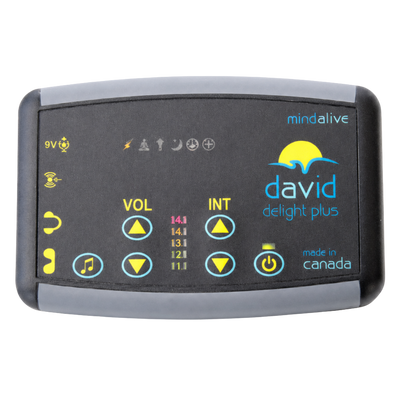
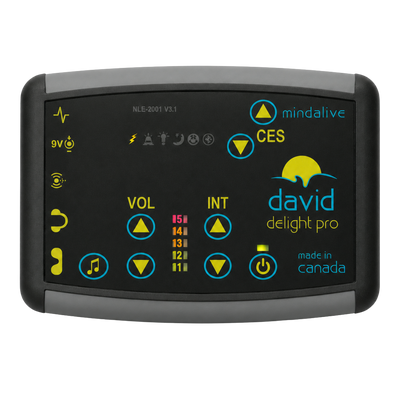
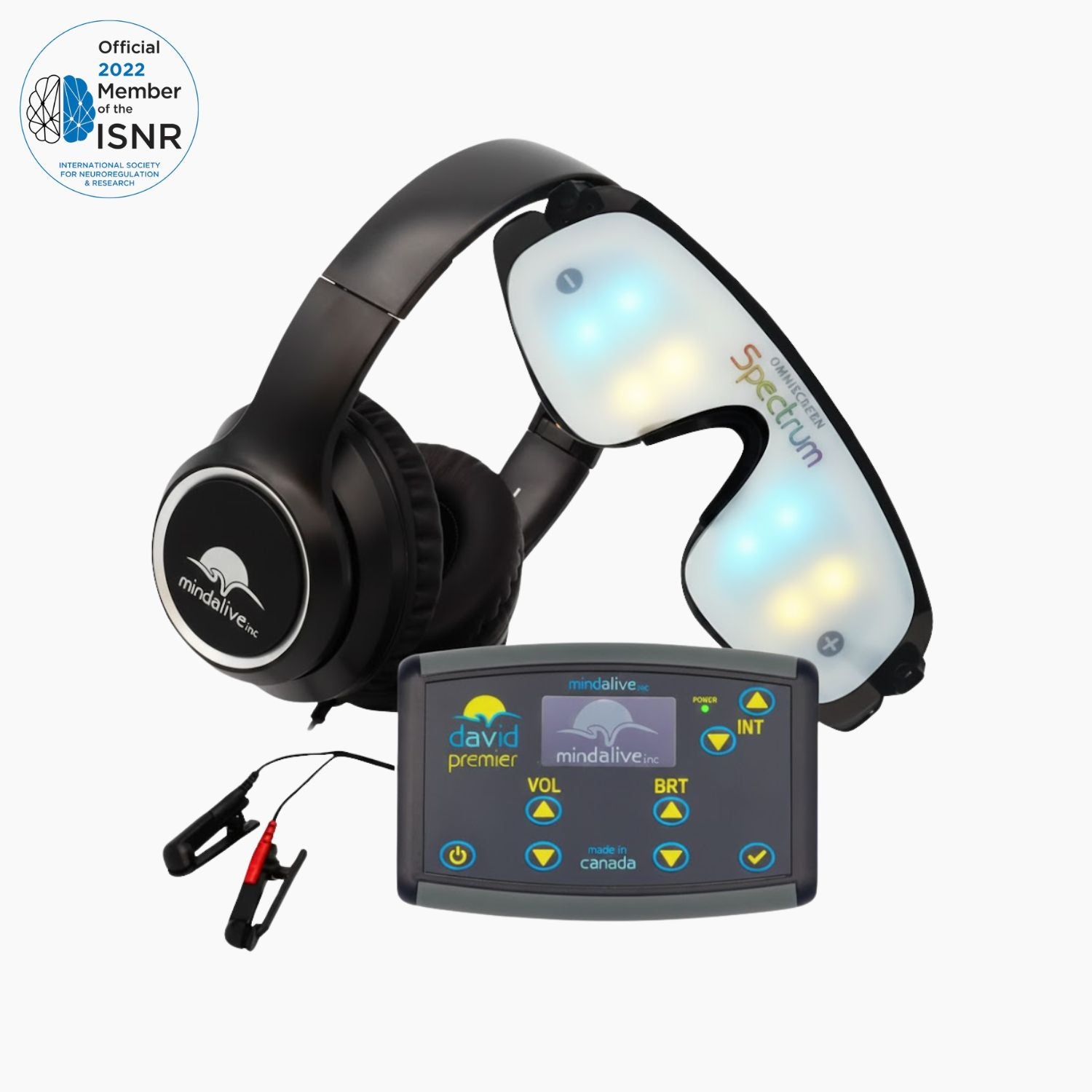
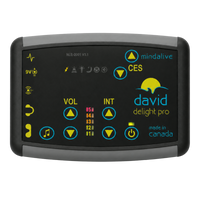
Some people choose structured neurotechnology for home use, particularly when traditional methods fall short. Devices such as the DAVID Delight Pro or the DAVID Premier include sessions designed to promote calm-focus balance.
Assessment tools like the brainwave assessment can also help individuals understand their personal patterns before intervention.
Used appropriately, these tools aim to complement—not replace—behavioral strategies for managing brainwave frequencies for ADHD.
10. A More Nuanced View of ADHD
When viewed through the lens of brainwaves, ADHD becomes less about willpower and more about regulation. Understanding brainwave frequencies for ADHD helps reframe challenges as neurophysiological patterns that can be supported, trained, and balanced over time.
Learn More About Brainwave Balance
Explore research-backed resources on brainwave regulation and attention support.
Explore Brainwave Education