

The Brainwave Patterns Behind Restless Nights
Yrian BrugmanWhy Deep Sleep Fails to Happen: The Brainwave Patterns Behind Restless Nights
Millions of people struggle with sleep: difficulty falling asleep, waking up repeatedly, light or shallow sleep, morning exhaustion, or the sense of being mentally tired but physically wired. They try supplements, sleep hygiene, routines, lower caffeine, blue-light blocking, or even prescription medication — but nothing seems to restore the deep, renewing sleep their body is craving.
What virtually no one explains is that sleep issues are often not behavioral problems — they’re brainwave problems. When the nightly transition between wakefulness and deeper sleep stages breaks down, the entire architecture of sleep becomes unstable.
Sleep Depends on Brainwave Transitions — Not Willpower
Healthy sleep is a rhythmic process. The brain naturally descends from fast, alert beta waves toward slower alpha, then into theta, and ultimately into the slow-wave delta patterns associated with deep, restorative sleep.
But for many people, especially in high-stress, high-stimulation lifestyles, the nervous system struggles to move out of its daytime rhythm. The brain stays “caught” in light, fast frequencies that block the descent into deeper states. The body tries to sleep — but the brain doesn’t follow.
The result?
You’re horizontal, your eyes are closed — but your brain never enters the states where real recovery happens.
Why People Wake Up at 2, 3 or 4 AM
People often think waking up in the night means something is “wrong with them.” In reality, it’s usually a simple pattern:
- the brain fails to stay in slow-wave sleep, or never reaches it
- the nervous system spikes back into lighter frequencies
- the body becomes semi-alert despite being exhausted
This is why you can fall asleep fine but feel like your sleep “breaks” halfway through. It’s not psychological. It’s not a lack of discipline. It’s a rhythm issue.
Why Supplements and Sleep Hygiene Help — but Often Don’t Solve It
Magnesium, melatonin, herbal blends, and strict routines can support sleep pressure — but they don’t always fix the brainwave transitions required for deep sleep. Many people say:
“I fall asleep faster, but the quality didn’t change.”
“I still wake up constantly.”
“I sleep 7–8 hours and still feel tired.”
That’s because calming the mind and sedating the body are not the same as achieving proper slow-wave architecture.
The Real Sleep Architecture Most People Never Hear About
Sleep is made of structured cycles — and every stage depends on brainwave changes. A simplified version looks like this:
| Brainwave State | Sleep Stage | What Should Happen | What Goes Wrong |
|---|---|---|---|
| Alpha (relaxed wakefulness) | Sleep onset | Mind quiets, transitions downward | Mind stays active → difficulty falling asleep |
| Theta (light sleep) | N1–N2 | Body begins to release tension | Frequent awakenings or restlessness |
| Delta (deep slow waves) | N3 | Physical repair, immune restoration, hormonal regulation | Never reached → unrefreshing sleep, morning fog |
When the brain can’t reach or maintain delta activity, no supplement or routine can compensate for the missing physiological restoration.
Why Today’s Modern Lifestyle Blocks Deep Sleep
Modern life pushes the nervous system into constant high-frequency activation. Screens, stress, speed, pressure, late meals, irregular schedules, always-on thinking — they all condition the brain to stay in lighter patterns.
During the day this feels like tension or mental overdrive. At night it feels like:
- light sleep
- waking up too early
- shallow breathing during sleep
- twitchy or restless thoughts
- never feeling fully rested
Why Binaural Beats Aren’t Enough for True Sleep Restoration
Binaural beats can offer mild relaxation. But they’re audio-only and often too weak to shift the nervous system out of ingrained high-frequency patterns. In people with real sleep disruption, the brain simply doesn’t follow these subtle cues consistently.
What actually helps is a stronger, more structured signal the nervous system can follow reliably.
A Clearer Path to Deep Sleep: Structured Brainwave Entrainment
Over the past decade, neuroscientists have demonstrated that combining light and sound frequencies — structured, rhythmic stimulation — can guide the brain more effectively into slower sleep-related patterns.
This works because it taps into the brain’s natural frequency-following response: the brain synchronizes with steady rhythmic inputs.
When done correctly, this can support:
- easier sleep onset
- fewer nighttime awakenings
- stronger slow-wave (delta) activity
- deeper recovery of the nervous system
- more restorative REM transitions
The DAVID Premier: Helping the Brain Enter the States Sleep Depends On
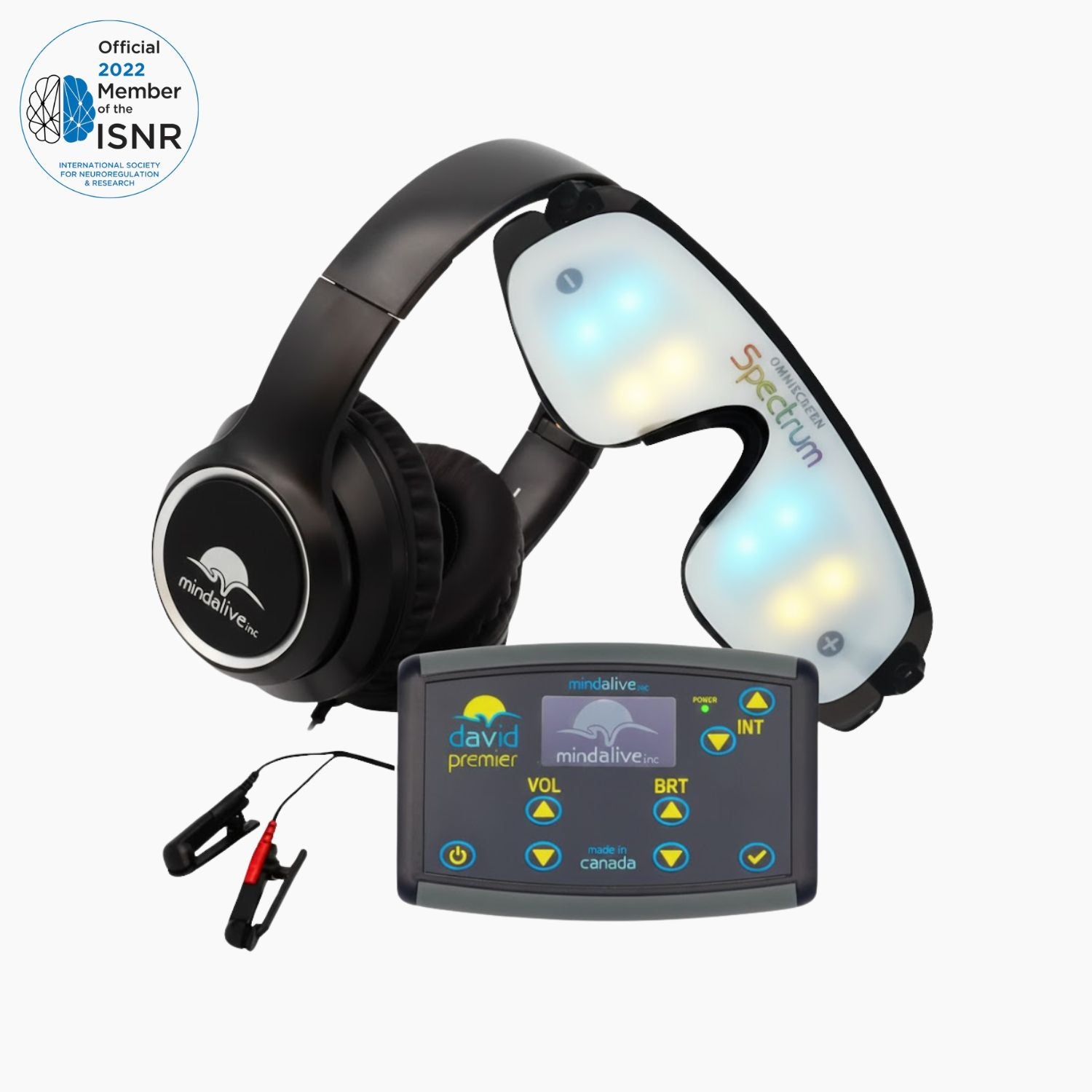
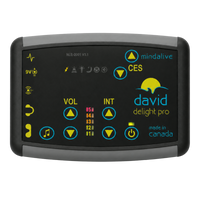
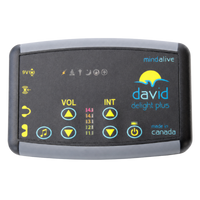
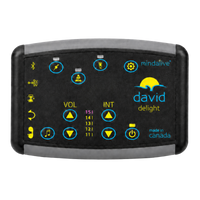
The DAVID Premier uses synchronized light and sound frequencies in carefully designed sleep protocols that help guide the brain toward alpha, then theta, and finally into deeper slow-wave patterns. This gives the nervous system a clear, reliable cue — something daily stress and modern stimulation often block.
Unlike supplements or sleep hygiene alone, this method works with the brain’s own timing mechanism rather than against it. Users often report:
- falling asleep faster
- staying asleep longer
- fewer awakenings
- deeper morning calm
- a less “wired” nervous system during the day
Better sleep isn’t just about hours — it’s about architecture. The DAVID Premier helps restore the rhythm that architecture depends on.
Explore DAVID Premier