

A New Way to Enter Theta Brainwaves Directly
Yrian Brugman
Neurotechnology · Brainwaves & Consciousness
A new way to enter Theta brainwaves directly — what brainwave states actually are, how they shape your mood, focus, and sleep, and why modern entrainment with AVE and CES can bring you into Theta more safely and reliably than traditional methods or binaural beats alone.
Used by sleep therapists and wellness professionals worldwide to restore deep, natural rest.
Every moment of your life, your brain is pulsing with electrical rhythms. These rhythms — called brainwaves — quietly shape whether you feel stressed or calm, creative or blocked, deeply asleep or wide awake. Among all of them, Theta brainwaves stand out as one of the most fascinating: they are the bridge between your conscious mind and deeper emotional and creative layers.
People chase Theta for many reasons: to meditate more deeply, to process emotions, to boost creativity, or to access a peaceful state that feels almost dream-like. But if you’ve ever tried to “force” yourself into Theta with meditation apps, breathing techniques, or binaural beats, you know how frustrating it can be. One day it feels like something happens. The next day — nothing.
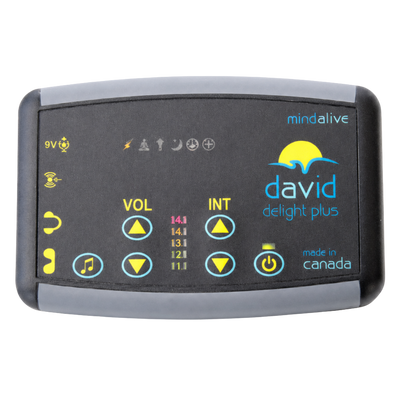
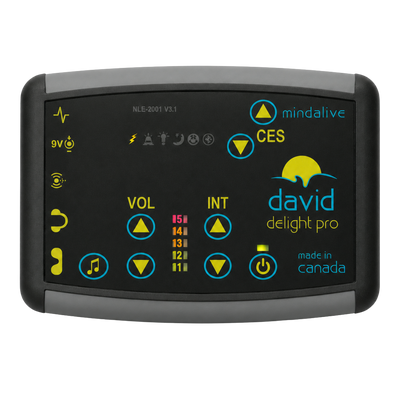
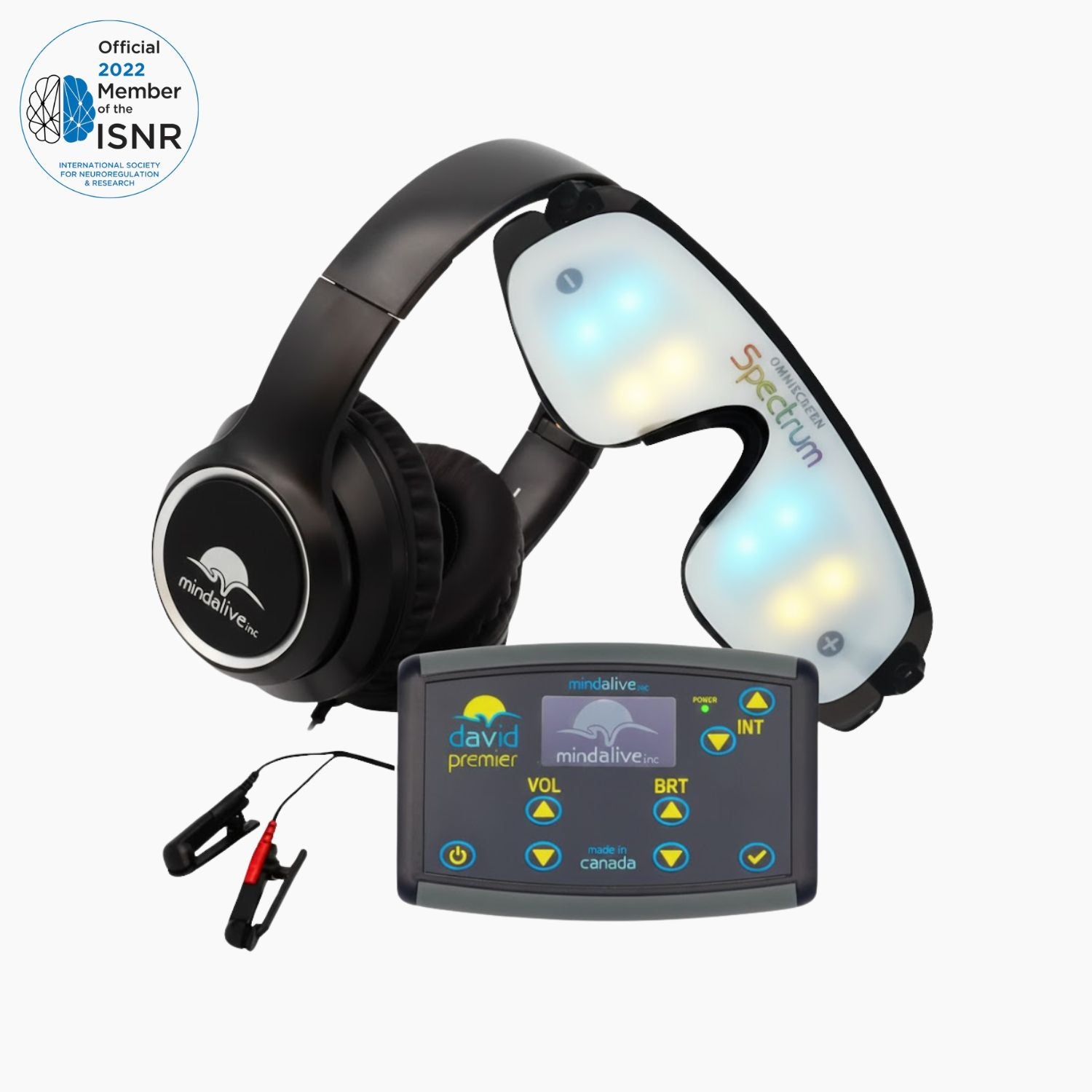
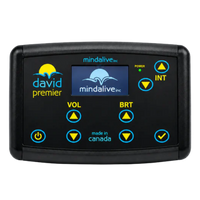
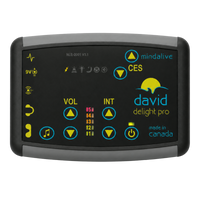
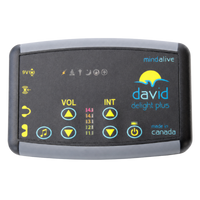
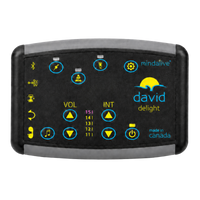
Today, we have a more precise option. Technologies like Audio-Visual Entrainment (AVE) and Cranial Electrotherapy Stimulation (CES), as used in MindAlive’s DAVID devices, can gently guide the brain into specific brainwave states — including Theta — in a way that is structured, repeatable, and drug-free.
In this guide, we’ll explore:
- what brainwaves are and how they work
- what makes Theta so powerful and so fragile
- why classic tools (meditation, hypnosis, binaural beats) are often hit-or-miss
- how AVE and CES can lead you into Theta directly
- how to build a practical, safe Theta routine into daily life
- common myths, FAQs, and ways to combine entrainment with therapy, journaling, and performance training
1. Brainwaves: The Hidden Language of the Brain
The brain is made up of billions of neurons, each communicating through tiny electrical impulses. When large groups of neurons fire together rhythmically, they create measurable waves that oscillate at different speeds. These speeds are categorized into frequency bands, usually described in hertz (Hz) — cycles per second.
Think of brainwaves as “operating modes” of your brain. Each band supports different kinds of processing. No state is “good” or “bad” by itself — what matters is whether the right pattern is active at the right time.
The Major Brainwave Bands
- Delta (0.5–4 Hz) — deep sleep, cellular repair, hormone regulation, immune support
- Theta (4–7 Hz) — meditation, creativity, memory integration, emotional processing
- Alpha (8–12 Hz) — relaxed wakefulness, flow, present-moment awareness
- Beta (13–30 Hz) — thinking, problem-solving, external focus
- High Beta (20–30+ Hz) — stress, rumination, fight-or-flight
- Gamma (30–80 Hz+) — insight, multi-sensory integration, peak performance
Your brain doesn’t use just one frequency at a time. Different regions can be in different modes. For example, you might have Beta in areas involved in thinking while Alpha dominates regions connected to relaxed awareness. What we call a “state” is really a pattern across the whole network.
2. The Role of Theta in the Bigger Brainwave Picture
Theta brainwaves (4–7 Hz) sit between slower Delta and faster Alpha. This “in-between” position is part of what makes Theta special: it links the slow, deep, subconscious processes with the more conscious flow of thoughts and sensations.
Where Theta Shows Up Naturally
- just before falling asleep and just after waking up
- during REM and light sleep stages
- in deep meditation or prayer
- during hypnosis
- in moments of daydreaming and internal imagery
Many experiences we associate with Theta include:
- flash insights that seem to “appear out of nowhere”
- emotional memories surfacing and resolving
- creative ideas that feel like they come from a deeper place
- a sense of being “half awake, half dreaming”
In therapeutic and performance contexts, Theta is linked with:
- trauma processing and emotional healing
- performance visualization in sports and arts
- behavior change and habit reprogramming
- addiction recovery protocols (especially Alpha-Theta work)
3. When Brainwaves Get Stuck: Modern Life vs Natural Rhythms
Ideally, your brain moves fluidly between Delta, Theta, Alpha, and Beta throughout the day and night. But chronic stress, trauma, poor sleep, overstimulation, and constant screen exposure can “lock” the brain in unhelpful patterns.
Common Imbalances
- Too much High Beta: racing thoughts, anxiety, constant tension
- Too little Alpha: difficulty relaxing, always “on edge”
- Too little Theta: emotional numbness, blocked creativity, shallow sleep
- Disrupted Delta: non-restorative sleep, fatigue, burnout
If your brain struggles to access Theta, you might notice:
- you fall asleep exhausted, but your rest doesn’t feel deep
- you overthink instead of feeling your emotions
- visualization exercises feel flat or forced
- meditation is mostly “fighting with thoughts” instead of dropping into stillness
This is exactly the situation where guided entrainment can help — by giving your brain a clear, rhythmic “template” to follow.
4. Traditional Ways of Reaching Theta (and Their Limits)
Before modern neurotechnology, people mainly used internal techniques:
Meditation & Mindfulness
Meditation can absolutely lead to Theta, but:
- it demands consistent practice over months or years
- many people stay mostly in Alpha or light Beta
- frustration with “not doing it right” activates more Beta
Hypnosis
Hypnosis deliberately targets Theta states using relaxation and focused attention. It can be powerful, but:
- requires a skilled practitioner or strong guided program
- depends on how suggestible and comfortable the person is
Breathwork and Bodywork
Slow breathing and somatic techniques can shift brainwaves by calming the nervous system, yet:
- they still require effort and focus
- many people either get sleepy or stay too alert
Binaural Beats and Isochronic Tones
These audio-based tools introduce rhythmic sound patterns that aim to entrain the brain. They are helpful for some, but:
- only engage the auditory system, not the visual system
- are easily masked by background noise or distractions
- have mixed scientific results, especially at deeper or higher bands
- often leave users “relaxed” but not truly in Theta
5. Audio-Visual Entrainment (AVE): A Direct Pathway Into Theta
Audio-Visual Entrainment (AVE) is a technology that uses flickering light (seen through closed eyes) and pulsed sound to guide the brain into specific frequencies. Instead of hoping your brain falls into Theta, AVE gives the brain a clear, multi-sensory rhythm to follow.
How AVE Works
- You wear light-stimulation glasses with your eyes closed.
- You listen to pulses of sound or gentle tones through headphones.
- The light and sound are synchronized at the target frequency (e.g., 6 Hz for Theta).
- Your visual and auditory pathways carry these rhythms deep into the brain.
- Neural activity begins to align with the stimulation through the frequency following response.
Because AVE taps into both the visual and auditory systems, the entrainment signal is much stronger and more global than sound alone.
What Theta AVE Feels Like
Users often report:
- a sense of melting tension in the body
- visual imagery behind closed eyelids
- memories or emotions gently surfacing
- a floaty, timeless sensation
- a deep calm without feeling sedated
6. CES: Supporting the Emotional and Chemical Side of Theta
Brainwaves are electrical, but your mood and stress levels are also driven by chemistry — neurotransmitters like serotonin, dopamine, and GABA, and hormones like cortisol.
Cranial Electrotherapy Stimulation (CES) uses gentle microcurrents applied via ear clips to help normalize this chemistry. The currents are so small that most people feel only a soft tingling or nothing at all.
Benefits of CES
- reduces anxiety and mental tension
- supports more stable mood
- helps with sleep onset and continuity
- creates a calmer baseline from which Theta is easier to access
When your nervous system is overactivated, trying to enter Theta can feel like trying to meditate while the fire alarm is ringing. CES helps quiet the alarm so that AVE can gently guide the brain into Theta without resistance.
7. MindAlive: Combining AVE and CES for Reliable Theta Access
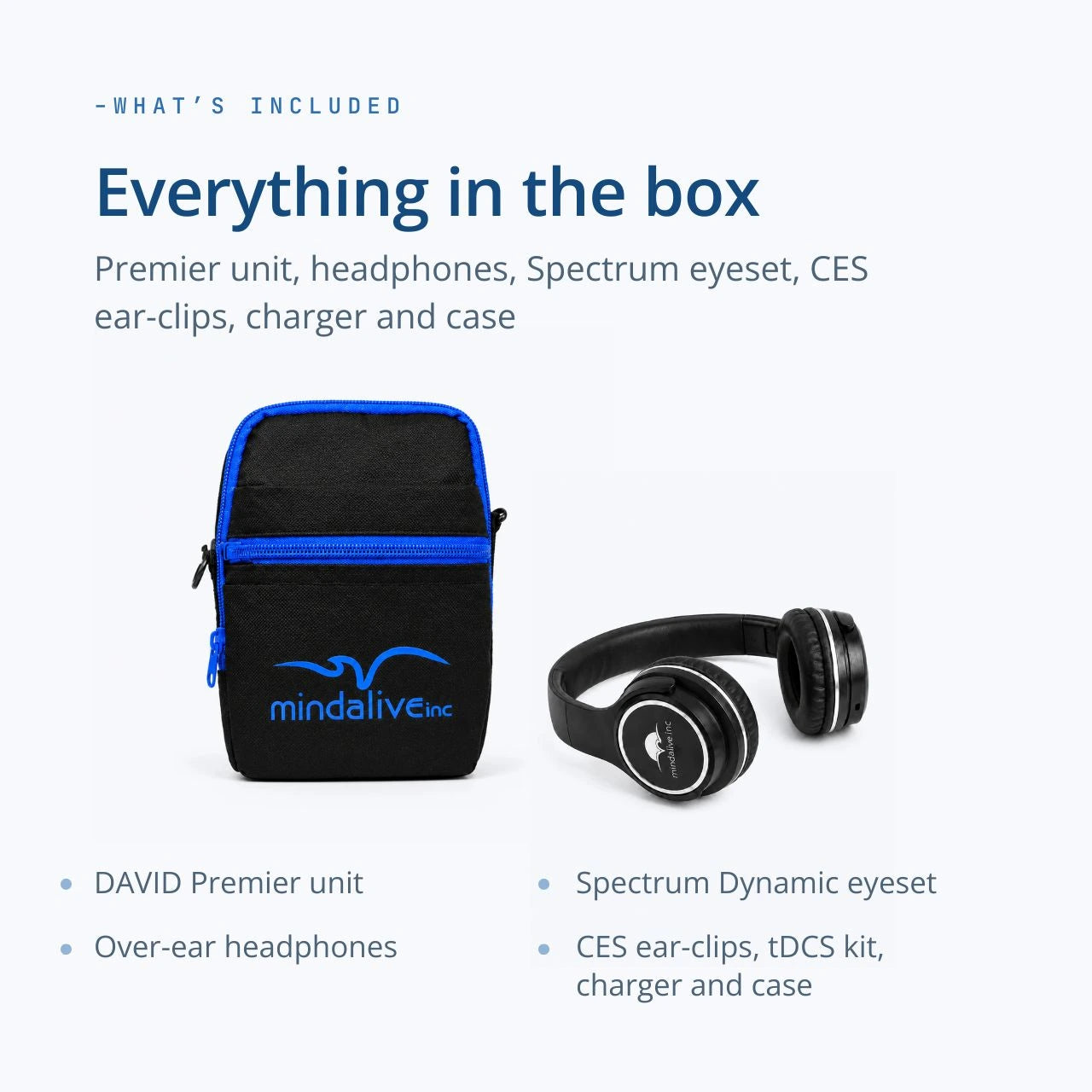
MindAlive’s DAVID devices bring AVE and, in some models, CES together into carefully designed, easy-to-use protocols. Instead of guessing which frequency or track to use, you select a session built specifically to support Theta-related outcomes — relaxation, emotional processing, creativity, inner focus.
Typical Theta-Oriented Programs on a DAVID Device
- Meditation / Theta Meditation: guides you into deep internal quiet
- Alpha-Theta: transitions from Alpha into Theta for emotional integration and creativity
- Hypnagogic / Dreamy: creates a drifting, dream-like state while still aware
- Stress Relief (Theta bias): reduces high Beta while increasing Alpha and Theta
These protocols are based on decades of use in clinics, research, and real-world practice — not just theory.
8. A Deep Dive Into All Brainwave States (and How Theta Fits In)
To really appreciate Theta, it helps to see how it interacts with all the other bands.
Delta: Foundation of Recovery
If Delta sleep is poor, Theta often becomes “chaotic” — emotional processing doesn’t complete, dreams feel fragmented, and you wake up tired. AVE protocols that improve sleep (Delta and slow Theta) can indirectly support healthier Theta during waking relaxation and meditation.
Alpha: Gateway to Theta
Most people cannot jump from fast Beta directly into Theta. They first need to pass through Alpha — a calm, clear, but still awake state. This is why many MindAlive protocols start in Alpha and then gradually slow toward Theta.
Beta and High Beta: The Overthinking Trap
When Beta and especially High Beta dominate, the brain is in survival mode. Thoughts race, muscles tense, breathing becomes shallow. In this state, trying to “reach Theta” usually fails; the system doesn’t feel safe enough. AVE sessions that first reduce Beta and support Alpha make it much easier to slide into Theta afterwards.
Gamma: Peak Integration
In some advanced meditation and performance states, Gamma increases on top of a background of Theta and Alpha. Rather than aiming for Gamma directly, a healthier approach is: stabilize Delta → restore Theta and Alpha → then allow Gamma integration to emerge naturally in moments of insight or flow.
9. Practical Theta Protocols: How to Use MindAlive in Real Life
A. Evening Theta-Wind-Down Protocol (Approx. 45–60 minutes)
-
Light hygiene (10–15 minutes)
- dim overhead lights
- reduce screen exposure or enable night mode
- do a few gentle stretches or slow breathing
-
Theta or Alpha-Theta AVE session (20–30 minutes)
- use a MindAlive Theta-focused program
- lie down or sit comfortably with eyes closed and glasses on
-
Optional CES (20–40 minutes)
- run CES during or after the AVE session
- ideal if anxiety, rumination, or stress is high
-
Integration (5–10 minutes)
- journal any thoughts, images, or emotions that surfaced
- keep lights low, avoid checking your phone
B. Creative Theta Session (Approx. 60–90 minutes)
-
Pre-session intention (5 minutes)
- write down a question or creative problem you’d like insight on
-
Alpha-Theta AVE (30 minutes)
- allow the brain to drop from Alpha into Theta
- let images and ideas arise without forcing them
-
Post-session capture (15–30 minutes)
- journal freely about any impressions, ideas, or solutions
- sketch, outline, or brainstorm while your brain is still in a “soft” state
C. Emotional Processing / Therapy Support
- Use Theta or Alpha-Theta AVE sessions before or between therapy sessions to:
- access emotions more safely
- unlock old memories for discussion in therapy
- reduce nervous system hyperarousal
Want structured Theta protocols instead of guessing?
MindAlive’s DAVID devices include pre-designed Theta and Alpha-Theta sessions for relaxation, emotional integration, creativity, and sleep support — no programming required.
Find Your DAVID10. Case-Style Examples: How Different People Use Theta
1. The Stressed Professional
Problem: constant high Beta, trouble sleeping, mind racing at night.
Approach:
- evening Theta or Alpha-Theta session 4–5x per week
- CES to reduce anxiety and support sleep onset
- after 2–3 weeks: better sleep depth, calmer evenings, fewer night awakenings
2. The Creative Block
Problem: ideas feel stale, overthinking kills inspiration.
Approach:
- use Alpha-Theta AVE before creative work
- journal immediately after sessions
- associate Theta with play, exploration, non-judgment
- result: more spontaneous ideas, less pressure around “being original”
3. The Overwhelmed Nervous System
Problem: history of stress or trauma, difficulty relaxing, emotions feel “stuck.”
Approach:
- start with gentle Alpha-biased relaxation sessions
- slowly introduce Theta-focused programs once the nervous system feels safer
- combine with therapy, EMDR, or somatic work
- result: a gradual increase in emotional tolerance and processing capacity
11. Myths About Theta and Brainwaves
Myth 1: “Theta is a magical state where all problems disappear.”
Theta is powerful, but it is not a cure-all. It supports insight and integration, but real-life changes still require action, support, and time.
Myth 2: “More Theta is always better.”
Too much Theta at the wrong time — like while trying to drive or work — can make you spacey or unfocused. Balance between all bands is key.
Myth 3: “You can force yourself into Theta with willpower.”
Trying too hard activates Beta — the opposite of what you want. The nervous system needs to feel safe; Theta emerges when the “fight-or-flight” system steps down.
Myth 4: “One deep Theta session will fix everything.”
Just like going to the gym once won’t transform your body, one entrainment session won’t rewrite your entire nervous system. Consistency matters more than intensity.
12. Frequently Asked Questions About Theta & MindAlive
“How fast will I feel Theta in a session?”
Many people feel a shift within 5–10 minutes. Others, especially those who are very stressed, may need a few sessions before they can clearly recognize the Theta state.
“Is Theta safe to use every day?”
Yes, when used as directed. Many MindAlive users incorporate Theta or Alpha-Theta sessions several times per week for relaxation, emotional processing, or creativity. As with any powerful tool, moderation and listening to your body are important.
“Can I fall asleep during a Theta session?”
Yes, especially in the beginning. If you consistently fall asleep, try using Theta earlier in the day, or start with slightly higher frequencies (Alpha) and only then move into Theta over time.
“Will my brain become dependent on devices to reach Theta?”
No. Entrainment is not addictive or habit-forming. Over time, many users find their brain naturally becomes more familiar with the Theta state and can reach it more easily, even without devices.
“Can I combine Theta sessions with therapy or coaching?”
Absolutely. Theta can make it easier to access meaningful material, regulate emotions, and integrate insights — which can enhance therapy and personal development when used thoughtfully.
13. Integrating Theta With Other Growth Practices
Theta entrainment is not meant to replace other tools; it can amplify them.
With Journaling
- run a Theta or Alpha-Theta session
- journal immediately afterwards about thoughts, dreams, or emotions
- use prompts like “What do I need to know?” or “What am I ready to let go of?”
With Therapy
- use Theta sessions on non-therapy days to support ongoing integration
- note themes that arise and bring them to your therapist
With Meditation
- alternate device-guided Theta sessions with device-free meditation
- use AVE to “train” your brain in how Theta feels, then re-create that state on your own
With Performance and Learning
- use slightly higher Theta or Alpha-Theta before studying or skill practice
- use journaling or visualization to encode new patterns more deeply
14. Safety, Sensitivity, and Listening to Your Nervous System
Most users tolerate Theta entrainment very well, but it’s important to respect your own limits.
General Guidelines
- start with shorter sessions (10–20 minutes) if you are sensitive
- avoid back-to-back long sessions in the beginning
- if you feel overwhelmed, switch back to gentler Alpha-based relaxation for a while
- never use AVE while driving or doing anything that requires full external attention
When to Consult a Professional
- history of epilepsy or seizures
- implantable medical devices (for CES)
- severe psychiatric conditions
Always see AVE and CES as supportive tools — not as replacements for professional care when it’s needed.
15. The Future of Theta and Brainwave-Entrainment
Research on brainwaves continues to grow. Theta is being studied in areas such as:
- PTSD and trauma treatment
- addiction recovery and craving management
- peak performance in athletes and performers
- deep learning and memory consolidation
- spiritual and contemplative practices
As tools become more precise, one principle remains central: the most effective technologies respect the brain’s natural rhythms instead of trying to overpower them. AVE and CES are built around this principle — they guide, they do not force.
Experience Theta on Purpose — Not by Accident
Most people drift into Theta only while falling asleep or by chance in meditation. MindAlive’s DAVID devices allow you to intentionally visit this powerful state for relaxation, healing, creativity, and growth — using safe, non-invasive neurotechnology trusted for over 35 years.
Explore DAVID Devices