

An Introduction to Brainwave Entrainment Research
Yrian BrugmanWritten by MindAlive. 35 years of brainwave entrainment. Awarded five times by independent authorities for innovation in neurotechnology.
Brainwave Entrainment Research: What the Science Really Shows
Brainwave entrainment is often discussed online as if it is either a miracle or a myth. The truth is more practical and more interesting. There is a real body of research exploring how rhythmic stimulation influences brain activity and how that translates to sleep, mood, attention, and stress regulation.
This deep dive explains what researchers measure, what outcomes show up most consistently, what limitations exist, and why multisensory approaches like audiovisual entrainment are the focus of many applied protocols.

What Researchers Mean by “Brainwave Entrainment”
In research settings, brainwave entrainment refers to the use of rhythmic sensory input designed to influence neural oscillations. Those oscillations are the brain’s electrical rhythms, often grouped into frequency bands like delta, theta, alpha, beta, and gamma.
Entrainment in this context means that neural activity shows measurable alignment with an external rhythm, typically observed through EEG or related physiological outcomes.
Depending on the study design, entrainment is delivered through audio, light, or a combination of both. Some protocols also combine entrainment with additional modalities, but the core concept remains the same: rhythmic input, targeted frequency, measurable response.
Two Important Questions in Entrainment Research
Most of the scientific debate comes down to two questions:
- Does the brain actually show frequency following? In other words, do EEG patterns shift toward the stimulus frequency?
- Do those shifts matter clinically? Meaning: do people sleep better, feel calmer, focus better, or show measurable improvements?
Many studies examine both. Some focus on the mechanism, others focus on outcomes, and the strongest papers do both.
What the Modern Literature Reviews Suggest
A useful way to understand the overall field is to look at integrative reviews that summarize multiple studies, methods, and outcomes. One recent PubMed-indexed integrative review (link below) discusses therapeutic potential across domains like sleep, cognition, mood, and wellbeing, while also noting the need for stronger standardization and larger controlled trials.
PubMed: Integrative review on brainwave entrainment (PMID: 39699823)
Why Audiovisual Entrainment Is Often Studied
Audio-only entrainment can be helpful for relaxation, but many applied protocols favor audiovisual entrainment. The reason is simple: the brain responds strongly to rhythmic visual input, and combining light with sound reinforces timing and stability.
- Visual pathways are fast and highly synchronized.
- Rhythmic light stimulation can produce a strong frequency-following response.
- Audio pulses can reinforce the rhythm and improve consistency.
This is also why clinical-grade consumer devices often center around audiovisual entrainment rather than binaural beats alone.
Key Outcome Areas Studied in Brainwave Entrainment Research
Across the literature, outcomes tend to cluster into a few common domains. Below is a practical overview of what is most frequently studied.
| Outcome Domain | What Researchers Measure | What Improvements Often Look Like |
|---|---|---|
| Sleep | Sleep onset latency, awakenings, subjective sleep quality, sometimes EEG changes | Faster sleep onset, deeper rest, fewer awakenings, better morning recovery |
| Stress and Anxiety | Self-report scales, physiological markers, sometimes EEG alpha changes | Lower perceived stress, calmer baseline, improved emotional stability |
| Attention and Focus | Cognitive tasks, reaction time, executive function tests, sometimes EEG beta or SMR changes | Better sustained attention, less mental fatigue, improved task performance |
| Mood | Mood scales, wellbeing indexes, daily functioning measures | Improved mood consistency, reduced emotional reactivity |
| Pain and Somatic Symptoms | Pain scales, perceived intensity, functional impairment | Reduced perceived intensity, better coping and daily functioning |
What “Good Evidence” Looks Like in This Field
Like any intervention research, the strength of evidence depends on design quality. When you read studies on entrainment, these factors matter most:
- Controls: sham stimulation, placebo comparisons, or active control conditions.
- Sample size: larger groups reduce random effects.
- Standardized measures: validated sleep and anxiety scales, consistent endpoints.
- Protocol clarity: frequency, duration, number of sessions, and delivery method clearly described.
- Follow-up: whether benefits persist beyond immediate sessions.
The most useful studies do not just ask “did people feel better,” they ask “what changed, how was it measured, and how repeatable is the protocol.”
Where the Evidence Is Strongest
Across many collections of studies and applied protocols, the most repeatable outcomes tend to appear in:
- sleep support, especially when protocols emphasize gradual slowing toward theta and delta
- stress reduction and relaxation, often associated with alpha range stimulation
- focus support, especially when protocols target stable low beta and SMR ranges
There is still variability by population, session length, number of sessions, and delivery method. That variability is not a weakness of the concept. It is a reminder that protocol design matters.
Why Delivery Method Changes Results
Two sessions can target the same frequency and still produce different results if the delivery method changes. Audio-only methods rely on auditory processing and the user’s ability to stay calm and attentive. Light-based entrainment directly engages visual pathways that are often more responsive to rhythmic input.
| Method | Typical Strength | Most Common Use |
|---|---|---|
| Audio-only (binaural, isochronic) | Low to moderate | Relaxation, light meditation, background support |
| Light-based entrainment | Strong | State shifting, relaxation, sleep preparation |
| Audiovisual entrainment (light + sound) | Strongest | Sleep, anxiety, focus, mood regulation protocols |
MindAlive’s Research Summary and Study Library
MindAlive has compiled an extensive overview of peer-reviewed research and outcomes related to DAVID devices, including efficacy and safety. This library is a useful starting point if you want a structured overview instead of searching across scattered papers.
Scientific Studies on the DAVID Devices: Proof of Efficacy and Safety
It includes studies across areas like learning, attention, stress reduction, sleep, mood and related wellness outcomes.
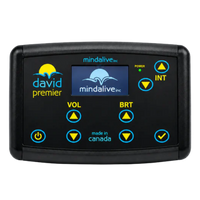
Why DAVID Premier Is a Practical “Research Grade” Choice for Home Use
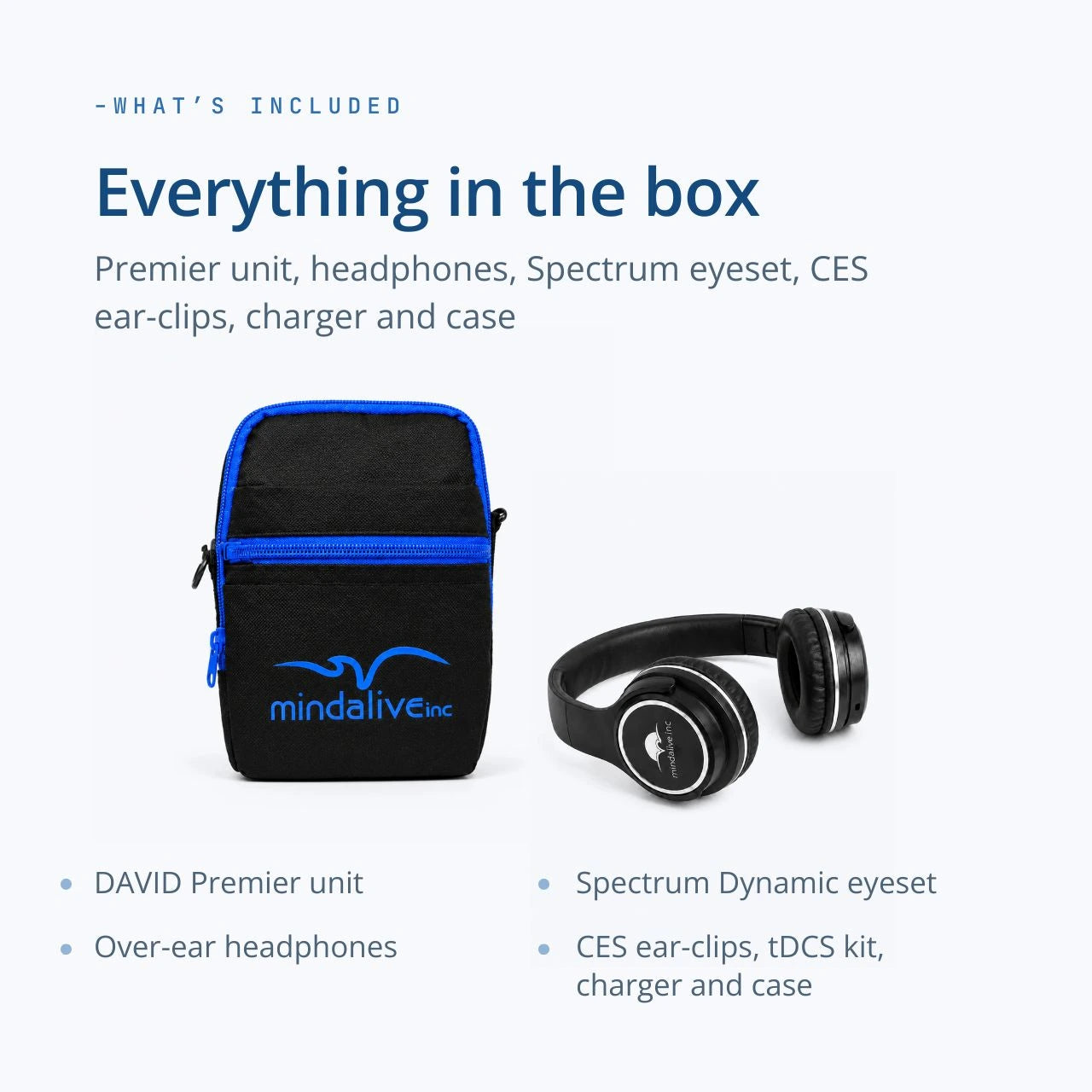
Many people want the benefits of research-backed entrainment protocols, but they need a device that is consistent, structured, and easy to use at home. That is exactly what DAVID Premier is built for.
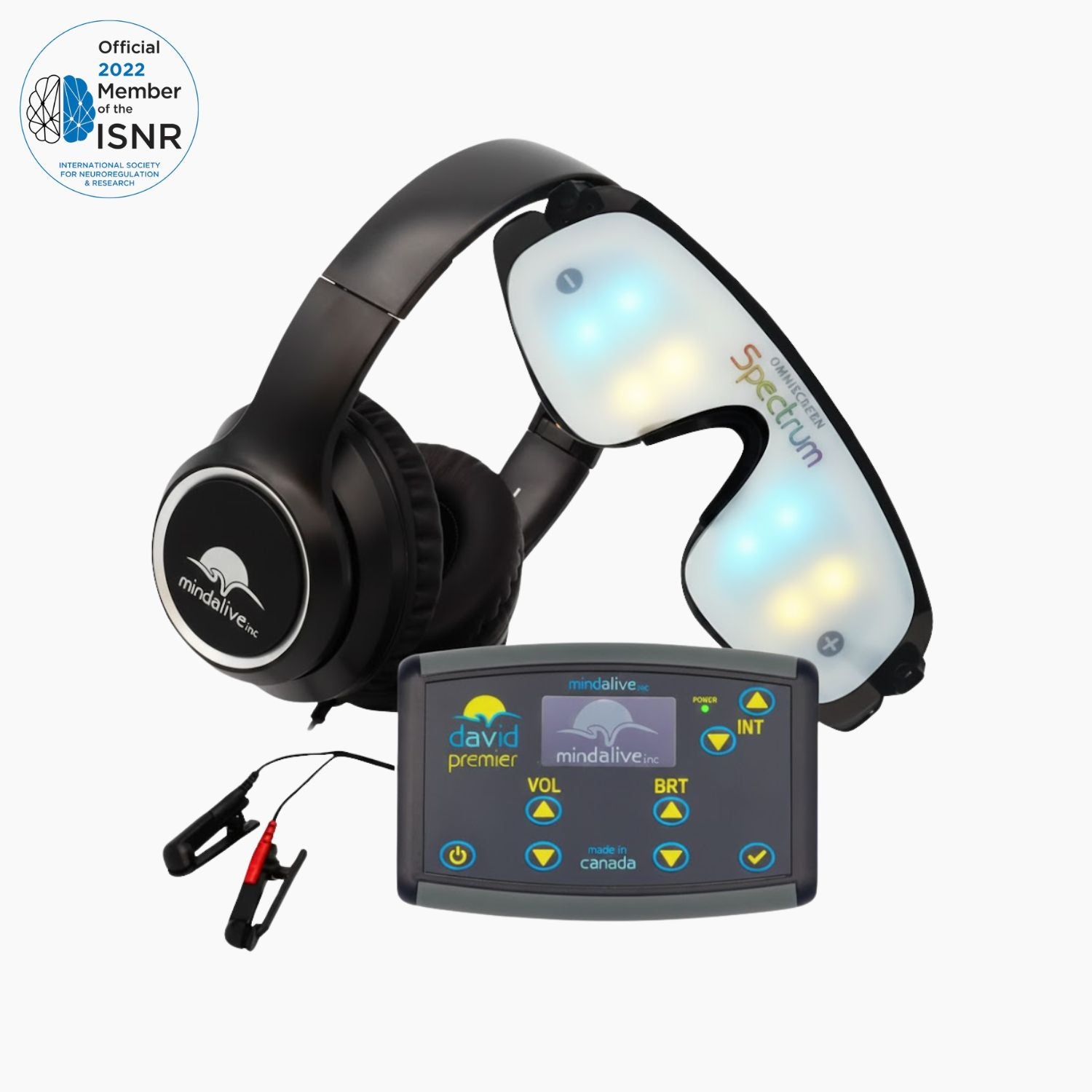
DAVID Premier is designed to deliver audiovisual entrainment with session structure that aligns with the way protocols are described in the literature:
- clear session purpose (sleep, stress, focus, calming)
- consistent timing and frequency parameters per session
- repeatable use so results can build over time
- multisensory stimulation for stronger entrainment compared to audio-only approaches
Realistic Expectations: What Research Supports and What It Does Not
Brainwave entrainment research supports the idea that rhythmic stimulation can influence brain rhythms and can support outcomes like relaxation, sleep, and cognitive performance. It does not mean a single session permanently rewires the brain. Most benefits appear with repetition and consistency.
Entrainment is closer to training than to a one-time cure. Consistent sessions matter more than perfect sessions.
How to Use Research to Choose the Right Approach
If you want to evaluate entrainment claims with a research mindset, use this checklist:
- Is the protocol multisensory or audio-only?
- Does the study use a control condition?
- Are outcomes measured with validated tools?
- Is the program duration realistic, like two to four weeks?
- Are the reported effects aligned with the targeted frequency range?
Conclusion: The Research Is Growing, and the Practical Use Is Here
Brainwave entrainment is a real research field with decades of investigation. The modern literature continues to refine protocol quality, clarify which outcomes are most repeatable, and identify which delivery methods produce the strongest results.
If you want a practical way to apply this research in a repeatable, structured way, start with a device designed around multisensory entrainment.