

Beta waves for studying
Yrian BrugmanWritten by MindAlive – research-backed brainwave entrainment for over 35 years.
Understanding Beta Waves and Their Role in Studying
Beta waves operate between 12–30 Hz and are associated with alertness, active thinking, logical reasoning, and mental effort. They are crucial when you need to:
- analyze complex information
- solve structured problems
- stay mentally sharp during long study sessions
- maintain high levels of cognitive engagement
While alpha waves help students stay relaxed and receptive, **beta waves are responsible for active concentration**, decision-making, and deep cognitive work.
When Beta Waves Improve Study Performance
Beta activity becomes especially beneficial when you're working on tasks that require:
- focused logical thinking
- analysis and synthesis
- detailed reading
- mathematical reasoning
- problem-solving accuracy
If alpha is the “smooth uptake” state, beta is the “mental engine” that processes and structures information.
Beta waves drive your ability to stay sharp, alert, and analytically engaged — exactly what high-level studying requires.
When Beta Waves Become a Problem
Beta is powerful, but too much beta activity can lead to mental strain. If beta waves stay elevated for long periods, you may experience:
- restlessness
- overthinking
- mental fatigue
- head tension
- study burnout
This is why many students benefit from alternating between alpha-supportive and beta-supportive techniques — a strategy explained in detail in The Complete Guide to Brainwave Frequencies.
 How to Increase Healthy Beta Activity
1. Structured study environments
A clean, quiet, uncluttered environment triggers natural beta activation by reducing distractions.
2. Goal-oriented study blocks
Working in defined 30–45 minute blocks helps maintain sustainable beta activity without entering overstimulation.
3. Cognitive warm-ups
Puzzles, quick math problems, or short logic exercises raise beta activity before studying.
4. Reducing low-frequency distractions
Relaxing music, soft lighting, or daydreaming shifts the brain toward alpha or theta — great for creativity, not for focus. This difference is explained in What Is Brain Entrainment Therapy?.
5. Audiovisual Entrainment (AVE)
AVE uses rhythmic LED light combined with synchronized audio pulses to guide the brain toward specific frequency ranges. Unlike binaural beats, which rely only on sound, AVE engages both the visual and auditory cortex, creating a stronger, more reliable shift into beta when needed.
For studying, beta sessions help build alertness and sustained concentration, especially during heavy cognitive tasks.
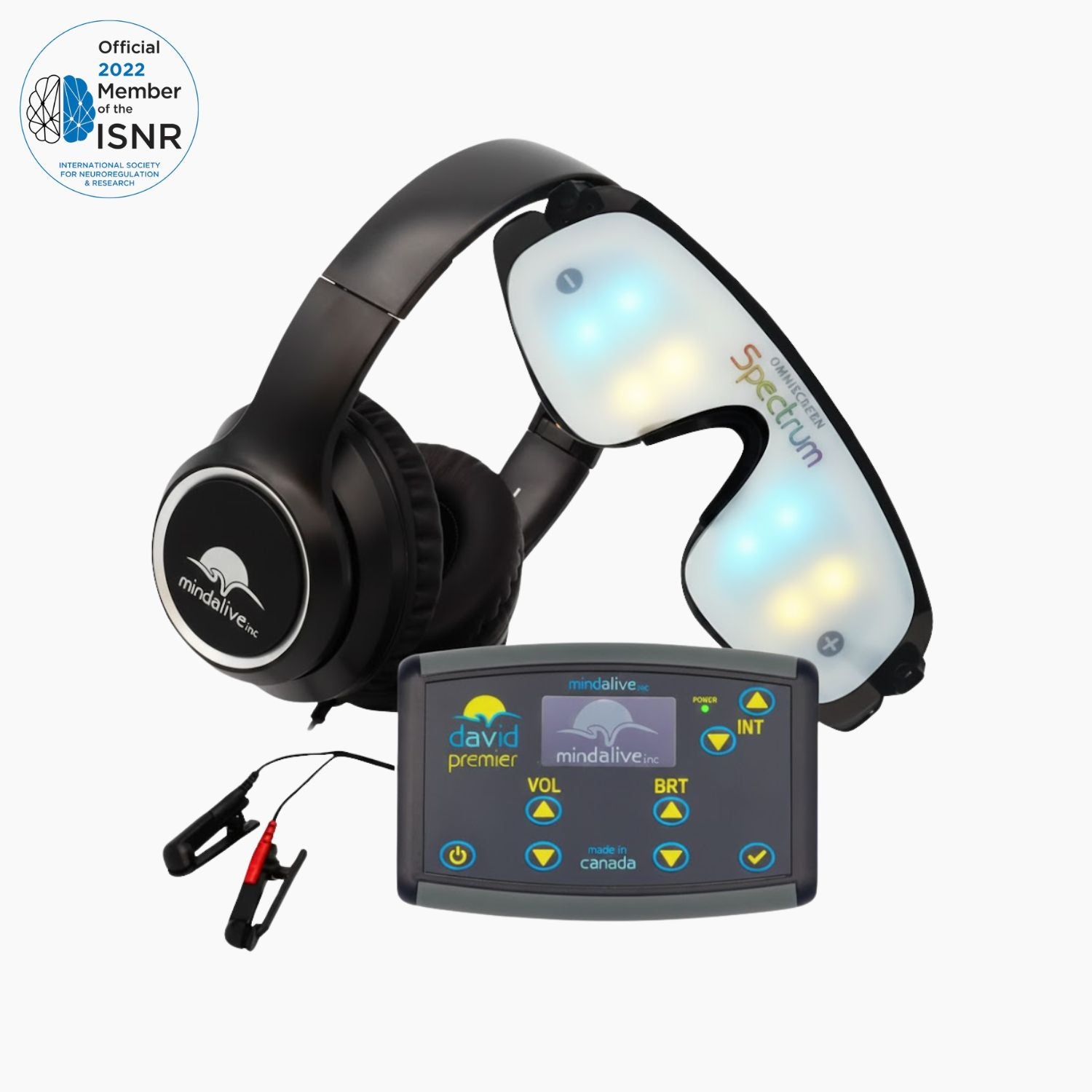
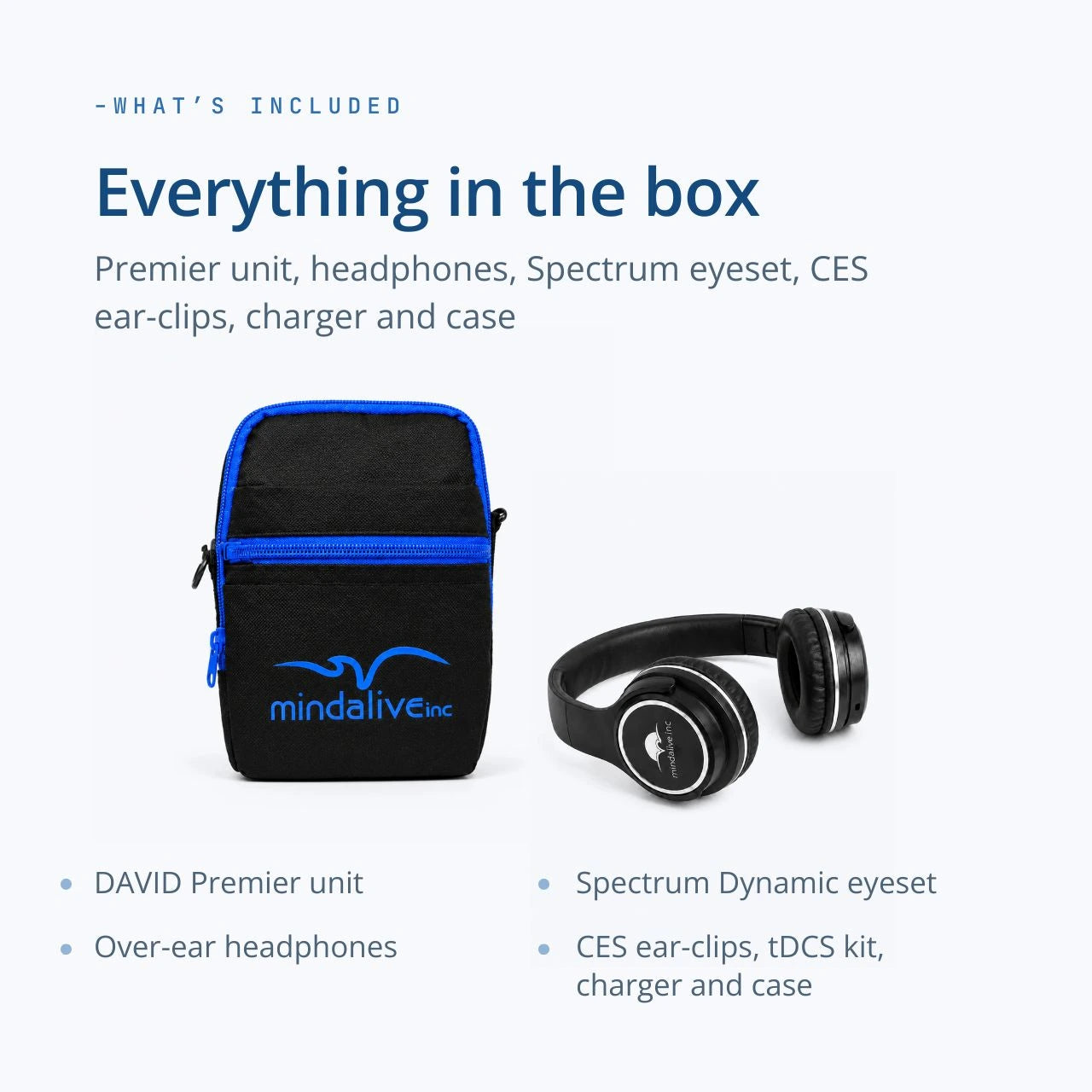
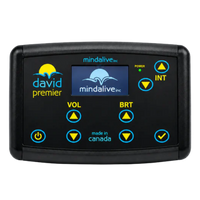
Why the DAVID Premier Is Ideal for Beta Entrainment
The DAVID Premier includes structured beta-based sessions designed for:
- exam preparation
- long cognitive work sessions
- logical problem-solving
- boosting alertness in low-energy periods
Users who benefit from alpha-guided study (explained in The Beginner’s Guide to Brainwave Entrainment) often combine both alpha and beta sessions to maximize retention and analytical output.
Your Next Step
If you want sharper concentration, stronger mental stamina, and improved study performance, beta entrainment offers a targeted way to enhance alertness and cognitive clarity — especially when driven by a research-grade AVE device.
Boost Study Focus with the DAVID Premier