

Brainwave Treatment: A Complete Guide
Yrian BrugmanWritten by MindAlive. 35 years of clinical experience in brainwave entrainment and neurostimulation technologies.
A Complete Guide to Modern Neurostimulation
Brainwave treatment refers to therapeutic methods that influence the electrical rhythms of the brain. These methods include light stimulation, sound stimulation, audiovisual entrainment, neurofeedback and other non-invasive tools that help the brain shift into more stable, restorative or efficient states.
Although the term sounds futuristic, brainwave-based treatments have been studied for decades. Many clinicians use them today to support sleep, reduce anxiety, improve attention and regulate the nervous system.

What Is Brainwave Treatment
Brainwave treatment uses external rhythmic stimulation to influence brainwave patterns. These rhythms, called neural oscillations, are linked to emotional states, cognitive performance, sleep depth and stress levels.
The goal of brainwave treatment is not to force the brain into a state but to guide it toward healthier patterns it already knows how to produce.
The most common forms include:
- audio stimulation
- light stimulation
- audiovisual entrainment
- SMR and low beta protocols
- microcurrent stimulation (CES or MET in some clinical tools)
Why Brainwave Treatment Works
Brain rhythms naturally respond to external patterns through a mechanism called the frequency following response. When the brain detects a repeated rhythm, it begins to synchronize with it. This synchronizing process can support relaxation, focus, sleep or mental clarity depending on the frequency used.
The Five Brainwave States Used in Treatment
| Brainwave | Frequency | Therapeutic Effects |
|---|---|---|
| Delta | 0.5 to 4 Hz | Deep sleep, restoration, nervous system repair |
| Theta | 4 to 7 Hz | Meditation, creativity, emotional processing |
| Alpha | 8 to 12 Hz | Relaxation, calm focus, reduced anxiety |
| SMR / Low Beta | 12 to 15 Hz | Attention, impulse control, cognitive stability |
| Beta | 15 to 30 Hz | Alertness, productivity, problem solving |
Methods Used in Brainwave Treatment
Audio-Based Treatment
Includes binaural beats and isochronic tones. Can help with light relaxation but is limited for deeper therapeutic effects.
Light-Based Treatment
Uses rhythmic LED pulses to stimulate the visual cortex. Very effective because visual pathways synchronize quickly.
Audiovisual Entrainment (AVE)
Combines light and sound rhythms. This is the strongest and most clinically used form of entrainment.
Audiovisual entrainment creates stronger and more stable shifts in brainwaves than audio-only methods.
CES / MET
Microcurrent stimulation devices used in some clinical settings for anxiety, mood and emotional regulation.
What Brainwave Treatment Can Help With
Research and clinical practice show benefits across several areas:
- Sleep improvement through delta-based entrainment
- Anxiety reduction through alpha stimulation
- Deep relaxation through theta protocols
- Focus and cognitive stability through SMR and low beta
- Emotional balance through multisensory rhythmic stimulation
- Overwhelm reduction by stabilizing the nervous system
Why The DAVID Premier Is Ideal for At-Home Brainwave Treatment
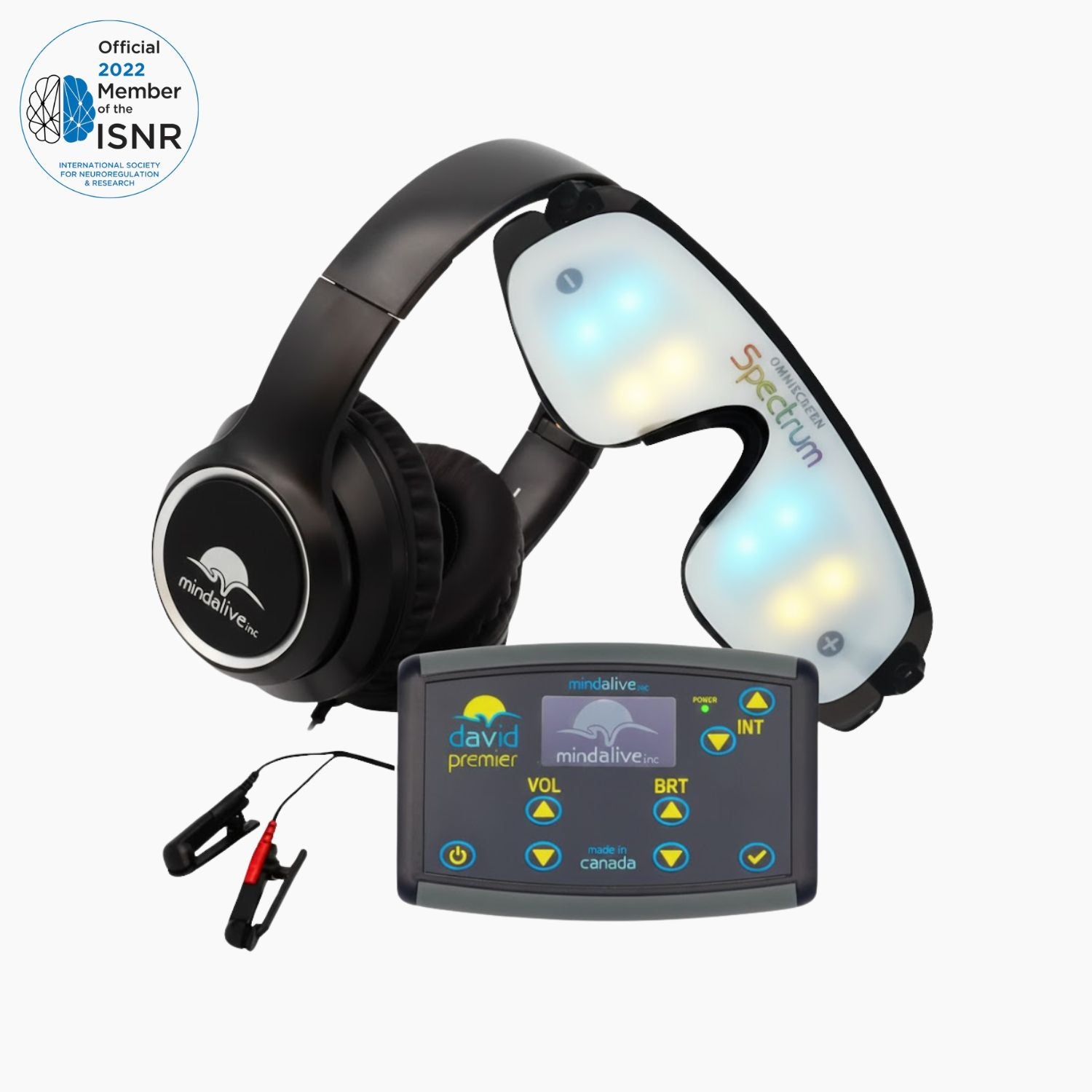
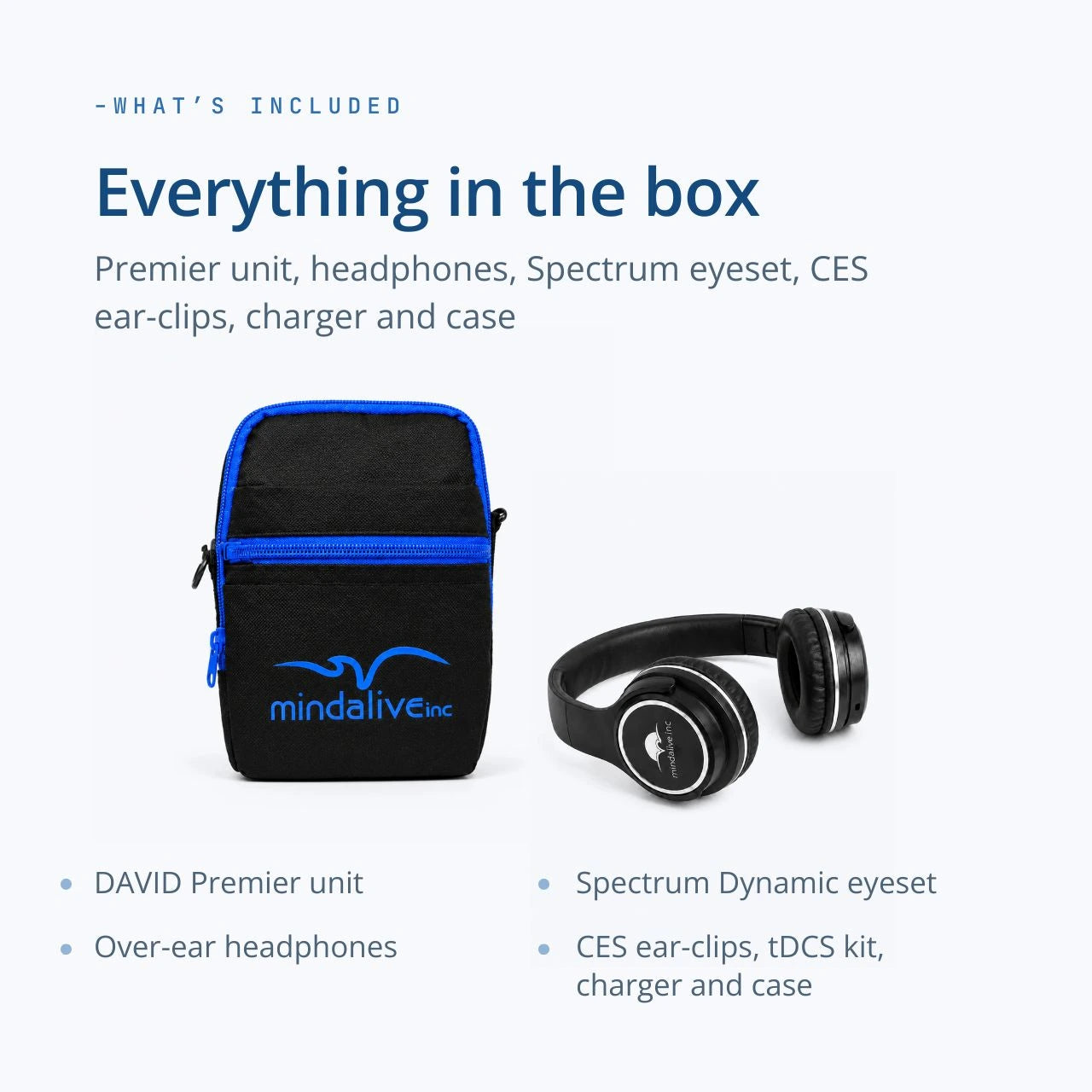
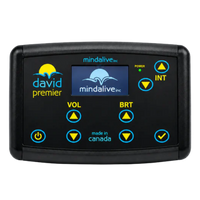
The DAVID Premier is designed for people who want research-based brainwave treatment without needing a clinical setup. It includes structured programs for sleep, stress relief, anxiety calming, emotional regulation, meditation depth and focus enhancement.
Because it uses audiovisual entrainment rather than audio-only methods, the effects are stronger, more reliable and more consistent with the mechanisms described in EEG research.
What A Session Feels Like
Most users describe the experience as:
- a quieting of mental noise
- a heavy, grounded body feeling
- a drop in stress and physical tension
- easier emotional balance
- deeper and more restorative sleep
Sessions typically last 20 to 40 minutes and can be used daily or several times per week.
How Brainwave Treatment Compares to Other Approaches
| Approach | Strength | Good For |
|---|---|---|
| Meditation | Moderate | Calm over time, training the mind |
| Breathing exercises | Moderate | Nervous system downregulation |
| Audio-only entrainment | Low to moderate | Light relaxation |
| Light entrainment | High | Sleep, stress, focus |
| Audiovisual entrainment | Very High | Comprehensive brainwave treatment |
Is Brainwave Treatment Safe
Yes. It is non-invasive, uses natural sensory pathways and does not force the brain into abnormal states. Most users experience calmness and clarity with no side effects.
Your Brain Can Shift. It Just Needs the Right Rhythm.
Brainwave treatment works because your brain naturally follows external rhythms. With the right frequency and delivery method, you can guide your mind into states of deep rest, clarity, calmness or focus.