

How To Enter Delta Waves For Deep Sleep?
Mind AliveWritten by MindAlive – 35 years of brainwave entrainment, 5× awarded for innovation in neurotechnology.
How To Enter Delta Waves For Sleep
Delta brain waves are the slowest brain rhythms and dominate during deep, restorative sleep. You don’t “force” your brain into delta on command, but you can stack the conditions that make delta-dominant sleep far more likely: strong sleep pressure, a stable circadian rhythm, a calm nervous system, and, if desired, targeted neuromodulation such as audio-visual entrainment (AVE) and cranial electrotherapy stimulation (CES).
In this guide, we’ll walk through how to build an evening routine and targeted sessions that gently guide your brain from busy beta into relaxed alpha, drifting theta, and finally into delta waves for deeper, more restorative sleep.
Key Takeaways
- You can’t “switch on” delta at will, but you can create the conditions that naturally promote delta-rich deep sleep.
- Three pillars matter most: circadian rhythm, sleep pressure, and pre-sleep state (stress, arousal, and environment).
- AVE and CES can act as structured tools to guide your brain into pre-delta and delta ranges when used consistently.
- A stepwise routine—daytime habits → wind-down → entrainment/neuromodulation → lights-out—works better than last-minute fixes.
- Consistency across several weeks is more important than any single “perfect” session.
Step 1: Build the Foundations for Delta Sleep
Before you add any device, your biology has to be ready for delta. Deep sleep emerges when three basic levers are in place:
- Sleep pressure: How long you’ve been awake and active.
- Circadian timing: The alignment of your internal clock with your sleep schedule.
- Arousal level: Whether your nervous system is calm enough to let go.
Daytime Habits That Support Delta Waves
- Morning light: Get 10–30 minutes of outdoor light within 1–2 hours after waking to anchor your circadian rhythm.
- Movement: Include at least light-to-moderate activity most days. Physical fatigue supports stronger sleep pressure and deeper delta.
- Caffeine window: Finish caffeine 6–8 hours before bedtime to avoid suppressing deep sleep.
- Consistent meals: Large or very late meals can fragment deep sleep—try to finish dinner 2–3 hours before bed.
| Time of Day | Key Actions | Delta-Relevant Effect |
|---|---|---|
| Morning | Light exposure, hydration, light movement | Anchors circadian rhythm for predictable deep sleep window at night |
| Afternoon | Work, activity, limited late caffeine | Builds sleep pressure without overstimulating |
| Evening | Light dimming, relaxing activities, wind-down | Signals brain to shift from beta toward alpha/theta and eventually delta |
Step 2: Create a Delta-Friendly Evening Environment
The hour before bed is where you either sabotage or support delta waves. The goal is to lower sensory load and sympathetic (fight-or-flight) activation.
Optimize Your Sleep Environment
- Dark: Use dim, warm light 60–90 minutes before bed; avoid bright overhead lighting and screens aimed directly at your eyes.
- Cool: Aim for a slightly cool bedroom temperature; overheating fragments deep sleep.
- Quiet or predictable sound: Use white/pink noise if you live in a noisy environment.
- Clutter-free: Visual clutter acts as a cognitive “to-do list” and keeps the brain in problem-solving mode.
Design a 30–45 Minute Wind-Down
- Switch intense or emotional content (e-mails, news, social media) for calming inputs (reading, stretching, journaling).
- Include 5–10 minutes of slow breathing or a brief meditation to shift toward parasympathetic dominance.
- If using AVE/CES, anchor it inside this wind-down window to create a consistent cue for sleep.
Rule of thumb: Your brain needs a clear “off-ramp” from the day. Delta waves don’t show up reliably if you go straight from bright screens and problem-solving into bed.
Step 3: Use AVE and CES to Gently Guide Into Delta
Once the basics are in place, neuromodulation technologies like AVE and CES can give your brain a structured path from fast, busy rhythms down toward delta.
Typical Sleep-Prep Session Architecture
| Phase | Approx. Frequency | Duration | Purpose |
|---|---|---|---|
| Phase 1 – Unwind | Alpha (8–12 Hz) | 5–10 min | Relax, reduce mental chatter, ease out of beta |
| Phase 2 – Drift | Theta (4–8 Hz) | 10–20 min | Encourage drowsiness and internal imagery |
| Phase 3 – Deepen | Pre-delta / delta (1–4 Hz) | 10–20 min | Promote deep relaxation and readiness for slow-wave sleep |
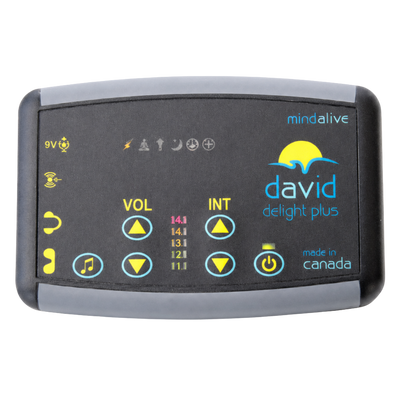
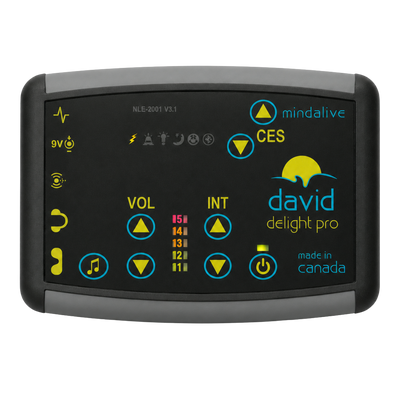
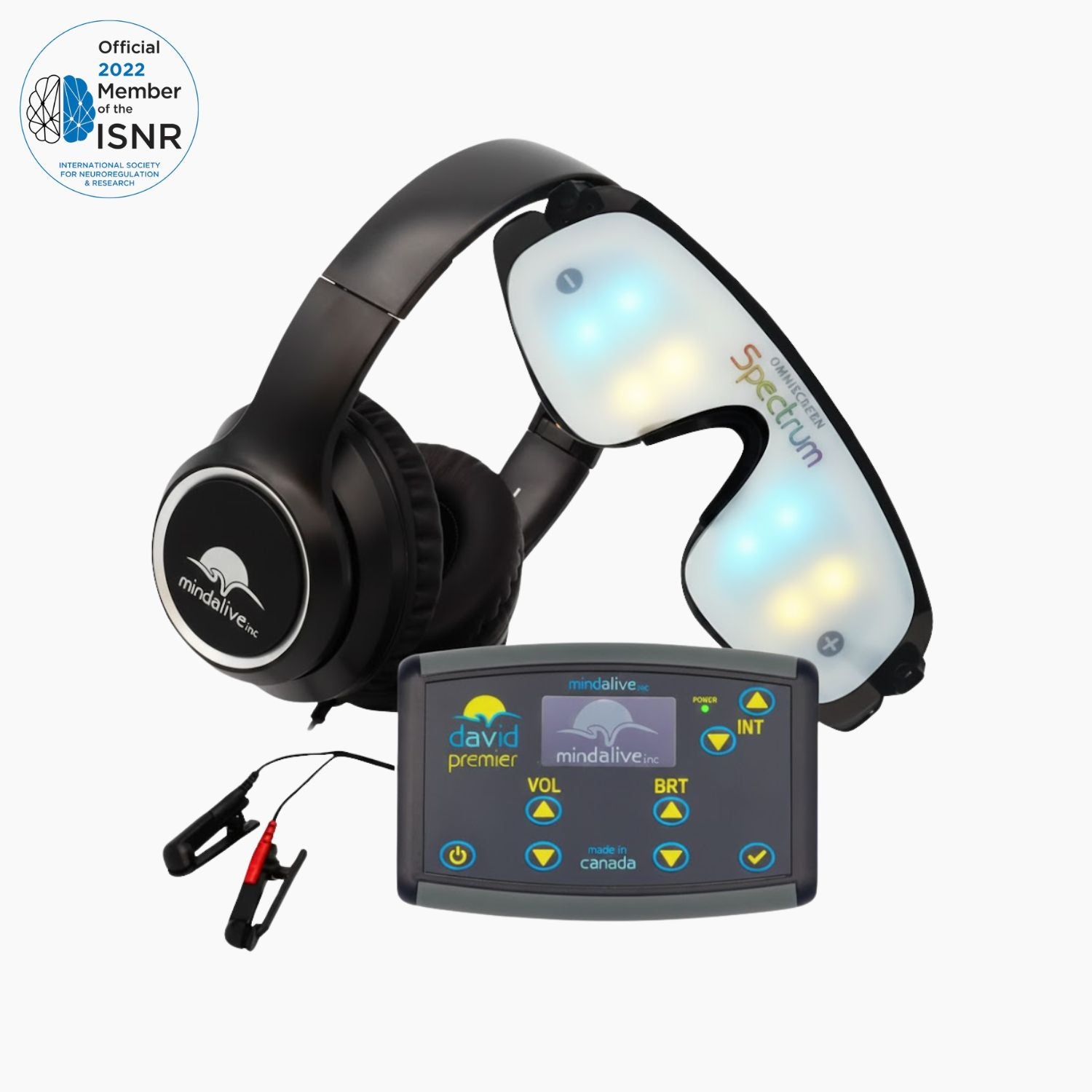
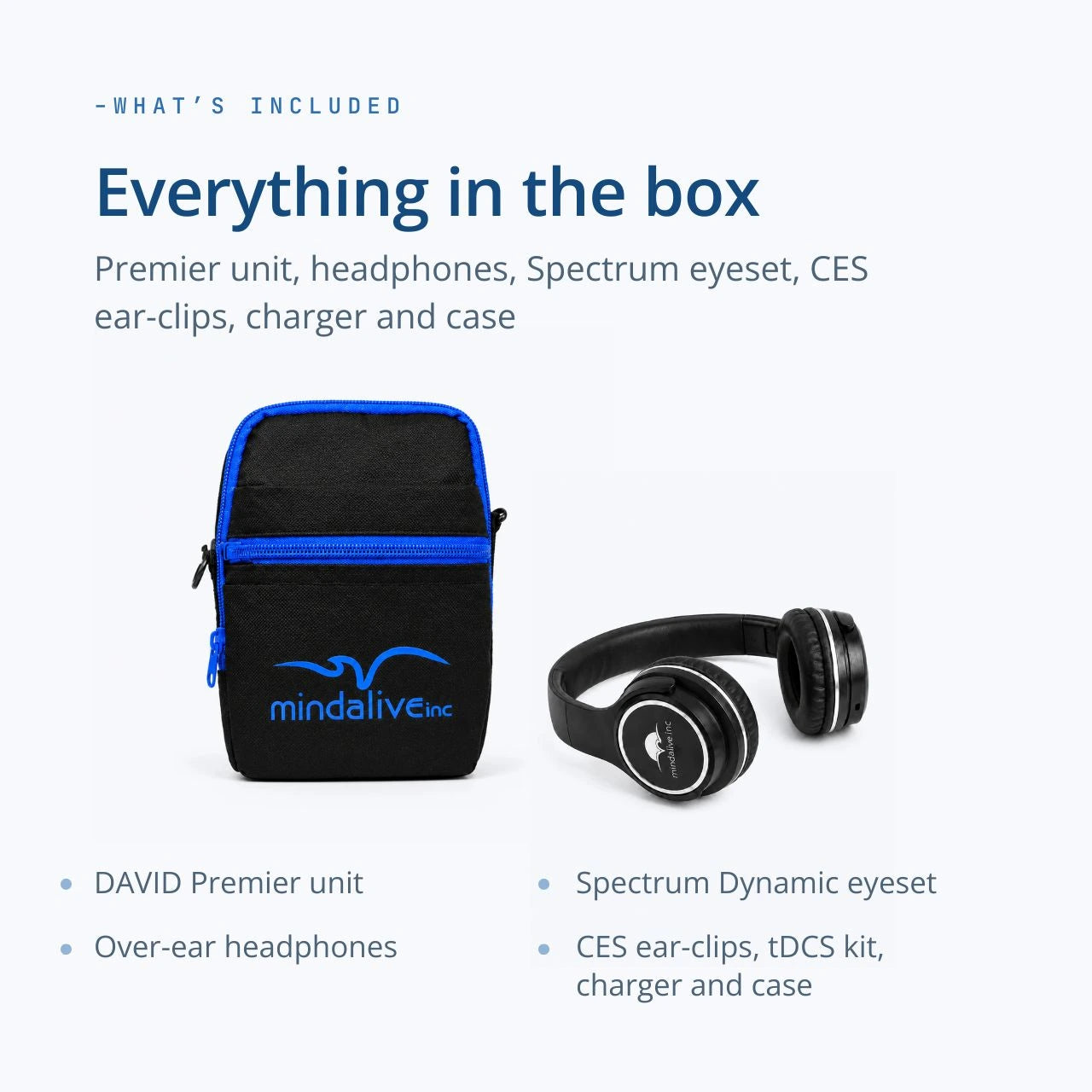
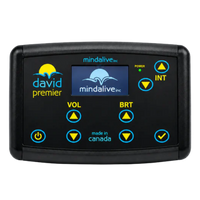
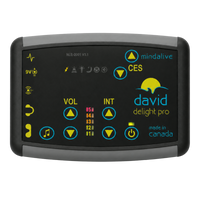
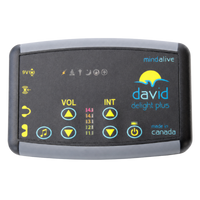
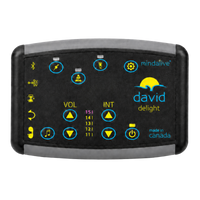
With devices like DAVID systems, these stages are often pre-programmed so you simply select a “sleep” or “deep relaxation” protocol and let the session guide you.
How to Pair CES with Delta-Oriented AVE
- Placement: Attach CES electrodes as directed (often earlobes).
- Intensity: Start at the lowest comfortable level—enough to perceive mild sensation or just below awareness.
- Timing: Begin CES a few minutes before the AVE session and continue for the full duration, unless otherwise advised.
- Post-session: Go directly to bed in a dark, quiet room while your nervous system is still in a lowered arousal state.
Step 4: A Practical Evening Protocol (Example)
Here’s a sample routine you can adapt. Times are approximate; consistency matters more than perfection.
| Clock Time (Example) | Action | Goal for Delta |
|---|---|---|
| 20:30 | Dim lights, put phone on “Do Not Disturb” | Signal to the brain that night has started; support melatonin |
| 20:35 | Light stretching or gentle walk around the house | Discharge tension from muscles, lower stress |
| 20:45 | 5–10 minutes slow breathing (e.g., 4–6 breaths/min) | Shift autonomic balance toward parasympathetic (rest-and-digest) |
| 20:55 | Start AVE + CES sleep protocol (30–40 minutes) | Guide brainwaves from alpha/theta toward pre-delta/delta |
| 21:30–21:40 | End session, minimal talking, go straight to bed | Protect the transition; allow natural deep sleep to take over |
Step 5: Frequency, Consistency, and Expectations
Just as one workout doesn’t make you fit, one “perfect” delta session won’t permanently fix sleep. The brain remodels through repetition.
How Often to Use Delta-Oriented Sessions
- Initial phase: 4–7 evenings per week for 3–4 weeks to retrain patterns.
- Stabilization phase: 3–5 evenings per week or on particularly stressful days.
- Maintenance: 2–4 times per week, or as needed to support sleep quality.
What Changes to Look For
- Shorter time to fall asleep.
- Fewer nighttime awakenings (once lifestyle factors are aligned).
- Feeling more restored upon waking, even if total sleep time is similar.
- Gradual improvement in mood, stress resilience, and daytime clarity.
Common Mistakes That Block Delta Waves
1. Expecting Delta While Scrolling or Working
Delta is a deep-rest, near-unconscious state. Using sleep protocols while scrolling on your phone or finishing e-mails keeps your brain in beta, counteracting the session.
2. Using Stimulation Too Late or Too Intense
- Very intense CES or overly bright AVE settings can feel activating instead of calming for some users.
- Late-night heavy exercise, caffeine, or emotional conversations can override the calming effect of any session.
3. Chasing Frequencies, Ignoring Basics
It’s tempting to focus only on exact frequencies (e.g., “I just need 2 Hz”), but if your schedule, light exposure, and stress levels are misaligned, your brain will struggle to maintain delta-rich sleep even with perfect protocols.
Safety and When to Get Professional Input
- Implanted devices: Do not use CES without medical clearance if you have implanted electrical devices (e.g., pacemaker).
- Epilepsy or serious neurological conditions: Consult a neurologist before using AVE or CES.
- Pregnancy or complex medical conditions: Seek guidance from your healthcare provider.
- Persistent insomnia or distress: Neuromodulation is a tool, not a replacement for proper medical evaluation when needed.
FAQ: Entering Delta Waves for Sleep
Can I feel when I’m in delta?
Not directly. Delta is mostly associated with deep, dreamless sleep, when you’re not consciously aware. You infer delta quality from how rested you feel and, if available, from sleep tracking or EEG data.
How long should a delta-focused session be?
Typical sleep preparation sessions last 20–40 minutes, often starting in alpha/theta and then easing into delta or pre-delta ranges as you become drowsy.
Should I use delta frequencies only, right from the start?
Usually no. It’s often more effective to step down gradually—from alpha to theta to delta—than to jump straight into very slow frequencies when you’re still mentally activated.
Is it safe to use AVE and CES every night?
For most healthy adults, daily use at recommended settings is well tolerated. Always follow manufacturer guidelines and speak with a clinician if you have medical conditions or concerns.
What if I don’t notice changes right away?
Improvements in sleep depth and delta quality can be subtle at first. Track your bedtime, wake time, perceived sleep quality, and energy over 3–4 weeks before drawing conclusions.