

How To Get Neurofeedback Covered By Insurance
Yrian BrugmanWritten by MindAlive – 35 years of brainwave entrainment, 5× awarded for innovation in neurotechnology.
How to Get Neurofeedback Covered by Insurance
(Full Guide)
Neurofeedback has grown rapidly in clinical psychology, ADHD support, concussion recovery, anxiety treatment, and cognitive optimization. But the question most people ask is: “How do I get neurofeedback covered by insurance?”
The short answer: coverage is possible, but it depends heavily on diagnosis, provider credentials, documentation, and the insurance policy itself. This guide breaks down the complete process step-by-step, plus what codes providers use, what requirements insurers have, and how to maximize your chance of partial or full reimbursement.
 Insurance rarely covers neurofeedback as a standalone service — but it often covers it when bundled under mental health, psychotherapy, or neurological treatment codes.
Does Insurance Cover Neurofeedback?
Insurance coverage is inconsistent. Some plans reimburse neurofeedback when it is part of a recognized treatment plan for:
- ADHD
- Anxiety disorders
- Sleep disorders
- PTSD
- Depression
- Concussion and mild TBI recovery
- Autonomic dysfunction
Coverage depends on four factors:
- The clinician’s license (psychologist, physician, etc.)
- The diagnostic code used (DSM-5 / ICD-10)
- The procedural code billed
- The insurer’s policy wording
Accepted Billing Codes for Neurofeedback
Most insurers do not recognize “neurofeedback” as a separate code. Instead, clinicians bill under existing, approved CPT codes such as:
| CPT Code | Description | Used For |
|---|---|---|
| 90875 | Psychophysiological therapy w/ biofeedback & psychotherapy | Neurofeedback + talk therapy |
| 90876 | Psychophysiological monitoring | Neurofeedback-only sessions (varies by state) |
| 90901 | Biofeedback training | General biofeedback; sometimes accepted for neurofeedback |
| 96132/96133 | Neuropsychological evaluation | Required before treatment approval |
If your clinician uses these codes correctly, your chances of reimbursement increase significantly.
Step-by-Step: How to Get Neurofeedback Covered
1. Get a Recognized Diagnosis
Insurance companies require a documented DSM-5 or ICD-10 diagnosis. The most commonly approved include:
- F90.0 – ADHD
- F41.1 – Generalized Anxiety Disorder
- F33.x – Depressive disorders
- F43.1 – PTSD
- S06.0X – Concussion
- G47.00 – Sleep disorder
2. Ensure Your Provider Is Licensed
- Psychologists
- Psychiatrists
- Neurologists
- Licensed professional counselors (in some states)
- Board-certified neurofeedback clinicians (BCN/BCIA)
Insurance almost never reimburses therapy performed by uncertified or “coaching-based” providers.
3. Request a *Pre-authorization*
This is the most crucial step. Ask your clinician’s office to submit:
- Your diagnosis
- A treatment plan
- Expected number of sessions
- Clinical justification
Most insurers approve 10–20 sessions, with re-evaluation required for more.
4. Use the Correct CPT Code
Insurance approval depends almost entirely on how sessions are coded. Give your provider this list to ensure accurate billing.
5. Submit Superbills if Out-of-Network
If your clinician is out-of-network, request a *superbill* after each session. You can submit this directly to your insurer for partial reimbursement (often 30–80%).
6. Appeal Denials
Many users are approved on appeal, especially with:
- Letters of medical necessity
- Neuropsychological testing results
- Clinical documentation showing progress
Persistence pays — insurers deny first, reimburse second.
Tips to Maximize Coverage
- Get evaluated by a licensed psychologist first
- Choose a provider who regularly works with insurance
- Use diagnostic codes confirmed by your physician
- Document improvements (sleep, focus, anxiety, etc.)
- Ask your provider for a “treatment progress summary” every 8 sessions
When Insurance Rarely Covers Neurofeedback
These situations typically receive no reimbursement:
- Peak performance neurofeedback
- Neurofeedback for gaming performance or creativity
- Non-clinical brain optimization
- Self-guided or at-home neurofeedback systems
Insurance requires a **clinical diagnosis** and a **licensed provider** involved.
Affordable Alternatives
If coverage is denied or too limited, many users switch to:
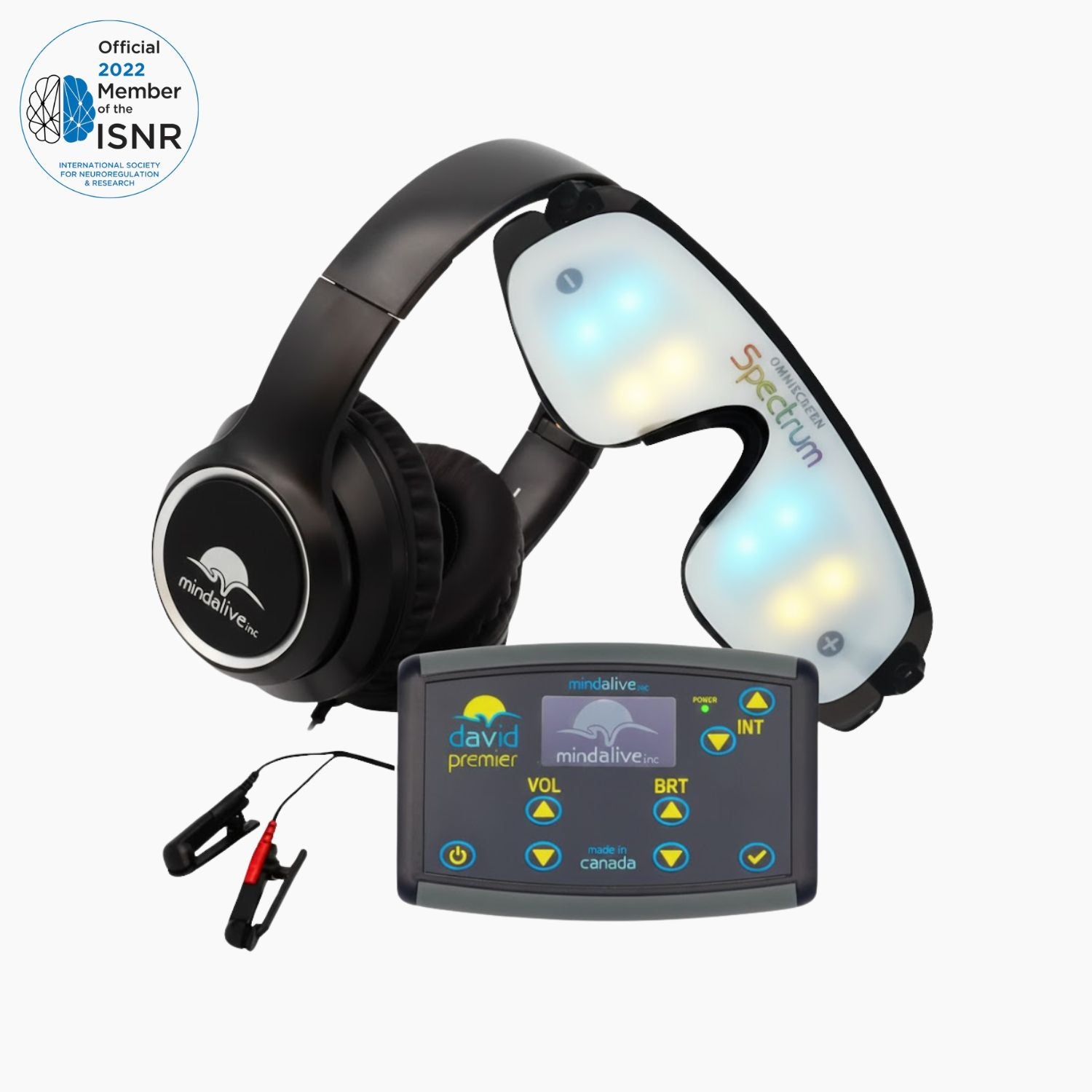
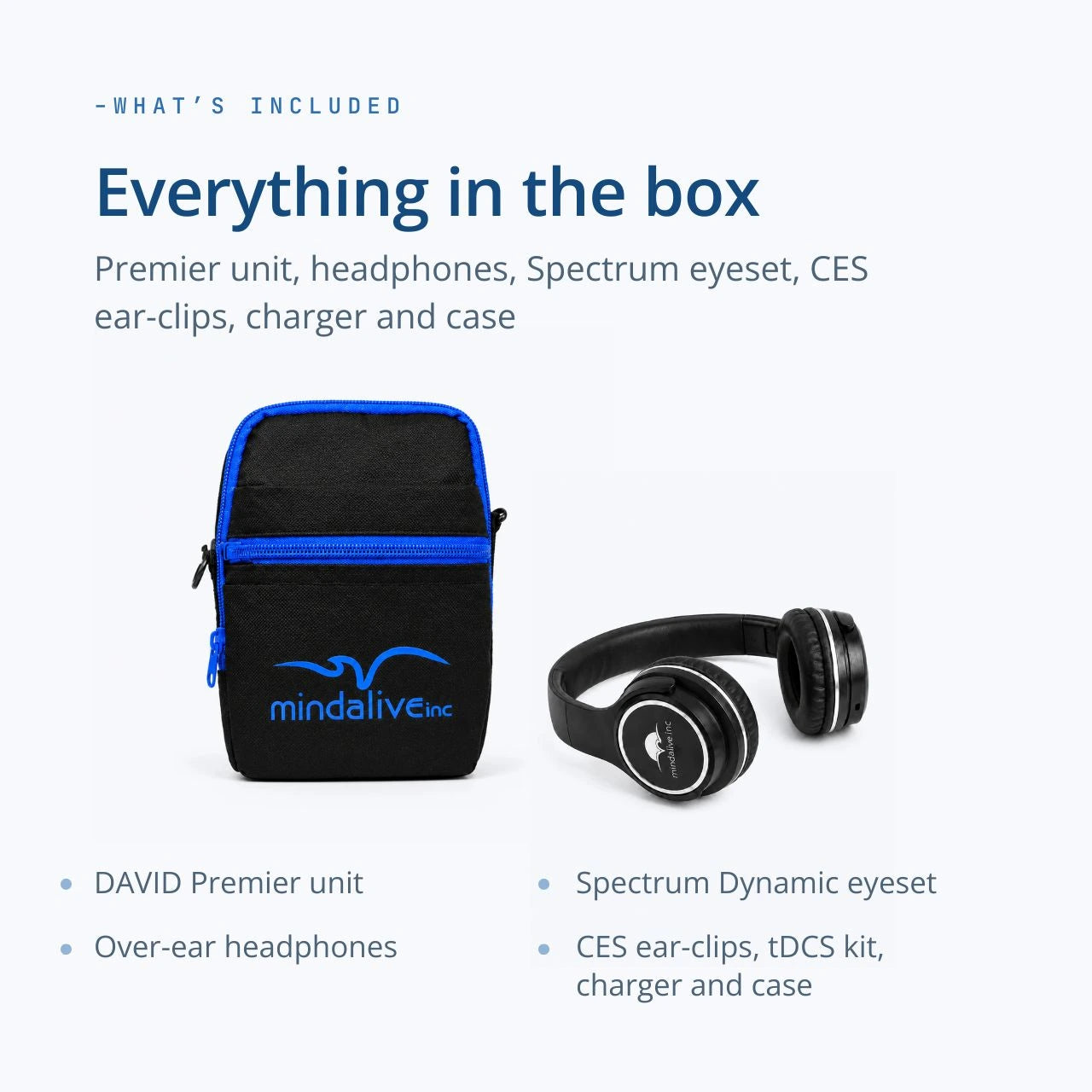
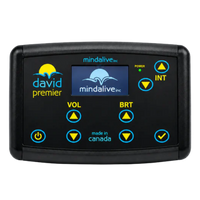
- Home-based entrainment options like the DAVID Premier
- Meditation + HRV biofeedback
- Sliding-scale neurofeedback clinics
- University-based neurofeedback labs
These options offer similar relaxation, focus, and emotional benefits at a fraction of the cost.
Looking for a Structured, At-Home Brain Training System?
If you want an evidence-based way to support focus, mood, and relaxation without depending on insurance, explore the DAVID Premier below.
Explore DAVID Premier