

Top 5 Ways to Improve Sleep Without Medication
Yrian Brugman
Sleep & Recovery · Natural Solutions
Recommended by sleep experts and clinicians — five proven, drug-free methods to calm your mind and restore natural, deep sleep.
Falling asleep shouldn’t feel like a nightly battle. Yet millions of people rely on supplements or prescriptions just to get a few hours of rest. The good news? Your body already knows how to sleep — it just needs the right signals. These five science-backed methods teach your brain and nervous system to relax naturally, so you can wake up restored and clear-minded.
1. Slow Down Your Breathing to Calm the Nervous System
Your breath is the simplest — and most powerful — tool for sleep. Slow, rhythmic breathing activates the parasympathetic nervous system, lowering heart rate and cortisol while increasing feelings of safety and calm (Brown & Gerbarg, 2005).
Try this easy technique before bed:
- Inhale quietly through your nose for 4 seconds.
- Hold your breath for 7 seconds.
- Exhale slowly through your mouth for 8 seconds.
This is called the 4-7-8 method. After four cycles, your body begins to release muscle tension and your mind starts to drift. Practiced nightly, it lowers blood pressure and supports faster transitions into sleep.
2. Balance Your Light Exposure to Reset Your Body Clock
Sleep quality depends on your circadian rhythm — the internal clock that tells your body when it’s time to wake up and when it’s time to rest. Modern life confuses this rhythm with artificial light and late-night screen time (Harvard Health, 2020).
To restore natural balance:
- Get at least 10 minutes of sunlight within an hour of waking.
- Dim indoor lights two hours before bed.
- Use warm, amber lighting instead of bright white bulbs.
- Set screens to night mode or wear blue-light blocking glasses.
This contrast between morning brightness and evening dimness signals your brain to release melatonin at the right time. Within a week, you’ll notice your body becoming sleepy earlier — no supplements required.
3. Build a Consistent Pre-Sleep Routine
Sleep isn’t an event — it’s a process. The brain doesn’t shut off instantly; it needs a cool-down period to switch from alertness to rest. That’s why consistent evening rituals are essential.
Here’s a simple 30-minute routine you can try:
- Turn off overhead lights and put on soft music.
- Stretch gently or take a short warm shower.
- Do 3–5 minutes of 4-7-8 breathing or mindfulness meditation.
- Write a few lines of gratitude or tomorrow’s tasks — to clear mental clutter.
- Lie down and avoid checking your phone.
When repeated nightly, these small actions condition your brain to expect rest at the same time. In psychology, this is called classical conditioning: your body learns that the routine means “it’s safe to sleep.”
4. Manage Daytime Stress to Prevent Nighttime Overload
One of the biggest enemies of sleep isn’t the night itself — it’s how you handle stress during the day. When your stress response stays elevated, your brain keeps producing adrenaline and cortisol long after bedtime (McEwen, 2017).
To break this cycle:
- Take short mindful breaks during work — even 5 minutes helps reset your nervous system.
- Exercise regularly, ideally in the morning to regulate hormones.
- Avoid caffeine after 2 p.m. — even one late cup can delay melatonin release by hours.
- Use gentle relaxation techniques such as journaling, soft stretching, or calming music before bed.
Stress doesn’t disappear overnight, but when your body learns to downshift daily, it won’t carry tension into the night.
5. Restore Deep Sleep with Audio-Visual Entrainment (AVE) & Cranial Electrotherapy Stimulation (CES)
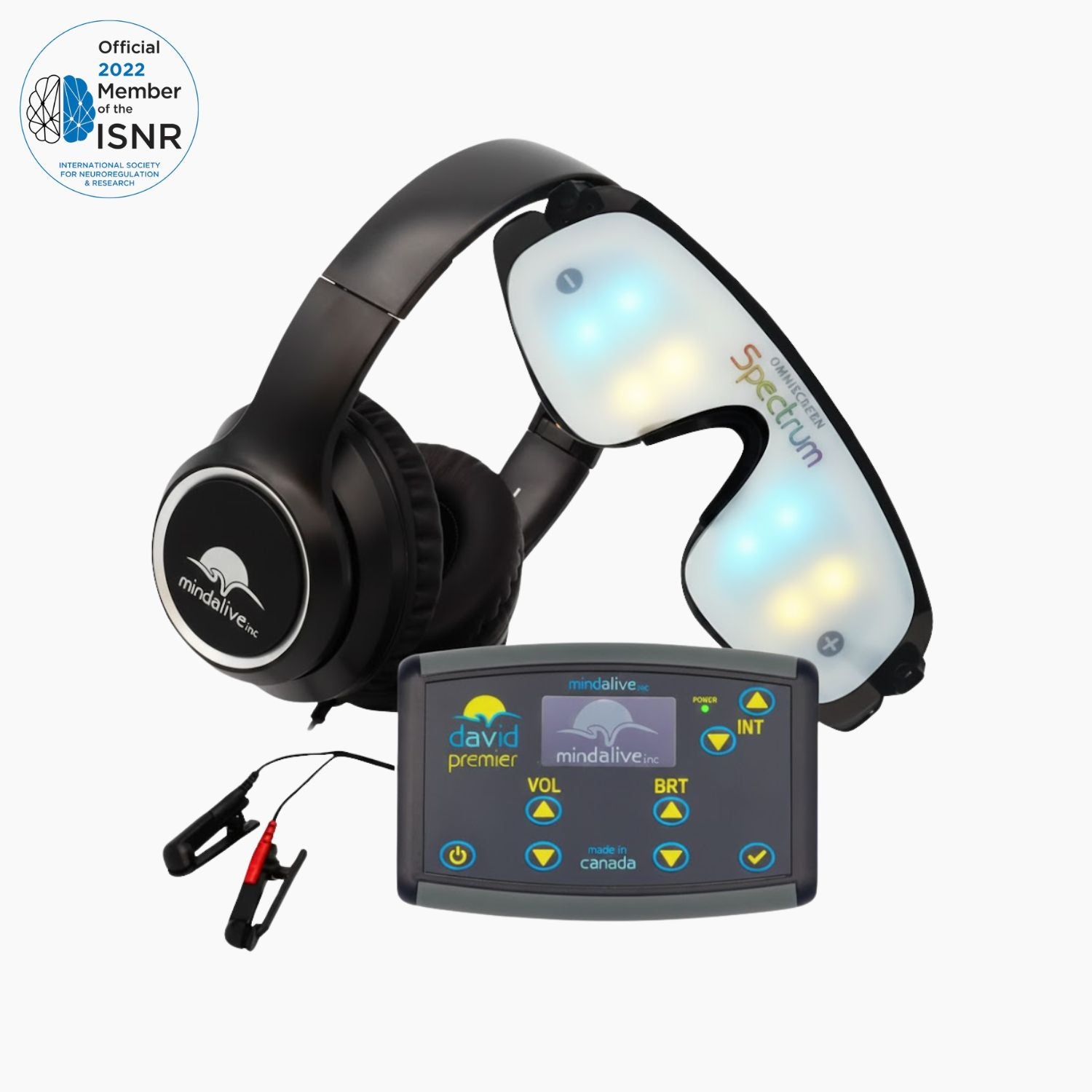
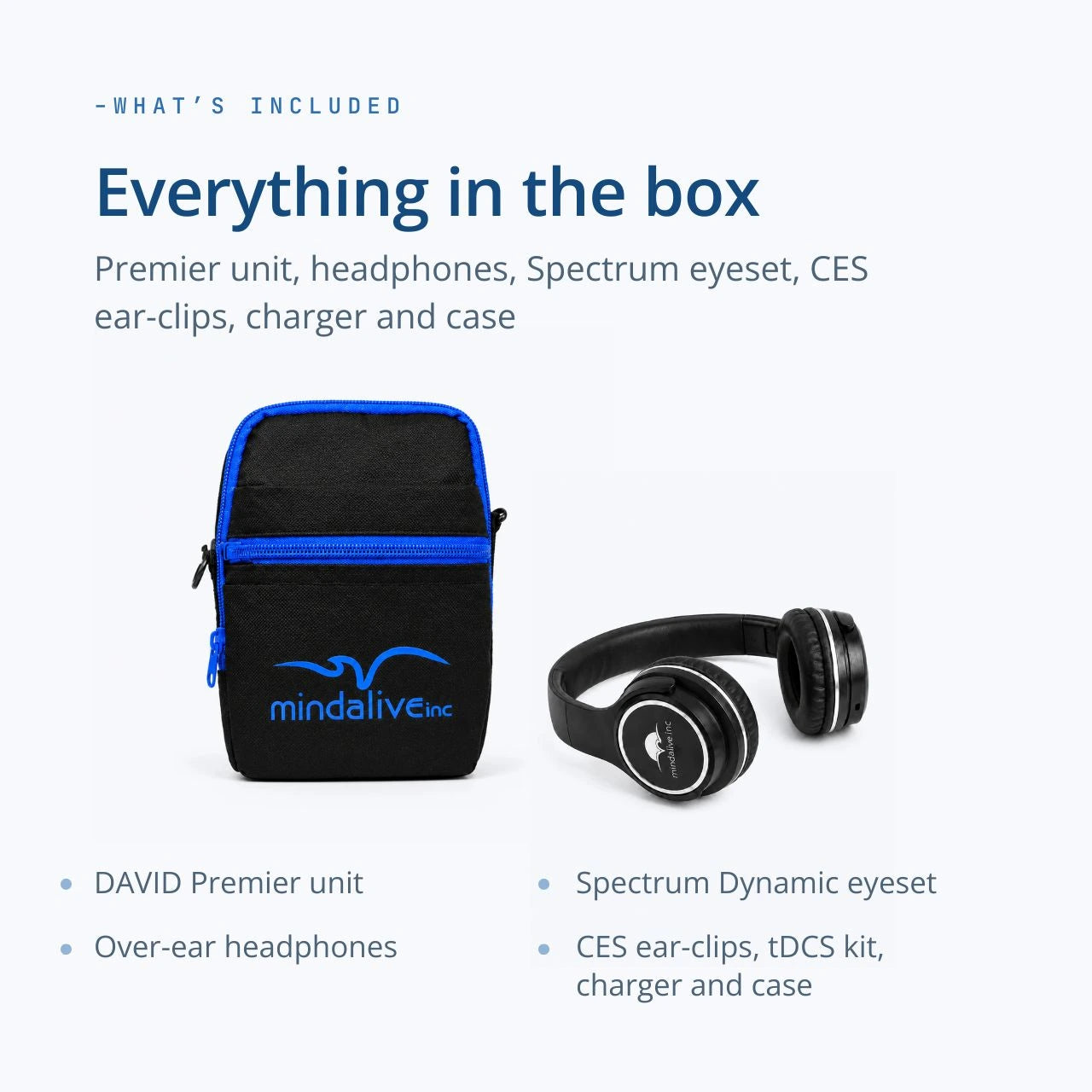
Once your lifestyle and routines are in place, technology can amplify your results — naturally. MindAlive’s Audio-Visual Entrainment (AVE) and Cranial Electrotherapy Stimulation (CES) use gentle, non-invasive stimulation to rebalance brainwaves and neurotransmitters associated with deep sleep and relaxation.
How AVE Works
AVE delivers rhythmic pulses of light (through closed-eye goggles) and sound (through headphones) at specific frequencies. These patterns encourage your brain to “entrain” — synchronizing its electrical activity to slower alpha and theta rhythms linked to calm and drowsiness (Siever, 2017).
During a Deep Sleep session, your brain transitions smoothly from alert beta waves into restful delta waves. Many users feel a warm heaviness in the body and a quiet mind within 10–15 minutes.
How CES Complements AVE
CES delivers tiny, pulsed microcurrents via ear clips. These currents help balance the nervous system by increasing serotonin and endorphins while reducing cortisol — the body’s main stress hormone (Thomas & Siever, 2019).
When used together, AVE and CES form a powerful duo: light-sound entrainment calms brainwave activity, while microcurrent stimulation restores the neurochemical environment for rest.
Scientific Support
- Huang & Charyton (2008): AVE significantly improved sleep efficiency and reduced fatigue in adults with insomnia.
- Siever (2017): AVE lowered anxiety and sleep latency by up to 36% in clinical trials.
- Thomas & Siever (2019): Four weeks of combined AVE+CES use reduced nighttime awakenings by 43% and improved daytime energy.
How to Use AVE & CES for Sleep
- Run a Deep Sleep AVE session about one hour before bed.
- Combine with CES stimulation during or after the session for 20–30 minutes.
- Dim your lights, close your eyes, and breathe slowly — let the devices guide your brain into calm coherence.
Most users notice results within the first week: falling asleep faster, fewer awakenings, and a deeper sense of rest.
Find Your Ideal MindAlive Device
Take our 1-minute Brainwave Balance Assessment to discover whether your nervous system is over- or under-stimulated — and find the DAVID device that best fits your sleep goals.
Take the AssessmentIntegrating Everything: Your 7-Day Natural Sleep Reset
Here’s how to combine all five methods into a sustainable nightly routine:
- Morning: Get sunlight exposure and move your body.
- Afternoon: Reduce caffeine, take a mindful 5-minute pause to reset your nervous system.
- Evening: Dim lights, do slow breathing, and start your pre-sleep routine.
- Before bed: Run your AVE Deep Sleep session, optionally paired with CES.
- Night: Keep your bedroom cool and dark; avoid checking the clock.
After seven days, most people notice they fall asleep faster and wake up with steadier energy. After two weeks, your body begins to trust the rhythm again — because consistency trains biology better than any pill.
Experience Rest the Natural Way
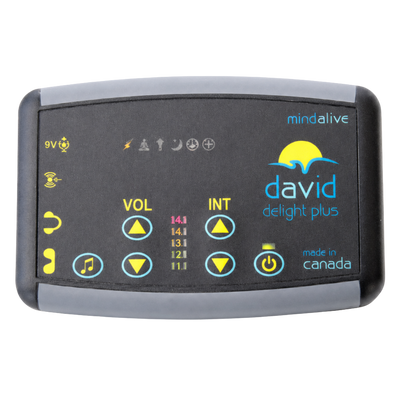
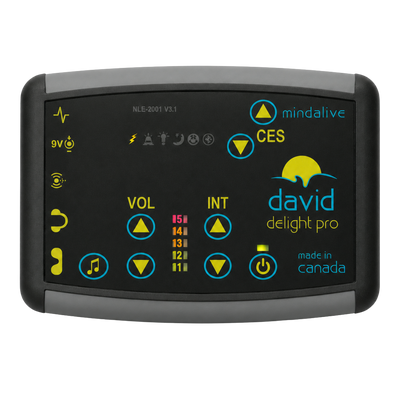
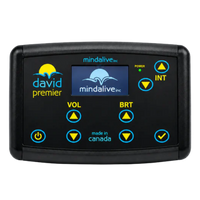
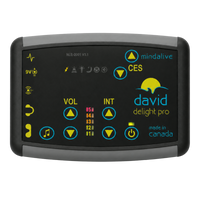
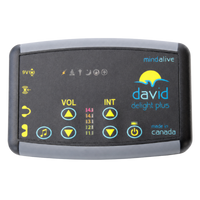
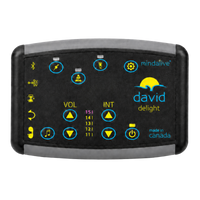
Explore MindAlive’s DAVID Delight and Delight Pro — advanced yet natural technologies that help your brain remember how to sleep. Trusted by clinicians for over 35 years.
Find Your DAVID