

Vagus Nerve Stimulation with CES: Scientific Insights from MindAlive Technology
Yrian BrugmanOur nervous system plays a central role in how we respond to stress, recover, and feel balanced. When it’s overactive for too long, we may experience anxiety, poor sleep, or fatigue. The good news is that gentle neurostimulation, such as Cranial Electrotherapy Stimulation (CES), can help restore calm and activate the body’s natural “rest and digest” response.

Understanding the Vagus Nerve
The vagus nerve is one of the most important nerves in the body. It connects your brain to many organs — including your heart, lungs, and digestive system — and helps regulate breathing, heart rate, and emotional balance. When the vagus nerve is active, it signals your body to relax, recover, and feel safe. This process is known as parasympathetic activation.
Research on vagus nerve stimulation (VNS) shows that gentle electrical impulses to the ear or head can engage these calming pathways. In fact, non-invasive approaches like CES use this same principle — without the need for implants or surgery.
How CES Supports Nervous System Balance
Cranial Electrotherapy Stimulation delivers very low, pulsed electrical currents through small ear-clip electrodes. These microcurrents help balance brain activity and support the release of calming neurotransmitters like serotonin, GABA, and endorphins.
Over time, CES can help the nervous system shift out of a chronic “fight-or-flight” state and back into a more balanced rhythm. Users often report feeling calmer, sleeping better, and experiencing fewer symptoms of stress-related tension.

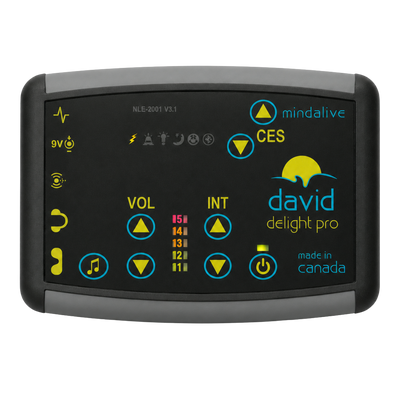
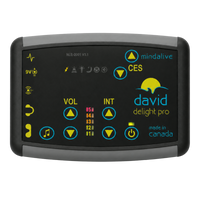
CES and the DAVID Delight Pro
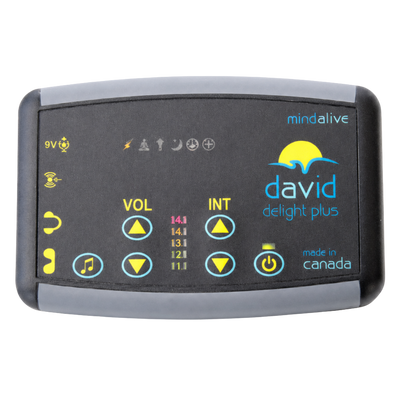
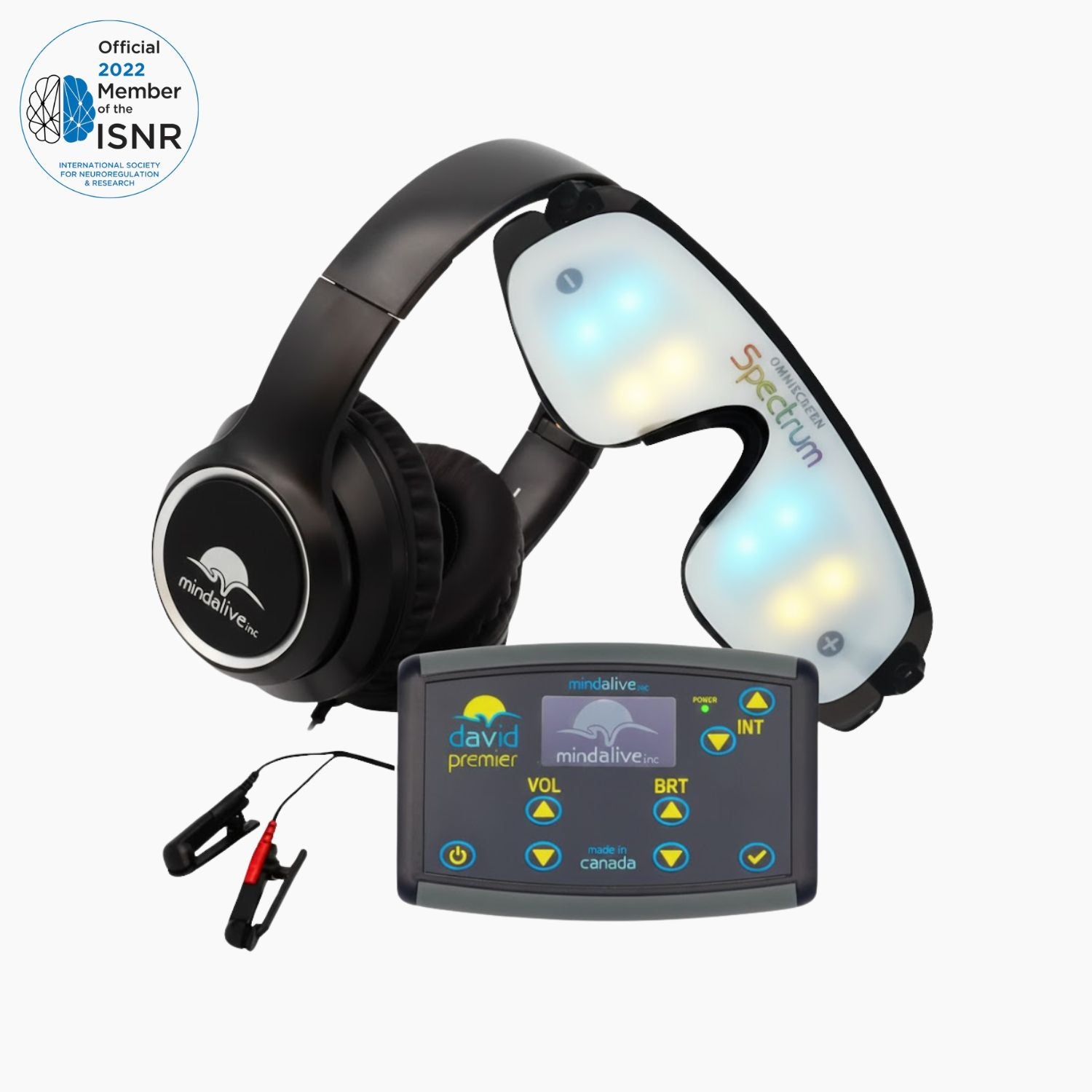
The DAVID Delight Pro combines CES and Audio-Visual Entrainment (AVE) for a complete, non-invasive wellness experience. The CES clips gently stimulate vagal and cranial nerves, while AVE uses light and sound to guide your brain into relaxed, focused states.
Together, these technologies can help regulate the autonomic nervous system — lowering stress responses, improving sleep quality, and restoring mental clarity. Regular sessions (3–5 times per week) can build long-term resilience and balance.
What the Science Says
Studies on non-invasive vagus nerve stimulation show measurable improvements in heart rate variability (HRV), relaxation, and emotional regulation. Users report better sleep and reduced anxiety after several weeks of consistent use. These effects are thought to arise from vagal activation — the body’s built-in mechanism for recovery and calm.
The Delight Pro allows you to access this same science-backed process from the comfort of your home, helping your body reconnect with its natural rhythm of balance and rest.
Discover the DAVID Delight Pro
Experience the benefits of CES and AVE technology — a natural way to calm your mind and support your nervous system.
View Product DetailsReference: Yakovenko, I., et al. (2018). Transcutaneous auricular vagus nerve stimulation: central and autonomic correlates. PubMed ID: 29361441