

What Are Binaural Beats?
Yrian BrugmanWritten by MindAlive – 35 years of brainwave entrainment, 5× awarded for innovation in neurotechnology.
The Real Answer to “What Are Binaural Beats?”
Search the internet for what are binaural beats and you’ll find endless playlists promising better sleep, instant calm and deeper focus. For some people, they work beautifully. For others, they do absolutely nothing.
This leads to the real question: why do binaural beats work for some — but not for others?
So, What Are Binaural Beats?
Binaural beats occur when you play two slightly different tones separately into each ear. Your brain doesn’t hear two tones — it creates a third internal beat equal to the difference between them.
- Left ear: 220 Hz
- Right ear: 230 Hz
- Internal beat perceived: 10 Hz (alpha)
This internal rhythm may gently guide the brain toward the same frequency.
How It Works (Simple Version)
Your brain must:
- receive two clean tones
- calculate the difference
- generate a synchronized internal beat
Does It Actually Work?
Yes — but inconsistently.
Binaural beats tend to work when people are already calm, rested and not overloaded. Under stress, the effect becomes weak or disappears.
| Category | Binaural Beats | AVE (Audiovisual Entrainment) |
|---|---|---|
| Strength of entrainment | Low | High |
| Works during stress | Rarely | Consistently |
| Sensory systems involved | Auditory only | Visual + auditory |
| Research support | Limited | Extensive |
Why They’re Popular
People love them because they’re:
- free
- accessible anywhere
- easy to try
- pleasant as background audio
Why They Often Fail
The brain struggles to generate an internal beat when you’re:
- stressed
- tired
- anxious
- overstimulated
A stressed brain simply cannot produce a strong internal binaural signal.
The Neuroscience Limitation
Binaural beats stimulate only the auditory cortex, which is small compared to the visual cortex. This is why audio-only entrainment tends to be weaker.
The NIH notes that visual stimulation produces stronger frequency-following responses than sound alone.
A Stronger Option: Audiovisual Entrainment
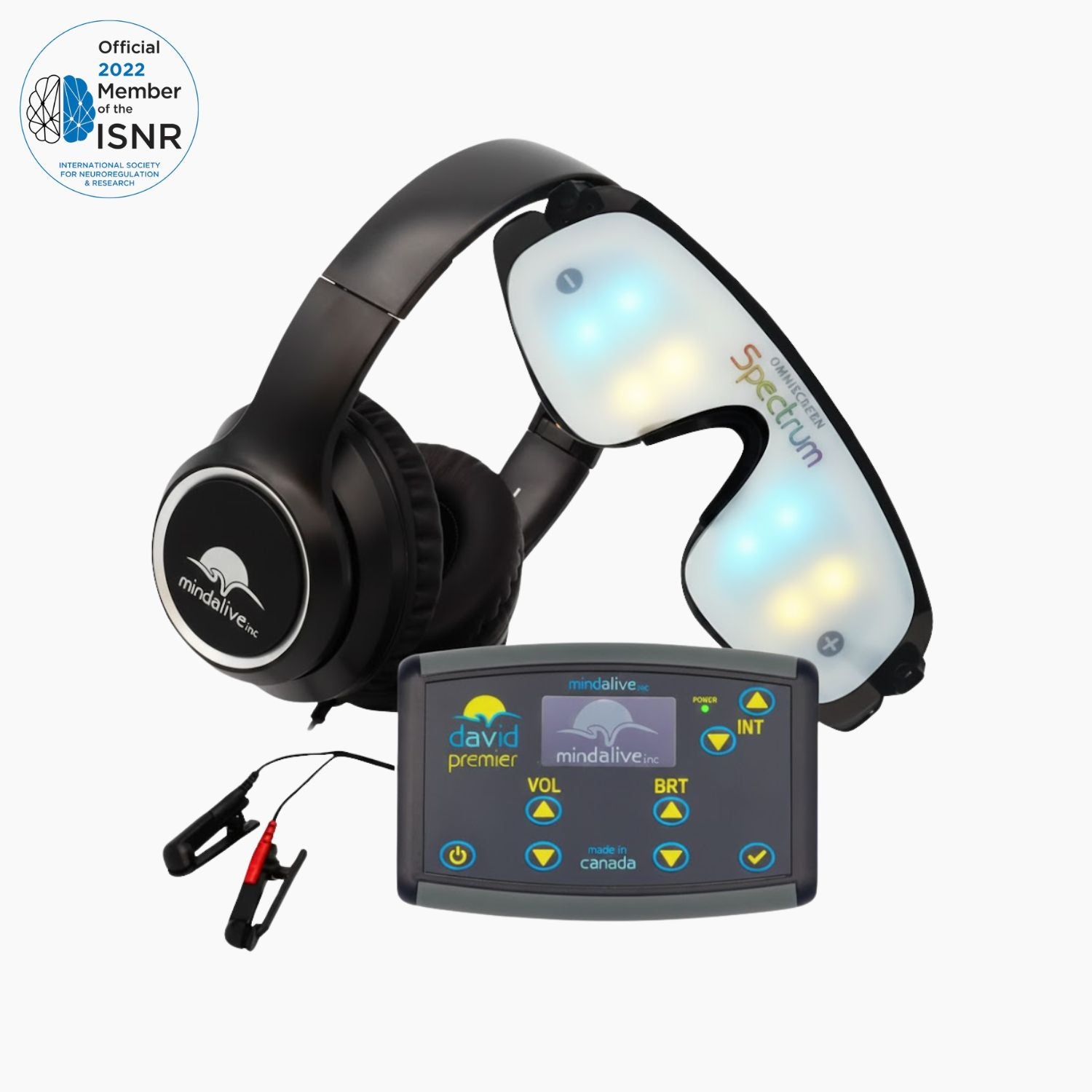
AVE uses LED light + pulsed audio to deliver the frequency externally — so your brain doesn’t need to calculate anything. This works even during stress.

Why the DAVID Premier Works Better
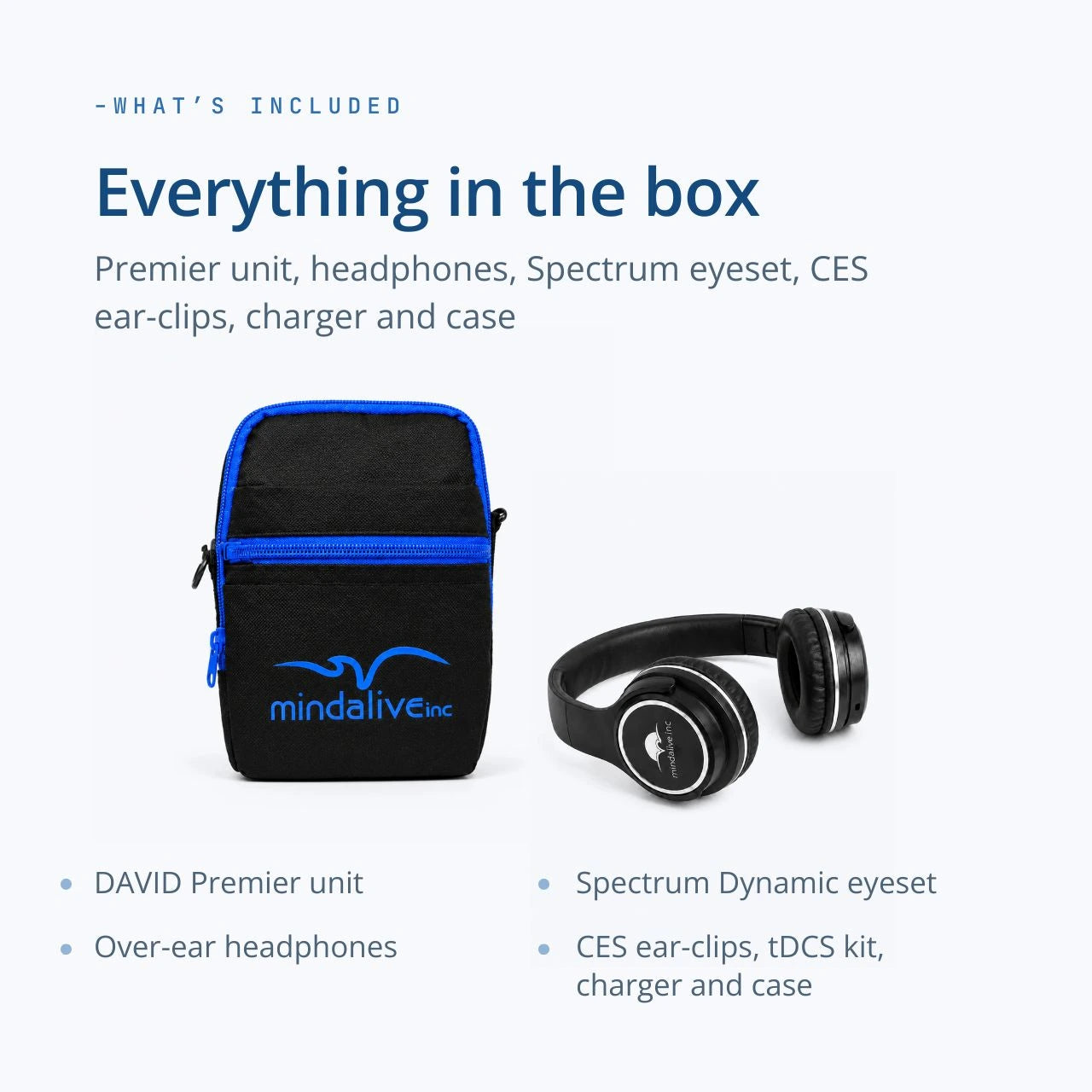
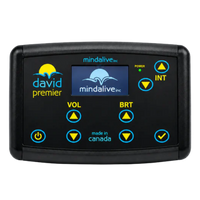
The DAVID Premier offers:
- direct LED brainwave stimulation
- audio pulses that reinforce the signal
- activation of visual + auditory cortex
- strong entrainment even under stress
- 28 programs for sleep, focus, stress and mood
Supported by independent research: Scientific Studies on the DAVID Devices.
Your Next Step
Binaural beats are a gentle introduction, but if you want real, measurable changes, you need stronger multisensory stimulation.
Explore the DAVID Premier