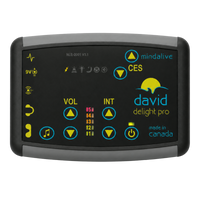
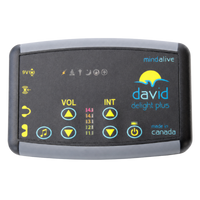
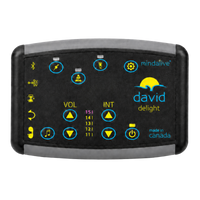


CES Devices Comparison
Mind AliveWritten by MindAlive – 35 years of innovation in neurotechnology and guided self-regulation tools.
CES Devices Comparison: What Actually Separates the Top CES Units (and why DAVID Premier wins for routine & consistency)
If you’re searching “CES devices comparison”, you’re probably past generic explanations. You want the practical difference between real devices — what’s easiest to use, what’s most comfortable, what’s most repeatable, and what you’ll actually stick with.
Here’s the reality: most CES devices can only help if they fit your routine. The “best CES device” is usually the one you’ll use 10–20 minutes, consistently, without overthinking settings or fighting discomfort.
What to Compare in CES Devices (7 criteria that predict real-world use)
- Comfort: ear clips vs headband vs electrodes; irritation risk
- Intensity control: fine control matters for sensitive users
- Session guidance: fewer decisions = higher consistency
- Start-up friction: how fast you can begin (and repeat) a session
- Portability: can you use it where you live/travel?
- Accessories/consumables: replacements, gels, pads, etc.
- Total cost: device + accessories over time
Device-by-Device: DAVID Premier vs top CES competitors
Best-in-Test Comparison Table (device vs device, routine-first)
This comparison emphasizes what drives real adherence: routine fit, setup friction, and repeatability.
| Device | Power range | Comfort | Routine fit | Guidance | Portability | Reviews |
|---|---|---|---|---|---|---|
|
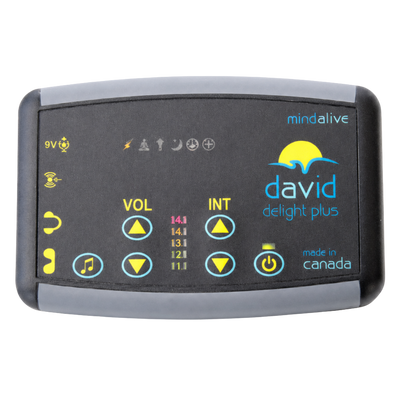
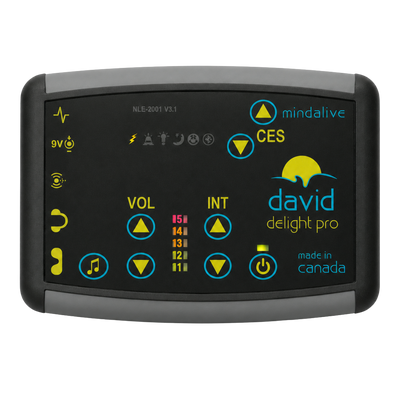
DAVID
Premier
Best overall Routine-first
|
9/10
Fine control
|
9/10
Low irritation risk
|
10/10
Low friction
|
Guided sessions Less guessing
|
8/10
|
★★★★☆ Routine wins
|
|
Alpha-Stim
AID CES-only
|
8/10
Stable output
|
7/10
Ear-clip tolerance
|
7/10
Needs discipline
|
Protocol-driven Less coaching
|
9/10
|
★★★★☆ Reliable
|
|
Fisher
Wallace Headband
|
7/10
Simple levels
|
6/10
Fit-sensitive
|
6/10
Comfort = adherence
|
Moderate Less guided
|
7/10
|
★★★☆☆ Mixed comfort
|
|
CES Ultra
Classic Compact
|
7/10
Manual control
|
7/10
Ear clips/pads
|
6/10
DIY routine
|
Low Self-led
|
9/10
|
★★★★☆ Portable
|
|
SOTA BT7
Timed sessions
|
6/10
Mode-based
|
7/10
Ear-clip dependent
|
6/10
Habit required
|
Low–mod Simple
|
8/10
|
★★★☆☆ Simple use
|
|
CES Max
Budget
|
6/10
Basic control
|
6/10
Varies
|
5/10
Higher friction
|
Low DIY
|
8/10
|
★★★☆☆ Value
|
What “Best” Means in This Comparison
“Best” here means: the CES approach most likely to produce a consistent downshift routine for most people. That typically requires:
- Low friction (easy to start)
- High repeatability (minimal tweaking)
- Comfort (no avoidance)
- Fits real life (10–20 minutes, 3–5×/week or more)
Why DAVID Premier Wins in Practice
Many people don’t struggle because CES is “ineffective.” They struggle because the routine is inconsistent: wrong timing, discomfort, too many decisions, or using it only on the worst days.
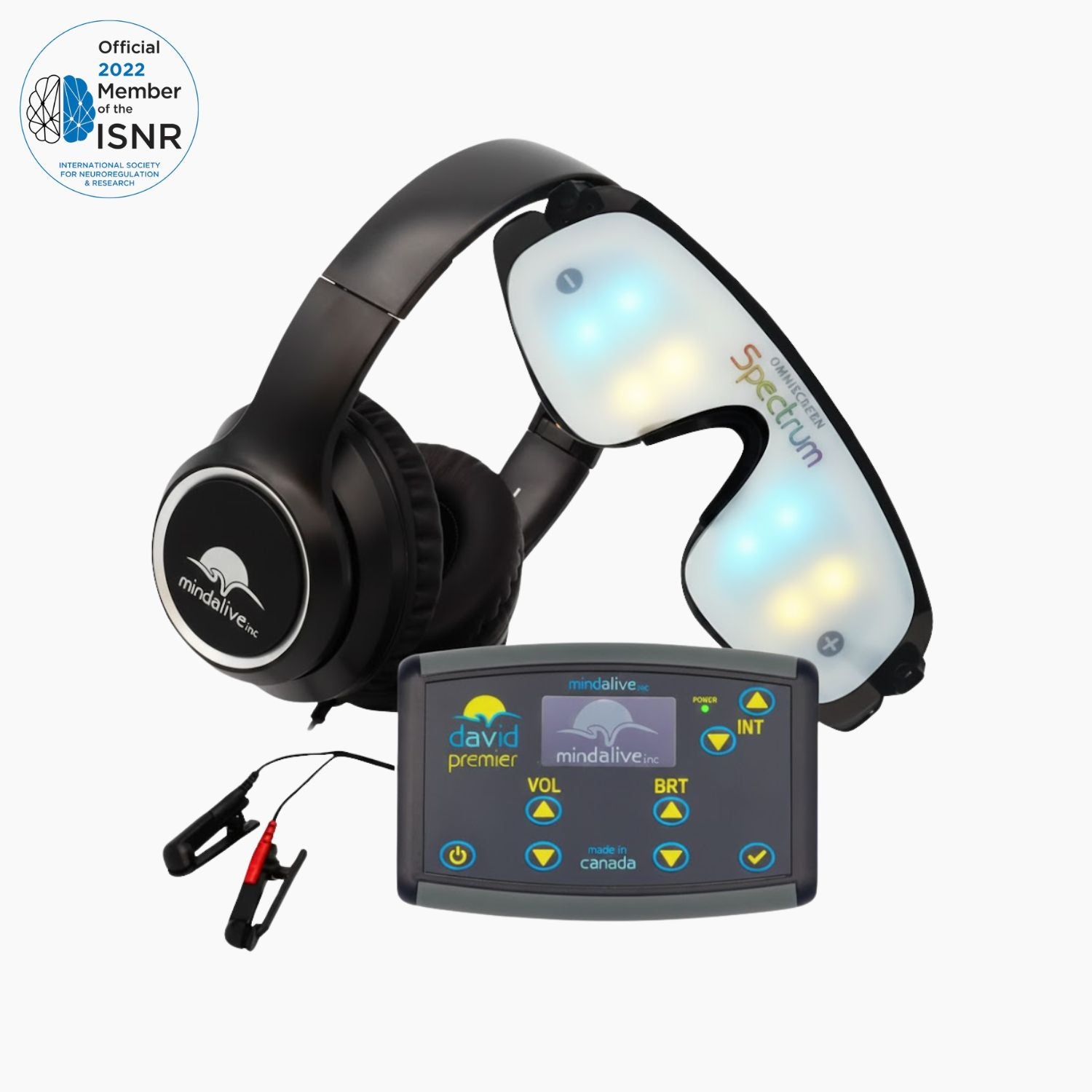
DAVID Premier is designed to reduce decision fatigue. Guided sessions make it easier to run the same protocol — at the same time — repeatedly. That’s the difference between “trying a device” and building a stable regulation habit.
Best-Fit Decision (60 seconds)
- If you want the easiest routine to stick to: choose DAVID Premier.
- If you want a classic CES-only device: pick the one you find most comfortable (and lock a fixed schedule).
- If you tend to overthink settings: prioritize guidance + repeatable sessions over extra options.
- If budget is the primary constraint: choose the least-friction option you can still use consistently.
Commercial Bridge: Guidance Beats More Features
More features don’t automatically create better outcomes — especially when you’re already stressed. Friction kills consistency. In real use, the device that helps you repeat the same 10–20 minute routine usually wins.
Related Guides (Go Deeper)
- How to calm a racing mind (quick protocols) (answer link)
- Sleep routine: a 30-minute wind-down that sticks (bridge link)
- Evidence (proof link)
Ready for a Simple Next Step?
If you want to check whether a CES routine fits your situation, the fastest next step is a short fit-check: see what your current brainwave status is and what kind of downshift routine tends to work best for you.
Get a 15-min brainwave assessment →Disclaimer: This article is for educational purposes and does not replace medical advice. Always follow official device instructions and consult a qualified professional for medical concerns.