

CES Devices: What It Is and How It Works
Mind AliveWritten by MindAlive – 35 years of innovation in neurotechnology and guided self-regulation tools.
CES Device: What It Is, How It Works, and a Simple Routine to Get Results
If you’ve been researching a CES device, you’re probably not looking for “another gadget.” You want something that helps you downshift fast—especially when stress, overthinking, or poor sleep keeps looping.
The challenge: most people try CES once or twice, without a structure, and conclude it “doesn’t work.” In reality, consistency + correct setup is what makes CES useful.
Why Most People Don’t Get Results From a CES Device
CES is often approached like a one-off solution: “Try it once, see what happens.” But nervous-system regulation doesn’t work like that. What people experience when CES “fails” usually looks like:
- No noticeable shift (because intensity is too low or timing is wrong)
- Inconsistent use (only on bad days, not as a routine)
- Wrong expectations (waiting for a dramatic ‘switch’ instead of a gradual downshift)
- Too much stimulation beforehand (caffeine, screens, stress → harder to settle)
- Skipping basics: hydration, comfortable posture, quiet environment
That’s why the best way to think about a CES device is as a training tool. The more predictable your setup, the more predictable your outcomes.
What Is a CES Device?
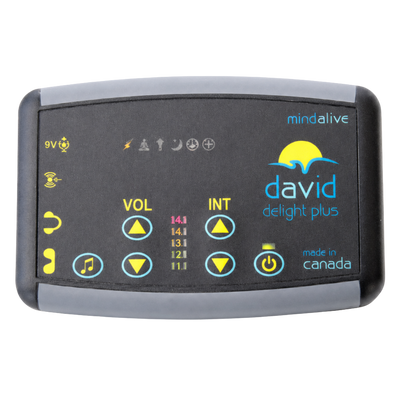
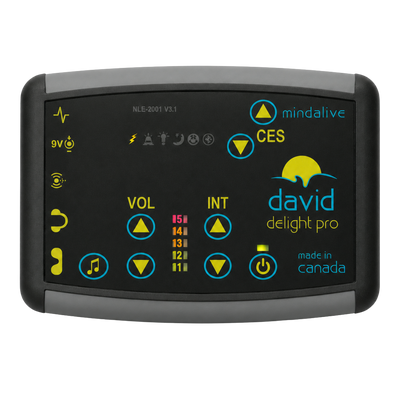
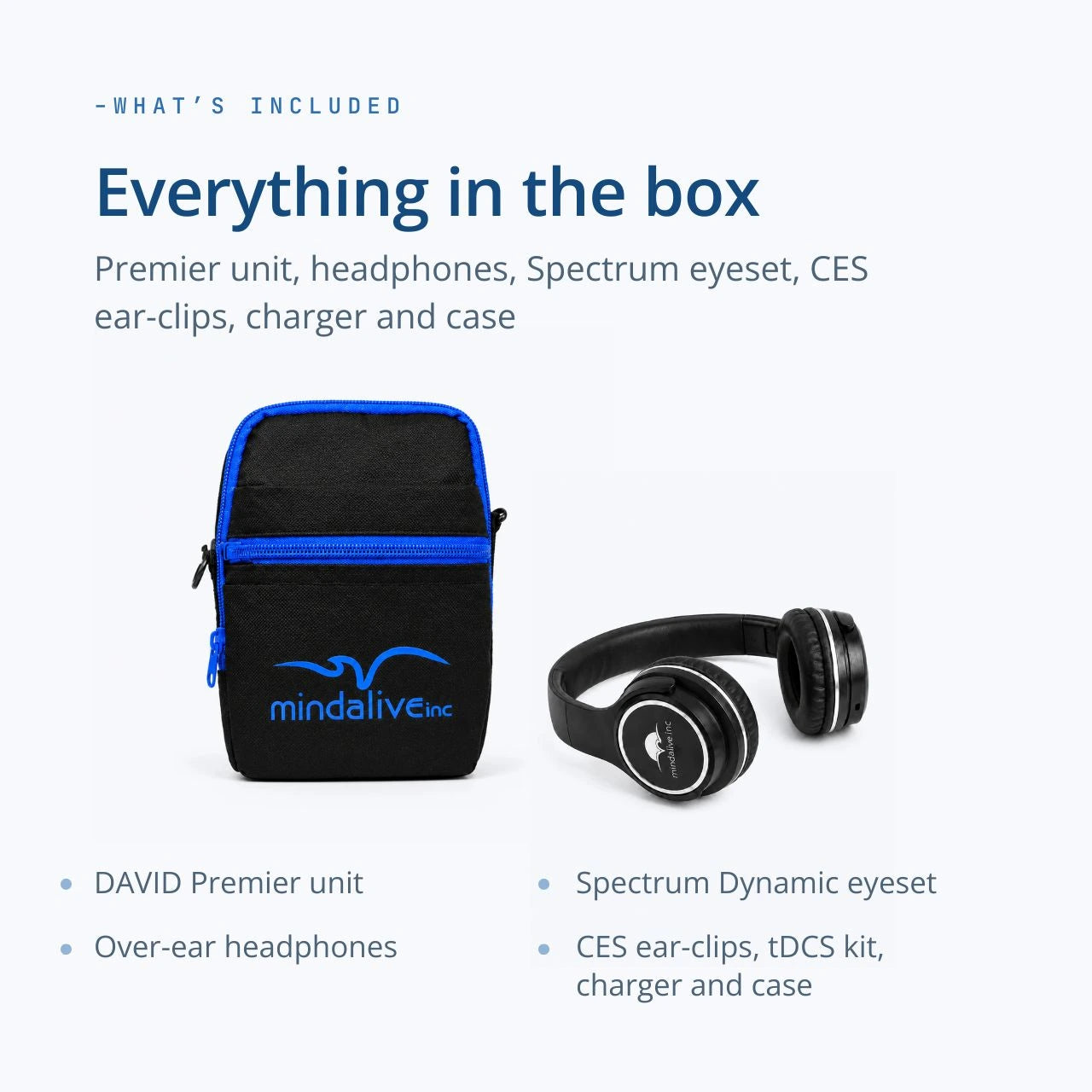
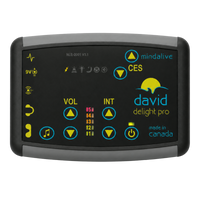
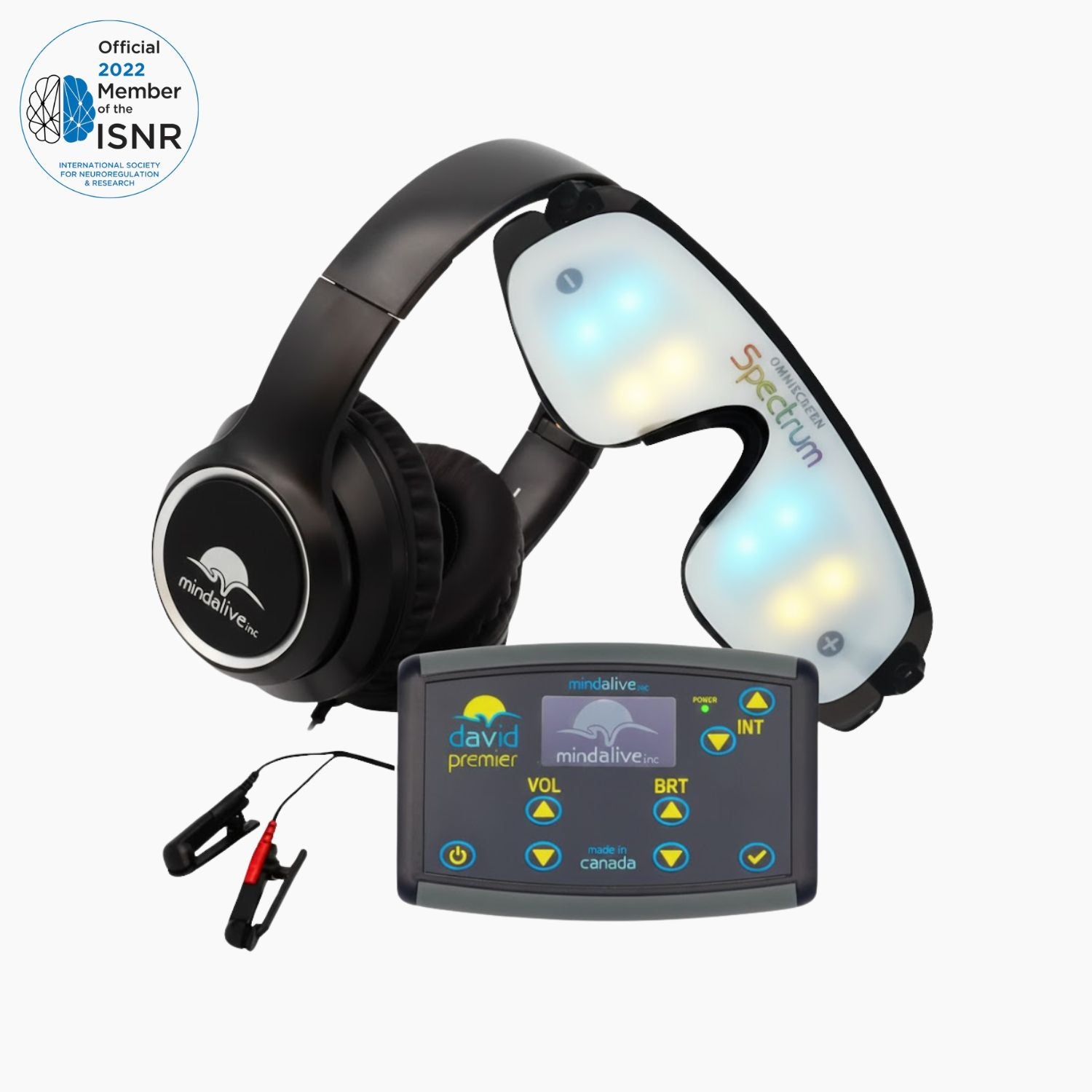
A CES device (Cranial Electrotherapy Stimulation) is a system that delivers a very low-level electrical current, typically via ear-clip electrodes. The goal is to support relaxation and help the body transition into calmer states.
In practical terms, CES is commonly used as a structured calm-down routine—especially when your mind keeps “running.” (For medical questions, contraindications, or diagnosis, always follow professional guidance and the device’s official instructions.)
Want the broader context of how self-regulation tools work together? See MindAlive guide: nervous system downshifting.
How a CES Device Works (Plain English)
You can think of CES as a consistent sensory input that helps your system shift gears. People usually notice effects as a combination of:
- a softer body (less tension in jaw/shoulders)
- slower thoughts (less “mental noise”)
- easier transition into rest (especially in evening routines)
A Reliable CES Routine (10–20 Minutes)
If you only apply one thing from this article, make it this: use CES like a routine, not a rescue. Here’s a simple structure you can repeat.
Step 1: Set the environment (2 minutes)
- Dim the lights (or reduce screen brightness)
- Silence notifications
- Sit comfortably (neck/jaw relaxed)
- Optional: a blanket—warmth helps the body settle
Step 2: Proper setup + conservative intensity (2 minutes)
- Attach electrodes as instructed by the manufacturer
- Start at a low intensity and increase slowly until comfortable
- Don’t chase intensity—comfort beats “more”
If you want to avoid setup mistakes, download the CES Setup & Routine Checklist (free).
Step 3: The downshift protocol (6–15 minutes)
- Breathe in for 4 seconds, out for 6–8 seconds (3–5 cycles)
- Scan: forehead → jaw → shoulders → chest → stomach → hips → legs
- When thoughts race: return to one anchor (breath, body, or a simple image)
Step 4: Close the loop (1 minute)
- Remove electrodes calmly
- Stand up slowly (avoid “snap back” into stress)
- Write 1 sentence: “How do I feel now vs. before?” (tracks progress)
What Results Can You Expect (Realistically)?
The most realistic expectation is not a dramatic “on/off switch,” but a trend: you get better at downshifting, and your body recognizes the routine faster over time.
A simple way to track this is a 7-day score:
- Before: stress level (1–10), mental noise (1–10), body tension (1–10)
- After: same 3 scores
- Goal: a consistent drop, even if it’s small at first
Want a ready-made tracking sheet? Get the 7-day CES tracker (PDF).
CES Device vs Other Calm-Down Methods
| Method | Effort | Consistency | Best for |
|---|---|---|---|
| Breathwork | Medium | Medium-high | Quick downshift anywhere |
| Guided meditation | Low-medium | Medium | Busy minds / beginners |
| Sleep hygiene routine | Medium | High | Long-term sleep support |
| CES device | Low | High (with routine) | Repeatable calm-down training |
Commercial Bridge: Why a CES Device Can Be Worth It
If you’re trying to calm down “manually” every night, you’ll often end up in the same loop: you’re already stressed, so your mind doesn’t cooperate. That’s why many people use a CES device as a structured cue—so the downshift becomes easier to repeat.
Related Guides (Go Deeper)
- How to calm a racing mind (quick protocols) (answer link)
- Sleep routine: a 30-minute wind-down that sticks (bridge link)
- Evidence (proof link)
Ready for a Simple Next Step?
If you want to see whether a CES device fits your situation, the fastest path is a short fit-check: find out what your current brainwave status is.
Get a 15-min brainwave assessment →Disclaimer: This article is for educational purposes and does not replace medical advice. Always follow your device’s official instructions and consult a qualified professional for medical concerns.