

How Brainwave Entrainment Reduces Stress
Yrian BrugmanWritten by MindAlive. 35 years of expertise in brainwave entrainment and stress regulation.
Brainwave Entrainment for Stress: Comprehensive Guide and Science
Modern life has made stress a constant companion for many people. Whether it’s work demands, constant notifications, worrying about the future, or unresolved emotions, chronic stress affects the way your brain functions — and it has measurable effects on your nervous system.
This long-form article explains how stress affects brainwaves, what science says about stress reduction through rhythmic brain stimulation, and how devices like the DAVID Premier provide structured support for stress regulation.

How Stress Shows Up in the Brain
Stress is not just a feeling. It changes brainwave patterns in measurable ways. When the nervous system stays in “alert mode,” low frequency relaxation rhythms like alpha and theta are suppressed, while higher frequency beta rhythms dominate.
This can lead to states of chronic tension, unstable emotion regulation, and difficulty downshifting into restful modes — even when you want to relax. This is sometimes described as “brainwaves stuck in stress mode.” When Brainwaves Stay Stuck in Stress Mode (MindAlive)
Stress isn’t just an emotional experience. It alters your brain rhythms, making it harder to switch into calm, restorative states.
What Brainwave Entrainment Does for Stress
Brainwave entrainment introduces rhythmic sensory input — through sound, light or both — to encourage the brain toward frequencies associated with calm, relaxation and regulated emotion. For stress relief specifically, research and applied protocols focus on increasing alpha and theta brainwave activity, which are linked to decreased anxiety and improved emotional resilience.
Scientific Support for Entrainment in Stress and Mood Regulation
Research across multiple studies indicates that rhythmic neural stimulation can influence mood and stress-related outcomes. For example, a controlled study with audiovisual stimulation showed reductions in negative affect and anxiety symptoms, suggesting that multisensory entrainment impacts psychological stress markers.
In broader reviews of brainwave entrainment literature, evidence suggests potential benefits for stress and mood, though larger and more standardized research is still needed.
How Stress Reduction Protocols Work in Practice
The key mechanisms for stress relief look like this:
- Increase alpha activity — linked to calm alertness.
- Increase theta activity — associated with deep relaxation and emotional exploration.
- Reduce high beta dominance — often active during anxious thinking.
- Engage the parasympathetic nervous system — the “rest and digest” mode.
These shifts are measurable with neurophysiological tools such as EEG and are part of the clinical rationale behind entrainment-based treatments for stress and mood states.
Clinical Evidence and Independent Research
MindAlive has compiled decades of research showing that Audio-Visual Entrainment (AVE) is safe, drug-free and effective in supporting stress regulation, mood, cognitive performance and more. Independent research summaries confirm the safety and efficacy profile of AVE when protocols are properly applied.
Scientific Studies on the DAVID Devices (MindAlive)
Research also indicates that rhythmic stimulation can support reductions in stress and anxiety without reported adverse effects, providing a non-pharmacological option for stress modulation.
Why Audiovisual Entrainment Often Outperforms Audio-Only Methods
While binaural beats and other sound-only entrainment tools can help with light relaxation, audiovisual stimulation (combined light and sound) engages both the visual and auditory pathways — producing a stronger and faster response in cortical rhythms.
- Visual cortices respond quickly and robustly to rhythmic light.
- Audio pulses reinforce timing and steadiness of the rhythm.
- Dual pathways increase the odds of a strong frequency-following response.
Brainwave Entrainment for Stress: What It Can Feel Like
People commonly report the following experiences with stress-focused entrainment sessions:
- a drop in muscle tension
- a sense of calm spreading from head to body
- mental quietness and fewer intrusive thoughts
- more grounded emotional states afterward
- smoother transitions into sleep
These outcomes are consistent with stress markers shifting from a high alert mode to a balanced rhythm supporting relaxation and resilience.
Typical Stress-Reduction Protocols in Entrainment Devices
Community and clinical entrainment protocols often use these frequency bands for stress support:
| Frequency Band | Associated State | Stress-Relevant Outcome |
|---|---|---|
| Theta (4–7 Hz) | Deep relaxation | Emotional release and calm focus |
| Alpha (8–12 Hz) | Calm alertness | Reduced anxiety and racing thoughts |
| Low Beta / SMR (12–15 Hz) | Focused relaxation | Clarity with calm attention |
How Devices Like DAVID Premier Apply These Protocols
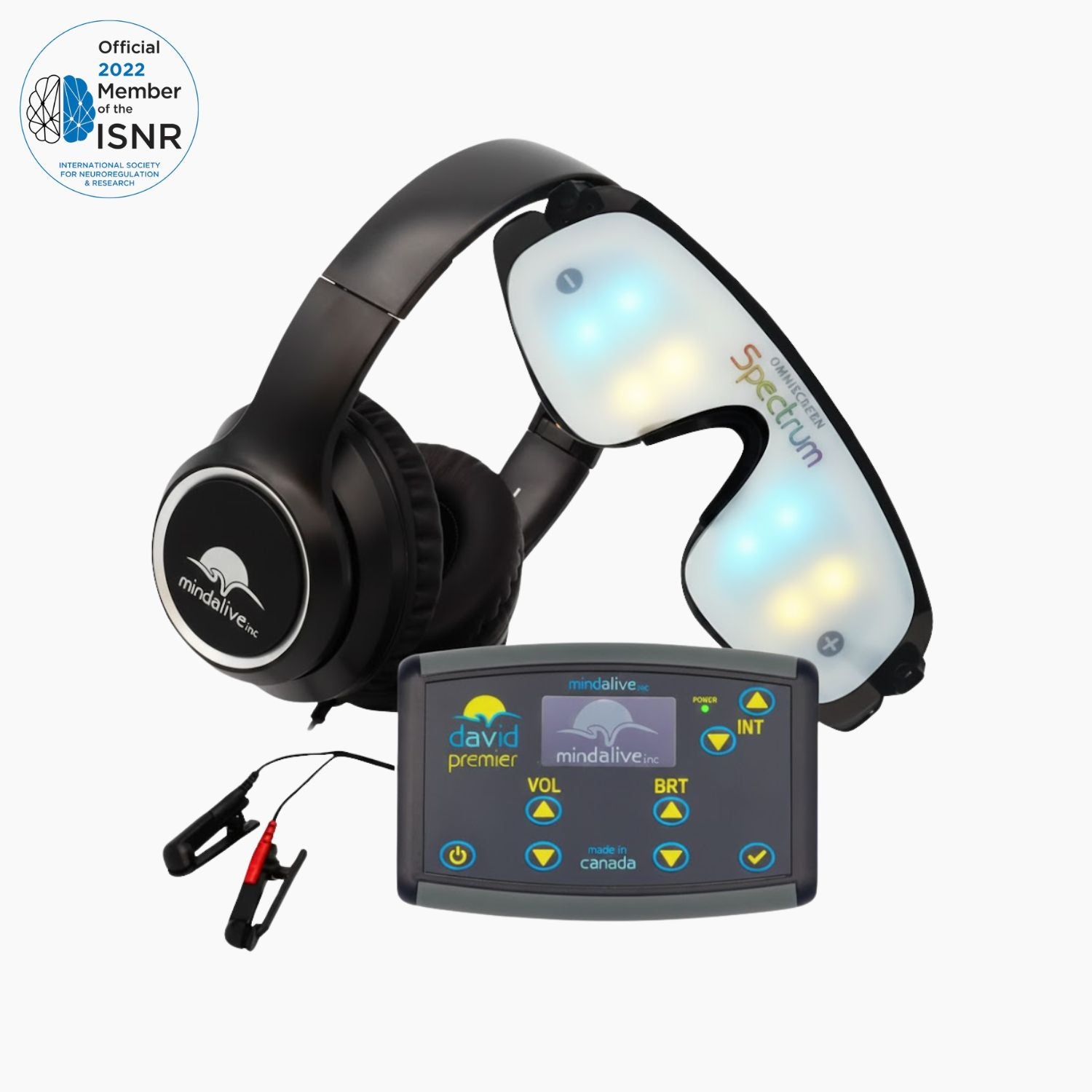
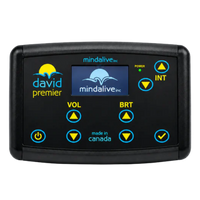
The DAVID Premier uses evidence-informed stress relief programs based on these mechanisms. Pulse patterns, rhythmic lighting and sound frequencies are structured to guide the nervous system into balanced, calm states — helping people move out of chronic stress patterns and into a more regulated rhythm.
These protocols reflect best practices from both research and clinical experience, combining multisensory entrainment with repetition for cumulative benefit.
Stress Entrainment and Daily Use
For most users, stress entrainment is not a one-time fix. Regular sessions over days and weeks create a stronger regulation response, retraining brainwave patterns and enhancing parasympathetic activation during stress challenges.
Brainwave Entrainment vs Traditional Stress Tools
Traditional stress reduction tools include meditation, breathing exercises and therapy. Brainwave entrainment complements these by providing a rhythmic scaffold the brain can follow — especially on days when meditation feels difficult or stress feels acute.
Combining Entrainment With Lifestyle Habits
The most robust stress relief comes when entrainment is integrated with healthy routines such as:
- mindful breathing
- regular physical activity
- consistent sleep schedules
- nutritious diet
Final Thoughts on Stress and Brainwave Entrainment
Brainwave entrainment for stress is supported by a growing body of research and decades of applied clinical use. While individual responses vary and more controlled studies continue to emerge, the core idea — guiding brain rhythms toward resilience and calm — is rooted in measurable neuroscience and real-world user experience.