

How Brainwave Patterns Affect Concentration and What You Can Do About It
Mind AliveIn our fast-paced, information-driven world, the need for improved concentration has never been greater. Whether you're a student cramming for exams, a professional tackling an overflowing inbox, or a busy parent juggling multiple tasks, concentration is key to success. But what if your brainwave patterns are not optimized for peak focus? Let's delve into how brainwave patterns influence concentration and explore strategies to harness their power for enhanced mental clarity.
Understanding Brainwave Patterns
Our brains are like orchestras, producing electrical activity that can be measured in different frequencies, known as brainwaves. These brainwaves are categorized into five main types: Delta, Theta, Alpha, Beta, and Gamma. Each of these brainwave patterns plays a significant role in how we think, feel, and behave.
- Delta Waves (0.5-4 Hz): Delta waves are the slowest brainwaves and are prominent during deep sleep. They are crucial for restorative sleep, healing, and rejuvenation. However, excessive delta wave activity during waking hours can lead to brain fog and diminished concentration.
- Theta Waves (4-8 Hz): Theta waves are associated with creativity, intuition, and relaxation. They often occur during light sleep and meditative states. While beneficial for creativity and emotional processing, high theta activity during activities requiring concentration can lead to daydreaming and distractibility.
- Alpha Waves (8-12 Hz): Alpha waves represent a state of relaxed alertness and are optimal for learning and absorbing new information. An increase in alpha activity is linked to enhanced focus and concentration, making them beneficial for tasks requiring consistent attention.
- Beta Waves (12-30 Hz): Beta waves are associated with active thinking, problem-solving, and focus. Higher frequency beta waves dominate when we are alert, attentive, and engaged. However, excessively high beta activity can lead to anxiety, stress, and impaired concentration.
- Gamma Waves (30 Hz and above): Gamma waves are linked to high-level information processing and cognitive functioning. They are present during moments of intense focus, learning, and problem-solving but can also contribute to feelings of stress and mental overload if unregulated.
The Science Behind Brainwaves and Concentration
Research shows that an imbalance in brainwave patterns can impact concentration levels. For example, individuals with consistently low beta wave activity may struggle with attention deficits, while those with excessive beta activity can experience heightened stress and anxiety, hampering concentration.
Our brains naturally shift between these brainwave states throughout the day, depending on our activities and emotional states. The key to optimizing concentration lies in being able to consciously regulate these shifts, promoting the brainwave states conducive to focused attention.
Strategies to Improve Brainwave Patterns for Better Concentration
1. Mindfulness and Meditation
Mindfulness and meditation are powerful tools for modulating brainwave patterns. Regular meditation practice can enhance alpha and theta wave activity, promoting a relaxed yet alert state of mind, ideal for concentration. Mindfulness exercises help train the brain to focus on the present moment, reducing distracting thoughts and improving attention.
2. Neurofeedback Training
Neurofeedback is a form of biofeedback that uses real-time monitoring of brainwave activity to teach individuals how to modulate their brainwave patterns. This non-invasive therapy helps improve focus by encouraging the brain to increase alpha and beta wave activity while reducing delta and theta activity during tasks that require concentration.
3. Brainwave Entrainment
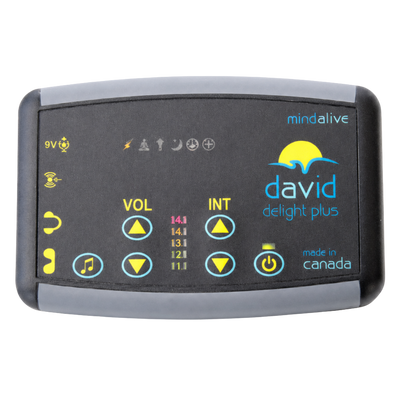
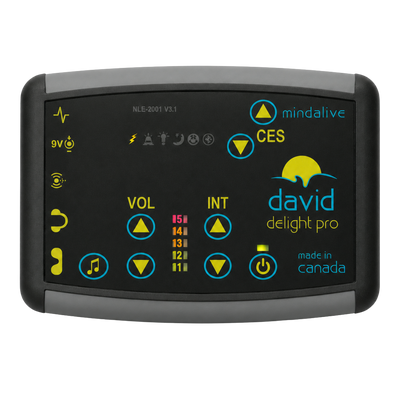
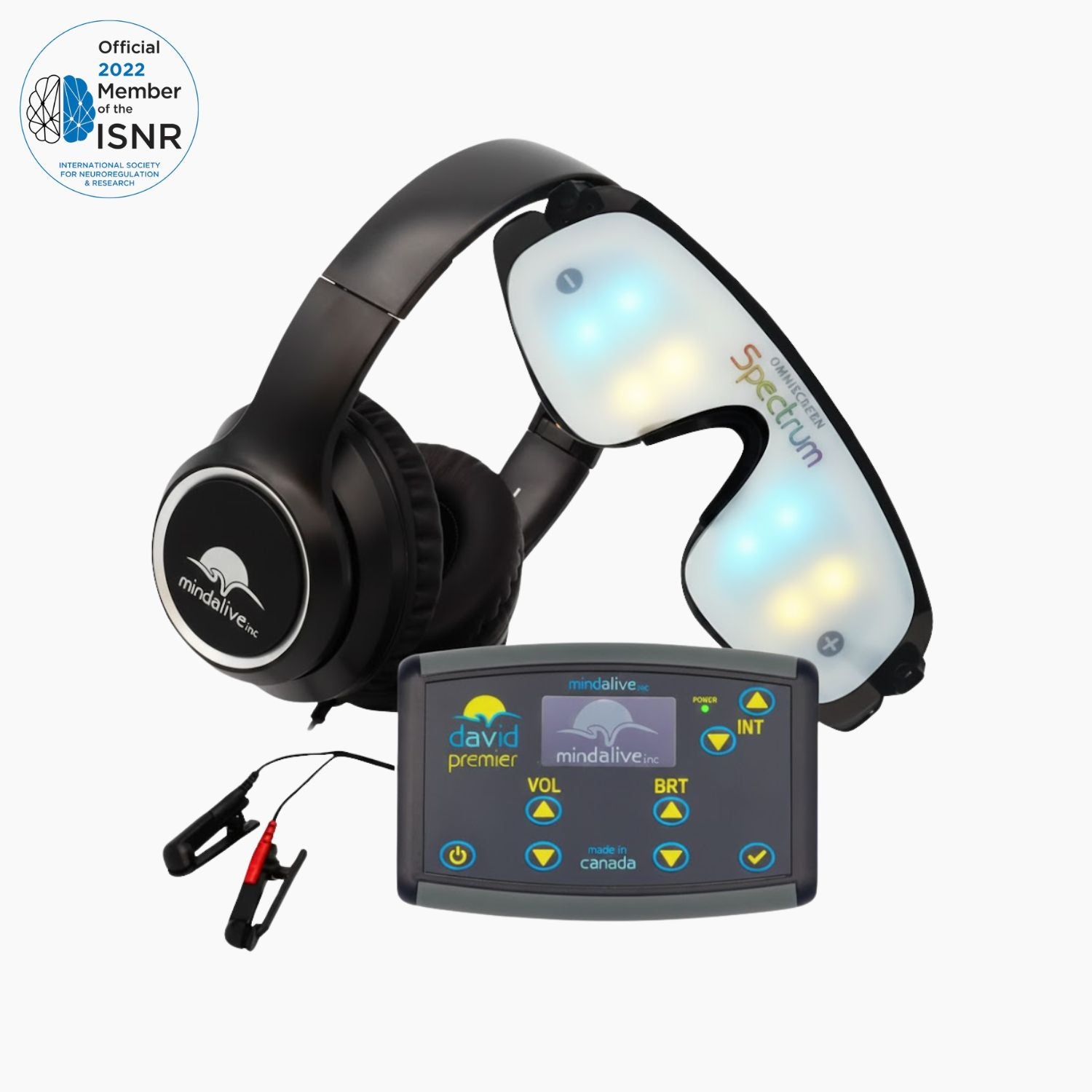
Brainwave entrainment involves the use of rhythmic stimuli such as sound or light to synchronize brainwave frequencies to a desired state. Practices such as listening to binaural beats or using light therapy devices can encourage the brain to produce brainwave patterns that enhance focus and relaxation simultaneously.
4. Use of Cranial Electrotherapy Stimulation (CES)

One of the most effective ways to influence brainwave patterns is through Cranial Electrotherapy Stimulation (CES). The OASIS PRO CES device from Mind Alive offers a non-invasive method to gently stimulate the brain, enhancing specific brainwave patterns conducive to concentration. CES has been found effective in alleviating stress and anxiety, improving mood, and boosting focus and clarity.
5. Lifestyle Modifications
- Sleep: Prioritizing quality sleep regenerates your brain, promoting balanced brainwave activity. Consistent sleep schedules and environments conducive to restful sleep bolster concentration.
- Nutrition: A balanced diet rich in omega-3 fatty acids, antioxidants, and essential vitamins fuels brain health, supporting optimal brainwave balance.
- Exercise: Regular physical activity increases blood flow to the brain, supporting cognitive functions and enhancing overall brainwave patterns.
6. Cognitive-Behavioral Techniques
Cognitive-behavioral strategies can help identify and modify thought patterns that detract from concentration. Learning to challenge negative thinking and create structured time management plans enhance focus and productivity.
Conclusion
Achieving optimal concentration is a multifaceted journey that begins with understanding and modulating your brainwave patterns. By harnessing the power of brainwave entrainment, meditation, CES devices like the OASIS PRO CES, and making lifestyle changes, you can significantly enhance your focus and cognitive capabilities.
For more resources and solutions to enhance brain health and concentration, visit Mind Alive.
By adopting the right tools and practices, aligning your brainwave patterns for improved concentration becomes an attainable goal. Unlock the potential of your mind and watch your productivity and participation in life soar.