

How to Access Theta Brain Waves
Yrian BrugmanWritten by MindAlive – 35 years of brainwave entrainment, 5× awarded for innovation in neurotechnology.
How to Access Theta Brain Waves (Full Guide): Fast Methods + A Reliable Routine
If you’ve been searching for how to access theta brain waves, you’re aiming for one of the most restorative and insight-rich mental states humans experience. Theta (about 4–7 Hz) is commonly associated with deep relaxation, vivid imagery, creative insight, and the transitional space between wakefulness and sleep.
In practical terms, theta is when the mind gets quieter and less “linear,” the body starts to soften, and solutions show up without effort. This guide explains what theta feels like, why it matters, and the most reliable ways to reach it—ranging from breathwork and visualization to structured entrainment using the DAVID Premier.
What Are Theta Brain Waves?
Theta sits between alpha (relaxed awareness) and delta (deep sleep). It tends to appear during meditation, early sleep stages, hypnosis, visualization, and deeper emotional processing. In theta, attention turns inward—less scanning the environment, more sensing, imagining, integrating.
Want context on how brainwave patterns evolve across life stages? See Human brainwaves by age.
Why People Want to Access Theta
Before you focus on how to access theta brain waves, it helps to understand what theta supports. Many people seek theta for:
- Deep relaxation and stress reduction
- Creative thinking and imagination
- Emotional release and introspective clarity
- Easier sleep onset and a smoother wind-down
- Memory recall and vivid mental imagery
A useful way to think about theta: it’s a reset state. Modern life pushes the brain into fast, outward-focused rhythms all day. Theta is where the system downshifts, recalibrates, and often “solves” what the conscious mind can’t brute-force.
The Most Reliable Ways to Access Theta Brain Waves
Not all methods work equally well for all people. The best approach is to pick one method you enjoy, then make it repeatable. Use the options below as a menu.
1. Slow, Rhythmic Breathing
Theta is easiest to enter when the nervous system shifts toward parasympathetic mode. A simple protocol:
- Inhale through the nose for 4 seconds
- Exhale slowly for 6–8 seconds
- Repeat for 3–5 minutes
The longer exhale lowers arousal and reduces fast “problem-solving” activity—creating the conditions where theta naturally emerges.
2. Body-Scanning & Releasing Tension
Theta is hard to access if the body is braced. A body scan turns down threat signals by signaling safety: move attention slowly from forehead → jaw → shoulders → chest → stomach → hips → legs → feet, relaxing each area.
3. Visualization (One of the Fastest Theta Doors)
Theta thrives on imagery. Visualization reduces analytical loops by giving the brain something soft to “follow.” Try imagining:
- A peaceful location you know (or can invent)
- Warm light around the body, slowly expanding
- A gentle floating or sinking sensation
If your mind wanders, return to one sensory detail (light, warmth, or breath). The return is the training.
4. Meditation (Guided Is Often Best for Busy Minds)
Meditation reduces beta activity and encourages slower rhythms over time. Many people find guided meditation easier at first, because it reduces the “effort loop” (trying hard to be calm).
If you’re a beginner, start with 10 minutes and prioritize consistency. Theta becomes more accessible with repetition.
5. Light & Sound Entrainment (Most Consistent for Many Users)
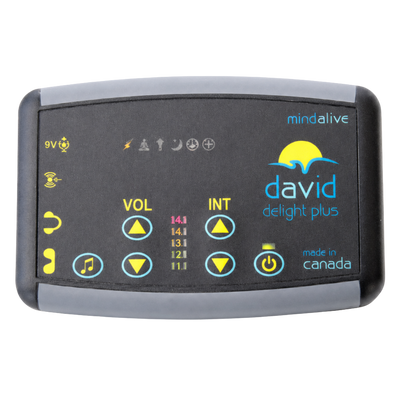
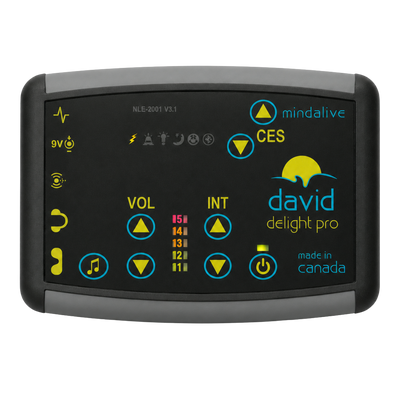
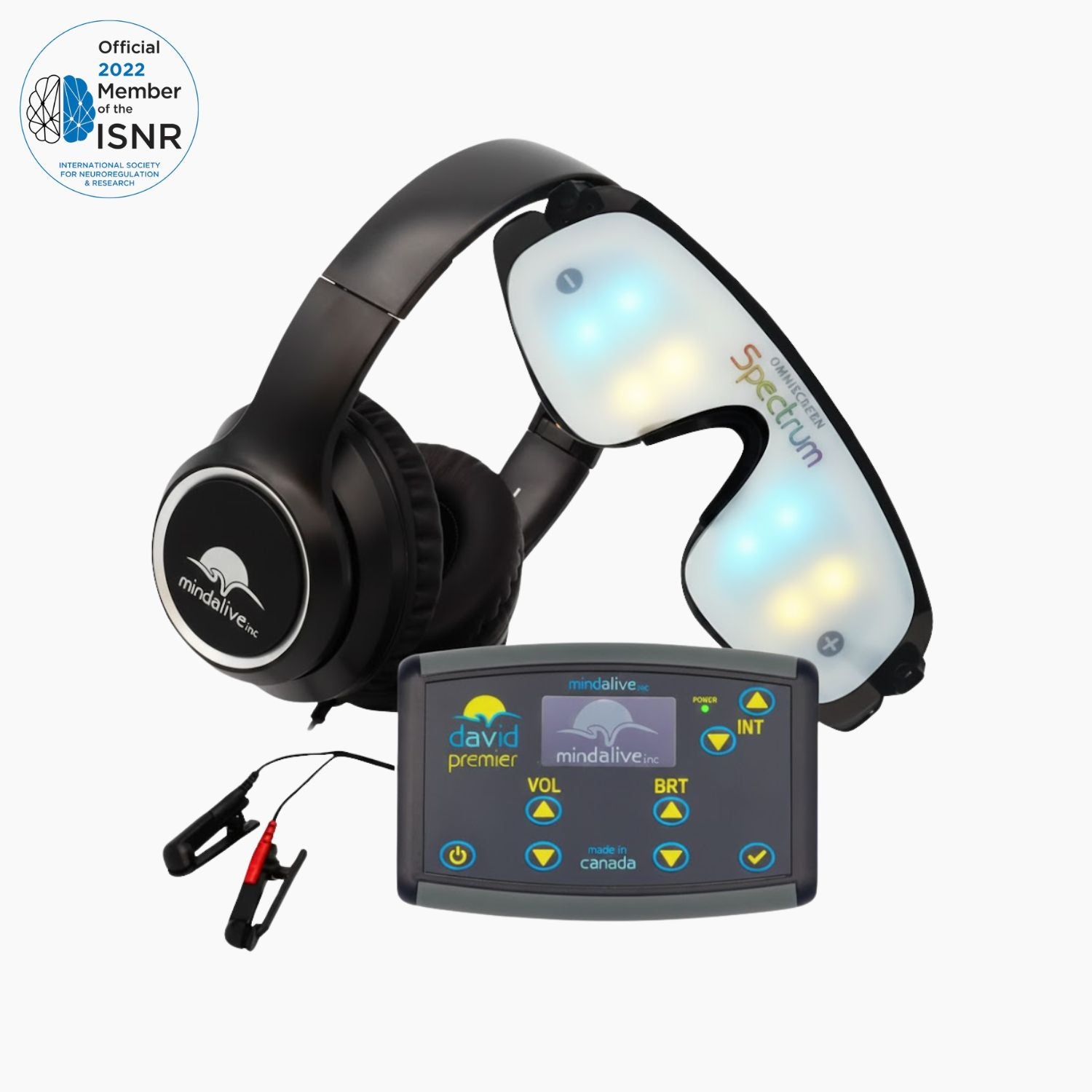
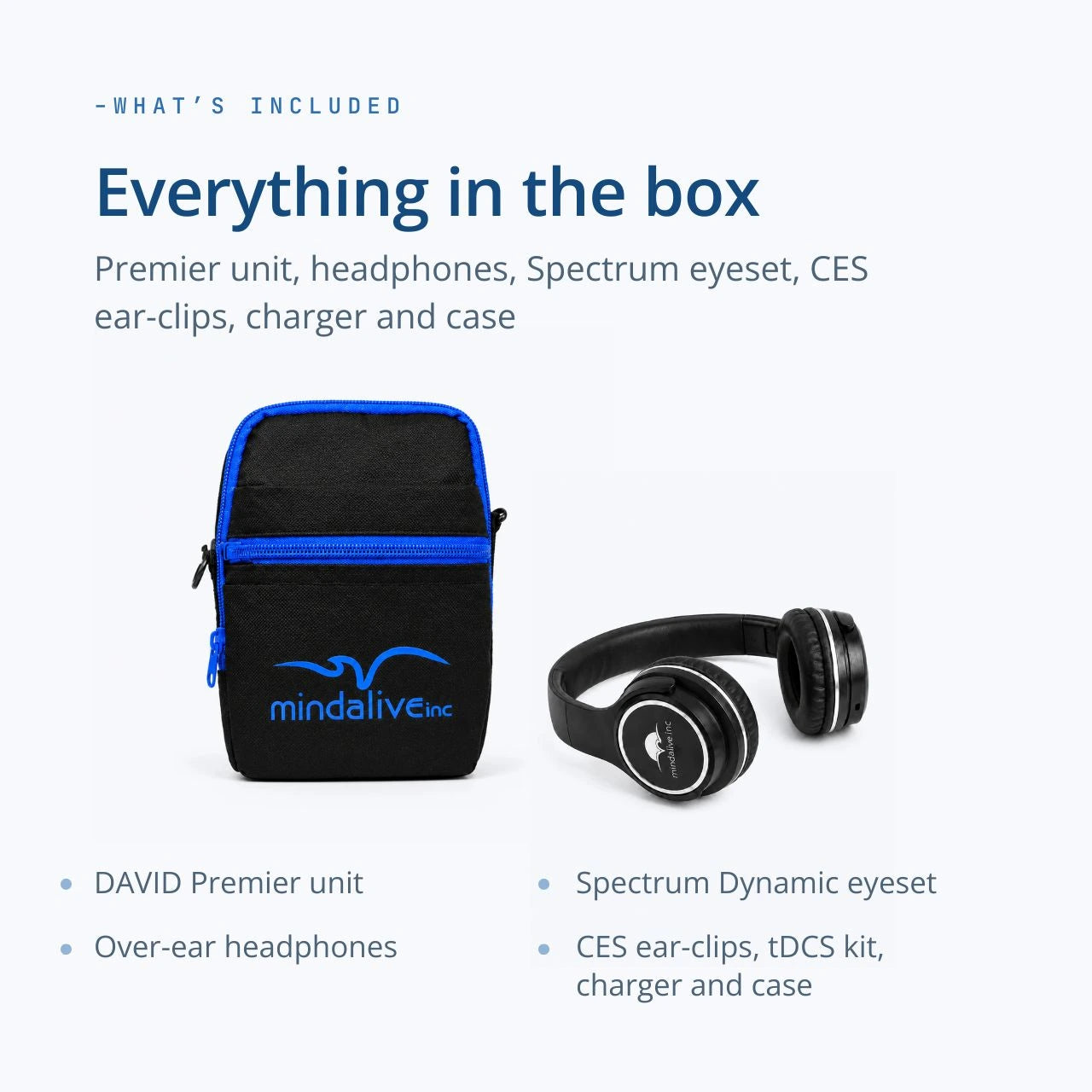
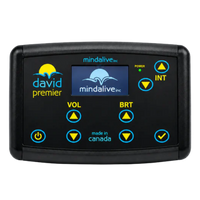
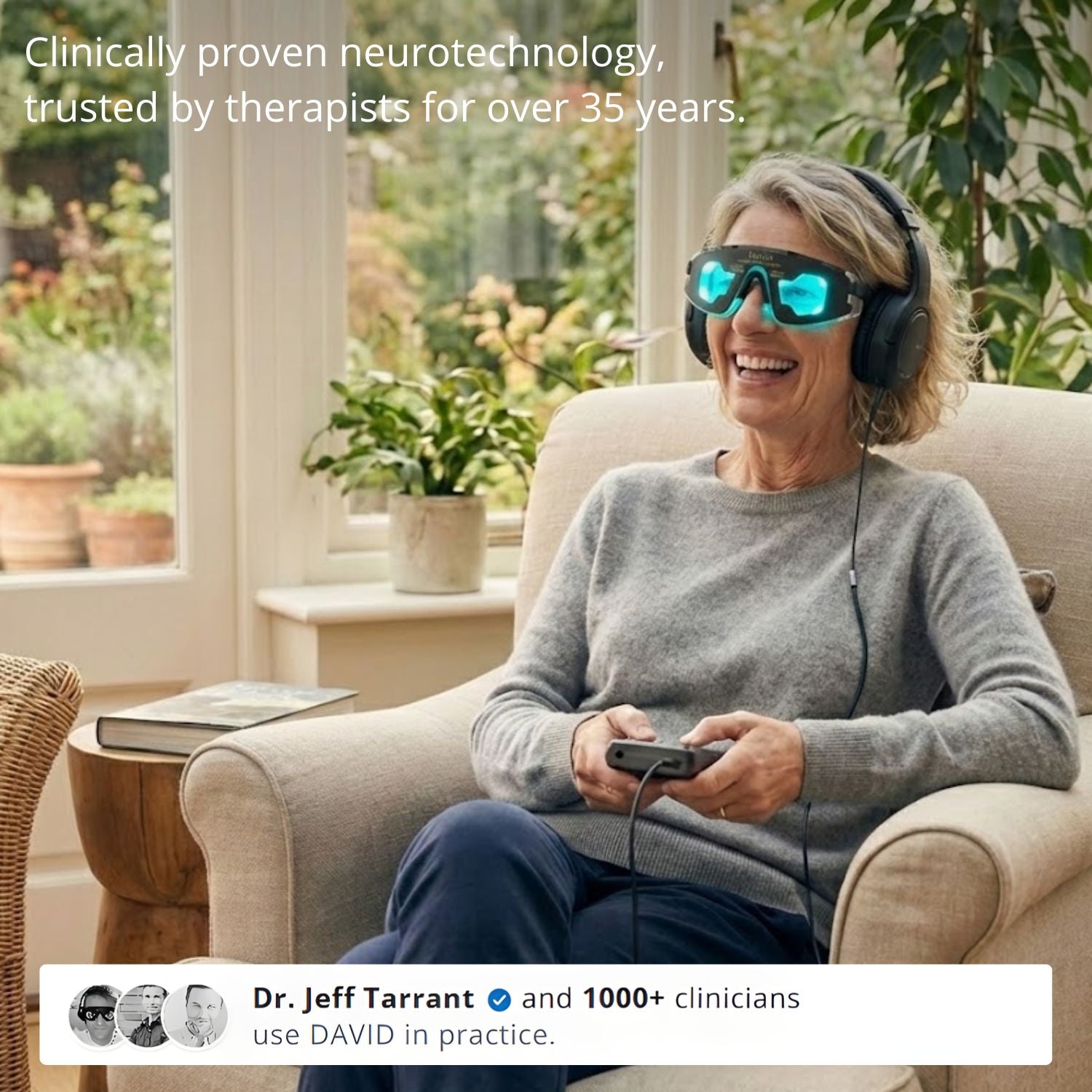
For people who struggle to “turn off” the mind, entrainment can be the most repeatable pathway to theta. Light-and-sound AVE uses pulsed visual stimulation paired with audio to encourage a target rhythm. The DAVID Premier includes theta-targeted sessions designed for deep relaxation, creativity, and pre-sleep downshifting.
Theta-focused sessions can be especially helpful if you struggle with:
- Racing thoughts
- Overstimulation
- Creative block
- Anxiety or emotional tension
- Falling asleep
Technique Comparison Table
| Method | Ease | Effectiveness | Best Scenario |
|---|---|---|---|
| Slow breathing | Very easy | High | Stress relief, pre-sleep |
| Visualization | Medium | Very high | Creativity, emotional clarity |
| Meditation | Medium | High | Daily practice |
| Guided audio | Easy | Medium-high | Beginners, busy minds |
| Light & sound entrainment | Very easy | Highest | Reliable theta training |
How Long Does It Take to Enter Theta?
Most people enter theta within 5–15 minutes, depending on stress level, environment, and method. If you’re highly activated (caffeine, anxiety, intense screen time), expect the longer end of that range.
With structured entrainment routines, many users report theta entry becoming more predictable—because the brain learns the pathway.
How Often Should You Practice?
To reliably strengthen your ability to access theta, aim for:
- 10–20 minutes per session
- 3–5 sessions per week
- A quiet, low-stimulation environment (dim light helps)
After a few weeks, theta becomes a familiar state—less “achievement,” more “access.”
Want a Reliable Theta Routine?
If you want consistent, guided access to theta for emotional release, creativity, and deep relaxation, explore the DAVID Premier below.
Explore DAVID Premier