

How to Enter the Theta State?
Yrian BrugmanWritten by MindAlive – 35 years of brainwave entrainment, 5× awarded for innovation in neurotechnology.
How to Enter the Theta State (Full Guide)
If you've ever wondered how to enter theta state — the deeply relaxed, creative, intuitive brain rhythm — you're not alone. Theta waves (4–7 Hz) are one of the most sought-after states in meditation, neurostimulation, and therapeutic settings. They’re associated with emotional processing, creativity, memory integration, and the “calm insight” moments that often appear before sleep.
In this guide, you’ll learn exactly what theta is, why it matters, and the most reliable techniques to reach this state — even if meditation usually feels impossible. We’ll cover breathwork, visualization, sensory techniques, and structured entrainment using the DAVID Premier.
What Is the Theta State?
Theta is the slow, inward-focused frequency pattern of the brain that appears during deep relaxation, the transition before sleep, daydreaming, meditation, and emotional integration. It’s often described as a warm, drifting state where the body is calm but the mind remains aware.
For a broader overview of how all brainwaves develop, see Human brainwaves by age.
Why People Want to Enter Theta
Before we dive into how to enter theta state, it helps to understand why theta is so valuable. Research and user experience show theta supports:
- Deep relaxation and nervous system downshifting
- Emotional processing and calm introspection
- Creativity, intuition, and visualization
- Better sleep onset and reduced rumination
- Improved access to memory and internal imagery
Theta isn’t about going unconscious — it’s about shifting from analytical thinking into intuitive understanding.
The Most Reliable Ways to Enter Theta
Here is the complete breakdown of the most effective methods for reaching theta. Whether you’re a beginner or advanced meditator, these techniques work because they target the nervous system directly.
1. Slow Nasal Breathing (The Fastest Path)
One of the most consistent methods of how to enter theta state is slow, controlled breathing. Theta increases when the brain perceives safety and the heart rate decreases.
Try this:
- Inhale through the nose for 4 seconds
- Exhale slowly for 6–8 seconds
- Repeat for 3–5 minutes
The longer exhale activates the parasympathetic system and begins shifting your brain into slower frequencies.
2. Body-Scanning for Physical Release
Theta emerges when physical tension reduces. Scan from head to toe, relaxing each area as you move downward. The slower your muscles soften, the faster theta increases.
3. Visualization (Theta Loves Imagery)
Because theta is associated with imagery and creativity, visualization is one of the strongest triggers. Imagine:
- A peaceful location
- The sound of water or wind
- A warm color that fills the room
The brain begins shifting from external focus (beta) to internal imagery (theta).
4. Guided Meditation or Hypnagogic Tracks
Listening to a calming voice, slow rhythms, or soft binaural patterns can help your mind drift inward. Research shows that auditory guidance reduces beta activity and strengthens theta onset.
5. Light & Sound Entrainment (Most Structured)
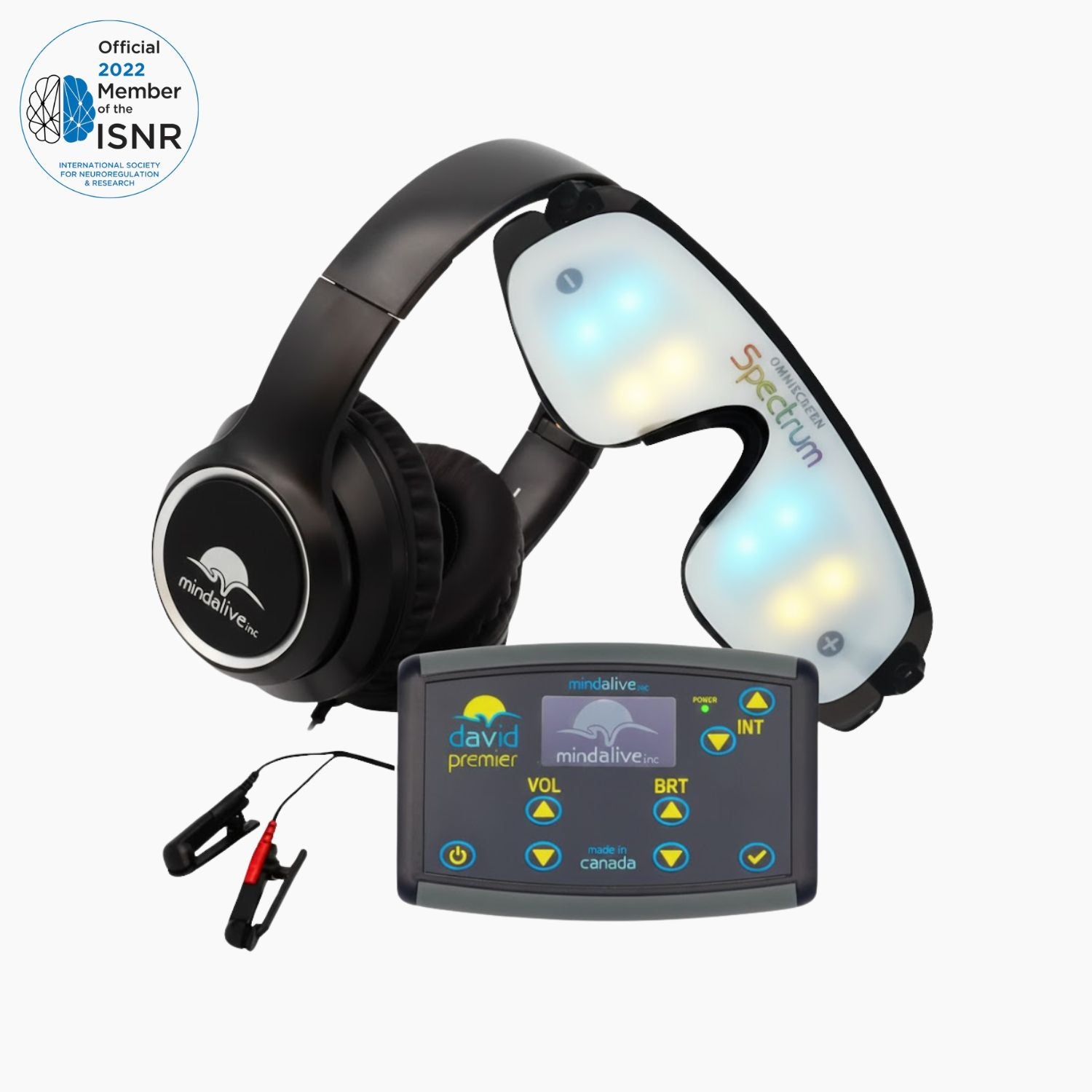
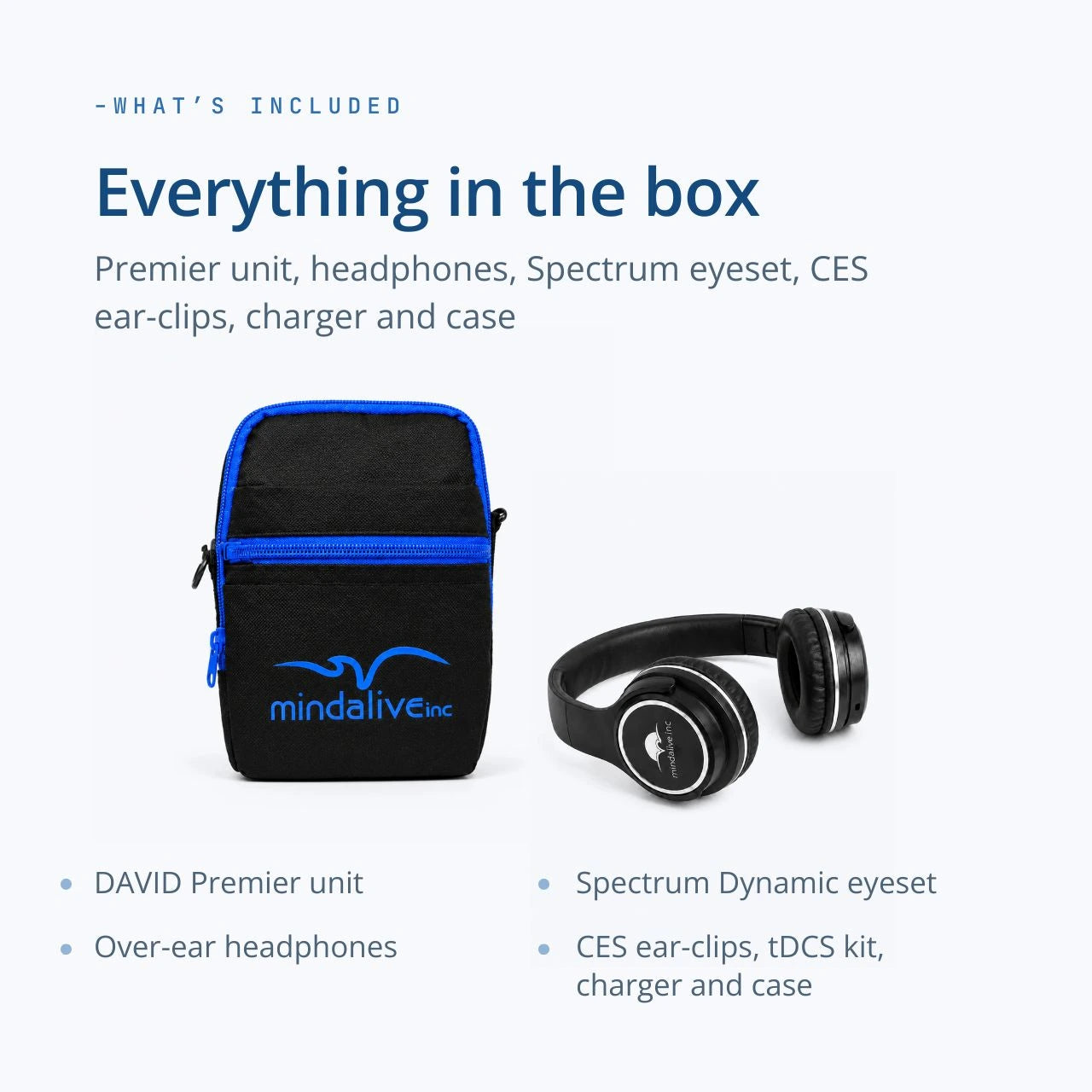
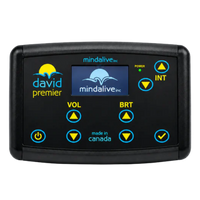
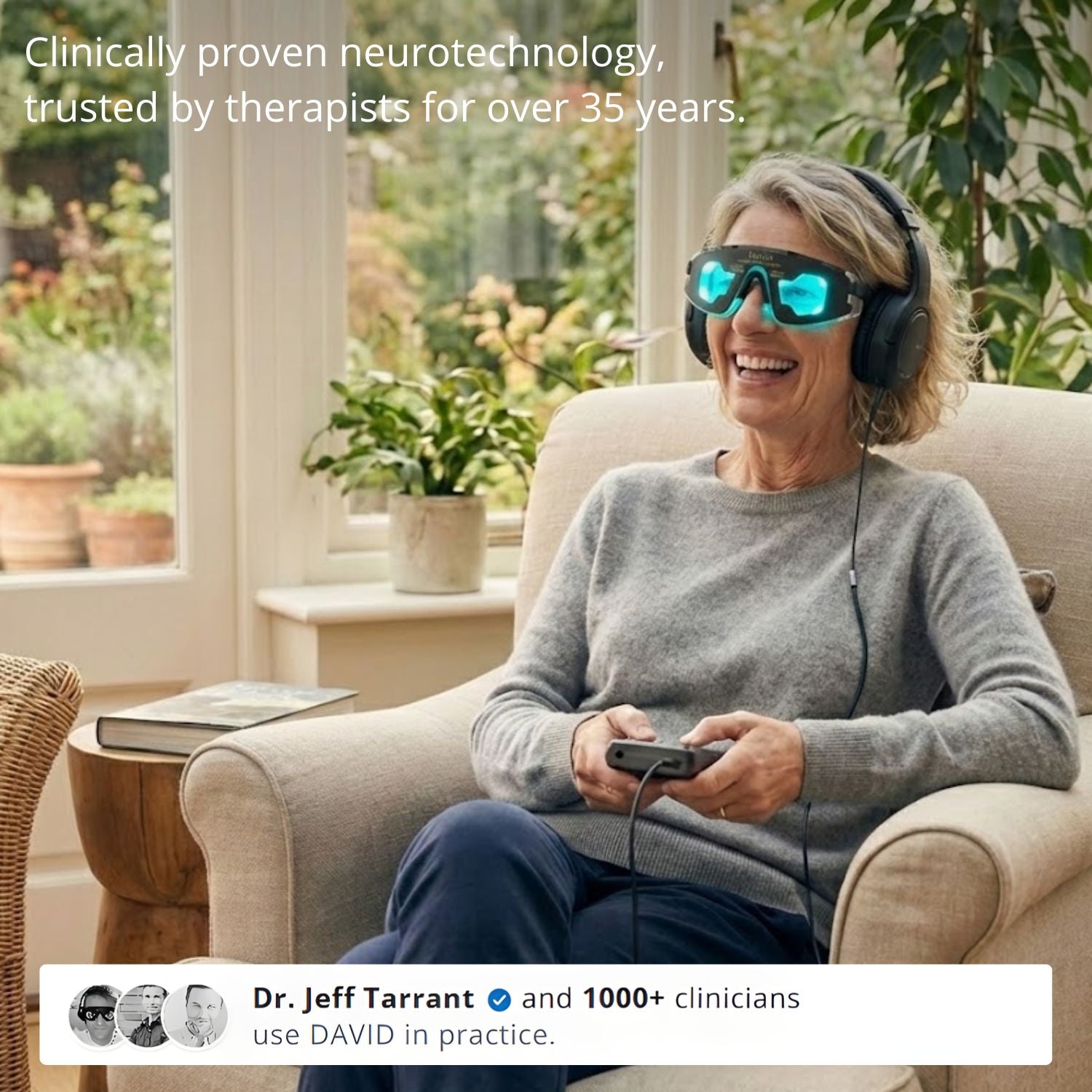
The fastest, most repeatable method for how to enter theta state is rhythmic entrainment. The DAVID Premier uses pulsed light and sound to guide the brain into targeted frequencies.
 Theta-focused sessions are especially helpful if:
- You struggle with meditation
- Your mind races before sleep
- You want to access creativity or emotional clarity
- You’re overwhelmed or overstimulated
Theta State Techniques Compared
| Method | Difficulty | Effectiveness | Best Use |
|---|---|---|---|
| Slow breathing | Easy | Very effective | Stress, grounding, night routines |
| Visualization | Medium | High | Creativity, emotional clarity |
| Meditation | Medium | High (with consistency) | Daily practice |
| Guided audio | Easy | Medium-high | Beginners |
| Light & sound entrainment | Very easy | Highest reliability | Daily theta access, pre-sleep |
How Long Does It Take to Enter Theta?
This varies from person to person. Some people reach theta in 3–5 minutes, especially during guided sessions. Others need 15–20 minutes of relaxation and steady breathing.
With entrainment tools like the DAVID Premier, most users report a consistent theta shift within 6–12 minutes.
How Often Should You Practice?
If your goal is to reliably master how to enter theta state, start with:
- 10–20 minutes per session
- 3–5 days per week
- Preferably in a quiet, low-light environment
After a few weeks, transitions become faster and more intuitive — meaning you can drop into theta even during stressful moments.
Want a Structured Way to Enter Theta?
If you want consistent, guided access to theta for creativity, deep relaxation, or emotional clarity, explore the DAVID Premier below.
Explore DAVID Premier