

Remote Neurofeedback: The Best Way To Do It
Yrian BrugmanWritten by MindAlive – 35 years of brainwave entrainment, 5× awarded for innovation in neurotechnology.
Remote Neurofeedback (Full Guide): How It Works, Benefits, and What to Expect
Remote neurofeedback — also called at-home neurofeedback or tele-neurofeedback — is one of the fastest-growing approaches in mental health and brain optimization. Instead of going to a clinic for weekly sessions, you train your brainwaves from home while a certified provider monitors progress remotely.
This guide breaks down everything you need to know about remote neurofeedback: how it works, who it’s for, what equipment is used, whether it's as effective as in-clinic sessions, and how to choose a safe provider.
What Is Remote Neurofeedback?
Remote neurofeedback is a form of brain training where EEG sensors measure your brainwave activity while software provides real-time feedback designed to encourage healthier patterns. The training itself often feels relaxing—commonly involving watching videos, listening to audio, or following visual cues.
The difference between clinic-based and remote neurofeedback is simply the location. A trained clinician still:
- creates the protocol
- reviews sessions
- adjusts settings
- monitors progress
This allows clients to train more often, which often speeds up results.
How Does Remote Neurofeedback Work?
The process is usually structured like this:
- You receive an EEG headset or sensor kit for home use.
- Your clinician sets your neurofeedback protocol based on assessment or qEEG.
- You follow scheduled sessions (usually 20–40 minutes each).
- The software adjusts based on your brainwave activity.
- Your clinician reviews data remotely and updates your program.
Most clients train 2–4× per week, but some programs allow daily sessions for faster progress.
Is Remote Neurofeedback Effective?
Remote neurofeedback can be highly effective when:
- the protocol is individualized
- a licensed or BCIA-certified clinician oversees progress
- clients train consistently at home
A major advantage of remote neurofeedback is frequency—more sessions per week often leads to faster and more stable brain changes.
Common Conditions That Benefit From Remote Neurofeedback
Remote programs are used for the same issues as in-clinic neurofeedback:
- ADHD (children and adults)
- Anxiety and stress
- PTSD and trauma-related dysregulation
- Concussion and post-TBI symptoms
- Sleep issues
- Mood instability and depression
- Burnout and cognitive fatigue
- Peak performance goals
Remote Neurofeedback vs. In-Clinic Neurofeedback
| Feature | Remote | In-Clinic |
|---|---|---|
| Convenience | Train anytime from home | Requires travel + scheduled appointments |
| Training Frequency | 2–7×/week | 1–2×/week |
| Cost | Lower (often a flat monthly fee) | Higher per-session costs |
| Supervision | Remote monitoring by clinician | In-person supervision |
| Effectiveness | Often comparable with strong consistency | Highly effective |
Pros of Remote Neurofeedback
- Train more frequently — key for faster results
- Lower cost than in-clinic programs
- Fits around your schedule
- Comfort, privacy, and less pressure
- Ideal for clients with anxiety or sensory sensitivities
- No travel barrier
Potential Drawbacks
- You must be consistent to see results
- Requires a stable internet connection
- Must follow setup instructions carefully
- Not ideal for complex neurological cases without close supervision
Is Remote Neurofeedback Covered by Insurance?
Coverage varies widely. In most cases:
- insurance does not cover at-home neurofeedback devices
- insurance may cover the clinician’s evaluation or supervision
- clients often receive partial reimbursement for diagnostic sessions
For full details, see: How to Get Neurofeedback Covered by Insurance.
Who Should Consider Remote Neurofeedback?
Remote neurofeedback is ideal for:
- busy professionals
- students
- people with anxiety who prefer home-based environments
- parents seeking support for children
- individuals who want to train daily
Alternatives to Remote Neurofeedback
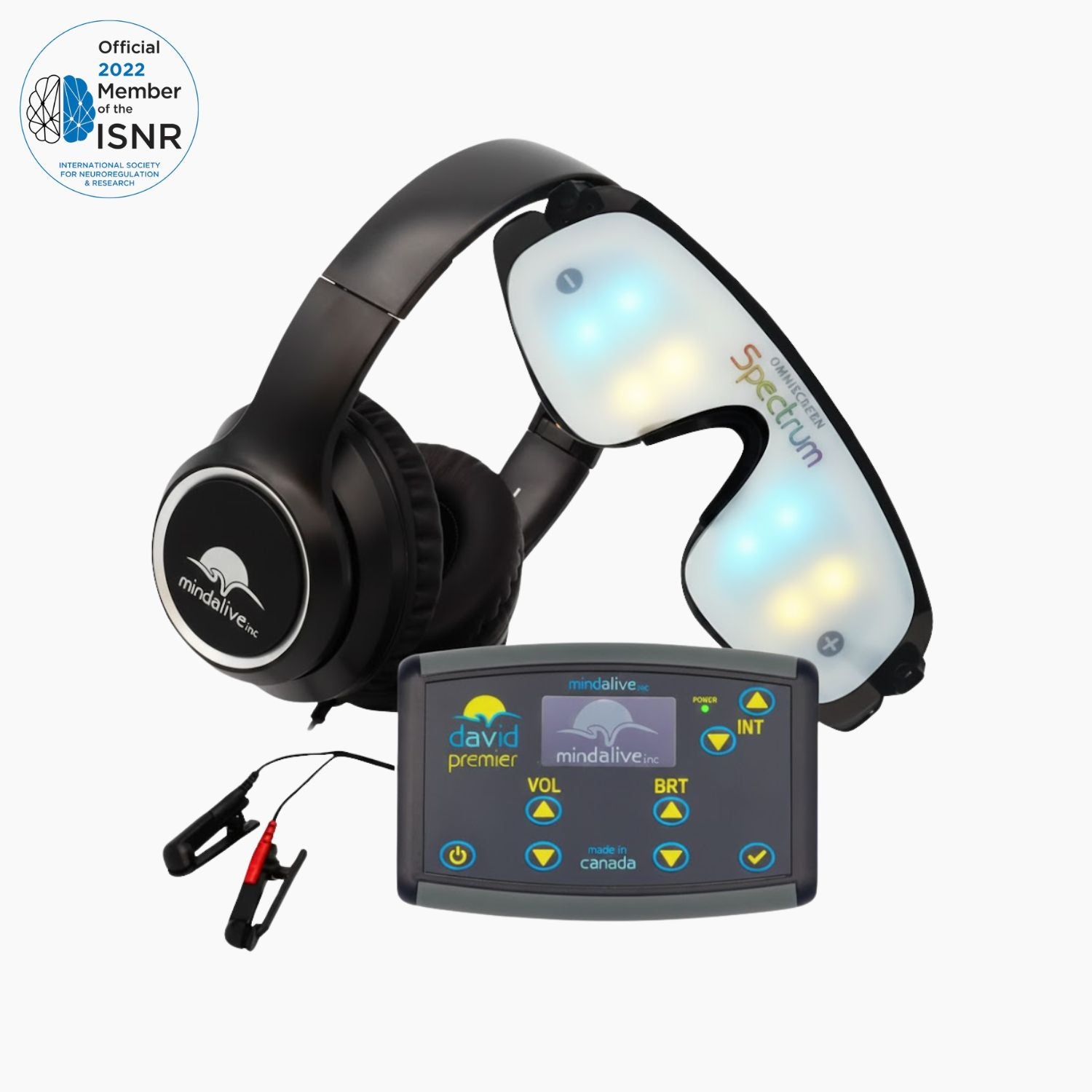
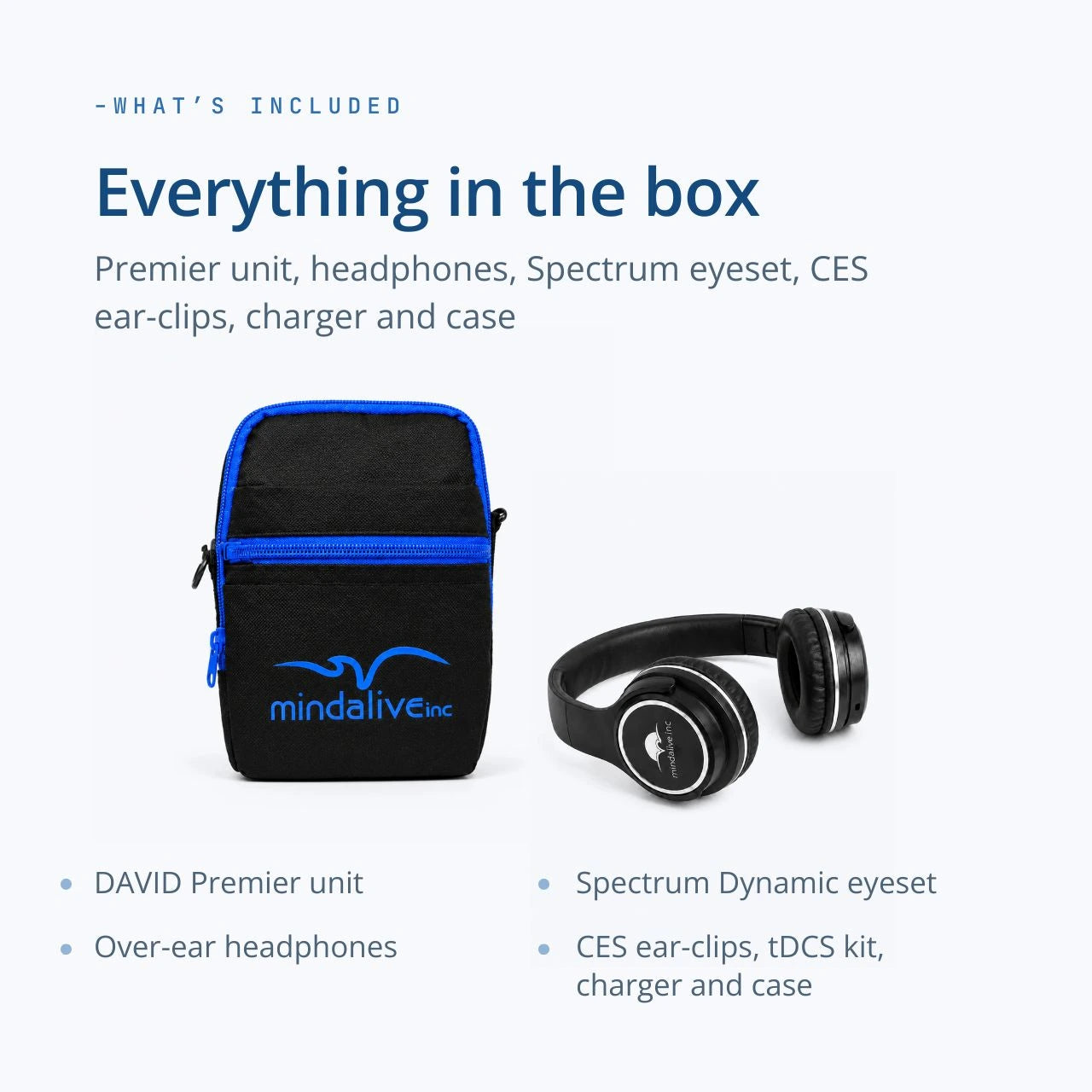
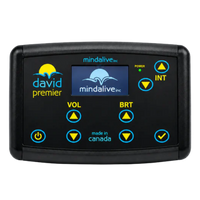
If you're seeking mood, sleep, or focus benefits without clinical devices, brainwave entrainment systems like the DAVID Premier offer structured, guided sessions that mimic many of the relaxation and focus benefits — without requiring EEG equipment.
Ready for a Structured Brain Optimization System?
If you’re looking to support your brain with a guided, evidence-based home system — without dealing with clinical equipment — explore the DAVID Premier below.
Explore DAVID Premier