

The Benefits Of Alpha Waves
Yrian BrugmanWritten by MindAlive – 35 years of brainwave entrainment, 5× awarded for innovation in neurotechnology.
The Complete Guide to Alpha Wave Benefits
Alpha waves (8–12 Hz) are the bridge between calm and clarity — the sweet spot where your brain feels relaxed but awake, present but not tense. If theta is deep introspection and beta is intense focus, alpha is the balanced middle state that supports creativity, emotional regulation, confidence, and effortless concentration. In this article, we explore the science-backed alpha wave benefits and how you can train this highly productive brain state with simple practices and structured neurostimulation tools.
Alpha waves naturally rise when your nervous system feels safe. They’re dominant during meditation, calm wakefulness, light flow states, and moments of quiet confidence. Many MindAlive users describe alpha as the state where “everything finally slows down, but the mind stays clear.”
What Are Alpha Waves?
Alpha waves sit between the high activity of beta (focused thinking) and the dreamy quality of theta (deep relaxation). They represent the state of relaxed alertness — a brain rhythm ideal for learning, creativity, emotional balance, and restoring mental clarity.
For a broader understanding of how alpha fits into the full spectrum, see Human brainwaves by age.
The 6 Most Important Alpha Wave Benefits
Here are the core, realistic, research-backed alpha wave benefits that impact your mood, performance, and cognitive stability.
1. Reduced stress & a calmer baseline
Alpha waves are strongly associated with lowered physical tension, steady breathing, and a calm nervous system. They help you stay grounded even when external demands rise. Many people describe alpha as a calm “mental spaciousness.”
2. Improved emotional regulation
When alpha increases, the brain becomes less reactive. This makes it easier to respond thoughtfully rather than impulsively. People who regularly train alpha often report feeling more patient, understanding, and emotionally steady.
3. Enhanced creativity & insight
Alpha is the classic “flow state”—the place where ideas feel effortless and the mind becomes more flexible. Artists, writers, designers, and problem-solvers naturally experience alpha before breakthroughs or intuitive insights.
4. Better learning & memory consolidation
Alpha helps the brain process new information smoothly without overwhelm. Students and professionals often benefit from brief alpha training sessions before studying or creative work. For structured pre-learning sessions, see the DAVID Premier session library.
5. Increased confidence & reduced self-doubt
Alpha waves quiet the hypercritical, overanalytical beta pattern. This makes space for calmer self-talk, stable confidence, and reduced performance anxiety. Many high-performers specifically target alpha to improve public speaking, sports performance, and creative output.
6. Smoother transition into relaxation & sleep
Before the brain moves into theta or delta, alpha typically rises first. Training alpha makes it easier to unwind at night, especially if you deal with high beta patterns like rumination or stress.

Where Alpha Fits Into Your Daily Life
Below is a simple overview of what alpha feels like, what it supports, and how you can reach it:
| Goal | How Alpha Feels | How to Access It | Best Time |
|---|---|---|---|
| Stress relief | Loose muscles, steady breathing | Meditation, breathwork, alpha-focused sessions | Late afternoon/evening |
| Creativity | Effortless ideas, relaxed clarity | Journaling, visualization, light neurostimulation | Morning or before creative work |
| Learning readiness | Calm but alert | Pre-study meditation or guided session | Mid-morning |
| Emotional regulation | Softened reactivity | Mindfulness, slow breathing, grounding | Anytime you feel reactive |
Why Alpha Matters in Today's Overstimulated World
High-demand environments push many people into chronic beta. While beta is essential for focus and productivity, staying there too long leads to stress, rumination, restlessness, and shallow breathing. Alpha acts as a buffer — a built-in recovery system — allowing your brain to reset without shutting down.
How to Increase Alpha Waves
Here are the most reliable methods to train alpha consistently:
1. Meditation & slow-breathing routines
Meditation is one of the strongest alpha-stimulators. Even 3–5 minutes of slow nasal breathing begins to raise alpha activity and reduce unnecessary beta tension.
2. Visualization & sensory grounding
Because alpha thrives on imagery, visualizing a calming environment (colors, sounds, textures) quickly increases alpha production. This is especially effective before presentations or creative sessions.
3. Light & sound entrainment
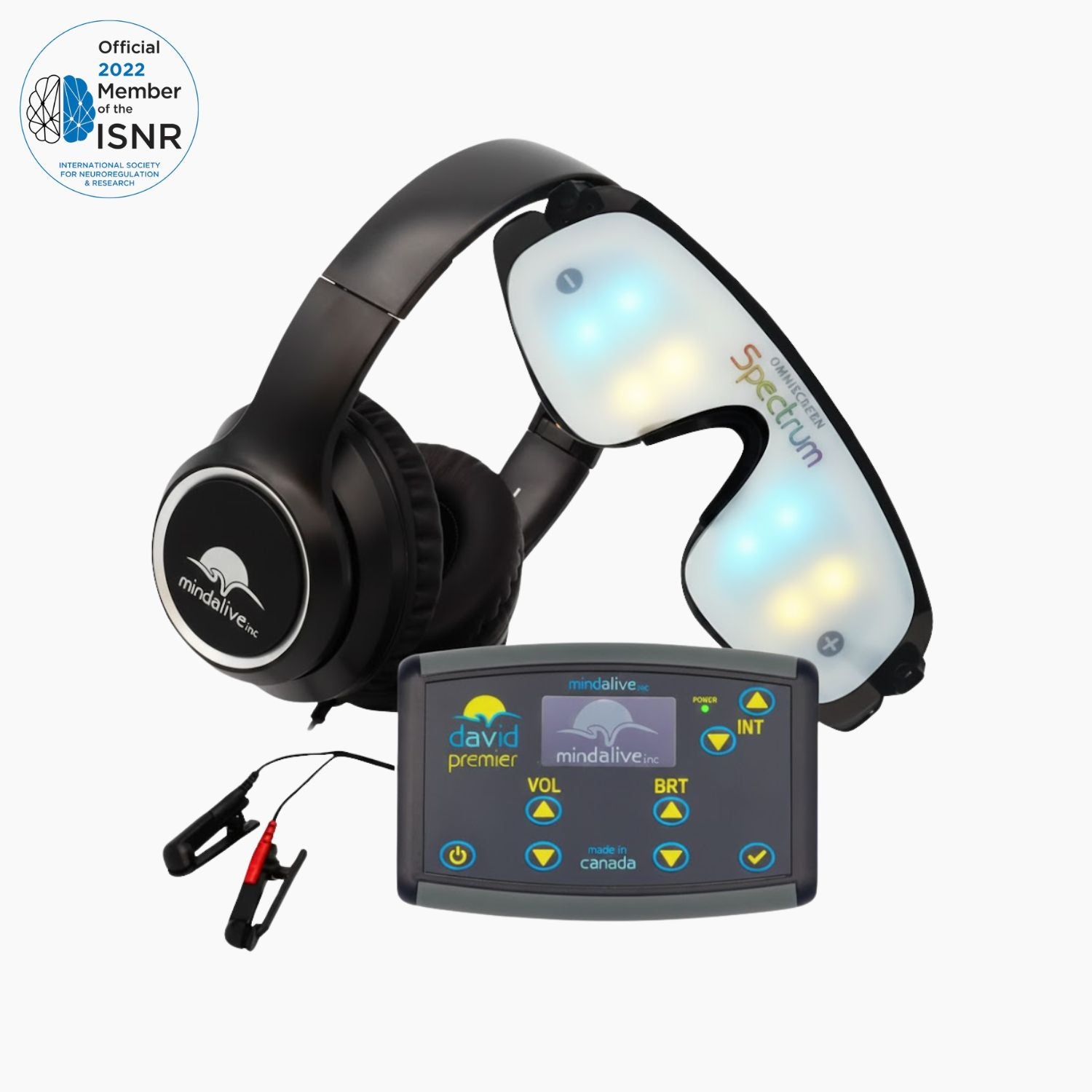
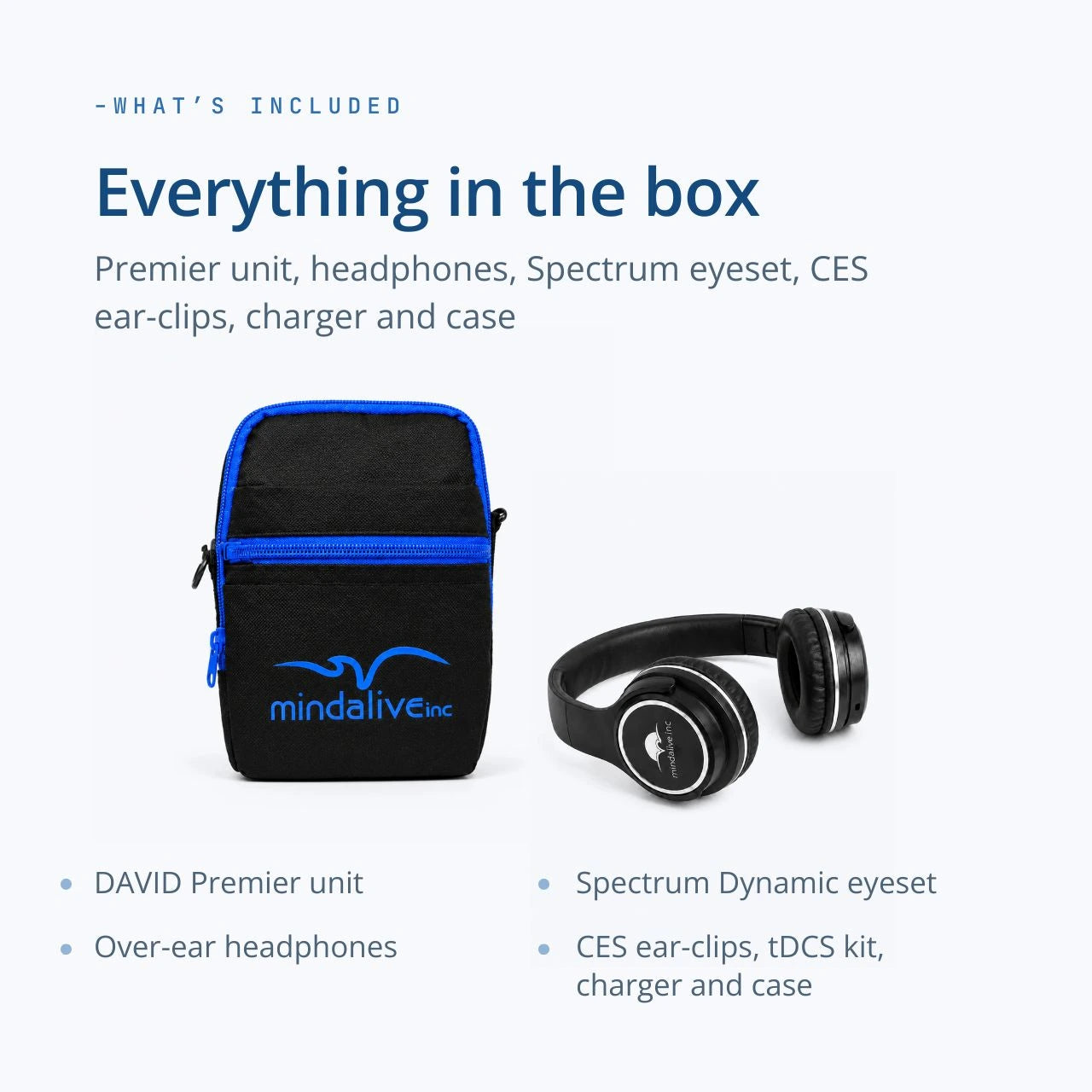
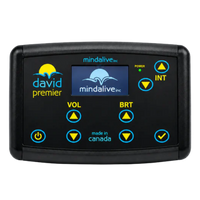
The DAVID Premier includes specific programs designed to encourage natural alpha rhythms through rhythmic pulsing of light and sound. This helps users access calm alertness quickly and reliably, especially if meditation feels difficult.
How Often Should You Train Alpha?
A practical starting point:
- 10–20 minutes per session
- 3–5 days per week
- Increase to daily if you’re targeting stress or creativity
Long-term alpha wave benefits appear when the brain learns to enter the state with less effort. Many users report that after a few weeks of consistent training, they naturally shift into alpha during stressful moments.
Scientific Foundations & Further Reading
- NCBI – Psychological effects of brainwave entrainment
- Scientific studies on the DAVID devices
- Human brainwaves by age
Want to Train Alpha Consistently?
If you want structured, repeatable alpha training to support creativity, emotional balance, and calm clarity, explore the DAVID Premier below.
Explore DAVID Premier