

Unveiling the Power of Brainwaves for Stress Reduction
Mind AliveStress is an omnipresent part of modern life, affecting people across all demographics. From work-related pressures and financial worries to relationship challenges and health concerns, stress manifests in many ways. While it's impossible to eliminate stress entirely, understanding and harnessing the power of brainwaves is a promising approach to mitigate its harmful impacts.
Understanding Brainwaves
Our brains constantly generate electrical activity, which can be classified into different types of brainwaves. These brainwaves represent various states of consciousness and emotional states. Here's a quick breakdown of the primary brainwave types:
- Delta Waves (0.5–4 Hz): Associated with deep sleep and regeneration.
- Theta Waves (4–8 Hz): Linked to dream states, deep meditation, and creativity.
- Alpha Waves (8–12 Hz): Correspond to relaxed alertness and a sense of mindful presence.
- Beta Waves (12–30 Hz): Connected with active thinking, problem-solving, and concentration.
- Gamma Waves (30 Hz and above): Pertinent to high-level information processing and cognitive functioning.
Stress and Brainwaves
Under stress, the brain tends to lean towards high beta wave activity, associated with alertness, anxiety, and stress. While beta wave activity is necessary for day-to-day tasks that require focus and problem-solving, prolonged beta dominance can exacerbate stress and anxiety. Therefore, transitioning to states that activate alpha and theta waves can be therapeutic and stress-reducing.
Harnessing Brainwaves for Stress Reduction
Meditation and Mindfulness
One of the most effective ways to promote beneficial brainwave states is through meditation and mindfulness. These practices encourage the brain to produce more alpha and theta waves, leading to reduced stress, enhanced relaxation, and improved emotional well-being.
Brainwave Entrainment Devices

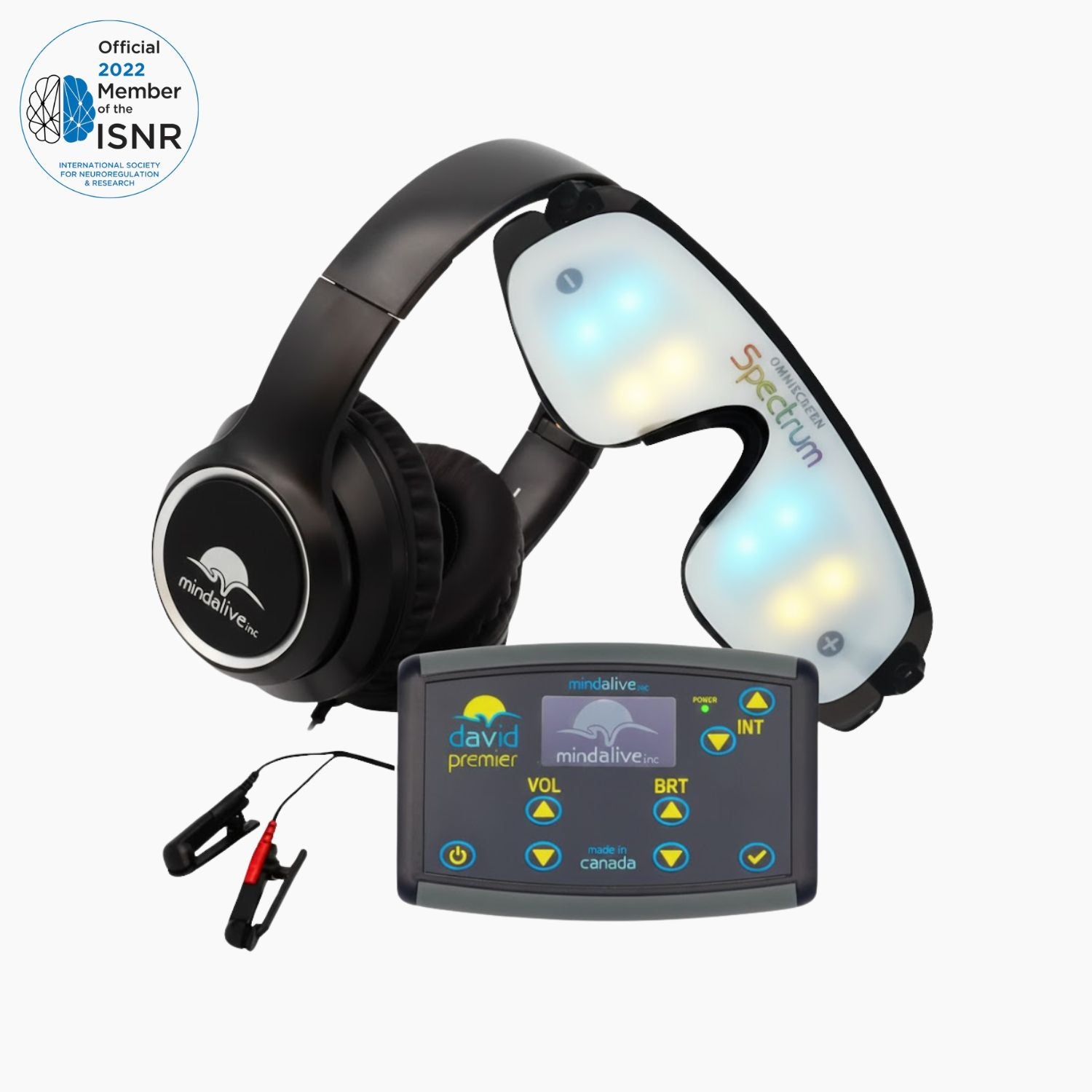
Thanks to advancements in neuroscience and technology, devices that promote brainwave entrainment have become a popular means of achieving desired mental states. These devices utilize auditory and visual stimuli to synchronize brainwave patterns with targeted frequencies.
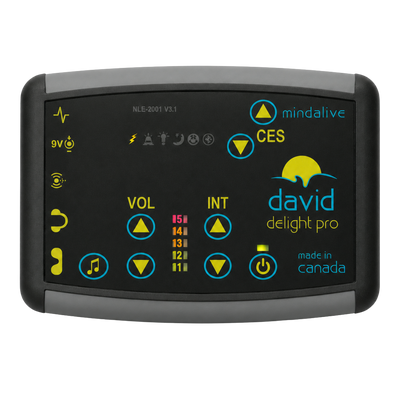
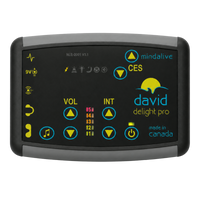
DAVID Delight Pro is one such device that facilitates brainwave entrainment. It uses advanced light and sound technology to guide the brain into states conducive to relaxation and stress relief. The device offers multiple programs designed to enhance mood, focus, and relaxation by stimulating alpha and theta waves. Find out more about the DAVID Delight Pro.
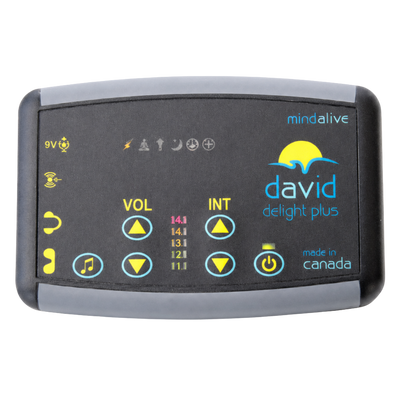
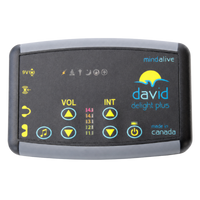
Another effective product is the DAVID Delight Plus, known for its user-friendly interface and a variety of sessions aimed at reducing stress and enhancing cognitive performance. It provides a range of settings to cater to individuals' specific needs. Learn about its features here.
Regular Exercise
Physical activity is another powerful way to influence brainwave patterns. Exercise naturally boosts endorphins, which can lower stress levels and promote alpha wave activity, enhancing mood and relaxation. Whether it's yoga, running, or even a brisk walk, incorporating regular exercise into your routine is vital for stress management.
Balanced Diet
Dietary choices can also affect brainwave activity. Nutrients such as omega-3 fatty acids, found in fish and flaxseeds, have been linked to improved cognitive function and emotional regulation. Staying hydrated and consuming a balanced diet with adequate fruits, vegetables, and whole grains can aid in maintaining cognitive health and reducing stress.
The Neuroscience Behind Brainwave Entrainment
The science of brainwave entrainment is grounded in the principle of frequency following response (FFR). When exposed to rhythmic, repetitive stimuli, such as the pulsing lights or sounds generated by devices like the DAVID Delight Pro or DAVID Delight Plus, the brain's natural frequencies begin to mimic these external stimuli. This process can effectively shift the brain from a stress-inducing beta state to more relaxed, alpha and theta states.
The Role of Neuroplasticity in Stress Reduction
Neuroplasticity refers to the brain's ability to reorganize itself by forming new neural connections throughout life. Practicing techniques that promote desirable brainwave activity can enhance neuroplasticity, enabling the brain to adapt to stress more effectively. Over time, with consistent use of brainwave entrainment devices and mindful practices, individuals can train their brains to enter calmer states even amid stressors.
Personalizing Stress Reduction through Technology

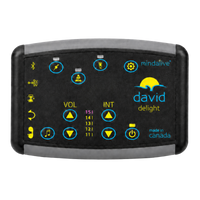
Individual differences mean that not all techniques work for everyone. That's why customizable solutions such as the DAVID Delight offer personalized brainwave entrainment experiences. This device provides a selection of programs tailored to different goals, from stress reduction to cognitive enhancement. Discover more about the DAVID Delight.
Conclusion
When it comes to managing stress, the key lies in understanding the brain’s complex network and how different states can influence our mental health and overall well-being. From traditional practices like meditation and a balanced diet to cutting-edge technologies like brainwave entrainment devices, there are numerous ways to utilize brainwaves for stress reduction.
For those interested in exploring these innovative solutions further, Mind Alive offers a range of products designed to support mental wellness. Explore more by visiting Mind Alive.
By embracing a multifaceted approach, we can harness the incredible power of our brains to navigate stress more effectively and improve our quality of life.