

Best Brain Training Machine 2026 Comparison
Yrian BrugmanWritten by MindAlive – 35 years of brainwave entrainment, 5x awarded for innovation in neurotechnology.
Best Brain Training Machine 2026: Expert Comparison & Buyer's Guide
Looking for the best brain training machine in 2026? The market has exploded with devices promising sharper focus, better memory, and improved mental performance — but not all brain training machines are created equal. Some rely on passive audio, others on neurofeedback, and a select few combine multiple clinically studied modalities into one system.
In this guide we compare the top brain training machines available today, break down exactly what each technology does, and help you choose the right device for your goals. Whether you are a student optimizing study sessions, a professional seeking peak cognitive performance, or someone supporting long-term brain health, this comparison has you covered.
▶ See Our #1 Pick: DAVID PremierKey Takeaways
- The best brain training machines in 2026 use clinically studied technologies like AVE (audio-visual entrainment), CES (cranio-electro stimulation), or neurofeedback — not just apps or games.
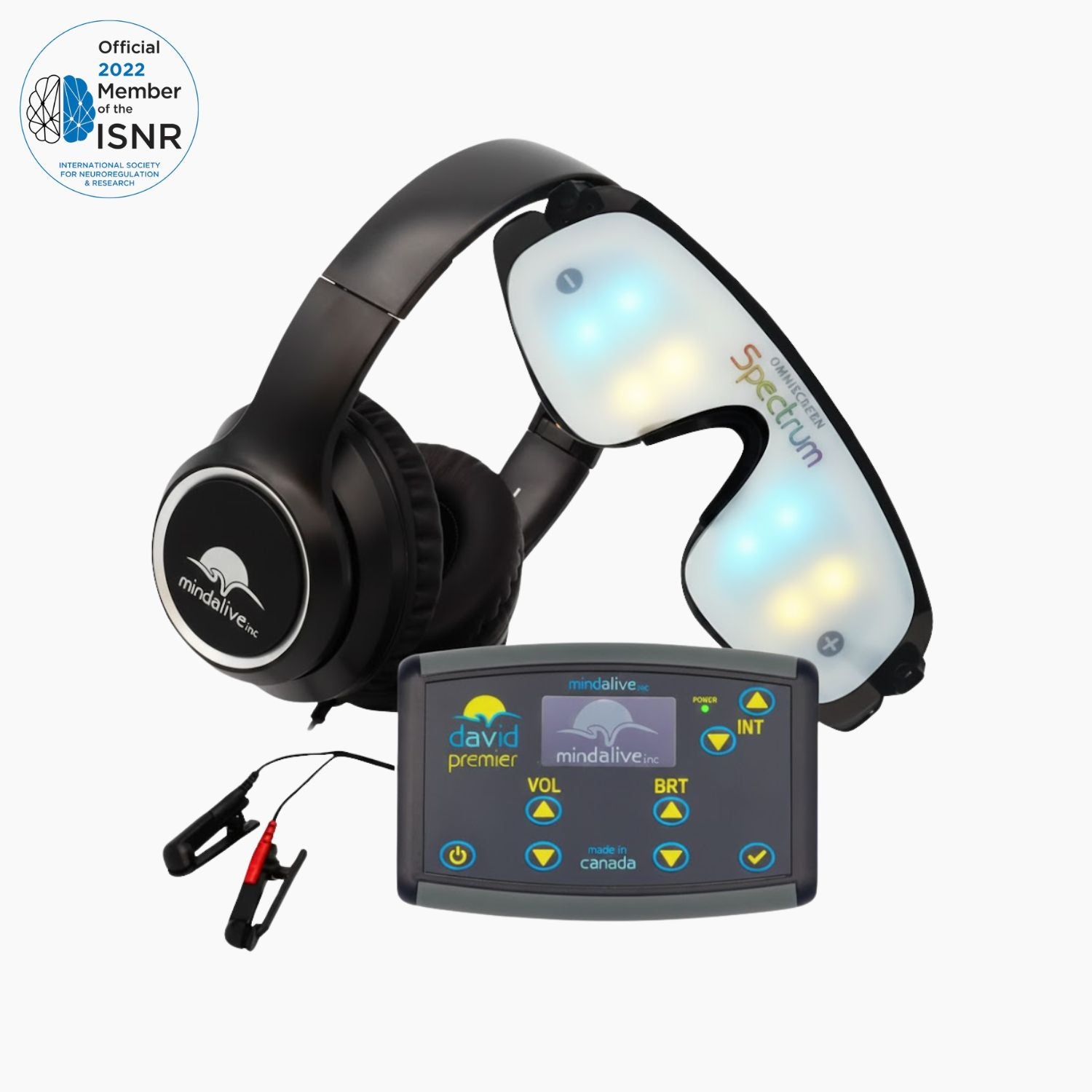
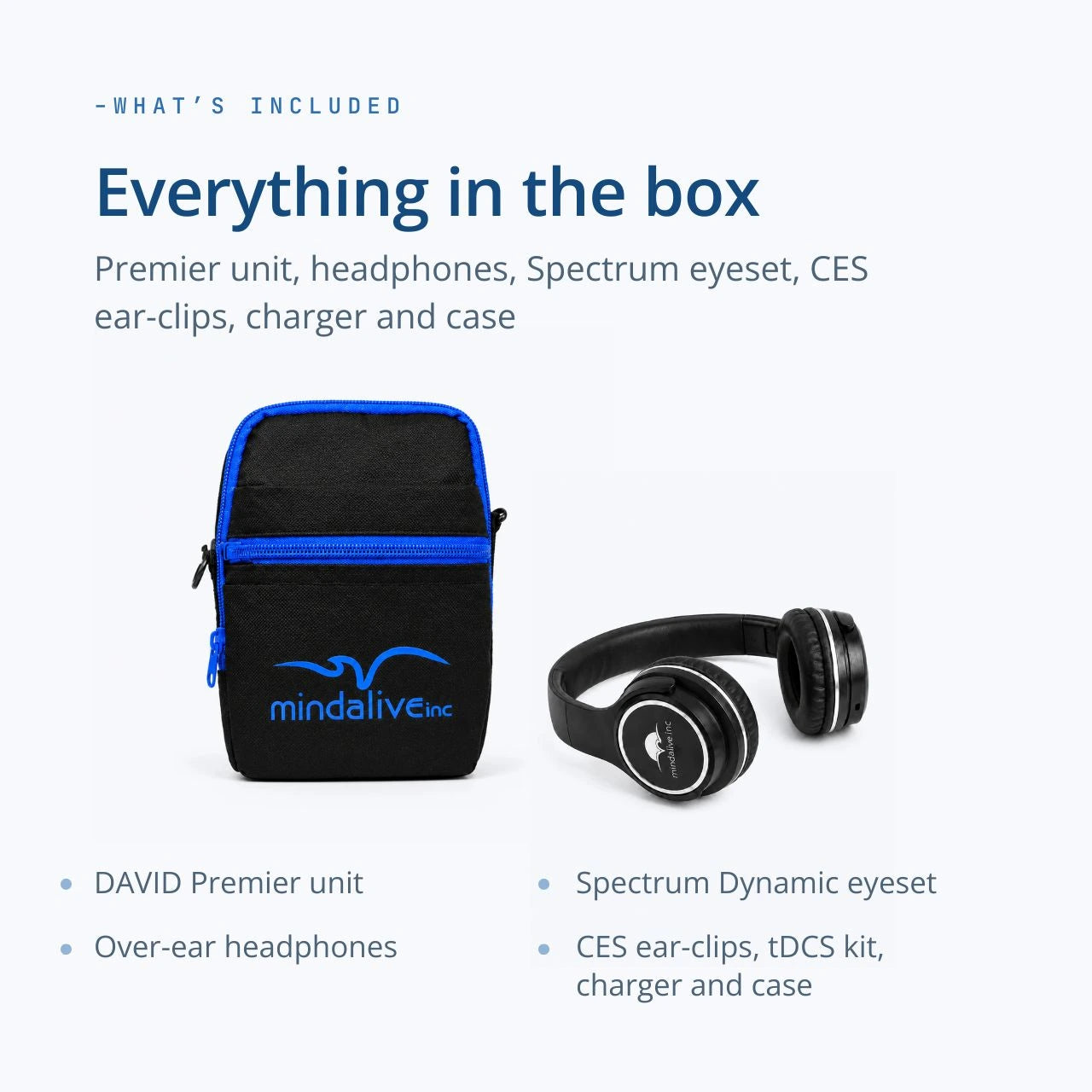
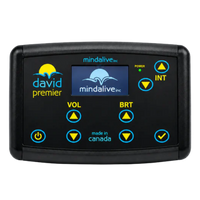
- DAVID Premier is our top pick for its unique combination of AVE + CES, 35 years of research backing, and versatility across focus, sleep, mood, and cognitive performance.
- Passive devices (binaural beat players, PEMF headbands) are gentler but typically produce weaker and less consistent results than active entrainment systems.
- The DAVID Premier guide walks you through session selection and routine building for any goal.
- Price alone does not determine effectiveness — technology type, clinical evidence, and session variety matter far more.
What Is a Brain Training Machine?
A brain training machine is a hardware device designed to improve cognitive function — focus, memory, relaxation, sleep, or mood — by directly influencing brainwave activity. Unlike brain training apps (which rely on repetitive games), dedicated brain training machines use neuroscience-backed stimulation methods to create measurable changes in how your brain operates.
The main technologies used in brain training machines today include:
- Audio-Visual Entrainment (AVE): Synchronized light and sound pulses guide brainwaves toward target frequencies. Used in the DAVID device line for 35+ years.
- Cranio-Electro Stimulation (CES): Gentle microcurrent applied to the earlobes to support mood, relaxation, and sleep. FDA-cleared technology.
- Neurofeedback: Real-time EEG monitoring that trains the brain through feedback loops. Requires sensors and software.
- PEMF (Pulsed Electromagnetic Field): Low-frequency magnetic pulses aimed at influencing neural activity.
- tDCS (Transcranial Direct Current Stimulation): Weak electrical current applied to the scalp to modulate cortical excitability.
Key distinction: The best brain training machines don't just play sounds or run apps — they deliver calibrated stimulation through multiple sensory or electrical pathways to produce reliable, repeatable changes in brainwave patterns.
Best Brain Training Machines 2026: Full Comparison Table
Below is a side-by-side comparison of the leading brain training machines available in 2026. We evaluated each device on technology type, clinical evidence, ease of use, versatility, and value for money.
| Device | Technology | Best For | Built-in Sessions | Clinical Evidence | Price Range |
|---|---|---|---|---|---|
| DAVID Premier | AVE + CES | Focus, sleep, mood, cognitive performance | 25+ protocols | 35+ years of research, peer-reviewed studies | $$$$ |
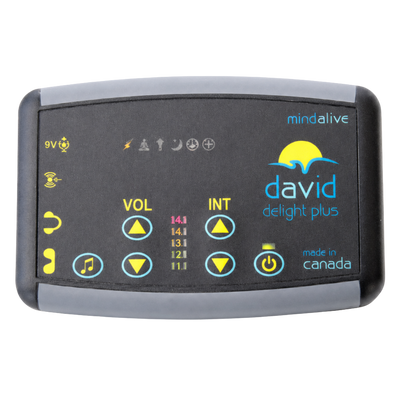
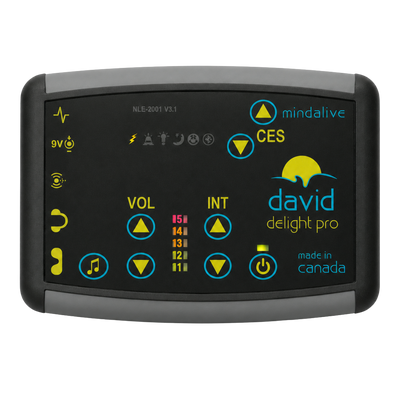
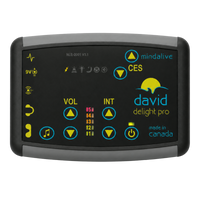
| DAVID Delight Pro | AVE + CES | Relaxation, sleep, stress relief | 18 protocols | Same research foundation as DAVID Premier | $$$ |
| Muse 2 / Muse S | EEG neurofeedback | Meditation, mindfulness tracking | App-guided | Moderate — meditation-focused studies | $$ |
| BrainTap | Light + audio guided sessions | Relaxation, guided meditation | 2,000+ audio sessions | Limited independent research | $$ + subscription |
| NeoRhythm | PEMF | Relaxation, focus, sleep | 7 preset programs | Emerging — PEMF research growing | $$ |
| Flow Neuroscience | tDCS | Mood support (depression focus) | App-guided stimulation | CE-marked medical device, clinical trials | $$$ |
| Sensai | EEG + cognitive training | Focus, attention training | App-based exercises | Limited — newer to market | $$ |
Detailed Feature Comparison: What Matters Most
Price and brand recognition are not enough to choose the best brain training machine. Here is how the top devices compare on the features that actually determine results:
| Feature | DAVID Premier | Muse S | BrainTap | NeoRhythm | Flow tDCS |
|---|---|---|---|---|---|
| Multi-modality stimulation | Yes (AVE + CES + audio) | No (passive feedback only) | Partial (light + audio) | No (PEMF only) | No (tDCS only) |
| Targets specific brainwave bands | Yes — delta through gamma | Monitors, does not drive | Limited frequency control | Yes — preset frequencies | No — modulates excitability |
| Works without a phone/app | Yes — fully standalone | No — requires app | No — requires app | Yes — standalone | No — requires app |
| Ongoing subscription required | No | Yes ($12.99/mo for full features) | Yes ($24.99/mo) | No | No |
| Session customization | Full — frequency, intensity, duration | Limited | Choose from library | Basic presets | Intensity only |
| Suitable for clinical/professional use | Yes — used by practitioners worldwide | Consumer only | Consumer only | Consumer only | CE-marked medical device |
| Sleep-specific protocols | Yes — multiple programs | Sleep tracking + soundscapes | Yes — guided audio | 1 sleep preset | No |
| Gamma / 40 Hz support | Yes — dedicated gamma sessions | No | Limited | Yes — 1 preset | No |
Why DAVID Premier Is the Best Brain Training Machine in 2026
After evaluating dozens of devices, the DAVID Premier stands out as the most complete brain training machine available today. Here is why:
1. Dual-Modality: AVE + CES in One Device
No other consumer brain training machine combines audio-visual entrainment and cranio-electro stimulation in a single, portable unit. AVE drives brainwaves through synchronized light and sound, while CES adds gentle microcurrent stimulation for mood and relaxation support. Together, they create deeper, more consistent entrainment than any single-modality device can achieve.
2. 35+ Years of Clinical Research
MindAlive has been developing AVE and CES technology since 1985. The DAVID device line is backed by peer-reviewed research across focus, sleep, mood, pain management, and cognitive performance. Most competing devices have been on the market for fewer than five years.
3. No Subscription, No App Required
DAVID Premier works as a fully standalone device. All 25+ sessions are built in and ready to use out of the box. There are no monthly fees, no required apps, and no dependence on Wi-Fi or Bluetooth connectivity. You own the full experience from day one.
4. Full Brainwave Spectrum Coverage
From slow delta waves for deep sleep to fast gamma rhythms for focus and cognitive performance, DAVID Premier includes protocols across every major brainwave band. The DAVID Premier guide explains when to use each frequency range based on your goals.
5. Professional and Personal Use
DAVID Premier is used by neurofeedback practitioners, therapists, sports psychologists, and wellness professionals worldwide — as well as individuals at home. This dual-use credibility means you are getting a device trusted by the people who understand brain training best.
Bottom line: If you want one brain training machine that handles focus, sleep, mood, meditation, and long-term cognitive support — without subscriptions or smartphone dependency — DAVID Premier is the clear choice for 2026.
Brain Training Machine Comparison by Goal
Different goals call for different technologies. Here is which brain training machine performs best for each common use case:
| Goal | Best Device | Why |
|---|---|---|
| Overall cognitive performance | DAVID Premier | AVE + CES covers focus, memory, and gamma entrainment in one system |
| Sleep improvement | DAVID Premier | Dedicated delta/theta sleep protocols with CES relaxation support |
| Meditation & mindfulness | Muse S or DAVID Premier | Muse for real-time feedback; DAVID Premier for guided brainwave states |
| Stress & anxiety relief | DAVID Premier | CES is specifically researched for anxiety and stress reduction |
| Mood support (depression) | Flow tDCS or DAVID Premier | Flow is CE-marked for depression; DAVID Premier offers CES mood protocols |
| Focus & productivity | DAVID Premier | Beta and gamma AVE sessions designed for alert, focused states |
| Age-related brain health | DAVID Premier | 40 Hz gamma protocols linked to neuroprotective research |
| Budget-friendly entry point | Muse 2 or NeoRhythm | Lower upfront cost, though ongoing subscriptions add up |
Brain Training Machine Technology Breakdown
Understanding the technology behind each brain training machine helps you make a smarter buying decision. Here is a closer look at each approach:
Audio-Visual Entrainment (AVE)
AVE uses precisely timed light pulses through specialized glasses and synchronized audio tones through headphones to guide brainwaves toward a target frequency. This is one of the most direct and effective forms of brainwave entrainment because the visual cortex responds powerfully and quickly to photic stimulation. The DAVID Premier is the leading AVE device on the market.
Cranio-Electro Stimulation (CES)
CES delivers a gentle microcurrent (typically under 1 mA) through ear clips. This stimulation has been studied for its effects on anxiety, insomnia, and mood. CES is FDA-cleared and has decades of clinical research behind it. DAVID Premier integrates CES directly alongside AVE for a layered approach.
EEG Neurofeedback
Neurofeedback uses sensors to measure your brainwave activity in real time and provides feedback (usually audio or visual cues) to help you learn to self-regulate. Devices like Muse offer a consumer-friendly version of this, though clinical neurofeedback systems are far more sophisticated. The trade-off: neurofeedback requires active learning and many sessions before results become consistent.
PEMF (Pulsed Electromagnetic Field)
PEMF devices like NeoRhythm emit low-frequency magnetic pulses near the head. The technology is promising but still emerging for cognitive applications. Most PEMF research to date focuses on pain management and bone healing rather than brain training specifically.
tDCS (Transcranial Direct Current Stimulation)
tDCS applies a weak direct current through electrodes on the scalp to increase or decrease neural excitability in targeted brain regions. Flow Neuroscience is a notable consumer tDCS device focused on depression. tDCS requires careful electrode placement and is generally narrower in application than AVE + CES.
What to Look for When Buying a Brain Training Machine
Before spending money on any brain training machine, evaluate it against these criteria:
- Clinical evidence: Is the technology backed by peer-reviewed research? How many years has the manufacturer been in the field?
- Multi-modality: Does it use more than one stimulation pathway? Devices combining visual, auditory, and electrical stimulation tend to produce stronger, more reliable results.
- Session variety: Can you target different goals (focus, sleep, mood, relaxation) with different programs, or is it a one-trick device?
- Standalone operation: Does it require a phone, app, or subscription to function? Standalone devices are more reliable and have no hidden costs.
- Professional credibility: Is it used by practitioners and clinicians, or only marketed to consumers?
- Customization: Can you adjust frequency, intensity, and session length to match your needs?
- Safety certifications: Does it meet regulatory standards? Is there a clear safety profile?
| Buying Criterion | DAVID Premier | Typical Competitor |
|---|---|---|
| Clinical research | 35+ years, peer-reviewed | 0–5 years, limited studies |
| Stimulation modalities | 3 (visual + auditory + CES) | 1 (audio, PEMF, or tDCS only) |
| Built-in sessions | 25+ covering all goals | Varies — often app-dependent |
| Subscription fees | None — ever | $12–25/month typical |
| Professional use | Yes — clinicians worldwide | Rarely |
| Customizable | Fully — frequency, intensity, duration | Limited or locked presets |
| 2-year total cost of ownership | Device cost only | Device + $300–600 in subscriptions |
How to Get Started with DAVID Premier
If you have decided that the DAVID Premier is the right brain training machine for you, here is how to begin:
- Read the DAVID Premier guide to understand the device, its sessions, and how to select protocols for your goals.
- Start with a general-purpose session at medium intensity to get comfortable with the AVE + CES experience.
- Choose a primary goal (focus, sleep, mood, or cognitive performance) and follow the recommended session schedule in the guide.
- Use the device consistently — 3 to 5 sessions per week produces the best results over time.
- Track your progress with a simple journal: note your mental state before and after each session.
- Experiment with combining DAVID Premier sessions with complementary tools like the 40 Hz light therapy tool or 40 Hz binaural beats MP3.
FAQ: Best Brain Training Machine 2026
What is the best brain training machine for focus?
The DAVID Premier is the best brain training machine for focus in 2026. Its beta and gamma AVE sessions are specifically designed to promote alert, concentrated mental states, and the addition of CES helps reduce mental noise that interferes with sustained attention.
Are brain training machines scientifically proven?
It depends on the device. AVE and CES technologies (used in the DAVID device line) are backed by decades of peer-reviewed research. Some newer devices on the market have limited or no independent clinical evidence. Always check whether a device's claims are supported by published studies.
Do I need a subscription to use a brain training machine?
Not with every device. The DAVID Premier has no subscription — all sessions are built in. Many app-dependent devices like Muse and BrainTap require ongoing monthly payments for full access to their content libraries.
How long does it take to see results from a brain training machine?
Many users report feeling immediate effects after their first AVE + CES session — improved calmness, focus, or mental clarity. Consistent use over 2–4 weeks typically produces more lasting changes. The DAVID Premier guide includes recommended session schedules for building cumulative benefits.
Is DAVID Premier safe?
Yes, for most people. DAVID Premier uses non-invasive AVE and CES technologies with an established safety profile. Do not use the device if you have a pacemaker, implanted electronic device, or history of seizures without consulting your doctor first. Full safety information is included in the DAVID Premier guide.
What is the difference between brain training machines and brain training apps?
Brain training apps (like Lumosity or Peak) use cognitive games to exercise mental skills through repetition. Brain training machines use direct neurological stimulation — light, sound, or electrical current — to physically influence brainwave activity. The machine-based approach tends to produce faster, more measurable changes because it acts on the brain directly rather than relying on behavioral practice alone.
Can I use a brain training machine every day?
Yes. Most brain training machines, including the DAVID Premier, are designed for daily use. Start with shorter sessions and work up to your preferred routine. The DAVID Premier guide provides detailed scheduling recommendations.
Which brain training machine is best for seniors?
The DAVID Premier is particularly well-suited for seniors because it requires no smartphone, no app, and no technical setup. Its 40 Hz gamma protocols are directly relevant to age-related cognitive support research, and CES provides gentle relaxation benefits. The standalone, button-operated design makes it accessible for users of all technical skill levels.