

CES Devices Explained (Full Guide)
Mind AliveWritten by MindAlive – 35 years of brainwave entrainment, 5× awarded for innovation in neurotechnology.
CES Devices Explained
CES devices (cranial electrotherapy stimulation devices) deliver very low-level electrical currents through the head to gently influence brain activity. They’re used as non-invasive tools to support mood, stress regulation, and sleep—without medication or heavy clinical interventions.
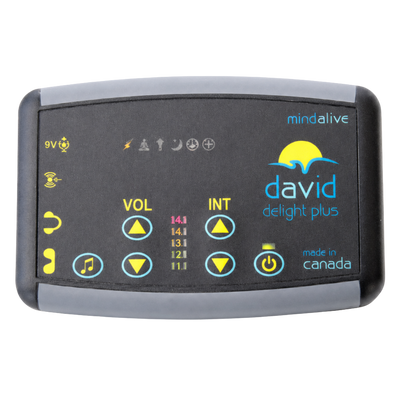
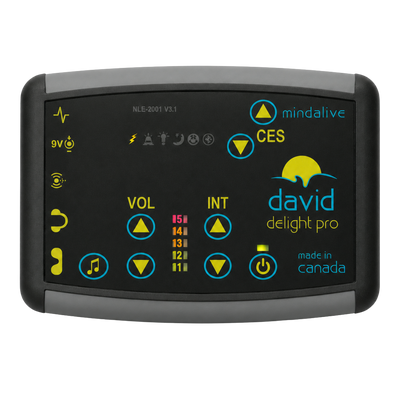
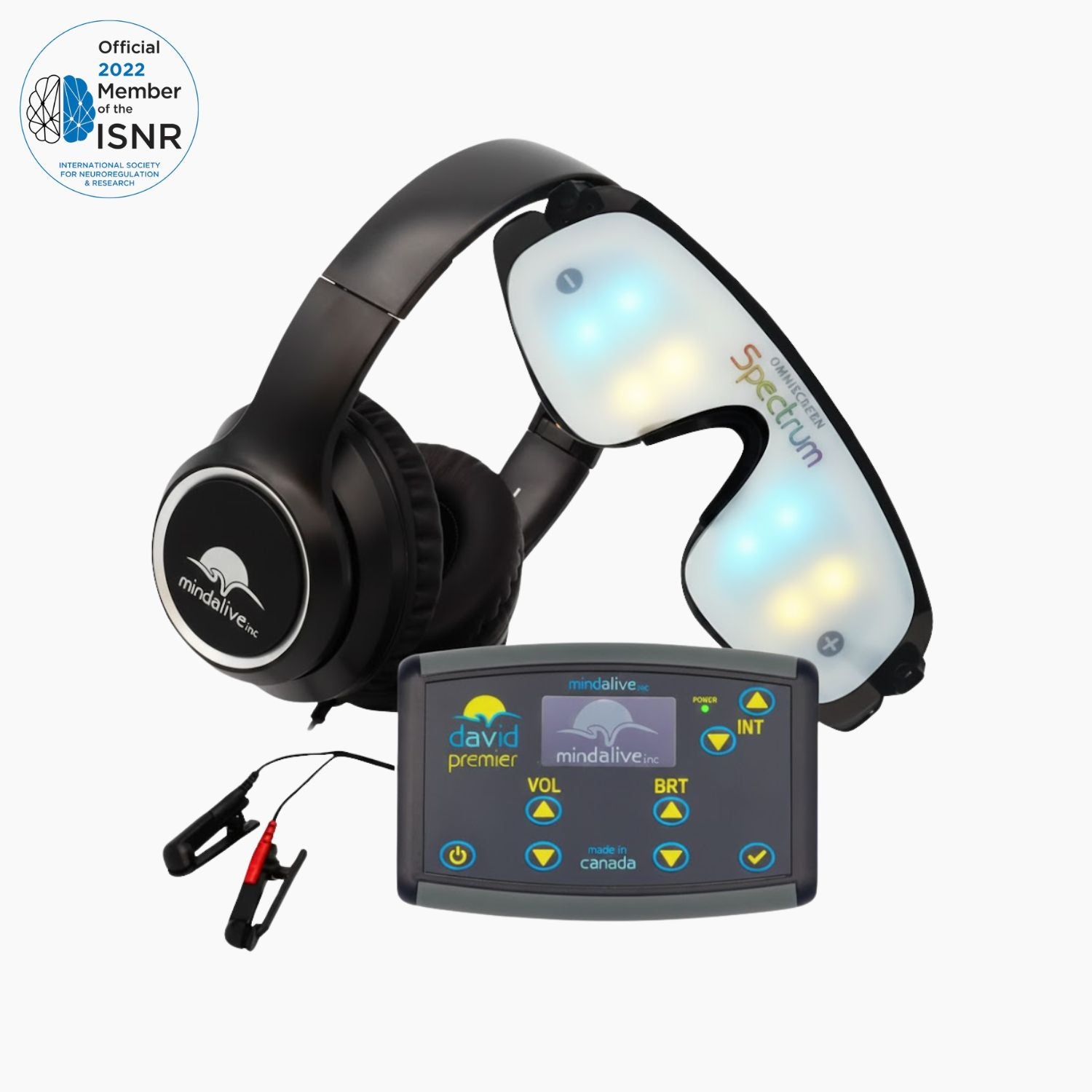
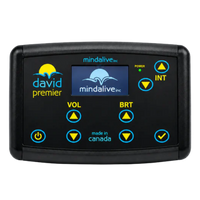
There are many CES devices on the market, each with its own waveforms, intensities, and features. Some are CES-only, while others (such as DAVID Premier) combine CES with audio-visual entrainment (AVE) to guide brain states using both electricity and rhythmic light/sound.
Key Takeaways
- CES devices use microcurrent neuromodulation to support mood, stress, and sleep.
- They are non-invasive, typically comfortable, and used at very low intensities.
- Some CES devices are “CES-only”; others combine CES with AVE (light & sound) for richer state-change cues.
- Research is promising but mixed—protocol and individual response matter.
- For context on how CES compares with AVE and tDCS, see AVE, CES & tDCS explained.
What Are CES Devices?
CES devices are portable neuromodulation systems that deliver microcurrent (usually in the 20–600 μA range) via electrodes on the earlobes or head. Unlike high-intensity stimulation (such as TMS), CES devices operate far below pain thresholds—most users feel a mild tingling at most.
CES devices sit in the same broader category as AVE and tDCS. For a high-level overview of where each fits, see AVE, CES & tDCS explained.
Core Components of Most CES Devices
- Current generator: Controls microamp intensity and waveform.
- Electrodes: Earclips or adhesive pads to deliver current.
- Controls & presets: Session time, intensity, and sometimes pre-set modes (Relax, Sleep, etc.).
How CES Devices Influence the Brain
The microcurrent flows between two electrodes, creating a gentle electrical field that interacts with neural tissue. Proposed mechanisms include:
- Modulation of limbic circuits involved in mood and anxiety.
- Influence on neurotransmitter systems (serotonin, GABA, etc.).
- Shifts in autonomic balance (more parasympathetic “rest and digest” activity).
CES Device Parameters: What Matters?
Different CES devices use varying combinations of current, waveform, and frequency. While marketing discussions can become technical, the key considerations are relatively straightforward.
| Parameter | Typical Range | What It Does |
|---|---|---|
| Current intensity | 20–600 μA | Defines how strong the microcurrent is (still very low). |
| Waveform | Sine, pulsed, or complex | Influences how the stimulation feels and which circuits are engaged. |
| Frequency | Sub-Hz to low kHz (device-specific) | Can bias the system toward calming vs alerting effects. |
| Session time | 20–60 minutes | Determines total exposure per session. |
What Can CES Devices Help With?
Most users explore CES devices around three core areas: mood, stress, and sleep. Responses are individual, but common themes repeatedly show up in user reports.
Mood and Anxiety Support
Many people describe CES sessions as calming or “emotionally smoothing.” When used consistently, CES devices may help reduce overall anxious arousal and support a more even mood baseline.
Sleep Quality and Sleep Onset
Evening sessions with CES devices are often used as a wind-down ritual. Combined with sleep hygiene (fixed bedtime, low light, fewer screens), CES can support the transition from “wired” to ready-for-sleep.
Stress Regulation
CES devices aim to nudge the nervous system away from chronic fight-or-flight states. Over time, this may translate to feeling less overwhelmed by daily stressors—especially if CES is paired with breathwork and mindfulness.
CES Devices vs. AVE and tDCS
CES is one type of neuromodulation. To put CES devices in context, it helps to look at how they differ from AVE and tDCS:
| Method | Stimulation Type | Typical Use |
|---|---|---|
| CES devices | Microcurrent via ear/scalp electrodes | Mood, anxiety, stress, sleep support |
| AVE (Audio-Visual Entrainment) | Light & sound patterns targeting brainwaves | State-change: focus, relaxation, sleep, cognitive support |
| tDCS | Direct current between scalp electrodes | Research/clinical use for specific cognitive & clinical targets |
For a deeper explanation of how these methods differ, see AVE, CES & tDCS explained. For ADD/ADHD-type attention themes, AVE specifically is discussed in Audio-visual entrainment (AVE) for ADD/ADHD.
How to Use CES Devices Safely and Effectively
Basic Setup
- Attach earclips or electrodes exactly as shown in the device manual.
- Use conductive fluid or fresh pads when recommended.
- Start at the lowest comfortable intensity and adjust gradually.
Session Conditions
- Choose a quiet, comfortable space where you can sit or lie down.
- Avoid multitasking; treat the session as intentional downtime.
- For sleep support, schedule sessions 30–90 minutes before bed.
Frequency and Duration
- Common CES sessions last 20–60 minutes.
- Protocols often suggest 3–7 sessions per week, especially at the start.
- Use CES devices only when you can safely relax—not while driving or operating machinery.
Safety and Contraindications
- Do not use CES devices if you have an implanted electronic device (e.g., pacemaker) unless cleared by a clinician.
- Avoid electrodes on broken or irritated skin.
- If you experience headaches, dizziness, or agitation, stop, lower intensity, or shorten sessions.
- Consult your healthcare provider if you are pregnant or have significant medical or psychiatric conditions.
What the Science Says About CES Devices
Research on CES spans several decades, especially in anxiety and insomnia. Some controlled trials report significant improvements; others show modest or no changes. Variations in protocol, device specs, and participant groups all influence results.
If you want to explore published work specifically around the DAVID devices and AVE/CES-type systems, see Scientific studies on the DAVID devices: proof of efficacy & safety.
Combining CES Devices with Other Techniques
CES devices are often most effective when combined with other brain-health and stress-management strategies.
| Technique | Why Combine It with CES Devices | Examples |
|---|---|---|
| AVE (Audio-Visual Entrainment) | Adds light & sound cues to amplify state-change. | DAVID Premier sessions for relaxation, focus, or sleep. |
| Mindfulness & breathwork | Supports autonomic regulation and emotional resilience. | Box breathing, body scan, short daily meditations. |
| Sleep hygiene | Improves baseline sleep so CES can work on a stronger foundation. | Consistent schedule, dark cool bedroom, reduced evening screens. |
| Cognitive & attention training | Uses CES to support the “state,” while training builds the skill. | Study blocks, therapy, attention exercises after a CES session. |
Choosing the Right CES Device for You
When comparing CES devices, consider:
- Goal fit: Mood, stress, sleep, focus—or all of the above?
- Modalities: CES-only vs CES + AVE (light & sound).
- Guidance: Do you want simple CES sessions or fully guided, multi-sensory programs?
- Evidence & ecosystem: Is there research and a mature ecosystem of protocols and education?
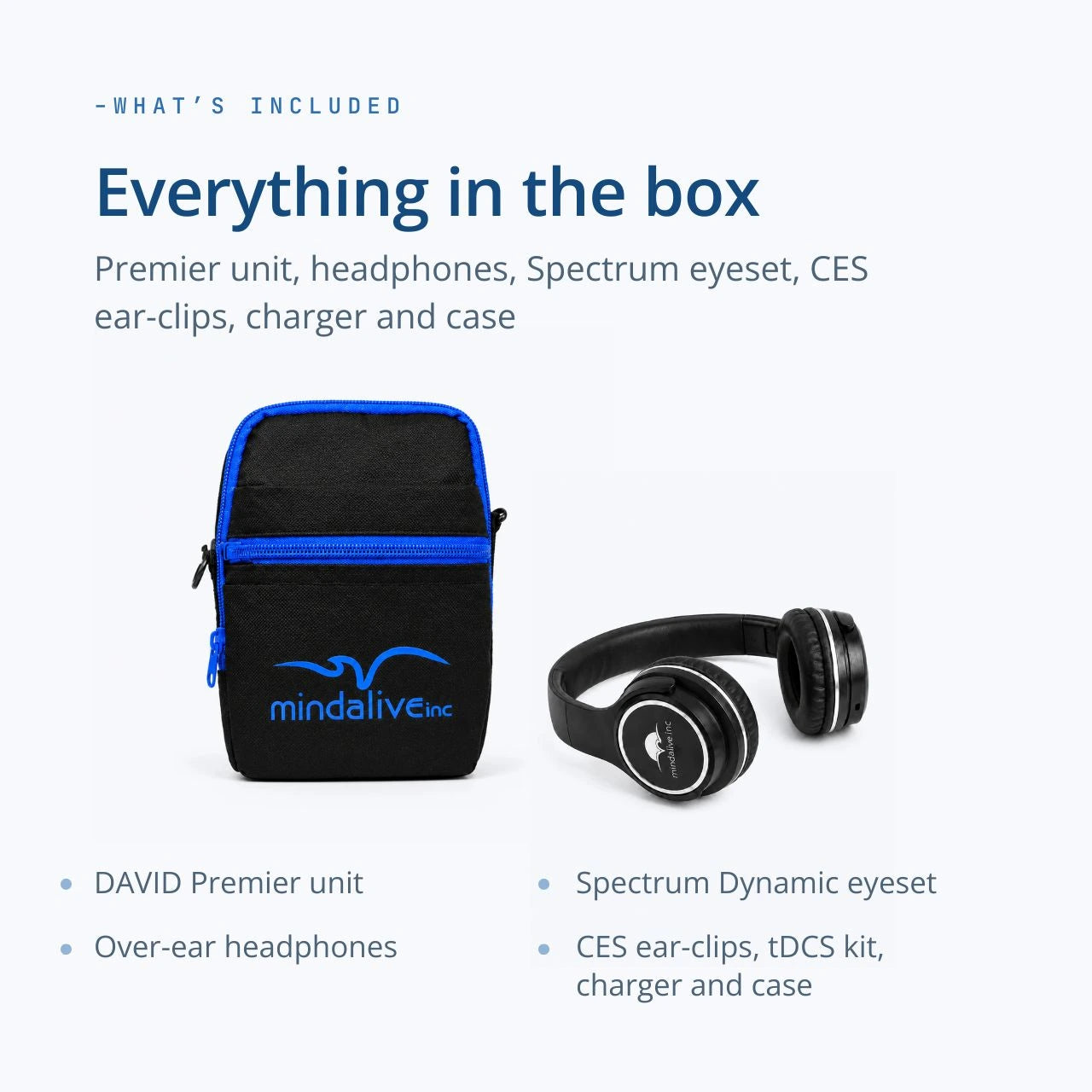
If you’re specifically interested in a CES device that doubles as a complete AVE platform, the DAVID Premier is worth a close look—and the DAVID Premier 2026 guide is a good starting point.
FAQ: CES Devices
Are CES devices safe?
When used according to instructions, CES devices are generally well tolerated. There are important contraindications (implanted devices, some medical conditions), so check with a clinician if unsure.
How long before I notice effects?
Some users feel calmer after the first few sessions; others need several weeks of consistent use. CES devices are best evaluated over time, not after a single session.
Can I use CES devices every day?
Many protocols allow daily sessions, especially in the first few weeks. Follow your device manual and consult your healthcare provider for personalized guidance.
Do CES devices replace therapy or medication?
No. CES devices are supportive tools, not replacements for professional care. Always discuss treatment decisions with your healthcare provider.
What is the difference between a CES-only device and something like DAVID Premier?
CES-only devices deliver microcurrent and stop there. Systems like DAVID Premier add audio-visual entrainment, pre-programmed sessions, and a broader ecosystem—so your CES device becomes a multi-sensory, guided experience rather than just a current generator.