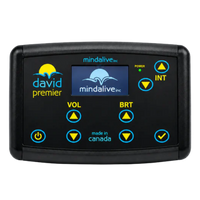


Cranial Electrotherapy Stimulation Device Comparison
Mind AliveWritten by MindAlive – 35 years of brainwave entrainment, 5× awarded for innovation in neurotechnology.
Cranial Electrotherapy Stimulation (Full Guide)
Cranial electrotherapy stimulation (CES) devices all deliver very low-level electrical currents to the head, but they don’t all work in the same way—or offer the same toolkit. If you’re comparing CES devices, it helps to look beyond marketing claims and focus on how each system supports your day-to-day mood, stress, and sleep routine.
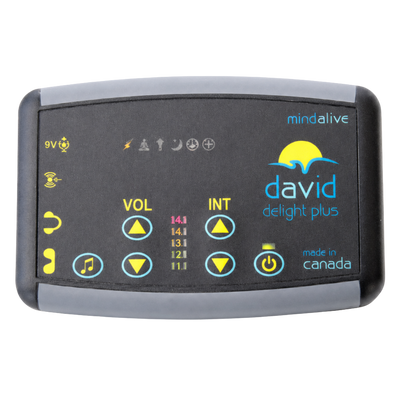
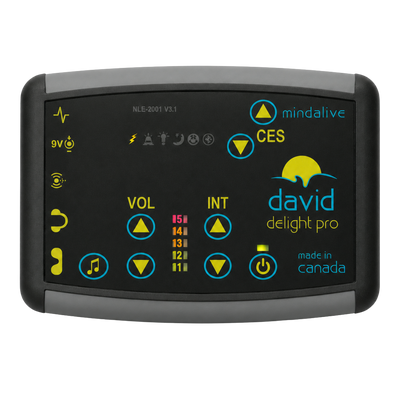
In this comparison, we’ll look at CES-focused brands like Alpha-Stim, Fisher Wallace, and CES Ultra, and contrast them with a multi-modal system that combines CES with audio-visual entrainment (AVE): DAVID Premier.
Key Takeaways
- All devices here use CES microcurrent, but they differ strongly in features, protocols, and sensory channels.
- Alpha-Stim, Fisher Wallace, and CES Ultra are CES-only devices: they provide electrical stimulation but no AVE.
- DAVID Premier combines CES + AVE (light & sound) in one system with guided sessions for focus, relaxation, and sleep.
- For deep dives into CES vs other methods, see AVE, CES & tDCS explained.
- If you care about a multi-sensory, structured protocol in one device, DAVID Premier emerges as the most complete option in this comparison.
How to Compare Cranial Electrotherapy Stimulation Devices
CES devices share the same core idea—microcurrent stimulation—but differ on:
- Modalities: CES-only vs CES + AVE (light/sound entrainment).
- Protocols: Fixed currents vs multi-session programs (Relax, Sleep, Focus, etc.).
- Guidance: “Press start and hope” versus clearly labeled, repeatable sessions.
- Integration: Does the device stand alone, or can it form the heart of your complete brain-wellness routine?
For more on where CES fits within neuromodulation, see AVE, CES & tDCS explained.
Head-to-Head: Device Feature Comparison
The table below compares widely discussed cranial electrotherapy stimulation devices across practical features. Check marks (✓) indicate supported features; crosses (✗) indicate absence.
| Feature | DAVID Premier | Alpha-Stim (AID/M) | Fisher Wallace Stimulator | CES Ultra |
|---|---|---|---|---|
| CES microcurrent neuromodulation | ✓ | ✓ | ✓ | ✓ |
| Integrated audio-visual entrainment (AVE) | ✓ | ✗ | ✗ | ✗ |
| Built-in light glasses + audio headset in ecosystem | ✓ | ✗ (no AVE) | ✗ (no AVE) | ✗ (no AVE) |
| Pre-programmed multi-sensory sessions (Relax, Sleep, Focus, Mood, etc.) | ✓ | ✗ (timed CES only) | ✗ (fixed CES programs) | ✗ (fixed CES settings) |
| Runs CES + AVE simultaneously for one “guided state” | ✓ | ✗ | ✗ | ✗ |
| Session labels aimed at concrete goals (e.g., sleep onset, deep relax, focus) | ✓ | ✓ (via manuals, less AV-guided) | ✓ (choice of stimulation levels) | ✓ (time & intensity adjustable) |
| Focus/cognitive support with rhythmic light/sound cues | ✓ | ✗ | ✗ | ✗ |
| Works as stand-alone CES therapy unit | ✓ | ✓ | ✓ | ✓ |
| Expandable ecosystem (other DAVID/AVE protocols) | ✓ | ✗ | ✗ | ✗ |
Note: This comparison focuses on practical features and modality mix, not “clinically better than X” claims. Each device has its own research base and regulatory status; always discuss medical decisions with a professional.
Use Cases: Which Device Fits Which User?
Another way to compare CES devices is by looking at which use cases they serve best.
| Use Case | DAVID Premier | Alpha-Stim | Fisher Wallace | CES Ultra |
|---|---|---|---|---|
| Daily CES therapy at home | ✓ | ✓ | ✓ | ✓ |
| Guided “full ritual” for sleep (light + sound + CES) | ✓ | ✗ | ✗ | ✗ |
| Combination of CES with AVE for ADD/ADHD-like attention themes | ✓ | ✗ (CES only) | ✗ (CES only) | ✗ (CES only) |
| Portable “plug and go” CES only | ✓ (with AVE options) | ✓ | ✓ | ✓ |
| Building long-term brain training routines with entrainment | ✓ | ✗ | ✗ | ✗ |
For more context on how AVE specifically supports focus and attention, see Audio-visual entrainment (AVE) for ADD/ADHD.
Why DAVID Premier Ranks Best in This Comparison
Alpha-Stim, Fisher Wallace, and CES Ultra are strong examples of CES-only devices. They offer microcurrent neuromodulation with their own protocols and each occupies a place in the neuromodulation ecosystem.
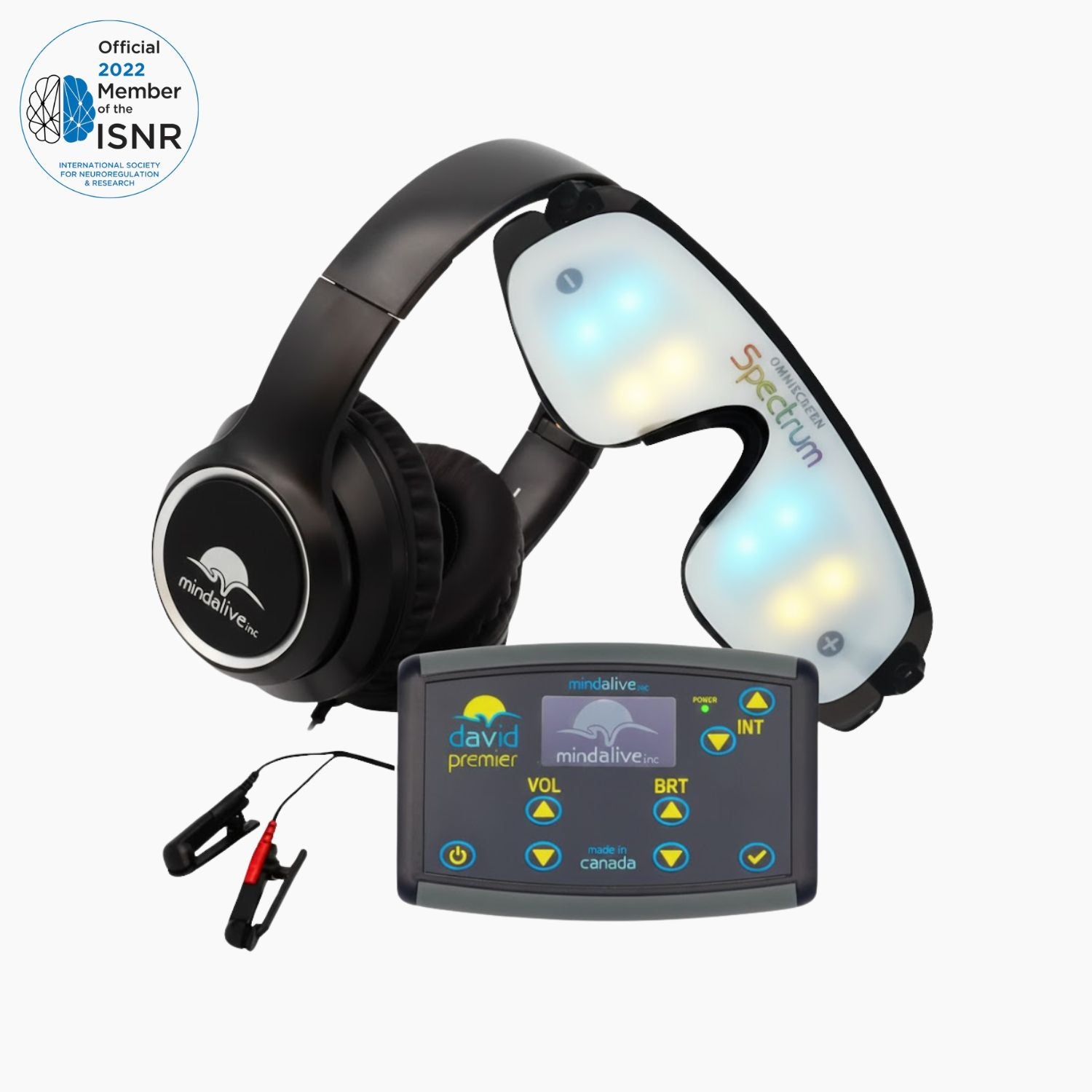
DAVID Premier goes further by combining CES with:
- Audio-visual entrainment: light and sound patterns that guide the brain toward goal states (alpha/theta for relaxation, beta for focus, etc.).
- Multi-sensory guidance: instead of only electrical stimulation, you get a complete sensory experience.
- Pre-programmed sessions: ready-to-run protocols for sleep, stress, focus, meditative states, and more.
This makes DAVID Premier more of a “finish line” system: fewer loose tools to assemble, more one integrated workflow. For a deeper explanation of the Premier itself, see the DAVID Premier 2026 guide.
Evidence, Safety, and Expectations
It’s important to emphasize that all CES devices are tools, not instant fixes. Research on CES shows mixed but often promising results for anxiety, sleep, and mood. The same is true for AVE/brainwave entrainment.
For an overview of research on the DAVID line and AVE/neuromodulation, see Scientific studies on the DAVID devices. For broader context of CES within tDCS and AVE, read AVE, CES & tDCS explained.
When to Consider a CES-Only Device
A CES-only system like Alpha-Stim, Fisher Wallace, or CES Ultra may be appropriate if you:
- specifically want only electrical neuromodulation;
- already have extensive routines for meditation, light, sound, etc.;
- are following a specific brand or protocol in consultation with your clinician.
When to Consider DAVID Premier
DAVID Premier becomes compelling if you:
- want one system that combines CES + AVE;
- prefer predefined, repeatable sessions (Focus, Relax, Sleep, Mood);
- like working with a structured, multi-sensory routine that literally guides your brain into the desired state.
FAQ: CES Device Comparison
Is one cranial electrotherapy stimulation device “clinically better” than the others?
Studies are typically conducted per device and per population, not as large head-to-head trials. See each device as a different toolbox with its own strengths; always discuss choices with a healthcare professional.
Why would I combine CES with AVE?
CES acts electrically; AVE guides brain activity through light and sound. Together, they provide a multi-sensory signal that helps many users reach their desired state (focus, relaxation, sleep) more quickly. See also AVE for ADD/ADHD for a concrete example.
Can I combine a CES-only device with AVE later?
Yes, but you’ll be assembling separate tools yourself. A system like DAVID Premier already integrates CES + AVE within one ecosystem.
Who is DAVID Premier mainly suited for?
For users who want more than electrical stimulation: those who prefer clear, guided sessions that reliably lead them into the same state (relaxation, focus, sleep).
Should I consult my doctor before buying a CES device?
Yes—especially if you use medication, have a medical condition, carry an implanted device, or are undergoing treatment. CES and AVE are supplementary tools, not replacements for medical care.